Ensuring compliance with childcare licensing standards is one of the most important responsibilities of any early education provider. State agencies conduct regular inspections to verify that childcare programs meet health, safety, and operational requirements. For many providers, these inspections can be a source of stress. At the same time, they are an opportunity to showcase the quality of care, professionalism, and preparedness of your program.
Whether you are applying for a new license, preparing for a renewal, or responding to a scheduled visit, having a structured and proactive approach to inspection readiness is essential. Many providers struggle not because they lack quality practices, but because they are unsure how to present those practices clearly during an inspection. This guide offers a step-by-step process to help you stay compliant, organized, and confident before and during your childcare licensing inspection.
This article outlines exactly how to prepare for a Childcare Licensing Inspection. It explains how to review current regulations, audit staff and child records, create a safe and organized environment, train your team on emergency procedures, and build long-term compliance into daily routines. It offers actionable strategies that reduce stress, prevent violations, and improve your program’s inspection outcomes.
What Is a Childcare Licensing Inspection?
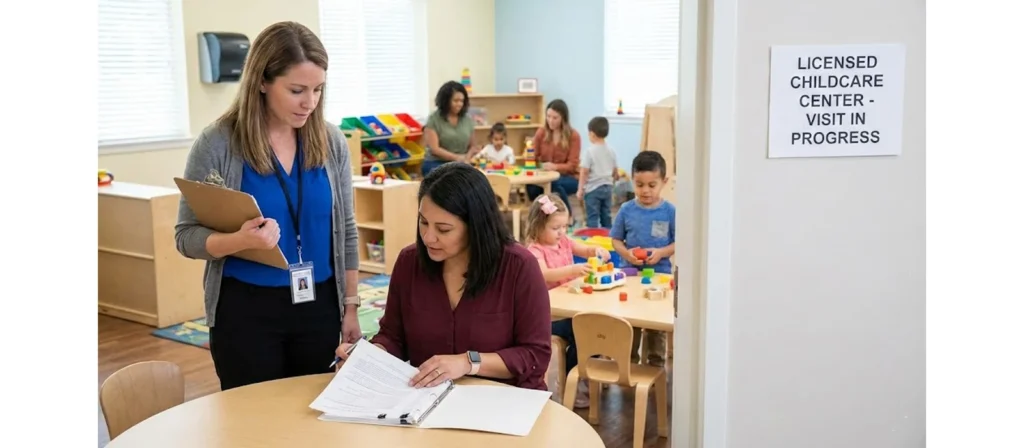
A childcare licensing inspection is a formal evaluation conducted by a state or local authority to verify that a daycare center or home-based provider complies with all mandated health, safety, and operational regulations. During the inspection, officials review facility conditions, staff qualifications, supervision ratios, cleanliness, meal practices, emergency procedures, and documentation such as attendance and incident reports.
These inspections are required for obtaining a new license, renewing an existing one, or responding to complaints. The process ensures that childcare providers consistently meet the legal standards necessary to operate safely and legally.
Why Preparation for a Childcare Licensing Inspection Matters?
State licensing inspections are designed to ensure that childcare programs consistently meet key health, safety, and operational standards. These checks serve as a safeguard for children’s well-being and confirm that providers maintain legally compliant environments.
By preparing in advance, you can identify and resolve potential issues before they lead to violations. Consistent readiness ensures a safer, more structured program. It also reduces inspection-related stress and positions your center as a reliable and professionally managed one.
A strong inspection history can influence enrollment. Many families research licensing records before choosing a provider. Maintaining full compliance strengthens your reputation and serves as a powerful trust signal for prospective parents.
Using structured tools, such as a comprehensive checklist, helps keep preparation manageable. A checklist enables you to systematically review every area of your operation, ensuring that nothing is overlooked and providing you with full confidence in your program’s readiness.
Understanding Licensing Requirements
Thoroughly understanding your licensing requirements is essential for a smooth and successful Childcare Licensing Inspection. The process starts with knowing exactly what standards apply to your program and ensuring your team is fully documented and qualified. Two critical areas require special attention:

Carefully Review the Latest Licensing Regulations
Licensing regulations are updated periodically, and using outdated guidelines is one of the most common causes of non-compliance. Make sure you are working with the most current version issued by your state or local licensing agency.
Steps to stay up to date include:
- Download the latest version of your region’s childcare licensing manual
- Subscribe to updates or newsletters from your local regulatory authority
- Attend orientation sessions, webinars, or training offered by the licensing agency
- Review how the rules apply to your specific program type (e.g., family childcare vs. center-based care)
Highlight high-risk areas such as supervision ratios, sanitation rules, and emergency preparedness procedures so you can focus your preparation efforts accordingly.
Verify Staff Records
One of the first things inspectors often request is access to your staff records. These must be complete, organized, and fully aligned with licensing requirements.
You should verify that your files include:
- Background check clearance and fingerprinting
- Up-to-date CPR and first aid certifications
- Documentation of required annual training hours
- Proof of education or credentials where required
- Health screenings or TB test results (if applicable)
Perform internal audits of your personnel files well before your inspection date. Missing or expired documentation is a common cause for licensing violations, even when day-to-day care is excellent.
Ensuring Safety and Emergency Preparedness
Preparing for a Childcare Licensing Inspection requires a systematic review of your facility’s safety measures and emergency protocols. Inspectors are trained to look for overlooked hazards, missing documentation, or vague emergency plans. A proactive approach ensures both compliance and true readiness in the event of an actual emergency.
Conduct a Full Walkthrough of the Facility
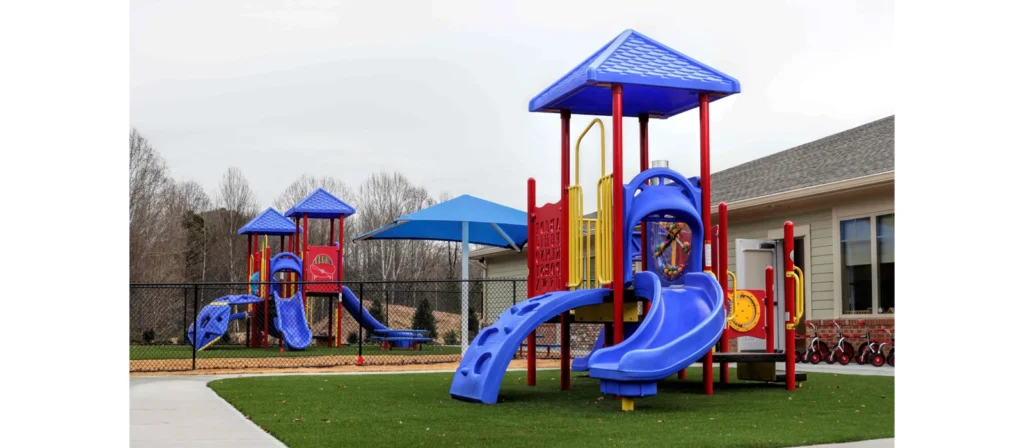
Start with a detailed inspection of every room, hallway, and outdoor space. Look for potential safety hazards that could lead to violations or harm to children. Common issues include:
- Uncovered electrical outlets
- Unsecured shelving or furniture
- Loose cords or tripping hazards
- Unsafe playground equipment
- Improper storage of cleaning supplies
Use a structured safety checklist and document the completion of your walkthrough. Correct any issues immediately and record your actions. This demonstrates both awareness and accountability.
Check All Safety Equipment
Licensing inspectors will check that all required safety equipment is present, functional, and easily accessible. Be sure to verify:
- Smoke detectors and carbon monoxide alarms are installed and tested
- Fire extinguishers are serviced and located according to regulations
- First aid kits are fully stocked in each classroom and activity area
- Emergency lighting and exit signage are in place and operational
Make testing and restocking part of your routine. Keep logs showing when each item was last inspected or replaced.
Review Emergency Procedures with All Staff
Even with the best safety setup, emergencies require clear, practiced responses. Every team member should know how to act in the event of a fire, severe weather, lockdown, or medical emergency. To ensure this:
- Hold regular emergency drills and log participation
- Review roles and responsibilities during emergencies
- Confirm that staff are trained in CPR, first aid, and basic response protocols
- Keep emergency contact lists updated and readily accessible
Emergency preparedness should be a team effort, not just a director’s responsibility. Well-trained staff contribute to a calm, effective response when needed and provide reassurance to families and inspectors alike.
Managing Records and Documentation Properly
Clear and accurate documentation is essential during a Childcare Licensing Inspection. Inspectors will evaluate how well your program maintains records and whether required notices are correctly displayed. A well-organized documentation system reflects a program that is compliant and professionally managed.
Review Child Files
Each enrolled child must have a complete and up-to-date file. These records should be well-organized and readily accessible. Be sure that every file includes:
- Enrollment forms and emergency contact details
- Immunization and health records
- Authorization for medical treatment
- Allergy or medication instructions, if applicable
- Signed parent agreements or policy acknowledgments
- Incident or behavioral reports, when relevant
Use a checklist to audit each file before your inspection, confirming that nothing is missing or outdated.
Verify Staff Files and Training Documentation
Staff files are often a key focus during inspections. Every file should confirm that the employee meets licensing requirements. Ensure that you have:
- Completed background check and fingerprint clearance records
- Current CPR and first aid certification
- Documentation of required annual training hours
- Proof of education or credentials, if applicable
- Records of health screenings or TB tests, if required by your state
All staff documentation should be current and stored in a central location for quick access during an inspection.
Display Required Notices
In addition to keeping internal files, your facility must display certain notices clearly and consistently. Depending on your licensing agency, required postings may include:
- Emergency evacuation routes
- Weekly menus and activity plans
- Group size and staff-to-child ratios
- Licensing certificates and contact information
- Most recent inspection summary or compliance status
These notices should be posted in visible locations such as entrances, classrooms, or parent information boards. Keeping displays updated is a simple but essential part of passing your inspection.
Preparing the Physical Environment
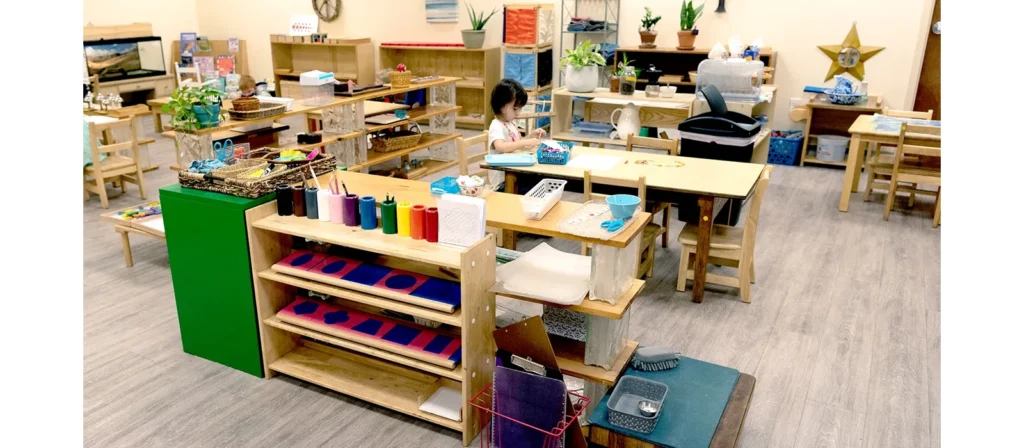
A well-maintained and properly equipped physical environment is a clear indicator of quality during a Childcare Licensing Inspection. Inspectors will carefully evaluate whether the facility is safe, functional, and sanitary for children and staff. Focus on the following areas to ensure your environment meets all expectations.
Restock Essential Supplies
Before the inspection, check inventory and replenish any supplies that are running low. This may include:
- Cleaning and sanitizing products
- First aid materials
- Paper towels, liquid soap, and gloves
- Diapering supplies and liners
- Disposable utensils and food service items if meals are provided
Keeping essential items fully stocked shows your program is ready to maintain safe operations at all times.
Inspect Toys and Learning Materials
Inspect all classroom tools and play materials to confirm they are safe and appropriate. Make sure that:
- Toys are clean, in good condition, and suitable for the age group
- Learning materials are well organized and accessible
- Art supplies and manipulatives are safe and intact
- Small or sharp items are kept out of reach of infants and toddlers
Clearly labeled storage bins and clean, orderly setups support both safety and instructional quality.
Maintain High Sanitation Standards
Hygiene is closely examined during any inspection. Special attention should be given to the following areas:
- Diaper changing stations must be cleaned after each use. Supplies should be within reach, and surfaces must be sanitized consistently.
- Food preparation zones should be separated from activity areas, and all surfaces kept clean. Staff must follow proper food handling procedures.
- Handwashing routines must be followed by staff and children. Visual guides should be posted, and sinks must be stocked with soap and paper towels.
Cleanliness and sanitation routines are essential for both regulatory compliance and the ongoing health of children and staff.
Last-Minute Preparation
Even with consistent preparation, the final days before a Childcare Licensing Inspection provide a valuable opportunity to address remaining details. These last checks can help identify minor issues, reinforce staff readiness, and ensure your facility is presented as safe, clean, and fully compliant.
Conduct a Final Walkthrough
Do a thorough walkthrough of the entire facility from the perspective of an inspector. Focus on the following:
- Cleanliness of all classrooms, restrooms, and common areas
- Safe and proper storage of cleaning products and hazardous items
- Required signage is posted, up to date, and clearly visible
- Emergency exits are unobstructed, and evacuation plans are easy to locate
Use your official inspection checklist to guide this review and resolve any issues as soon as they are identified.
Brief Your Staff
Gather your team for a short meeting to ensure everyone understands their role during the inspection. Remind staff to:
- Follow their usual routines calmly and professionally
- Speak accurately and honestly if asked questions
- Refer questions to the program director if they are unsure
- Maintain clean and orderly classroom spaces
Providing a simple checklist or script can help staff feel more confident and prepared.
Organize Your Documentation for Quick Access
Inspectors will likely ask to see specific documents. Make sure a complete and current set of records is assembled and easy to retrieve. Include items such as:
- Facility license and any recent inspection reports
- Staff and child records
- Emergency contact lists and procedures
- Cleaning and sanitation logs
- Training documentation and curriculum plans
Having everything in one place helps demonstrate that your program is well-managed and inspection-ready.
Other Considerations
While formal checklists and documentation are essential, successful preparation for a Childcare Licensing Inspection also depends on daily habits, mindset, and internal systems. These broader practices help ensure long-term readiness, not just short-term compliance.

Conduct Internal Self-Audits
Scheduling periodic self-audits is one of the most effective ways to maintain ongoing compliance. Set aside time monthly or quarterly to review key areas, such as:
- Staff files and training records
- Health and safety practices
- Classroom environments and cleanliness
- Emergency preparedness
- Documentation accuracy
Use your licensing agency’s checklist as a guide and keep records of each review. These self-assessments help identify small issues before they become official violations.
Integrate Compliance into Daily Routines
Treat compliance as part of your program’s daily operations, not just a special event. Build licensing requirements into your staff training, daily checklists, and classroom procedures. For example:
- Review health and safety standards during staff meetings
- Include sanitation and recordkeeping in opening and closing duties
- Rotate responsibilities for maintaining documentation accuracy
When compliance becomes routine, inspections are no longer disruptive. They simply confirm that your program is functioning as it should every day.
Be Prepared on the Day of the Inspection
On the day of the inspection, take time to walk through your space once more, review your materials, and check in with your team. Some helpful final steps include:
- Confirm that staff know their responsibilities and can locate key documents
- Verify that all notices and signs are posted correctly
- Do a quick check of cleanliness, classroom layout, and safety features
- Remain calm, professional, and responsive when the inspector arrives
By combining long-term systems with short-term attention to detail, you ensure your program is both inspection-ready and child-centered.
خاتمة
Preparing for a Childcare Licensing Inspection is not a one-time task. It is an ongoing commitment to quality, safety, and professionalism. From understanding regulatory requirements and maintaining organized documentation to creating a safe environment and ensuring staff readiness, each element plays a vital role in demonstrating your program’s compliance and care standards.
By embedding licensing expectations into daily operations and conducting regular internal reviews, your program stays ready for inspections while building a foundation for continuous improvement. Effective preparation supports smoother inspections, reduces stress, builds trust with families, and enhances the well-being of the children in your care.
When readiness is part of your everyday routine, inspections become opportunities to show the strength of your program. Make compliance a consistent practice, and your center will stand out for its reliability and commitment to excellence.

 Arabic
  English
  Korean
  Japanese
  Italian
  German
  Spanish
  French
  Thai
Thai