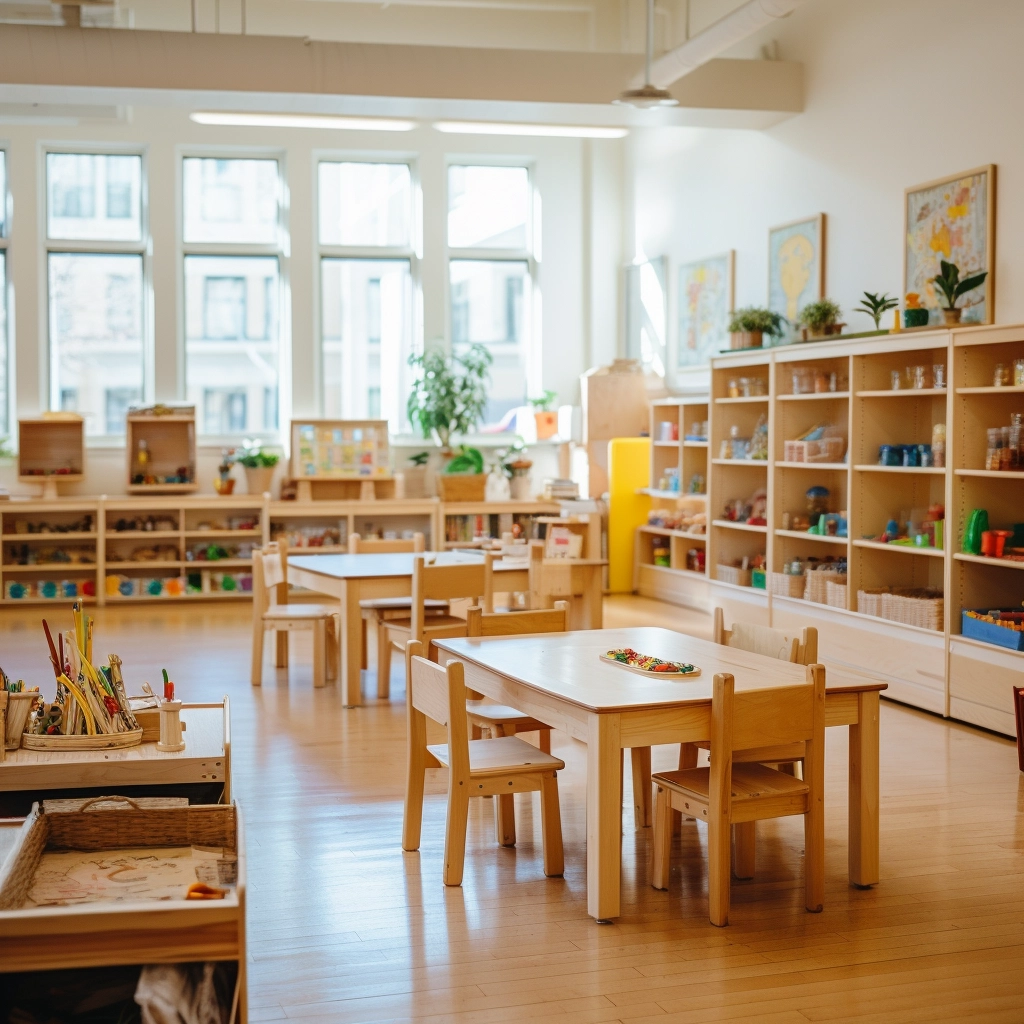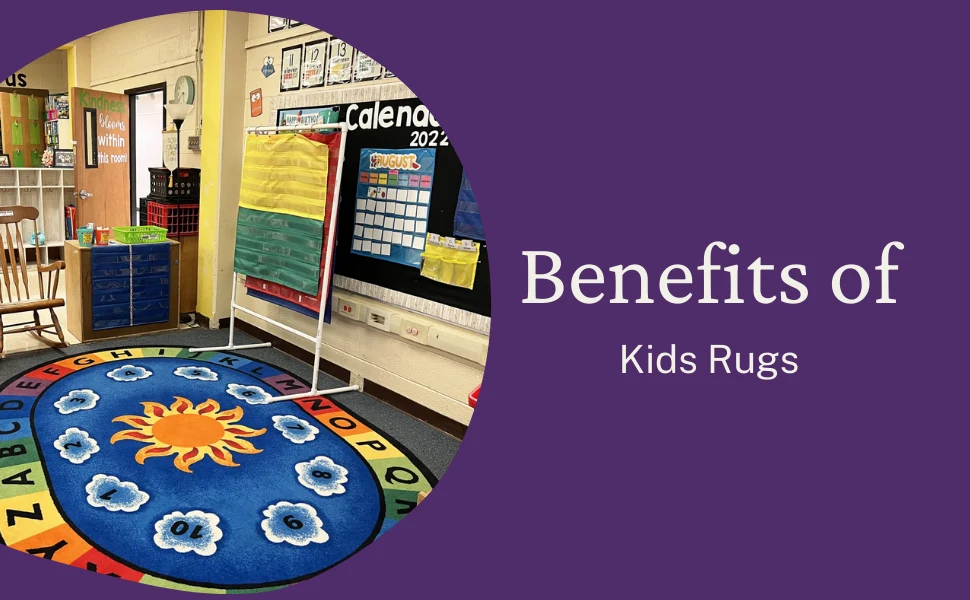
In many preschool classrooms, the rug is one of the most used surfaces in the room, yet it is often chosen last. Few schools pause to consider the real benefits of kids rugs in daily classroom life. It affects how children sit, how they transition, and how group time feels. When learning happens at ground level, the flooring is not background. It becomes part of the teaching environment.
Preschool classrooms are built around movement, interaction, and hands-on exploration. Children gather on the floor for circle time, collaborative play, and small-group instruction throughout the day. Because so much learning happens at ground level, the surface beneath them directly influences comfort, focus, and behavior.
For preschool owners and early learning planners, selecting the right kids rug is not a minor design decision. It is a strategic choice that affects safety, daily routines, supervision, and overall classroom structure.
How Kids Rugs Support Children’s Development in Preschool Classrooms?
Physical Safety Without Restricting Movement
In preschool environments, movement is constant. Children shift from floor play to group gathering, from kneeling to running, often within minutes. Hard surfaces increase the risk of slips and minor injuries. A properly secured kids rug does not eliminate accidents, but it softens impact and improves traction in ways that matter over the course of a full school year.
I have seen classrooms where a simple change in flooring surface reduced hesitation in younger toddlers who were still unsure on their feet. When children feel stable, they move more freely. That confidence influences how they explore.
Comfort also affects attention span. If the floor feels cold or unforgiving, children disengage more quickly during story sessions or collaborative activities.

Spatial Clarity Reduces Emotional Tension
Young children depend on visible structure. They do not always respond well to abstract instructions such as “sit closer together” or “stay in this area.” A rug solves that problem quietly.
The boundary is visible.
The gathering point is obvious.
Personal space becomes easier to understand.
When circle time consistently happens on the same rug, routines settle. Children anticipate where to go. Small conflicts over seating decrease because the space itself provides guidance. In active classrooms, that kind of environmental clarity lowers stress in subtle but meaningful ways.
A Platform for Hands-On Learning
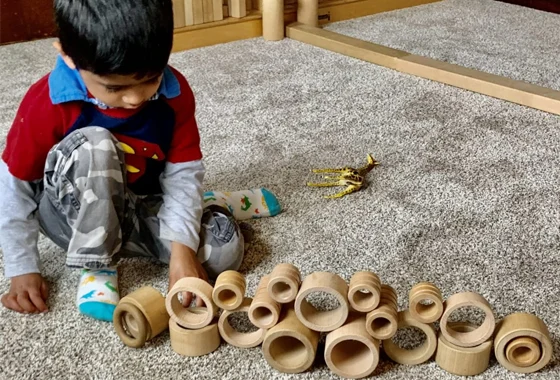
Early childhood education is grounded in tactile experience. Blocks, manipulatives, sorting trays, and dramatic play materials are used directly on the floor.
A durable classroom rug supports that reality without drawing attention to itself. Children kneel, stretch forward, lie on their stomachs to complete puzzles, and shift positions naturally.
There is a noticeable difference between learning on a hard floor and learning on a surface designed to accommodate movement.
Rugs also help contain activity zones. Materials remain visually anchored instead of spreading across the entire room. That containment helps children remain engaged within the task without feeling restricted.
Shared Space and Community Building
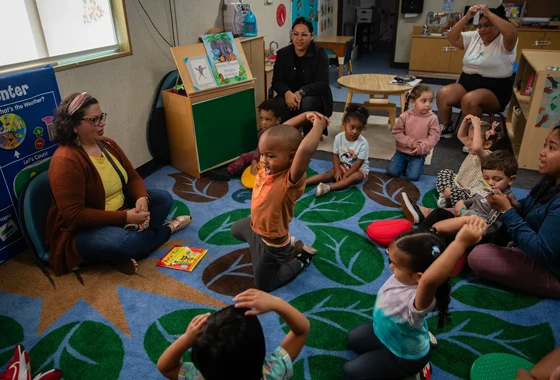
Many of the most meaningful preschool moments happen at ground level. Story time. Group discussion. Collaborative building projects.
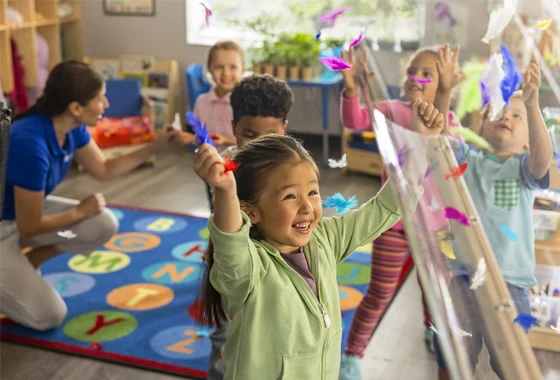
A well-sized rug becomes a shared platform. Teachers sit at eye level. Children gather within comfortable proximity. Interaction feels intentional rather than scattered.
Over time, the rug becomes associated with collective routines such as listening, talking, and problem solving together. It reinforces the idea that the classroom is a community space rather than a collection of separate individuals.
The Role of Kids Rugs in Classroom Organization and Instructional Flow?
Defined Areas Reduce Daily Redirection
In most preschool classrooms, time is lost in small moments. Children drift between areas. Materials spread. Transitions take longer than planned.
A clearly placed kids rug reduces that friction. When an activity consistently happens in the same physical location, expectations become easier to reinforce. Teachers do not need to constantly explain where circle time begins or where block play should remain. The space communicates it.
Over time, that visual consistency builds smoother routines. Fewer verbal corrections are needed. The room feels more intentional.
Improved Acoustic Comfort
Noise is part of early learning. The issue is not energy. It is echo.
Hard flooring reflects sound from chairs, footsteps, dropped manipulatives, and constant movement. Rugs absorb a portion of that impact. The change is gradual but noticeable across a full teaching day.
Teachers speak at a more natural volume. Small group conversations are easier to maintain. Children who are sensitive to overstimulation remain more regulated in environments that are not acoustically harsh.
This is rarely discussed when selecting classroom materials, yet it affects instructional clarity every day.
More Predictable Transitions
Transitions are often the most challenging periods in a preschool schedule. Moving from free play to group instruction, or from small-group work to clean-up time, can create instability if space is undefined.
A designated rug area provides a consistent gathering point. Children recognize it. They move toward it with less hesitation. The physical cue reduces the need for repeated instruction.
Consistency in layout supports consistency in behavior.
Flexible Use of Limited Space
Most early learning classrooms do not have excess square footage. Every area serves multiple purposes.
A well-sized rug can function as a circle-time space in the morning, a small-group instruction area in the afternoon, and a quiet reading zone later in the day. The furniture does not need to move. The rug defines the function of the space at that moment.
This flexibility allows teachers to adapt instruction without disrupting supervision lines or rearranging heavy materials.
What to Look for When Choosing Kids Rugs for Preschool Classrooms
Understanding the benefits of kids rugs is only the first step. Selecting the right rug for a preschool classroom requires practical judgment. Daily wear, supervision needs, and instructional goals should guide the decision, not appearance alone.
Durability for Daily Classroom Use
Preschool classrooms place steady physical demand on floor materials. Children kneel, shift positions, drag manipulatives, and move in groups throughout the day. A kids rug used in this environment should maintain its structure under repeated cleaning and high foot traffic. Reinforced edges and resilient fibers prevent premature curling or flattening, which can quickly turn into safety and maintenance concerns.
Stability and Slip Resistance
A classroom rug must remain in place. During transitions and active play, even slight movement can create instability. Non-slip backing or secure placement methods help maintain consistent positioning without constant adjustment. Stability allows children to move confidently and prevents teachers from interrupting instruction to correct shifting surfaces.
Ease of Cleaning and Long-Term Maintenance
Spills and debris are part of daily preschool routines. Art materials, snack crumbs, and outdoor dirt inevitably reach the floor. A rug that resists staining and allows straightforward vacuuming reduces ongoing operational strain. Over time, ease of maintenance affects not only appearance but also overall classroom hygiene.
Design That Supports Instruction
The visual design of a kids rug should reinforce organization rather than compete for attention. Subtle patterns or seating guides can help structure group activities, while overly busy graphics may distract from instruction. In well-designed classrooms, rugs complement the learning environment instead of dominating it.

Selecting the Right Rug Size for Circle Time and Activity Zones
Choosing the right material is important, but size and placement determine how effectively a kids rug functions within the classroom. An oversized rug can disrupt traffic flow, while one that is too small creates crowding and daily frustration. In preschool environments, proportion should be intentional.
Sizing for وقت الدائرة
For group gatherings, each child should have enough space to sit comfortably without overlapping personal boundaries. In practical terms, allowing approximately 18 to 24 inches per child helps prevent crowding and reduces minor seating conflicts. The rug should clearly define the gathering area while leaving walkway clearance around its perimeter so children are not stepping across seated peers during transitions.
Defining Activity Zones
In block or construction areas, the rug should be large enough to contain materials but not so expansive that it interrupts circulation. Smaller, purpose-defined rugs often work better than one large piece attempting to serve multiple functions. A well-proportioned rug visually anchors the activity without restricting movement.
Considering Supervision and Layout
Placement affects more than appearance. Rugs should align with clear sightlines and not create visual barriers when paired with shelving or storage units. Teachers must be able to monitor the entire classroom without obstruction. When size and placement are planned together, rugs reinforce the layout instead of complicating it.
Integrating Kids Rugs into Overall Classroom Layout Planning
In many preschool projects, rugs are treated as decorative elements and selected late in the process. That approach often leads to misaligned proportions, blocked walkways, and daily management inefficiencies. In practice, kids rugs should be considered part of the core layout strategy from the beginning.
When rugs are selected alongside shelving, storage units, and seating, they reinforce how each area is meant to function. A reading rug defines a quiet zone. A construction rug anchors block play. A properly sized circle-time rug supports full-group gathering without crowding or overlap. These are not aesthetic decisions. They are operational ones.
Layout success depends on proportion and alignment. Rugs must match activity zones, preserve circulation space, and maintain clear supervision lines. Oversized pieces disrupt traffic flow. Undersized rugs create tension during group activities. The right dimensions reduce daily friction and improve instructional consistency.
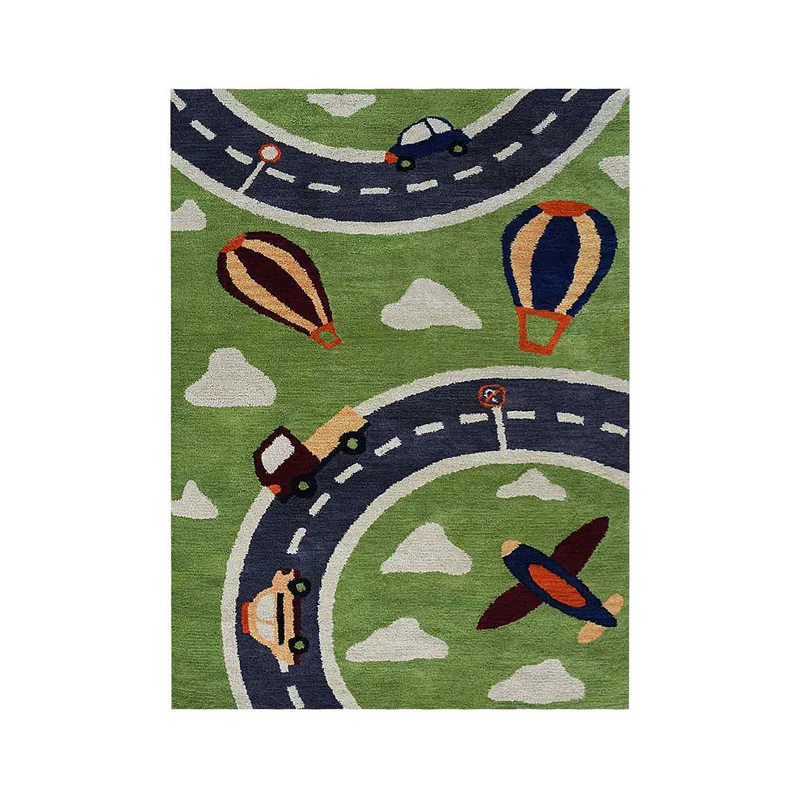
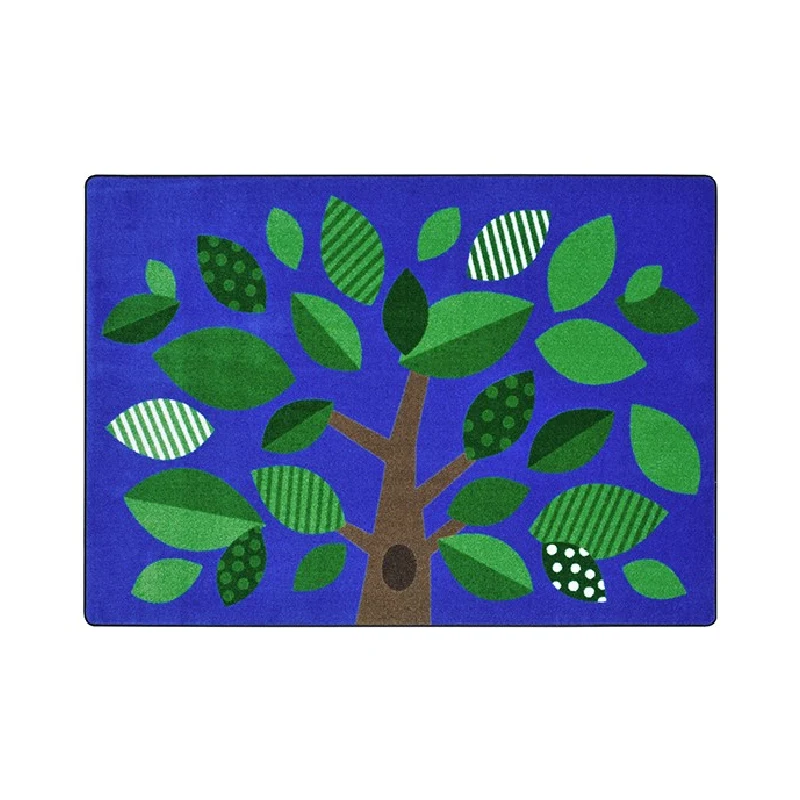
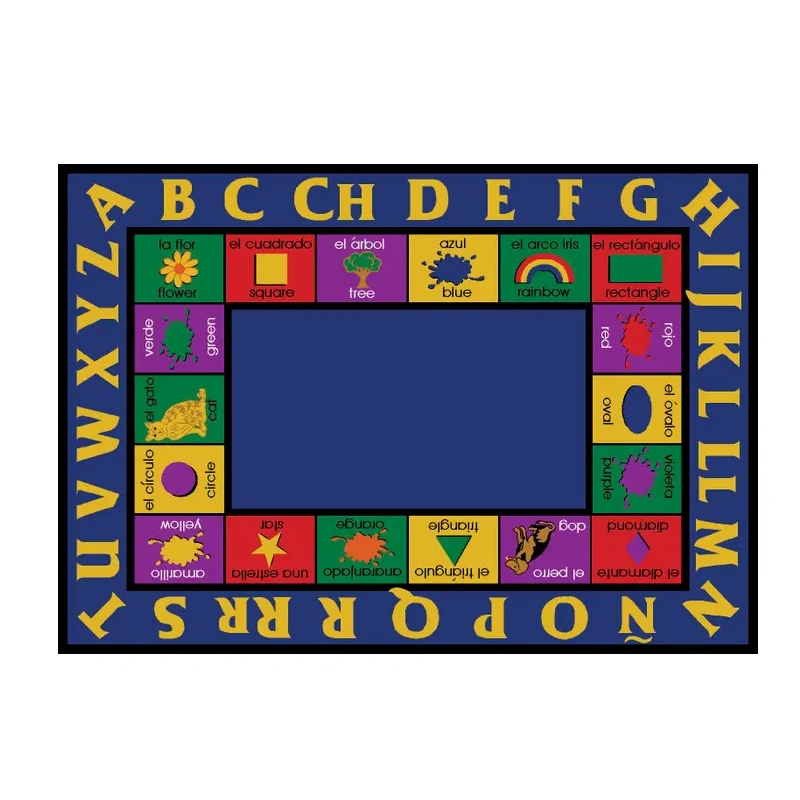
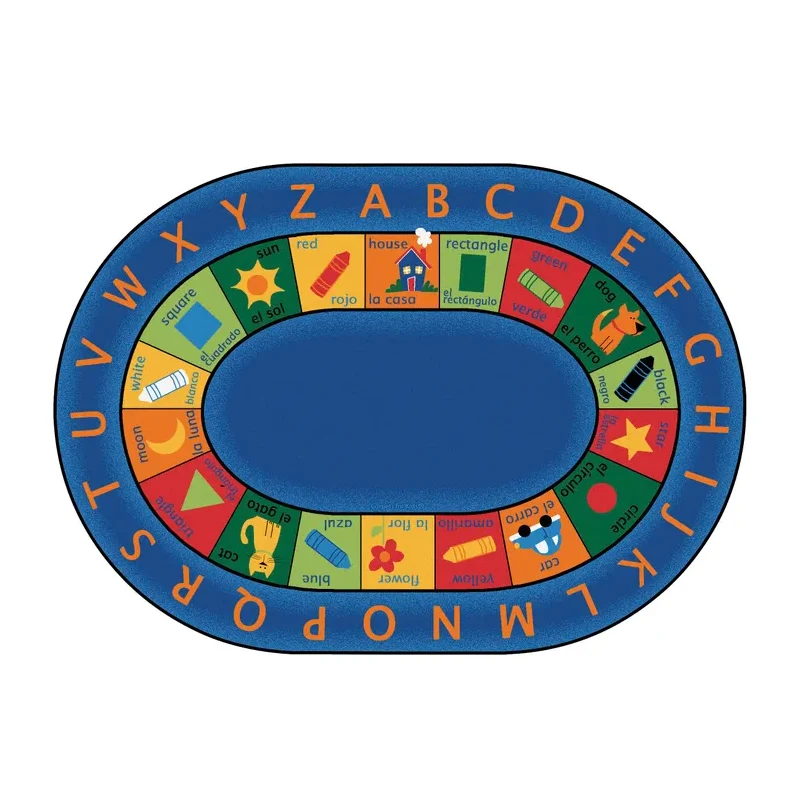
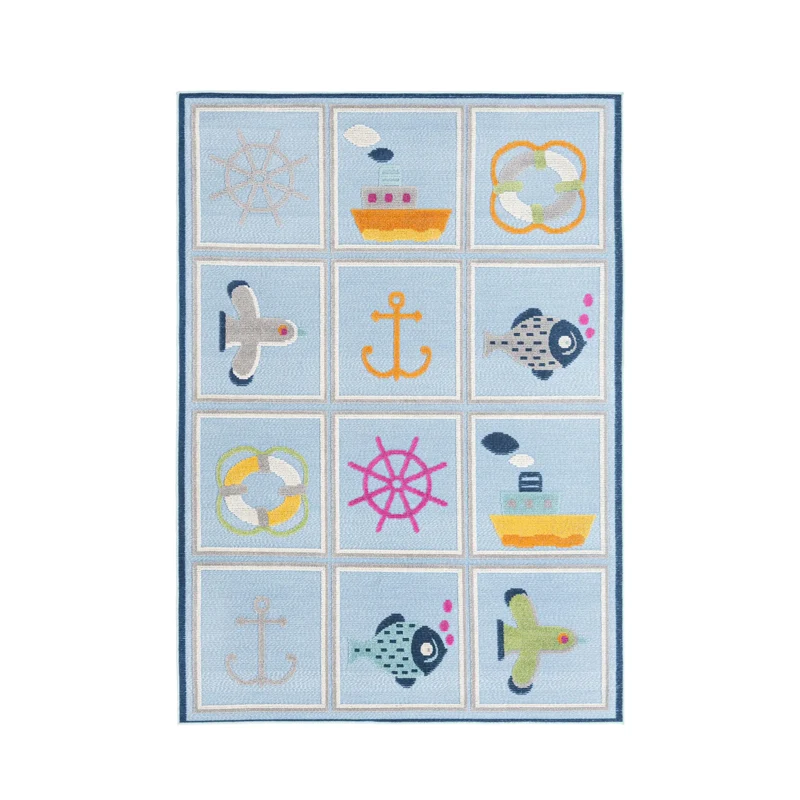
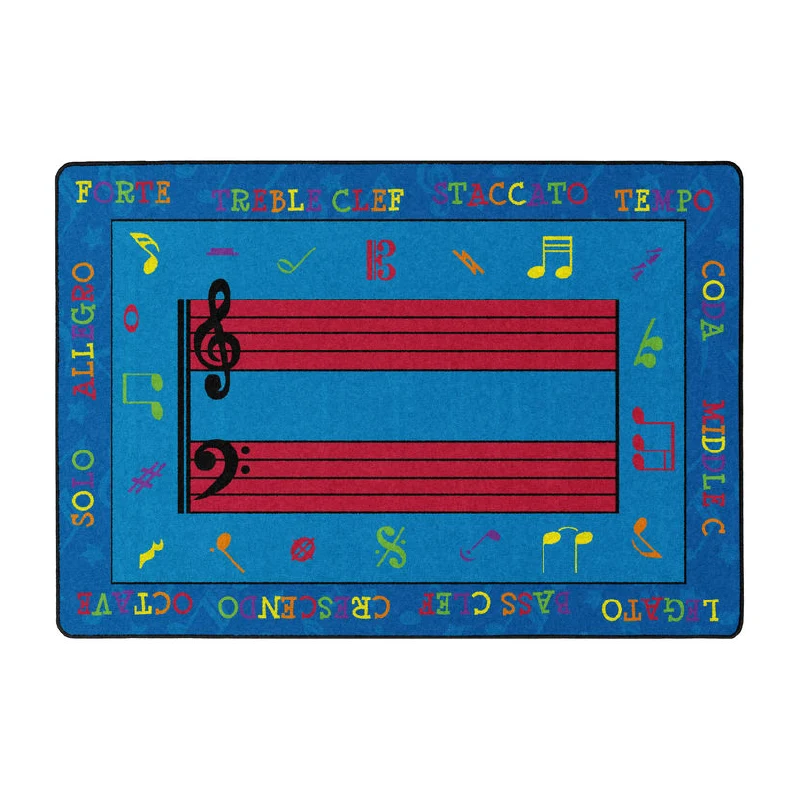
For programs planning new classrooms or upgrading existing ones, reviewing classroom-ready rug collections designed specifically for preschool use can simplify this process. Commercial-grade options that are sized for common activity zones and built for high-traffic environments integrate more smoothly into professional learning spaces.
You can explore preschool-focused classroom rugs here:
https://westshorefurniture.com/carpets-and-rugs/
Conclusion: Kids Rugs as Functional Classroom Infrastructure
In preschool classrooms, flooring is not a background decision. It influences how children move, how teachers manage transitions, and how learning spaces are defined throughout the day.
Kids rugs support physical safety, emotional stability, and hands-on exploration at ground level. They also simplify organization, improve acoustic comfort, and reinforce predictable routines. When selected thoughtfully, they contribute quietly but consistently to the overall structure of the classroom.
The most effective preschool environments are not built on decoration. They are built on intentional design choices that align space with learning goals. A well-chosen kids rug is one of those choices.

 Arabic
  English
  Korean
  Japanese
  Italian
  German
  Spanish
  French
  Thai
Thai