Choosing the best materials for playground equipment is one of the most important steps in creating a safe, durable, and enjoyable play area. The material used in a playground structure affects how well it performs outdoors, how much maintenance it needs, and how long it can handle daily use by children.
Different playground materials offer different benefits. Some are better for strength and long-term durability, while others are easier to clean, softer to touch, or more resistant to moisture and sunlight. This is why material choice should never be treated as a small detail in the planning process.
When the right materials are used, it becomes much easier to build durable playground equipment that can stand up to weather, frequent play, and long-term wear. In other words, the quality of the material often determines the quality of the entire playground.
Common Materials Used in Outdoor Playground Equipment
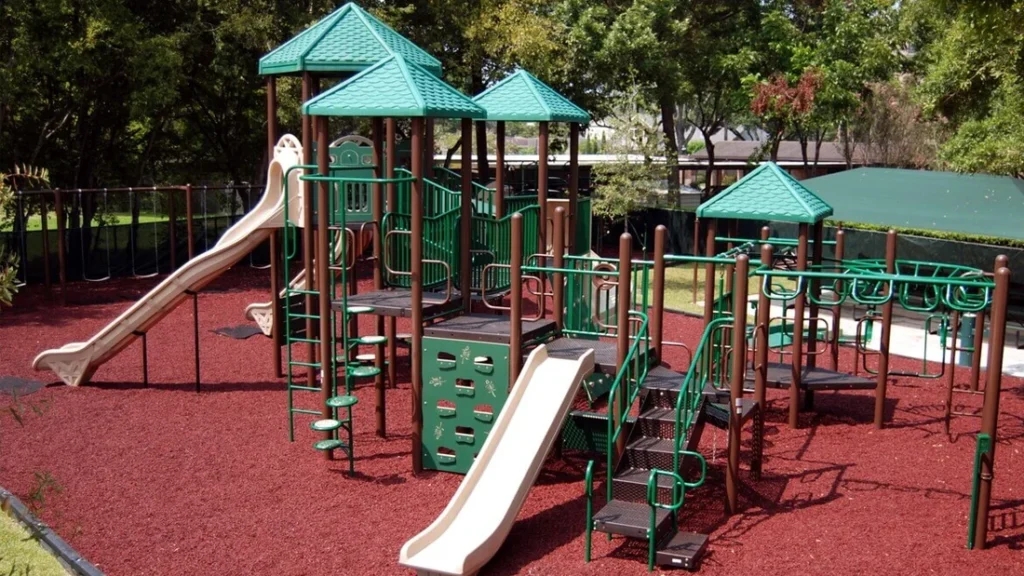
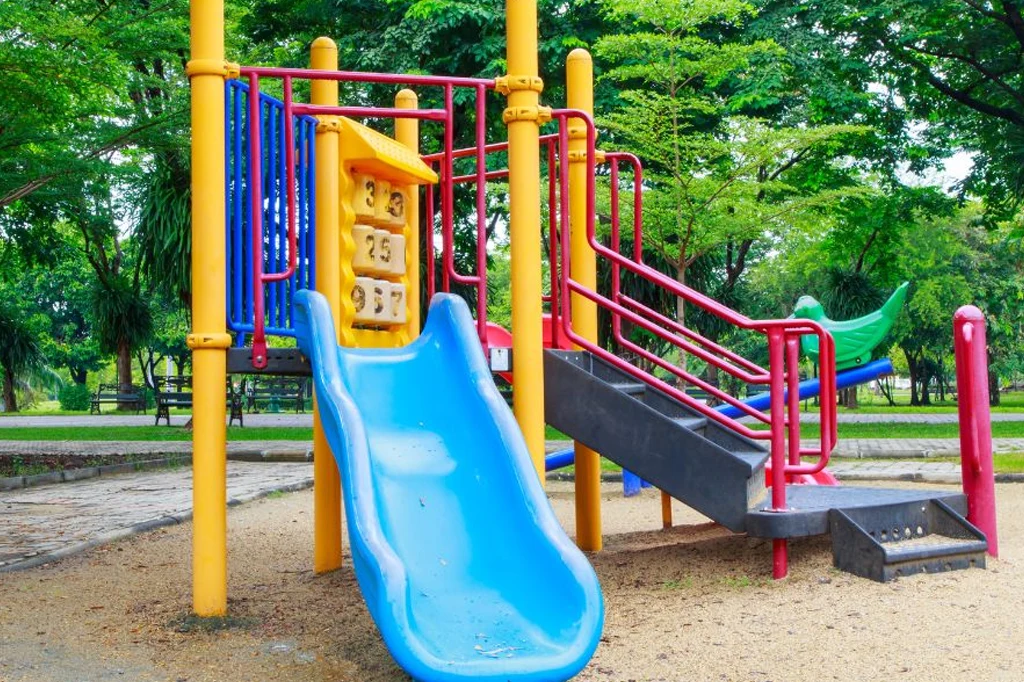
When people talk about the best materials for playground equipment, they usually focus on four main categories: metal, plastic, wood, and composite. These are the most widely used playground materials in modern outdoor play areas because each one offers a different balance of strength, safety, appearance, and maintenance needs.
Some materials are better for heavy-use public spaces, while others are more suitable for backyard play areas. Understanding the basic features of each option makes it easier to compare the best playground materials for your project.
معدن
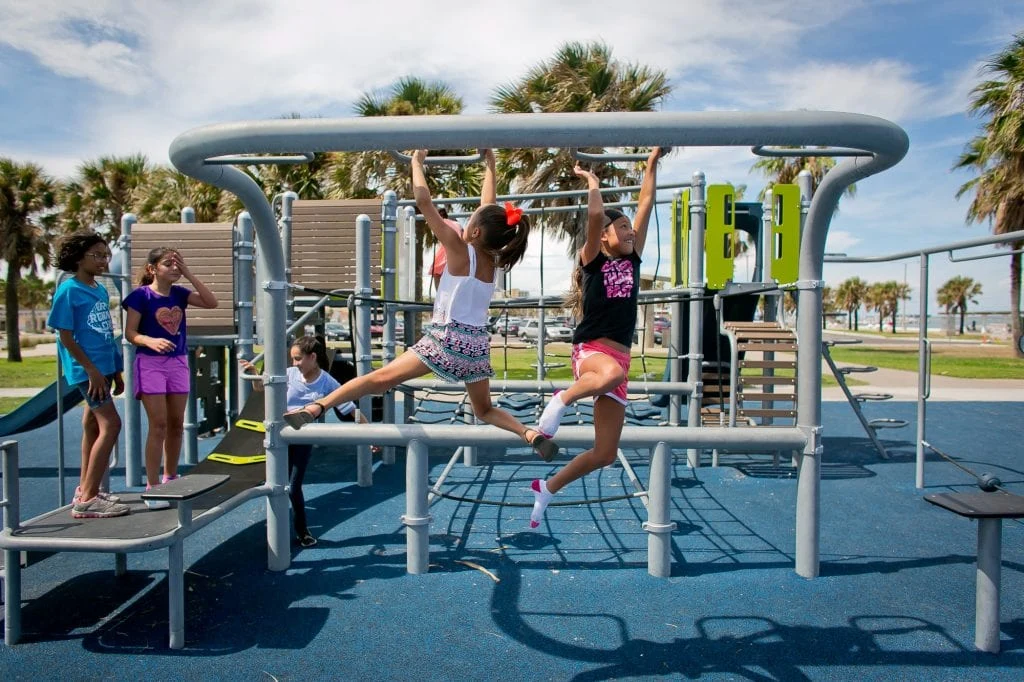
Metal is one of the most common choices for outdoor playground structures. It is known for high strength, solid structural support, and long service life. Galvanized steel and powder-coated metal are often used in commercial play systems because they can handle frequent use and harsh weather. However, metal surfaces may become hot in direct sun and may require protective coatings to resist corrosion over time.
Plastic
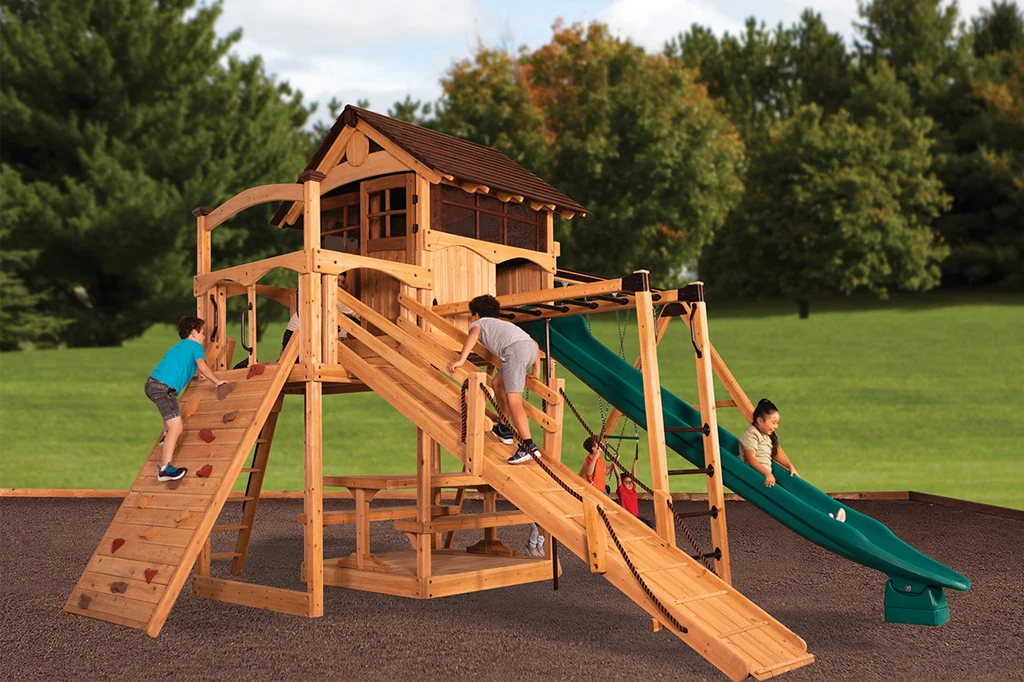
Wood remains a popular material for natural-looking playgrounds and backyard playsets. It offers a warm appearance and blends well with outdoor landscapes. Cedar and other treated woods are often selected for their resistance to insects and moisture. At the same time, wood usually needs more regular maintenance than plastic or metal, and it may wear faster if it is not properly sealed or cared for.
Wood
Metal is one of the most common choices for outdoor playground structures. It is known for high strength, solid structural support, and long service life. Galvanized steel and powder-coated metal are often used in commercial play systems because they can handle frequent use and harsh weather. However, metal surfaces may become hot in direct sun and may require protective coatings to resist corrosion over time.
Composite
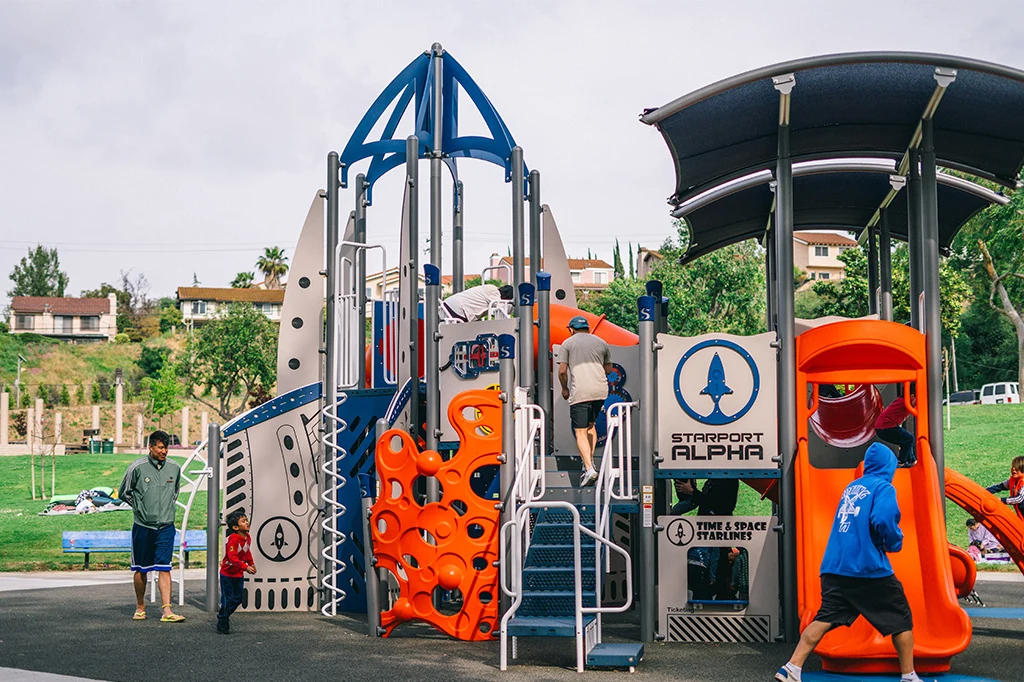
Composite playground equipment has become more popular in recent years because it combines durability with lower maintenance. Composite materials are often designed to resist moisture, rot, splintering, and weather-related damage better than traditional wood. They can also provide a clean and modern appearance. The main limitation is that composite products may cost more upfront than some standard materials.
Pros and Limits of Metal, Plastic, Wood, and Composite
To understand the best materials for playground equipment, it is not enough to know the common material types. What matters more is how these materials compare in real outdoor use. The table below highlights the main differences among the most widely used playground materials.
Comparison of common playground construction materials
| Material | Best for | Key advantage | Main limitation |
|---|---|---|---|
|
معدن
|
High-traffic playgrounds |
Excellent strength and structural stability
|
Can heat up in direct sun
|
|
Plastic
|
Slides & child-friendly features |
Smooth surface and low maintenance
|
May fade or weaken over time
|
|
Wood
|
Backyard & natural-style areas |
Warm appearance and classic look
|
Needs more upkeep outdoors
|
|
Composite
|
Low-maintenance outdoor systems |
Resists rot, splintering, and moisture
|
Higher initial cost
|
The biggest strength of metal is load-bearing performance. It is often used where durable playground equipment is needed for frequent daily use. Plastic performs well in activity zones where comfort, color, and easy cleaning matter more. Wood appeals to buyers who want a more natural design, while composite offers a practical middle ground for those who want the look of traditional materials with less maintenance.
From a long-term perspective, each option solves a different problem. Metal supports strength, plastic improves user comfort, wood adds visual warmth, and composite playground equipment reduces maintenance pressure. This is why the best playground materials are usually chosen based on the setting, the expected level of use, and the amount of maintenance the owner can manage.
Safety and Maintenance Factors to Consider
When comparing the best materials for playground equipment, safety and maintenance should always be part of the decision. A material may look strong or attractive at first, but it also needs to stay safe after long-term outdoor exposure and repeated daily use. The most reliable playground materials are the ones that support both child safety and manageable upkeep over time.
Surface Temperature and Sun Exposure
One of the most important safety concerns in outdoor playgrounds is how hot a material becomes under direct sunlight. Metal surfaces can heat up quickly, especially in warm climates, which may create discomfort or even burn risks. Some plastics also absorb heat, though they are often less extreme than exposed metal. When selecting the best materials for playground equipment, it is important to consider local weather conditions and how much direct sun the equipment will receive throughout the day.
Splintering, Cracking, and Edge Safety
Materials should remain smooth and safe to touch even after years of use. Wood can splinter if it dries out, ages poorly, or is not properly sealed. Plastic may crack or become brittle in harsh outdoor conditions, while metal can develop sharp edges if coatings wear down or damage is not repaired in time. This is why the best playground materials are not only strong when new, but also stable and safe as they age.
Moisture Resistance and Corrosion Protection
Outdoor playgrounds are constantly exposed to rain, humidity, and changing temperatures. If materials absorb too much moisture or lack protective treatment, they may weaken over time. Wood may rot, metal may rust, and lower-grade materials may show structural wear more quickly. Choosing durable playground equipment often means choosing materials that are designed to resist corrosion, rot, and moisture-related damage in real outdoor environments.
Cleaning, Inspection, and Routine Upkeep
Maintenance affects both performance and safety. Playground equipment should be easy to inspect, clean, and repair when needed. Plastic and composite surfaces are usually easier to wash and maintain, while wood often needs more frequent sealing or treatment. Metal may require occasional coating checks to prevent rust. In many cases, the best materials for playground equipment are the ones that keep maintenance simple without sacrificing long-term reliability.
Long-Term Safety Under Daily Use
A material that performs well for a short period may not remain safe after years of climbing, sliding, and repeated impact. High-traffic playgrounds need materials that can keep their shape, strength, and surface quality over time. This is especially important in schools, parks, and commercial settings where the equipment is used every day. The most effective playground materials are those that continue to meet safety expectations even under heavy use.
How to Choose the Best Materials for Playground Equipment
Choosing the best materials for playground equipment is not about finding one material that works in every situation. The better approach is to compare different playground materials based on the real needs of the project. Age group, climate, maintenance, budget, and safety all affect which option will perform best over time.
User Age
Different age groups place different demands on playground equipment. Younger children usually need smoother surfaces, lower-impact features, and materials that feel safer during close contact. That is why plastic is often used in early childhood play areas. Older children are more active and place greater stress on structures, so stronger materials such as metal, wood, or composite playground equipment may be more suitable.
Local Climate
Outdoor conditions can change how well a material performs. In hot climates, metal can become uncomfortable in direct sun. In wet or humid areas, wood may need more protection against moisture. Strong sunlight can also affect some plastics over time. When choosing the best materials for playground equipment, local weather should always be treated as a practical part of the decision.
Maintenance Needs
Some materials are much easier to maintain than others. Wood often needs sealing and regular inspection, while metal may require coating checks to prevent corrosion. Plastic is usually easy to clean, and composite is often chosen for its lower maintenance demands. In many cases, durable playground equipment depends not only on material strength, but also on whether the owner can maintain it properly.
Project Budget
Budget matters, but the lowest upfront cost is not always the best choice. Some materials may be cheaper to install but require more repairs or replacement later. Others may cost more at the start but offer better long-term value through lower upkeep and longer service life. This is why comparing best playground materials should include both purchase cost and future maintenance costs.
Safety Standards
Safety should remain the final filter in every material decision. The right material should stay smooth, stable, and reliable after repeated outdoor use. It should not easily splinter, crack, overheat, or develop sharp edges. The best materials for playground equipment are the ones that continue to support safe play long after installation.
Plan Your Outdoor Playground with West Shore Furniture
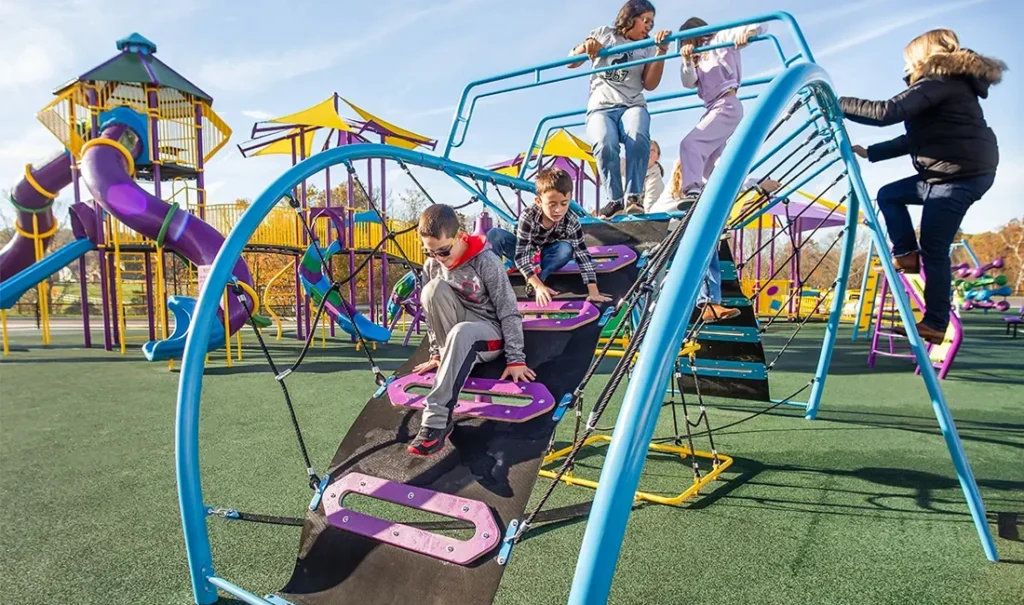
The right materials make a big difference in how a playground looks, performs, and lasts. Strong, safe, and weather-ready materials can reduce maintenance, improve daily use, and support better long-term value.
في أثاث ويست شور, we help customers create outdoor playground spaces built for real use. Whether you need a solution for a backyard, school, park, or commercial setting, our team can help you choose options that fit your space, budget, and goals. Explore أثاث ويست شور to find outdoor playground solutions designed for durability, safety, and lasting performance.

 Arabic
  English
  Korean
  Japanese
  Italian
  German
  Spanish
  French
  Thai
Thai