If you are trying to figure out how to encourage kids to read in ECE, it helps to stop asking why children are not interested and start looking at what the reading experience feels like from their side. In most early years classrooms, children do not avoid books because they dislike stories. They pull away when reading feels too passive, too long, or too controlled for their age.
What usually works is much more practical than people expect. Children are more likely to engage with books when they can reach them on their own, choose what interests them, and take part in the reading instead of just sitting through it. The teacher’s delivery matters. The setup of the reading area matters. Timing matters too. In real classrooms, these details often make more difference than buying more books or planning longer story sessions.
So when we talk about how to encourage kids to read in ECE, the real focus is not simply on reading more. It is on making reading easier to enter and more rewarding to stay with. The sections below look at why reading matters in early childhood, what tends to work in practice, and which common mistakes make children lose interest faster.
Why Reading Matters in Early Childhood Education?
Language Growth
Reading gives children more usable language. In early years classrooms, that shows up in simple but important ways: children describe their play more clearly, retell events with better sequence, and start using words they first heard in books. They may not be reading independently yet, but they are already learning how language sounds, how stories move, and how words help them express what they mean.
Attention
Reading helps children build attention, but only when the experience is handled well. A good story session teaches them to follow an idea, notice details, and stay with a sequence from beginning to end. That is very different from forcing them to sit quietly for too long. In practice, children focus better when they are involved, curious, and expecting something to happen next.
Emotional Understanding
Books are one of the easiest ways to help young children make sense of feelings. A story can open up conversations about fear, frustration, friendship, jealousy, or kindness without putting pressure directly on the child. In a real classroom, that is useful. It is often much easier to talk about a character’s problem first, then help children connect it to their own behavior or emotions.
Classroom Rhythm
A strong reading routine changes the pace of the classroom in a good way. Early years settings are active by nature, and they should be, but children also need moments where the group slows down and shares attention around something meaningful. Reading often works well after outdoor play, before lunch, or during transitions because it gives the room a more settled rhythm without making it feel flat.
Learning Mindset
Children who have good early experiences with books often approach learning with more confidence. They get used to asking questions, listening closely, and staying curious about what comes next. That matters in ECE because the goal is not only to teach reading skills. It is also to help children feel that learning is something enjoyable and worth engaging with.
How to Encourage Kids to Read in ECE?
Make Books Easy to Reach
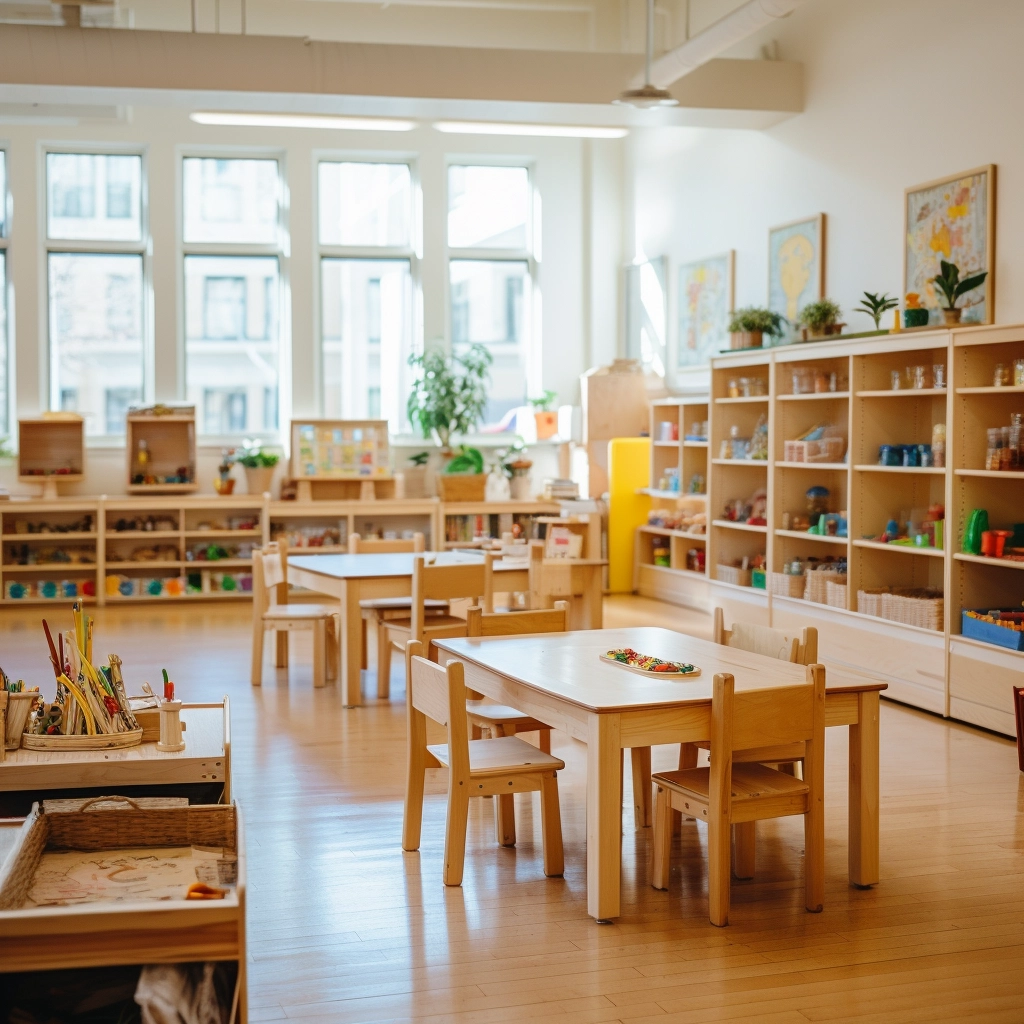
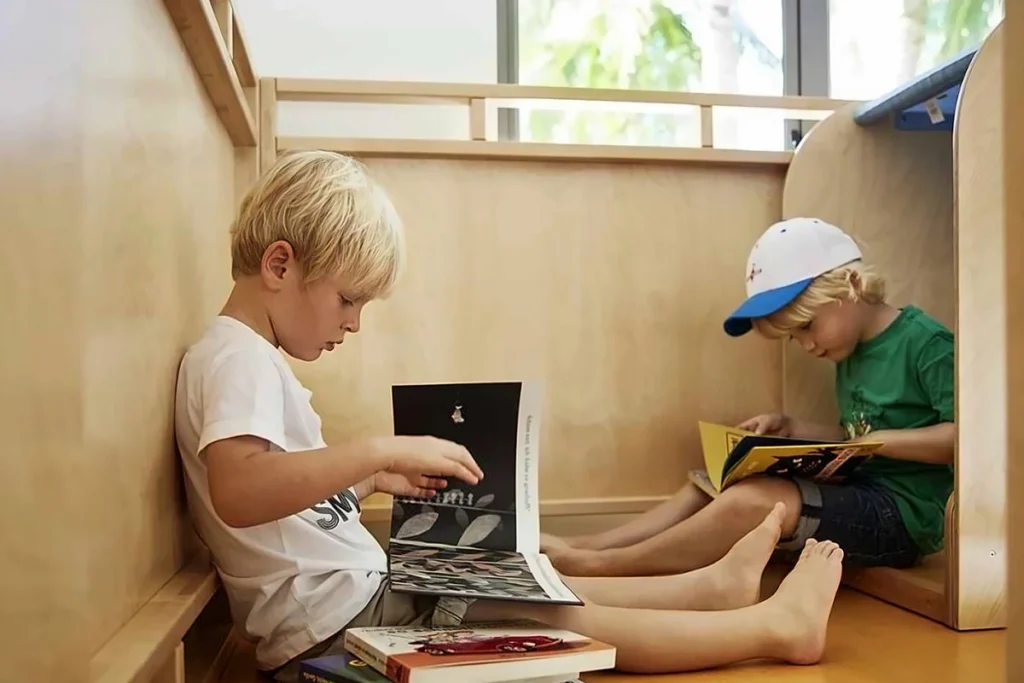
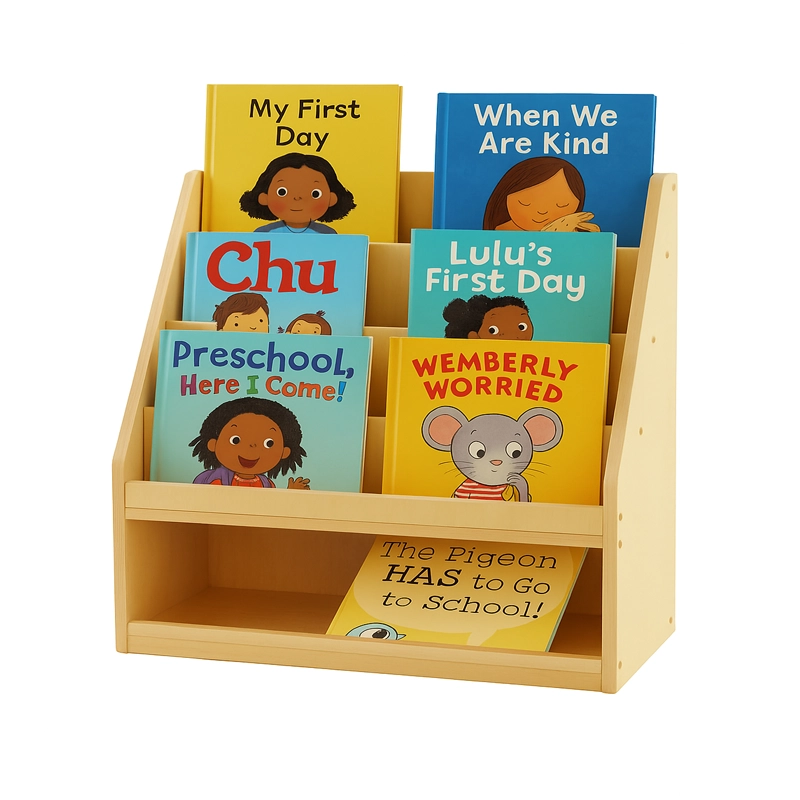
If children have to wait for an adult every time they want a book, reading stays in adult hands. In most ECE classrooms, the easier books are to see and reach, the more often children go to them on their own. Low shelves work better than high storage. Front-facing covers work better than packed bins. A reading area children can walk into without permission usually gets used more than one that looks neat but feels controlled.
Let Children Choose
A lot of adults interfere too quickly with book choice. They worry a child is picking the same title too often or not choosing something “educational enough.” In practice, choice is one of the easiest ways to build interest. When children can return to books they already like, they stay with reading longer and enter the story with more confidence. I would much rather see a child deeply engaged with one familiar book than half-listening to something chosen entirely by the adult.
Read With Energy
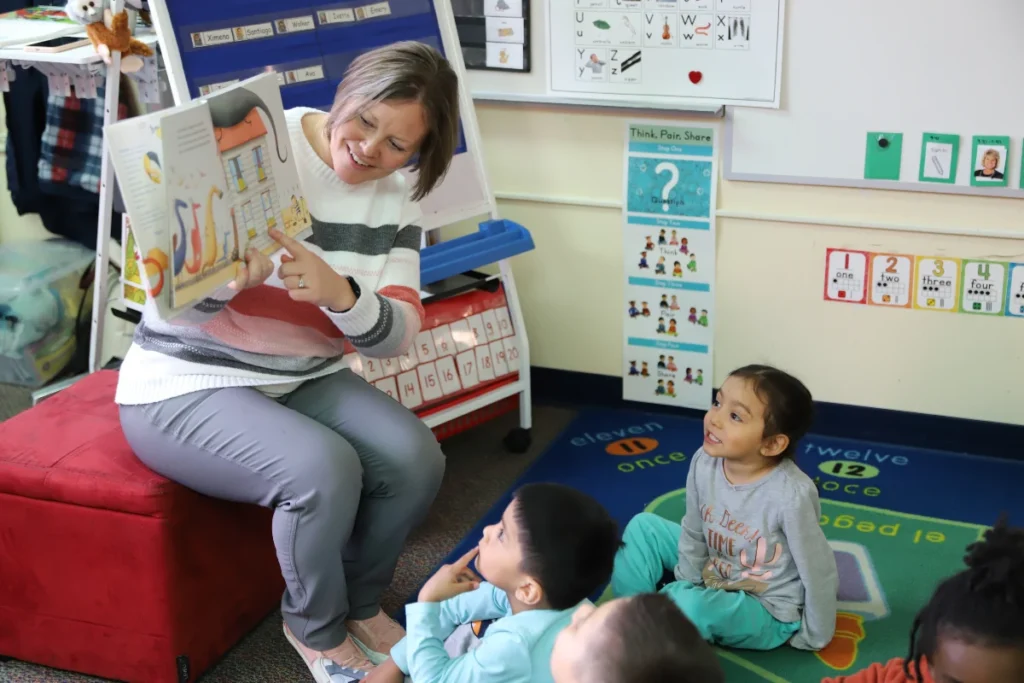
Some books fail in the room not because the book is weak, but because the read-aloud is flat. Young children respond to timing, expression, and variation much more than adults sometimes realize. A short pause before turning the page, a different voice for one character, or a simple look that invites children to guess what comes next can hold attention far better than reading every line in the same tone. You do not need to perform, but you do need to sound like the story matters.
Keep It Interactive
If reading only asks children to sit still and listen, many of them will drift off. In early years settings, attention improves when children have something small but real to do. They can repeat a phrase, point to a picture detail, guess what happens next, or help turn the page. These are simple moves, but they change the feel of the session. The child is no longer just receiving the story. They are inside it.
Match the Book to the Age
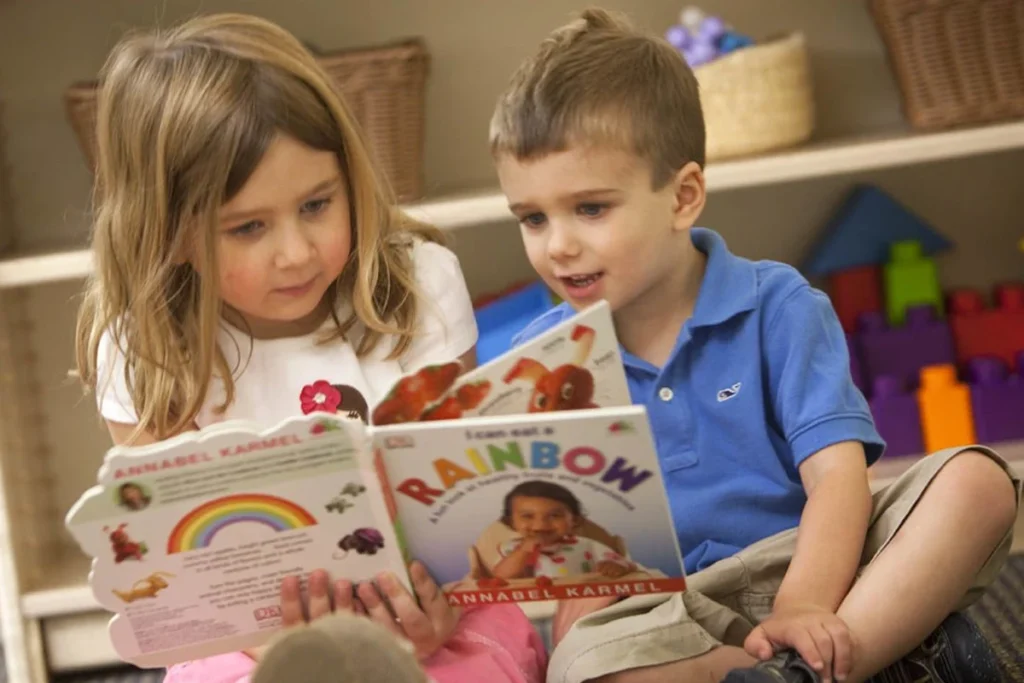
A lot of “children are not interested” problems are really book-matching problems. Two-year-olds usually need shorter text, stronger pictures, and repetition they can latch onto quickly. Older preschoolers can handle more sequence and a little discussion. When the book is too wordy, too abstract, or too far from the group’s level, attention drops fast. I would check the book choice before I blamed the children.
Use Repetition Without Worry
Many teachers switch books too quickly because they assume repetition means children are no longer learning. In reality, repeated reading is often where real engagement starts. By the second or third reading, children begin joining in, anticipating key moments, and noticing details they missed the first time. That is not boredom. That is familiarity doing its job.
Build Reading Into the Day
When reading only happens during one fixed story block, it can start to feel like a task. It usually works better when books appear naturally across the day. A short story before a transition, a familiar book after outdoor play, or a book that introduces the week’s theme can all work well. These smaller reading moments are often easier for children to stay with, and they make books feel like part of classroom life rather than a separate activity.
Create a Reading Corner That Feels Used
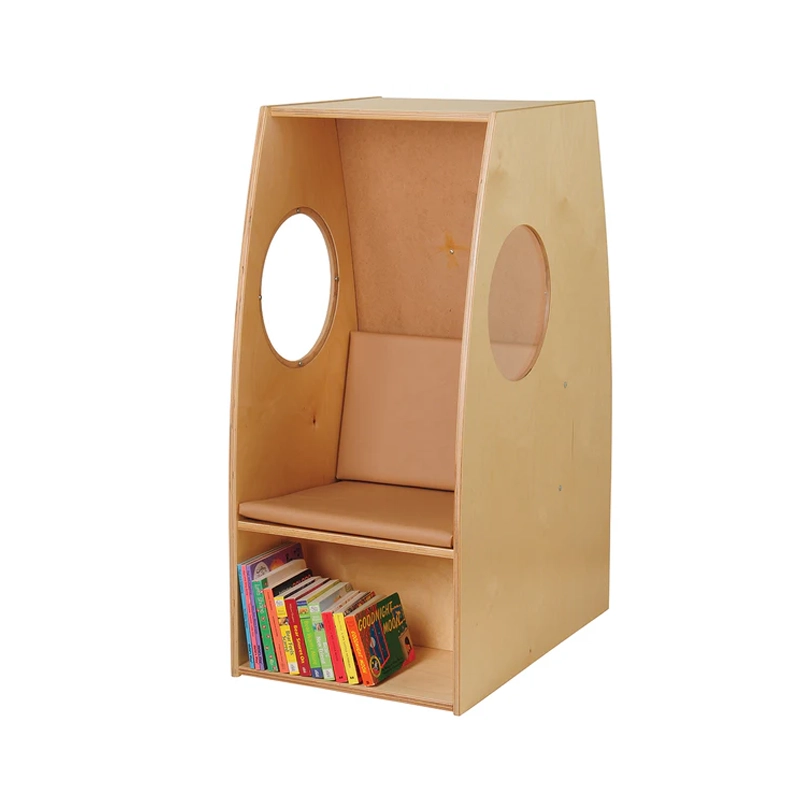
Some reading corners look lovely but barely function. They are tidy, well styled, and almost untouched. Children usually respond better to spaces that feel open and usable rather than perfect. A soft rug, a few cushions, low shelves, and books displayed at eye level often do more than elaborate decoration. If the space invites children to settle in and browse freely, it is doing its job.
Involve Families Simply
Family support matters, but it has to be realistic. Long reading plans and detailed instructions are often too much for busy parents. A simpler approach works better: suggest ten minutes with a book, let the child choose it, and keep the experience relaxed. When reading at home feels easy instead of pressured, children are more likely to carry that positive feeling back into the classroom.
Notice What Children Respond To
Not every child connects with books in the same way. Some love funny stories. Some respond to books about real life. Some need to watch from the edge of the group before joining in. The best reading practice often comes from noticing these patterns and adjusting accordingly. In real classrooms, observation beats assumptions almost every time.
Popular Products



Common Mistakes to Avoid When Encouraging Reading
Pushing Too Early
One of the fastest ways to lose interest is to push reading too early or too hard. Asking young children to sit still, listen quietly, and “focus” for long periods usually backfires. They may comply for a few minutes, but the experience becomes something they tolerate rather than enjoy. In early years, once that feeling sets in, it is hard to reverse.
Turning Reading Into a Task
When reading starts to feel like something children have to complete, the energy shifts. You can see it in their body language. They stop responding, stop asking questions, and wait for it to end. This often happens when teachers follow a rigid routine without adjusting to the group. A bit of structure helps, but too much control takes away the natural curiosity that reading depends on.
Overcomplicating the Setup
Some classrooms invest a lot into creating a “perfect” reading corner, but children still do not use it. The issue is not the lack of furniture or decoration. It is usually that the space does not feel part of the daily flow. If children only go there when told, the setup is not doing its job. A simpler space that children use freely is almost always more effective than a well-designed area that stays empty.
Changing Books Too Often
There is a tendency to keep introducing new books to keep things “fresh,” but this can work against how young children learn. When books change too quickly, children do not get the chance to build familiarity. They need repetition to feel confident, to join in, and to understand the story more deeply. Rotating too fast often keeps everything at a surface level.
Ignoring Individual Differences
Not every child will respond to reading in the same way or at the same pace. Some children sit close and engage immediately. Others watch from a distance before joining in. If the expectation is that everyone participates in the same way, some children will always seem disengaged. In practice, giving them space often works better than pushing them to join before they are ready.
خاتمة
If you want children to read more in ECE, I would look at the classroom before blaming the child. In many cases, the problem is not that children are not interested in books. The problem is that reading has been made too passive, too controlled, or too separate from the rest of the day. Once books are easier to reach, stories are read with more life, and children are given room to respond in their own way, reading usually becomes much easier to build into the classroom.
What makes the biggest difference is not usually a big change. It is the small decisions that shape the experience. The books are placed where children can actually get to them. The reading corner feels like somewhere they can stay for a while. The teacher notices which stories get real interest and uses that instead of pushing what looks good on paper. That is what tends to work in practice. When reading feels natural in the room, children stop treating it like a task and start treating it like part of how they learn.
الأسئلة الشائعة
How long should reading time be in ECE?
Usually shorter works better. For younger children, even five to ten focused minutes can be enough if the book is a good fit and the teacher reads it well. Once a session goes on too long, the group often starts to drift. It is better to end while children are still interested than to keep going until everyone is restless.
What if children only want the same book again and again?
That is usually a good sign, not a problem. Repetition helps children feel confident with stories. They begin to predict lines, notice details, and join in more naturally. Adults often get tired of repeated books much faster than children do. In most cases, there is no need to rush them onto something new.
What should teachers do when children will not sit for story time?
I would stop focusing on getting them to sit perfectly and look at the setup instead. The book may be too long, the timing may be wrong, or the reading style may be too flat for the group. Sometimes the easiest fix is to make the session shorter, choose a stronger book, and give children something to do while listening, such as repeating a phrase or pointing to details on the page.

 Arabic
  English
  Korean
  Japanese
  Italian
  German
  Spanish
  French
  Thai
Thai