In every preschool classroom, challenging behavior is part of the day. A child may grab a toy, throw materials, leave circle time, or start yelling when something feels frustrating. These moments can happen quickly, and teachers often need to respond just as quickly.
That is why redirecting behavior is such a useful strategy in early childhood settings. Instead of only telling a child to stop, teachers guide them toward a safer and more appropriate action. This helps children settle down, stay involved in the classroom, and begin learning better ways to respond.
What Is Redirecting Behavior?
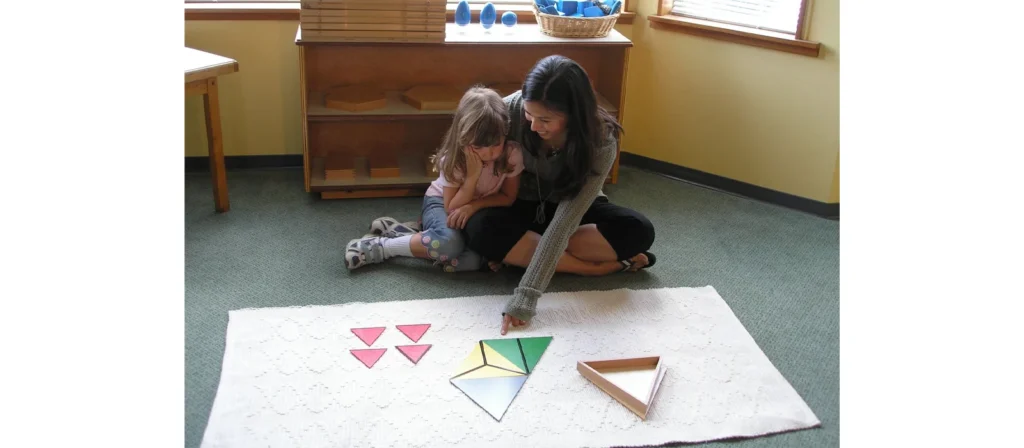
Redirecting behavior is a way to guide a child from a challenging behavior to a more appropriate one. Instead of only telling the child to stop, the teacher helps them shift to a safer, calmer, or more useful action. In simple terms, the redirecting behavior definition is helping a child move from problem behavior to better behavior.
Teachers often use redirection when a child is doing something inappropriate, disruptive, harmful, or unsafe. For example, a child may be throwing toys, grabbing materials, shouting, or bothering other children during an activity. In these situations, redirection helps stop the behavior early and prevents the problem from getting bigger.
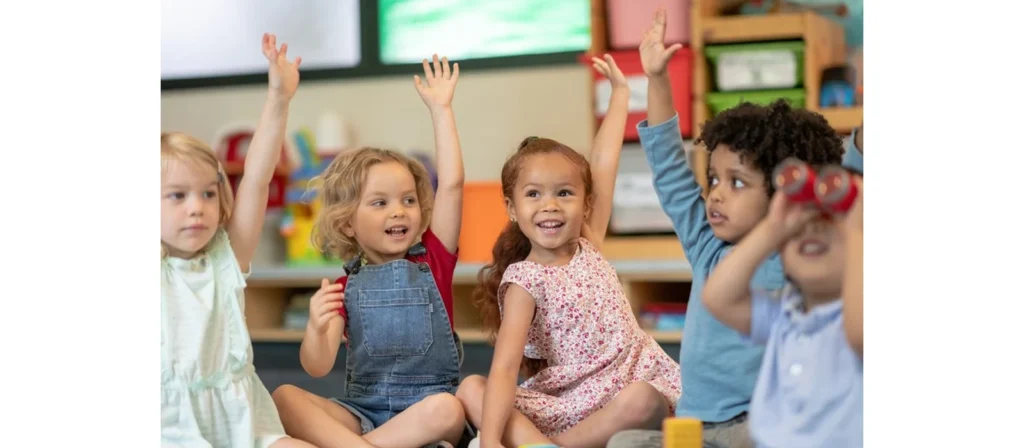
Redirection can be done in different ways. A teacher might give a short reminder, offer two choices, move the child to another activity, or show what to do instead. These simple behavior redirection strategies work well because they are clear, quick, and supportive. This is also why positive redirection is widely used in فصول ما قبل المدرسة.
Why Is Redirecting Behavior Important for Child Development?
Redirecting behavior is important because young children are still learning how to manage emotions, control impulses, and respond appropriately in social situations. When a teacher redirects a child, the child is not only stopped from doing the wrong thing but is also shown what to do instead. This helps children practice التنظيم الذاتي, problem-solving, and appropriate behavior in real time.
Redirecting behavior also supports a calmer and more positive learning environment. Through positive redirection, teachers can reduce conflict, prevent behavior from escalating, and help children stay engaged in routines and activities. This is why redirecting preschool behavior and redirecting behavior in the preschool classroom are important parts of everyday teaching.
How to Redirect Children’s Behavior
Redirecting behavior works best when teachers respond early, stay calm, and give children a clear alternative. The goal is not only to stop the behavior, but to guide the child toward a safer, more appropriate action. When teachers know how to redirect children’s behavior in simple and consistent ways, redirection becomes a practical tool for everyday classroom management.
1. Stay calm and take a breath
Before redirecting the child, the teacher needs to stay calm. If you feel frustrated, pause and take a breath before responding. A calm voice, neutral expression, and steady body language make redirection more effective. Children are more likely to respond well when the adult feels in control.
2. Tell the child what to do instead
A strong redirect gives the child a new action, not just a correction. Instead of saying “Stop running,” you might say, “Use walking feet.” Instead of saying “Don’t grab,” you might say, “Ask for a turn.” This helps children understand the expected behavior and gives them something they can do right away.
3. Use clear and simple language
Redirection works best when the message is easy to understand. Short prompts are often more effective than long reminders. Some useful verbal redirection examples include: “Hands stay gentle,” “Blocks stay on the floor,” and “Let’s try again.” In many cases, simple wording is the easiest way to support redirecting behavior in the classroom.
4. Offer a simple choice
Many children respond well when teachers offer two appropriate options. For example, “You can sit by me or sit on the carpet,” or “You can draw here or read in the book area.” This approach supports cooperation without turning the moment into a struggle. It is also a helpful way to use positive redirection while keeping clear boundaries.
5. Use a distraction when needed
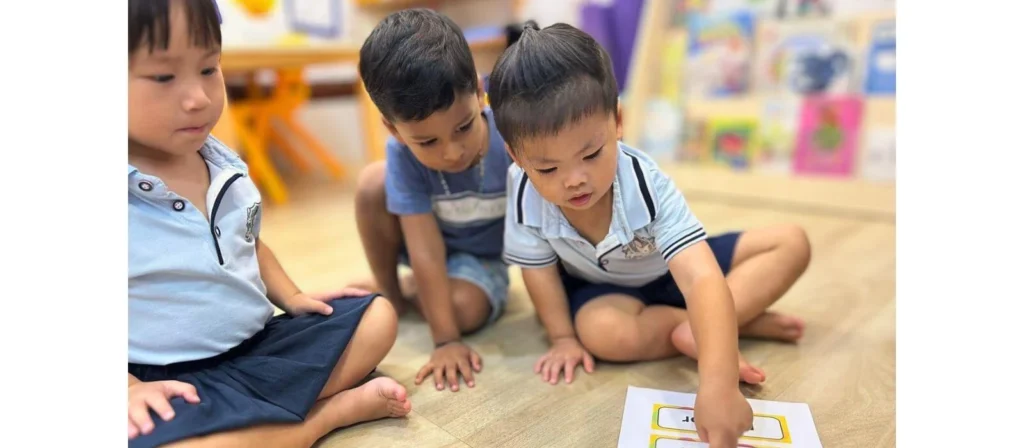
Sometimes the fastest way to redirect behavior is to shift the child’s attention to something else. A new toy, a different task, a question, or a playful comment can help interrupt the challenging behavior and reset the moment. This can be especially useful with younger children who are becoming frustrated or overstimulated.
6. Redirect the child to a new activity
Sometimes the best response is to move the child toward another task, toy, or role. A child who is misusing materials may need a different activity. A child who is upset during group time may need a quiet job or a short break with support. This is especially helpful when teachers need to manage redirecting preschool behavior during busy parts of the day.
7. Ignore minor attention-seeking behavior when appropriate
Not every behavior needs an immediate verbal response. If a child is showing minor attention-seeking behavior and no one is at risk, it may help to give less attention to the behavior and more attention to appropriate behavior. After the child settles, the teacher can reconnect in a positive way. This approach should be used carefully, but it can support how to redirect disruptive behavior in the classroom in some situations.
8. Offer comfort when the child needs connection
Sometimes a child is not just misbehaving but struggling emotionally. In those moments, gentle reassurance, closeness, or a calm supportive presence may help more than repeated correction. Some children need connection before they can respond to redirection. This is important to remember when thinking about how to redirect aggressive behavior or other intense behavior linked to frustration.
9. Set clear expectations
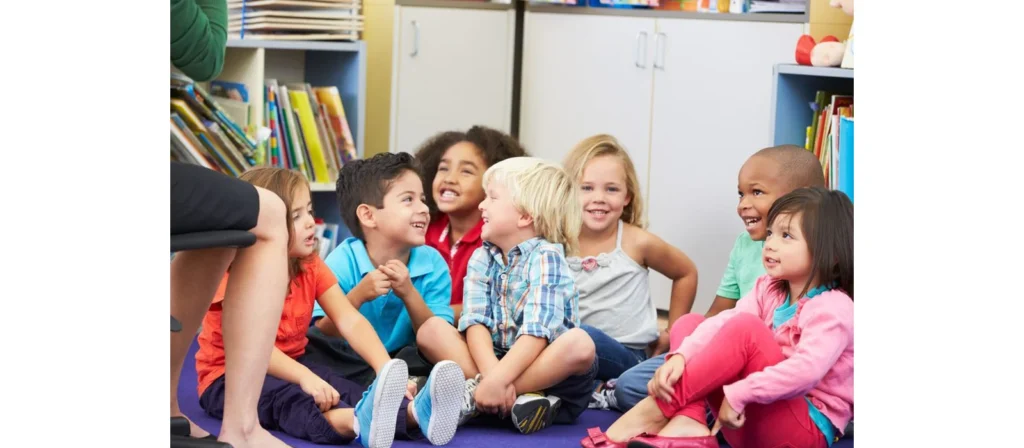
Redirection works better when children already know what is expected. Clear قواعد الفصل الدراسي, routines, and repeated modeling help children understand what appropriate behavior looks like. When expectations are familiar, teachers can redirect more quickly and effectively in the moment.
10. Use positive reinforcement
Redirection is even more effective when teachers also notice and reinforce appropriate behavior. Praise, encouragement, and specific feedback help children repeat positive actions. For example, after redirecting a child successfully, a teacher might say, “You used gentle hands. That was helpful.” This strengthens the learning behind the redirect.
11. Avoid power struggles
Redirection should guide behavior, not turn into a battle. Arguing, lecturing, or repeating demands too many times can make the child more resistant. A calm and simple response is usually more effective. This is one reason behavior redirection techniques work best when they are brief, respectful, and consistent.
12. Do not take the behavior personally
Challenging behavior is not usually a personal attack on the teacher. Young children are still learning how to express feelings, manage frustration, and follow expectations. Keeping this in mind helps teachers respond with patience and use redirection in a more constructive way.
13. Help the child rejoin the group
Redirection should lead the child back into learning, not just away from the problem. After the child calms down or shifts behavior, guide them back to the activity with a clear next step. This is important when thinking about how to redirect off-task behavior in the classroom or how to redirect disruptive behavior in the classroom, because the goal is to help the child participate successfully again.
Tips for Redirecting Behavior Effectively
Redirecting behavior works best when teachers use it as a teaching tool, not just a way to stop behavior in the moment. A quick redirect can help, but if teachers only keep changing the child’s focus without follow-up, it may become a short-term fix. The tips below can help teachers use redirecting behavior in a way that is clear, consistent, and effective.
Be consistent and set clear boundaries
Children respond better when expectations are simple, clear, and consistent. If one behavior is redirected one day but ignored the next, children may become confused. Teachers should use the same rules and language across the day, such as “Use gentle hands” or “Walking feet.” This helps redirecting children’s behavior feel predictable and supports stronger behavior redirection strategies.
Keep redirection simple and match it to the situation
Young children respond best to short directions and clear alternatives. At the same time, the redirect should fit the child’s need. A child with too much energy may need movement, while a frustrated child may need a calmer activity or extra support. Effective behavior redirection techniques work best when teachers think about why the behavior is happening, not just what the behavior looks like.
Follow up after the moment
Redirection should not always end when the behavior stops. Once the child is calm, teachers can briefly talk about what happened, what the child was feeling, and what they can do next time. This is especially helpful when redirecting preschool behavior, because it turns the moment into a learning opportunity instead of just a quick fix.
Notice positive behavior and work as a team
Children need attention for appropriate behavior, not only for challenging behavior. When teachers notice sharing, waiting, calming down, or using words, children are more likely to repeat those actions. In redirecting behavior in the classroom, it also helps when all adults use similar expectations and responses, so children experience consistency throughout the day.
What Are the Different Types of Redirection?
There are four main types of redirection teachers can use to guide children safely and calmly. Each type works a little differently, and the best choice depends on the child, the behavior, and the situation. Knowing these common redirection techniques can help teachers respond more clearly and confidently in the moment.
Verbal Redirection
Verbal redirection uses simple words to shift the child’s attention or guide them toward a better choice. For example, if a child is about to grab materials from a classmate, a teacher might say, “Let’s ask for a turn,” or “Use gentle hands.” These kinds of verbal redirection examples work well because they are quick, clear, and easy for young children to understand.
Physical Redirection
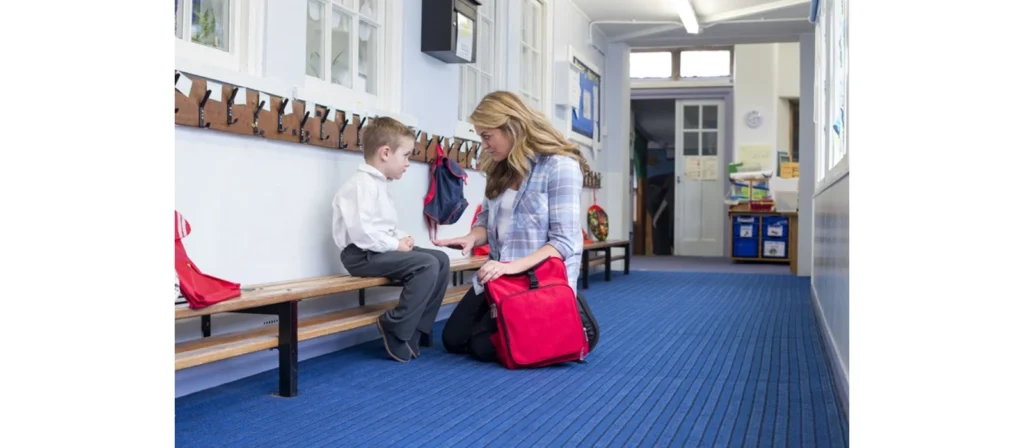
Physical redirection is used when words are not enough or when a child needs immediate support. This may involve gently guiding the child away from the problem behavior and toward a safer activity. For example, if a child is trying to hit, the teacher may calmly move the child’s hands away and guide them to another space or activity. In some situations, this is an important part of redirecting preschool behavior safely.
Redirection With a Cue
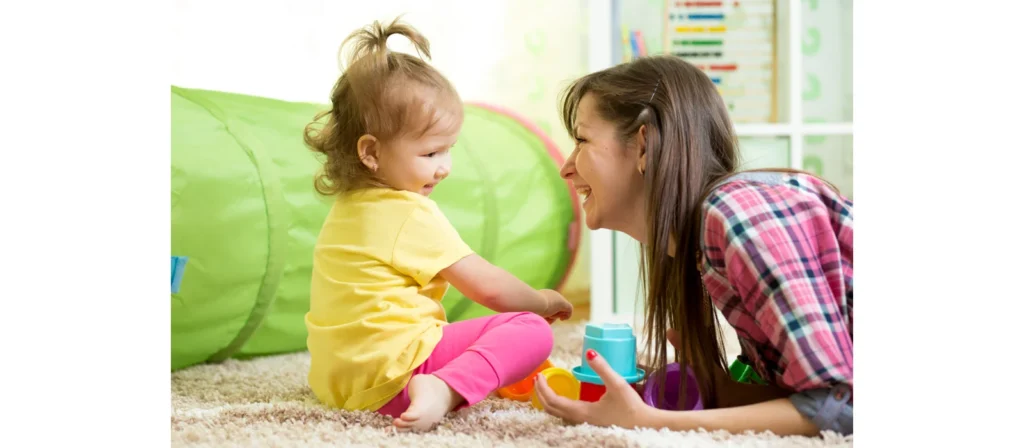
This type of redirection uses a short cue to get the child’s attention quickly. The cue may be verbal, visual, or nonverbal. A teacher might say, “Stop,” point to a classroom rule chart, or use a hand signal during group time. This kind of support is especially helpful for redirecting behavior in the classroom when teachers need a fast response without giving a long explanation.
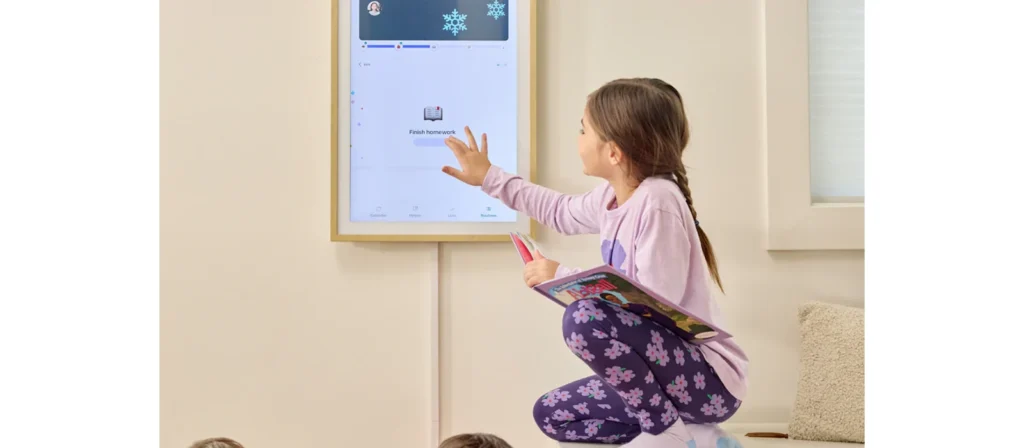
Redirection Through Positive Modeling
This approach involves pointing out another child who is showing the expected behavior. For example, if a child is throwing toys, the teacher might say, “Look at Maya. She is using the blocks carefully.” This form of positive redirection helps children notice what appropriate behavior looks like and gives them a clear example to follow.
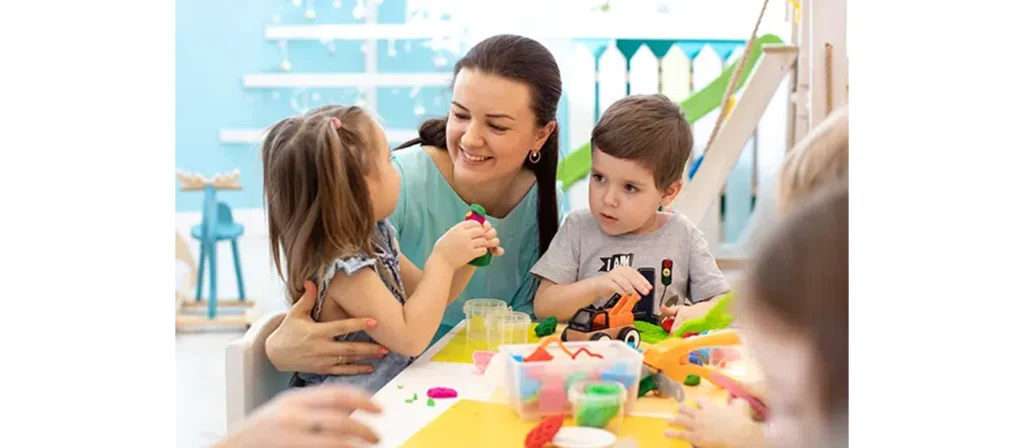
The right type of redirection depends on the moment. Verbal redirection often works best for small problems or early signs of challenging behavior. Physical redirection is more useful when safety is a concern or when the child is too upset to respond to words alone. Redirection with a cue can work well in busy or fast-moving moments, while positive modeling is helpful when a child learns by watching others. Using different behavior redirection techniques allows teachers to respond in ways that are both practical and supportive.
Benefits and Limitations of Redirecting Behavior
Redirecting behavior is a helpful strategy in early childhood settings, especially when teachers need to respond quickly and calmly. However, like any classroom strategy, it also has limitations. Understanding both the benefits and the drawbacks can help teachers use redirection more effectively.
Benefits of Redirecting Behavior
- Responds quickly
One of the main benefits of redirecting behavior is that it allows teachers to address problems right away. A quick redirect can prevent a small issue from becoming a bigger disruption, which is especially helpful when redirecting behavior in the classroom. - Teaches alternatives
Redirection does more than stop unwanted behavior. It gives children a clear alternative, which makes it a form of positive redirection. Instead of only hearing “no,” children learn a more appropriate action. - Reduces power struggles
Redirection often feels calmer and more supportive than repeated correction. Many behavior redirection strategies work well because they guide children without turning the moment into a conflict. - Supports a positive classroom
When teachers redirect calmly and consistently, children are more likely to stay engaged and feel supported. This is one reason redirection is useful in preschool and childcare settings.
Limitations of Redirecting Behavior
- May miss the root cause
A redirect may stop the behavior in the moment, but it does not always solve the reason behind it. A child may be tired, frustrated, overstimulated, or seeking attention. In these cases, behavior redirection techniques may need to be combined with other support. - Can lose impact if overused
If teachers rely on redirection for every situation, children may become too dependent on adult prompts. Over time, they also need chances to practice self-regulation and problem-solving. - Works differently for each child
Some children respond well to verbal prompts, while others need visual support, movement, or a change in the environment. This is especially true when redirecting preschool behavior in a group setting. - May be a short-term fix
Redirection is often useful for immediate behavior support, but repeated patterns may need a deeper response. Teachers may need to look at routines, triggers, and classroom expectations as well.
Examples of Redirecting Behavior in Your Childcare Program
Redirecting behavior can happen in many different ways throughout the day. In childcare settings, teachers may use words, movement, choices, or a new activity to help children shift from a challenging behavior to a better one. The examples below show how redirecting behavior can look in daily practice.
Verbal redirection examples
Here are some examples teachers can use to verbally redirect challenging behavior:
- “I can see you’re upset. Let’s take a break and try again in a minute.”
- “Blocks stay on the floor. Let’s build a tower instead.”
- “Use gentle hands. You can ask for a turn.”
- “It looks like your body needs movement. Let’s carry these books to the shelf.”
- “Let’s use a quiet voice so everyone can hear.”
- “You’re having a hard time waiting. Let’s find something to do while you wait.”
These simple phrases are useful verbal redirection examples because they are short, calm, and easy for young children to understand.
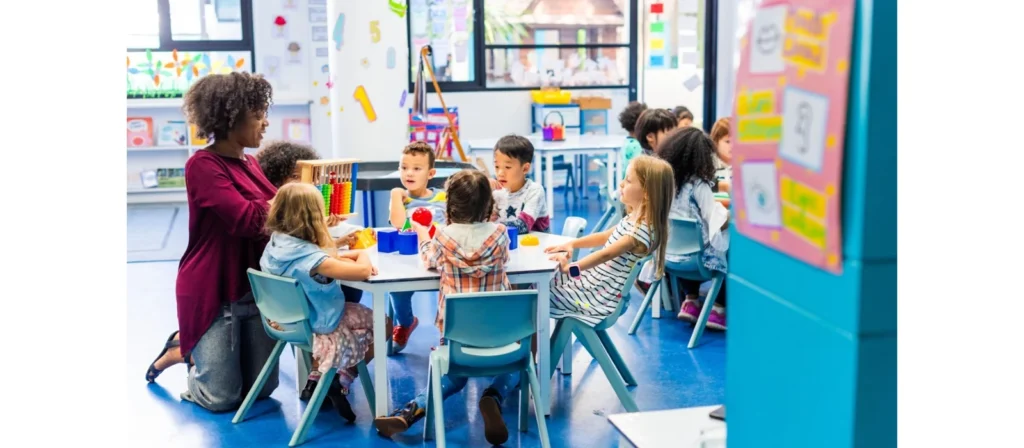
Physical redirection examples
Here are some examples of how teachers may physically guide a child toward a safer or more appropriate behavior:
- If a child is running indoors, the teacher might say, “Use walking feet,” and gently guide the child to slow down.
- If a child is trying to hit, the teacher might block the hit and guide the child’s hands down while saying, “I won’t let you hit.”
- If a child is throwing toys, the teacher might remove the toys and guide the child to a softer throwing activity outdoors.
- If a child is climbing on furniture, the teacher might move the child down and redirect them to a climbing area or gross motor activity.
These are common examples of redirecting a child when the child needs immediate support in the moment.
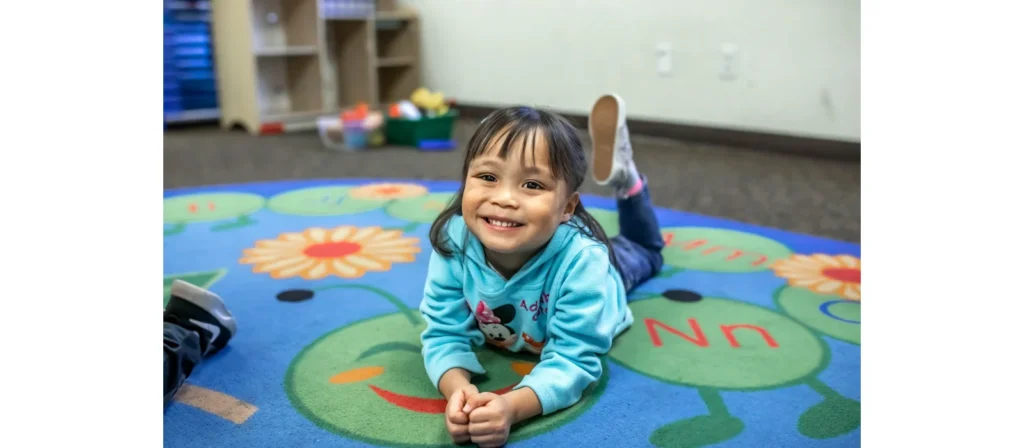
Redirection through a new activity
Sometimes the best redirect is to shift the child into a different task or role. For example:
- If a child is off-task during circle time, the teacher might invite them to hold the book or point to the pictures.
- If a child is bothering others during center time, the teacher might offer a puzzle, sensory bin, or helper job.
- If a child is becoming frustrated with one activity, the teacher might guide them to another center and say, “Let’s try something different for now.”
This type of response is especially helpful when teachers are thinking about how to redirect off-task behavior in the classroom.

Redirection through choices
Offering choices can make redirection feel more positive and less like a struggle. For example:
- “You can sit on the carpet or next to me.”
- “You can use the crayons here or read a book in the quiet area.”
- “You can wait for a turn or choose another truck for now.”
- “You can calm your body in the cozy corner or help me pass out papers.”
This is a simple form of positive redirection because it gives the child a clear limit while still offering some control.
When Not to Use Redirecting Behavior
Redirecting behavior is useful in many everyday situations, but it is not always the best response. Sometimes children need stronger safety support, clearer follow-up, or help with the cause of the behavior. Knowing when not to rely on redirecting behavior can help teachers respond more effectively.
Safety comes first
If a child is hurting another child, trying to run away, or doing something dangerous, safety comes first. In these moments, teachers may need to block the behavior, move children apart, or provide immediate physical support before trying to redirect. While redirection can still be used afterward, it should not replace a direct safety response when redirecting preschool behavior.
The child is too upset
A child who is overwhelmed, angry, or deeply dysregulated may not be ready to follow a redirect right away. If the child cannot process words or choices in the moment, teachers may need to help them calm down first. This is important because even strong behavior redirection techniques may not work well until the child feels safe and regulated again.
The behavior keeps happening
If teachers keep redirecting the same behavior again and again, it may be a sign that something deeper needs attention. The child may need more support with routines, transitions, sensory needs, social skills, or emotional regulation. In these cases, redirecting behavior in the classroom may help in the moment, but it should be paired with observation and longer-term support.
The child needs direct teaching
Some behaviors happen because the child does not yet know the expected skill. For example, a child may need to be taught how to wait, ask for help, or join play. In these situations, teachers should not rely only on positive redirection. They also need to model, practice, and teach the behavior clearly.
خاتمة
Redirecting behavior is one of the most useful tools preschool teachers can use to handle challenging moments in a calm and supportive way. It helps children move from unsafe, disruptive, or inappropriate behavior toward actions that are more appropriate and manageable. When used well, redirection can reduce conflict, support self-regulation, and help children stay engaged in the classroom.
At the same time, redirection works best when it is part of a bigger approach. Children also need clear expectations, consistent support, and direct teaching to build better behavior over time. For early childhood educators, the goal is not just to stop behavior in the moment, but to help children learn what to do instead.
Frequently Asked Questions About Redirecting Behavior
At what age does redirection work best?
Redirection can be used at different ages, but it is especially effective with toddlers and preschoolers. At this stage, children are still learning self-control, language, and social skills, so they often need immediate support and simple guidance. That is why redirecting preschool behavior is such a common strategy in early childhood settings.
When should teachers use redirection?
Teachers should use redirection when a child is starting to become off-task, disruptive, frustrated, or unsafe, but is still able to respond to support. It works best early, before the behavior grows into a bigger problem. In many cases, redirecting behavior in the classroom is most effective during transitions, peer conflict, and group activities.
Can redirection be overused?
Yes. If teachers use redirection for every behavior without follow-up, it can become a short-term fix instead of a teaching strategy. Children also need help learning expectations, practicing skills, and understanding their feelings. Strong behavior redirection strategies should support learning, not replace it.
What should teachers do if redirection does not work?
If redirection does not work, the child may need something different. The teacher may need to reduce stimulation, offer more support, restate the limit, or help the child calm down first. In some situations, the behavior may be showing a deeper need, which means behavior redirection techniques alone may not be enough.
How can teachers tell whether redirection is helping?
Redirection is helping when the child is able to stop the behavior, shift to a better choice, and return to the activity with support. Over time, teachers may also notice fewer repeated disruptions and more independent self-regulation. This is one sign that positive redirection is building useful skills, not just stopping behavior in the moment.

 Arabic
  English
  Korean
  Japanese
  Italian
  German
  Spanish
  French
  Thai
Thai