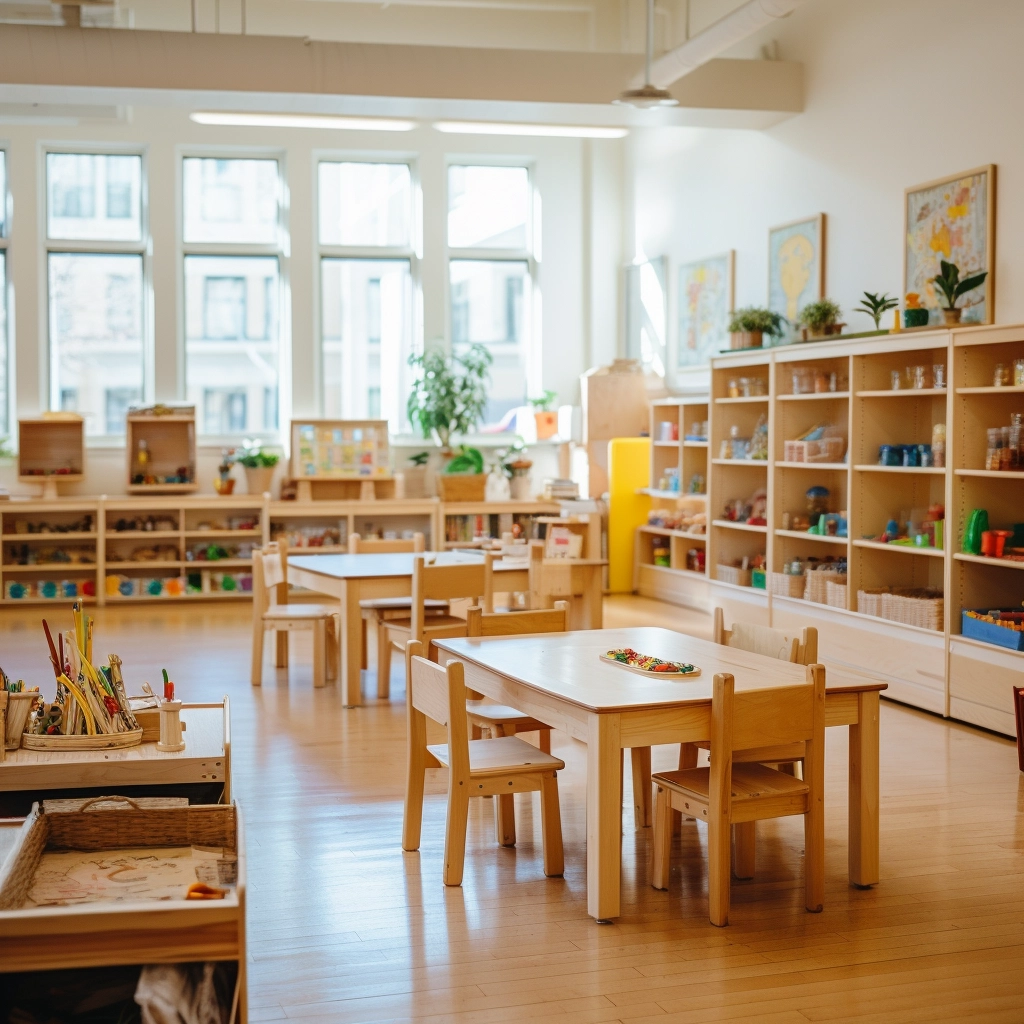
When classroom furniture begins to wear out, schools face a familiar dilemma. Should you repair what is broken or replace it entirely? While it might seem like a simple maintenance decision, the answer has serious implications for safety, budgeting, and learning continuity.
A chair that wobbles slightly or a desk with a cracked surface may still be usable, but for how long? Ignoring these issues can lead to accidents, liability, and unexpected costs. On the other hand, replacing furniture too soon drains resources that could be used elsewhere.
Knowing when to repair classroom furniture and when to replace it is not just about reacting to visible damage. It requires understanding the warning signs, evaluating risk, and planning. This guide explores the key factors schools should consider so you can make informed, cost-effective, and safety-first decisions about your classroom furniture.
How can you spot safety risks in everyday classroom furniture?
Classroom furniture endures constant use, and signs of wear often appear gradually. Identifying these signs early allows schools to prevent small issues from developing into serious hazards. Regular inspections should be part of every school’s maintenance routine, focused on locating physical changes that indicate potential safety risks.
A thorough check should focus on the following areas:

Structural movement
Observe desks, chairs, and shelving units for any wobbling or shifting during normal use. Press lightly on the corners and backs of chairs or tables. Furniture should remain stable under moderate pressure. Any movement suggests that the structure may have loosened or shifted.
Hardware condition
Inspect the joints, legs, and frames for missing or loose screws, bolts, or rivets. Touch each connection point to check for visible gaps or instability. Even a slightly loosened joint can affect the overall strength of the item over time.
Visible cracks and material fatigue
Look closely at wood, plastic, and metal surfaces for fractures, stress lines, or areas where the material appears weakened. Pay special attention to corners, seat bottoms, table legs, and connection points where pressure is concentrated.
Function of moving parts
Test all mechanical features, including adjustable legs, drawer slides, cabinet doors, and rolling casters. Movement should be smooth and silent. Resistance, grinding, or uneven motion may indicate internal damage or misalignment.
Surface condition and edges
Run your hand along all edges and corners to detect splinters, sharp surfaces, or peeling laminate. Visual inspection alone is not enough. Physical contact reveals hidden risks, especially on older furniture.
Moisture-related damage
Check for bubbling, warping, or softness in any part of the furniture that uses wood or wood composite. These changes are often found at the base of legs, near the flooring, or under the tabletops. Moisture damage weakens structural integrity over time.
Balance and weight distribution
Ensure each item sits flat on the floor. Even slight tilting or rocking can signal an uneven frame or leg deformation. Use a level or simply observe from different angles to verify alignment.
These inspections should be completed regularly and recorded for future comparison. Consistency is more important than speed. The goal is not to diagnose what needs to be fixed or replaced. It is to identify which items are changing in ways that may affect safety, usability, or durability.
In the next step, schools can evaluate these signs in more detail to decide whether maintenance or replacement is the most appropriate response.

Which Classroom Furniture Issues Can Be Safely Repaired?
Not all signs of wear require full replacement. Many classroom furniture issues can be safely and effectively repaired if identified early and addressed with the proper materials and methods. Repairs are most appropriate when the damage is limited in scope, does not affect the core structure of the item, and can be resolved without compromising safety or stability.
Below are common issues that are often suitable for repair:

Loose hardware and minor instability
Chairs or desks that wobble due to loose screws or bolts can often be repaired by tightening or replacing the hardware. As long as the frame and joints remain intact, simple mechanical adjustments can restore stability.
Sticking or uneven drawers and doors
If a drawer track is misaligned or a cabinet door no longer closes properly, adjustment or lubrication is usually sufficient. In some cases, replacing the internal sliding mechanism can extend the usable life of the storage unit without replacing the entire piece.
Minor surface damage
Scratches, dents, or scuffed finishes on tabletops and chair backs can be sanded, repainted, or laminated over. This type of cosmetic repair is especially useful for maintaining appearance in front-facing classrooms and public areas.
Peeling laminate or edge banding
Loose or lifting edges around desks and tables can often be re-glued or replaced. Prompt repair prevents the problem from spreading and reduces the risk of injury from sharp or exposed edges.
Non-structural cracks in plastic components
Hairline cracks in seat shells or non-load-bearing plastic panels may be repaired using bonding agents or replacement inserts. These repairs are only recommended when the surrounding material remains firm and secure.
Worn glides or casters
Chairs or carts that scrape or roll unevenly can usually be restored by replacing worn glides, wheels, or base fittings. This is a low-cost repair that prevents further strain on the furniture frame and flooring.
Repairs are most effective when the damage is isolated, and the underlying structure is still sound. Furniture that is repaired promptly tends to perform better and last longer, especially when followed by regular maintenance checks.
In the next section, we will explore the warning signs that suggest repair may no longer be a safe or cost-effective option and that replacement should be considered instead.
What Warning Signs Mean It’s Time to Replace Classroom Furniture?
While many issues can be resolved through maintenance or minor repairs, there are clear warning signs that indicate when classroom furniture is no longer safe, functional, or cost-effective to retain. Continuing to use severely worn or damaged items increases the risk of injury, disrupts the learning environment, and often results in higher long-term costs.
Below are the most common indicators that it is time to replace classroom furniture:

Structural failure
If a chair or desk frame is cracked, bent, or warped beyond alignment, structural integrity is compromised. Damage to joints, welds, or support components typically cannot be repaired without specialized equipment and should be treated as a reason for immediate removal and replacement.
Repeated breakdowns
When the same issue reappears despite repairs, such as drawer tracks detaching, legs loosening, or laminate peeling in the same area, this signals that the materials have deteriorated beyond reliable repair. Frequent fixes create hidden costs and ongoing classroom disruptions.
Multiple areas of damage
If a piece of furniture shows wear in several categories at once, such as instability, surface degradation, and mechanical failure, it is more efficient and safer to replace it entirely rather than attempt piecemeal repairs.
Permanent deformation or imbalance
Furniture that leans, sags, or does not sit evenly on the floor may have internal stress or deformation that cannot be reversed. These items create tipping hazards and should be prioritized for replacement.
Safety issues with no viable fix
Exposed sharp edges, splinters, rusted metal, or broken plastic that cannot be covered or smoothed pose direct risks to students and staff. If these hazards cannot be eliminated through repair, the item must be replaced.
Incompatibility with modern use
Furniture that no longer supports current teaching practices, such as outdated layouts, fixed heights, or a lack of accessibility features, may still be intact but functionally obsolete. In such cases, it is often more valuable to replace classroom furniture with models that meet current needs.
Water or fire damage
Furniture exposed to significant water saturation or heat warping should be removed from use. These types of damage often affect the internal structure in ways that are not immediately visible and cannot be reliably repaired.
Furniture that meets one or more of these conditions should be flagged for removal and replacement without delay. Keeping damaged or degraded items in active use increases the likelihood of failure at the worst possible time, during class hours, under load, or in high-traffic areas.
By identifying these signs early, schools can plan replacements proactively and avoid the costs and disruptions associated with emergency responses.
What Daily Habits Help Classroom Furniture Last Longer?
The lifespan of classroom furniture depends heavily on how it is used day to day. Reminding students to sit properly, avoid standing on chairs or shelves, and use items as intended can significantly reduce stress on joints and surfaces. Staff should also lift furniture during room changes instead of dragging it, as dragging weakens structural components over time.
Routine care plays an equally important role. Cleaning with mild products helps protect finishes, especially on wood and laminate. Promptly reporting small issues, such as a loose bolt or misaligned drawer, allows for quick repairs before further damage develops.
Finally, rotating high-use items and conducting simple monthly inspections help distribute wear evenly and catch early signs of failure. With consistent habits, schools can extend the life of their furniture, reduce long-term costs, and maintain a safer classroom environment.
Investing in Reliability with West Shore Furniture
Schools that take a proactive approach to furniture care avoid costly surprises and create safer, more consistent learning environments. While routine maintenance and timely repairs are essential, long-term durability starts with the right products and partners.
في أثاث ويستشور, we design every piece with the realities of daily classroom use in mind. Our furniture is built to last, using durable materials and reinforced construction to withstand years of activity and movement. Beyond product quality, we offer dedicated post-purchase support, including guidance on maintenance, replacement planning, and layout optimization.
When schools choose Westshore Furniture, they are investing in more than just tables and chairs. They are choosing reliability, long-term value, and a partner who understands the demands of education spaces. Let us help you build a classroom environment that stays strong through every school year.

 Arabic
  English
  Korean
  Japanese
  Italian
  German
  Spanish
  French
  Thai
Thai