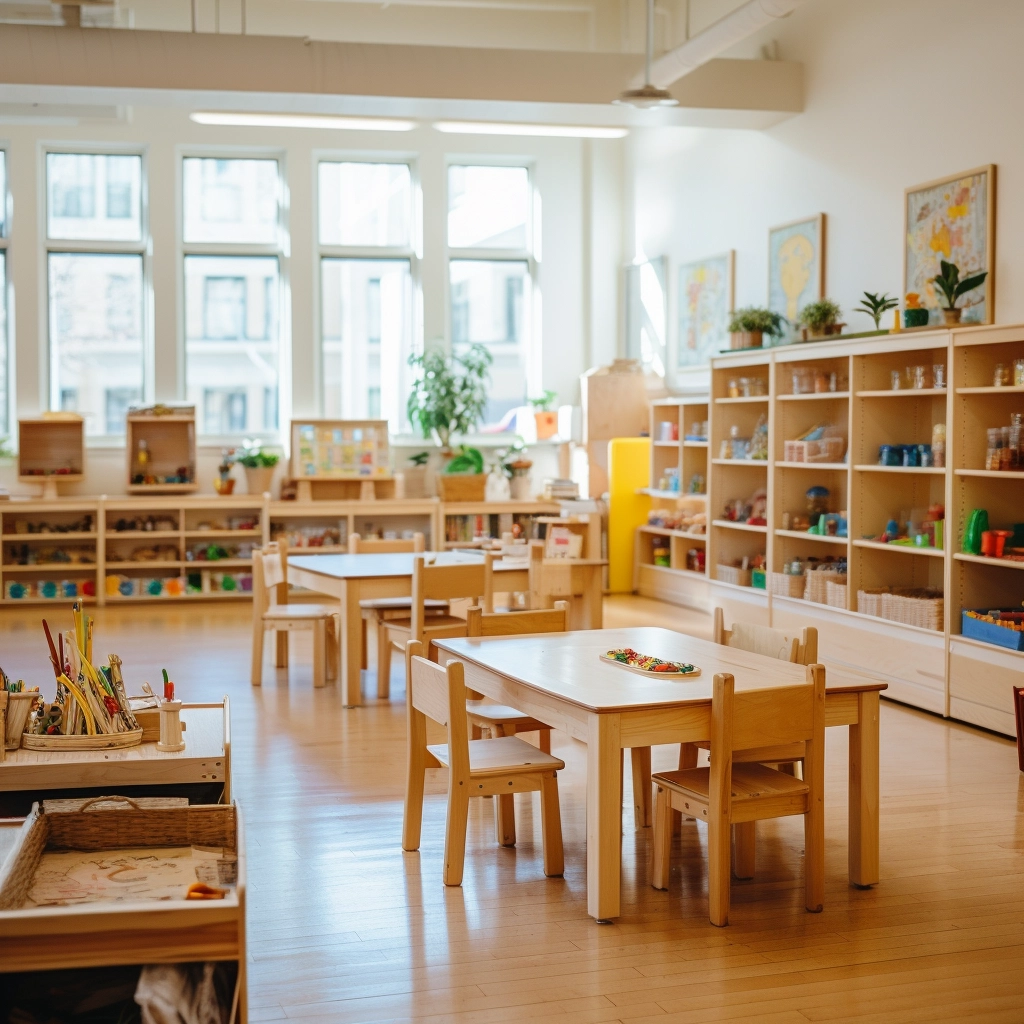
If you’ve ever watched a child completely disappear into a world of blocks, building towers, roads, castles, and tiny cities, you know how magical block play can be. There is a special kind of focus that appears when the right materials meet the right setup. With a simple, thoughtfully arranged Montessori-inspired block shelf, children often stay with their play longer, return to it more often, and come up with ideas that surprise even the adults watching.
In Montessori environments, the way materials are presented is just as important as the materials themselves. Shelves are low and open, everything has a clear place, and each activity is arranged so a child can choose it, carry it, use it, and put it away independently. This sense of order supports calm, confidence, and concentration. When we bring these same ideas to our block area, whether at home or in a classroom, the shelf becomes more than storage. It becomes a quiet, beautiful invitation to come and build.
Many families and educators find that when they simplify toys and organize them with intention, children naturally play more creatively. A Montessori-inspired block shelf is a great place to start. By choosing a few well-loved blocks and giving them a clear, attractive home, you set the stage for rich, open-ended play. In the next sections, we will walk step by step through how to create a block shelf that your child will truly adore.
What Makes a Montessori-Inspired Block Shelf Different?
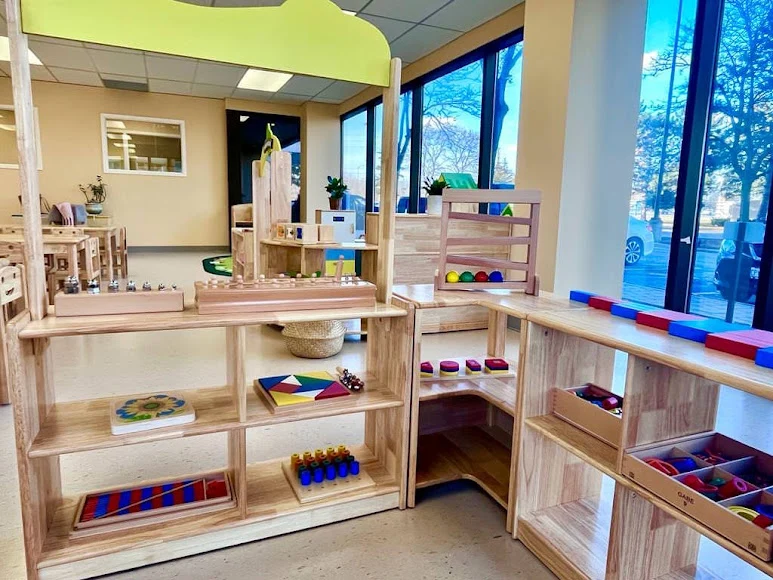
A Montessori-inspired block shelf looks simple, but there is a clear intention behind it. Here are four key features:
- Child-sized and easy to reach
The shelf is low and open, so children can see all the blocks, reach them independently, and put them back without adult help. - Clear order instead of clutter
Blocks are grouped by type in trays or baskets, not all mixed together. Each group has its own place, which makes it easier to start playing and to tidy up. - Less, but more meaningful
Instead of putting out every block set you own, you offer a carefully chosen selection that suits the child’s age and interests. Fewer options help children focus and play more deeply. - Visually calm and inviting
The shelf is not overcrowded. There is some space on each level, so everything looks neat and calm. This visual clarity makes children feel naturally drawn to come and build.
Step 1 – Shape the Space
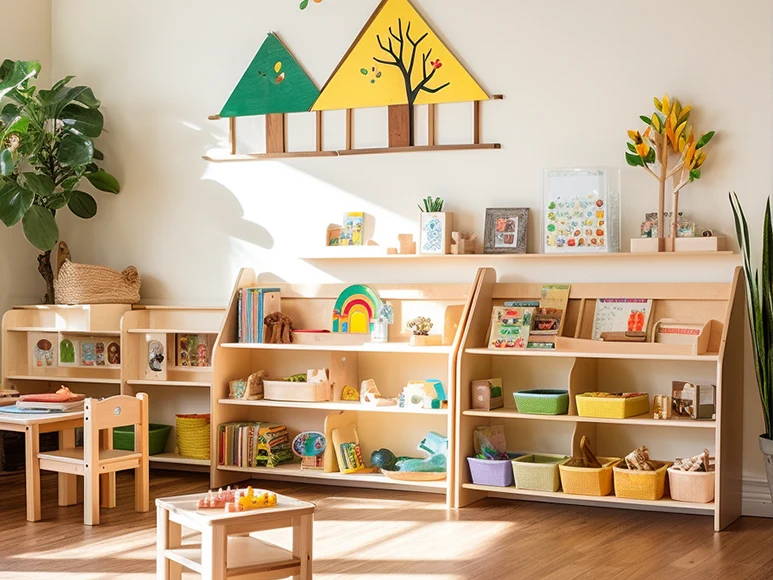
Before you think about how many blocks to put out, look at the space where your block shelf will live. A Montessori-inspired block area feels open, calm, and ready for use. That usually means choosing a spot where children naturally pass by, with enough light to see clearly and enough floor space directly in front of the shelf for building. When the building area is right there, children can move smoothly between the shelf and the floor without stepping over other toys or squeezing through tight gaps.
The shelf itself is part of shaping the space. A low, sturdy, open shelf lets children see everything at once and move confidently around it. When the top is within a child’s eye level, and each level is easy to reach, the message is clear: “This is for you.” Placing the shelf so it feels like a defined little corner, rather than an afterthought, turns it into a natural destination for play. In a well-shaped space, the shelf does not just store blocks; it quietly invites children to come, stay and build.
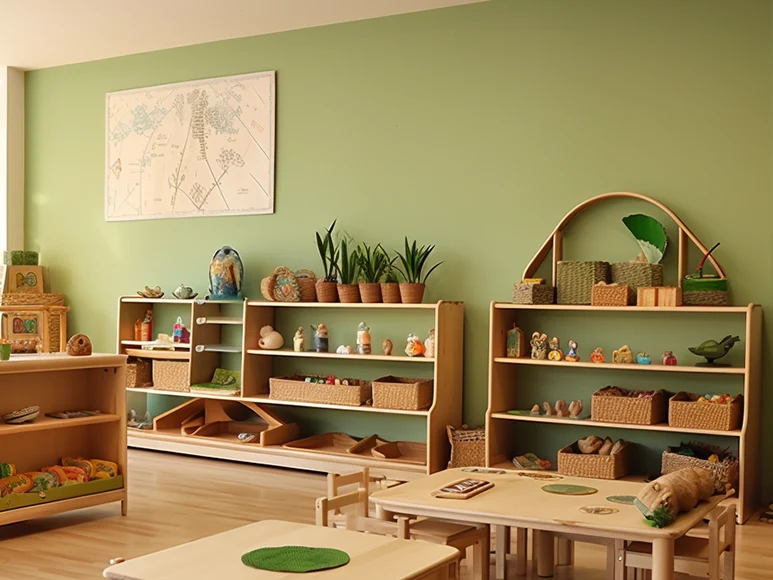
Step 2 – Curate and Organize Your Blocks with Intention
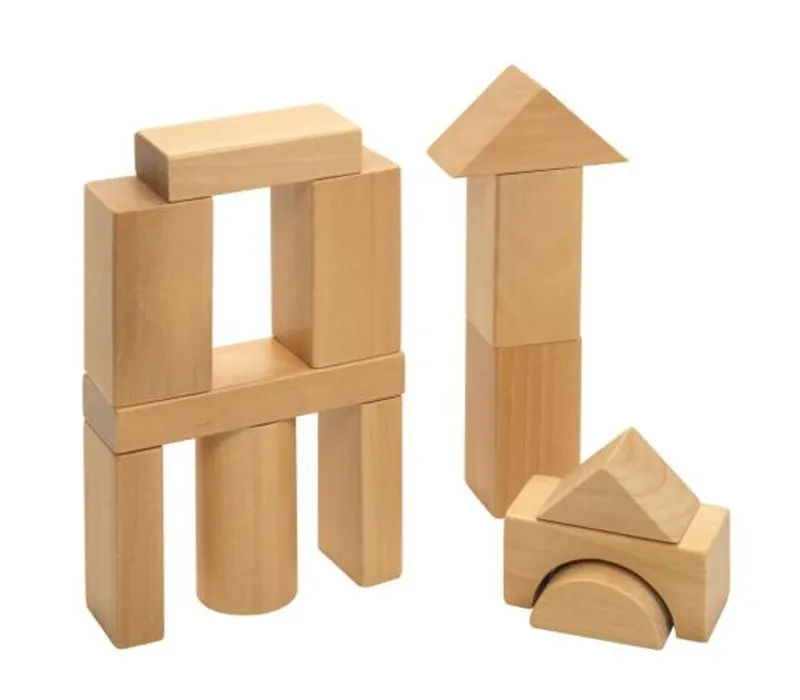
Once the space feels good, you can turn your attention to the blocks themselves. Instead of starting with the question “How can I fit everything on the shelf?”, a Montessori-inspired approach asks, “Which blocks will truly support rich play right now?” Choosing a core set of well-loved, open-ended blocks in a few classic shapes gives children a clear starting point. When there are just enough pieces to build something satisfying, ideas flow more easily than when the shelf is overloaded.
How you organize those blocks matters just as much as which ones you choose. Grouping similar shapes and giving each group its own defined spot helps children understand their options at a glance. Over time, you can adjust the selection by adding or removing a few pieces, always aiming for that “just right” balance between variety and clarity. With a curated and thoughtfully organized set of blocks, the shelf stops feeling like storage and starts to feel like a collection of possibilities.
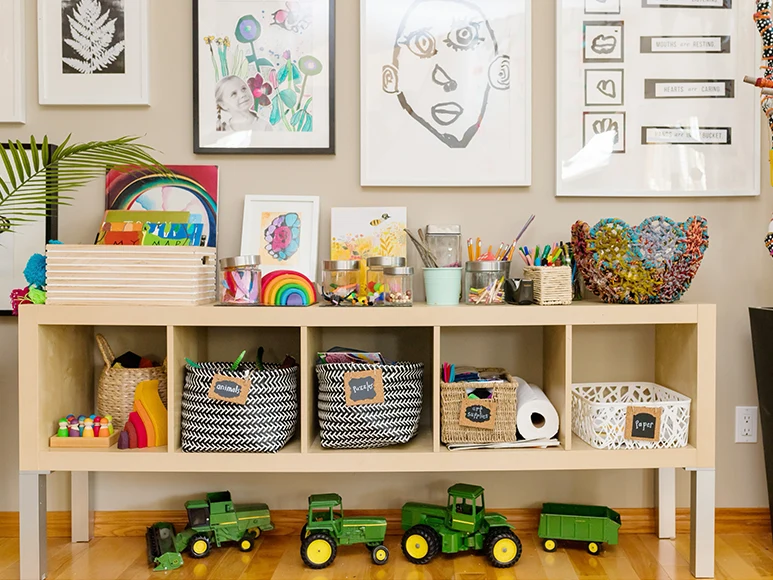
Step 3 – Make the Shelf Visually Calm and Inviting
With the blocks chosen and organized, the next step is to think about how the shelf looks and feels at first glance. A Montessori-inspired block shelf is quiet on the eyes. When a child walks past, they can instantly see where everything is and sense that there is enough space for their ideas. This usually means not filling every inch of the shelf. Leaving a little breathing room around each group of blocks helps the whole area feel lighter and more approachable. Children are surprisingly sensitive to visual noise; when the shelf is calm, it is much easier for them to focus on building.
You can also use the natural rhythm of shapes and sizes to make the shelf more inviting. Heavier or larger blocks tend to work well on the lower levels, where children can reach them easily for big foundations. Lighter or more detailed pieces can sit a bit higher, still within reach but not crowding the main building blocks. When similar shapes are gathered together and the overall arrangement feels balanced, the shelf starts to look almost like a display in a small gallery of children’s materials. This quiet beauty is not about perfection; it is about creating an environment that gently says, “Take your time. There is room here for your ideas.”
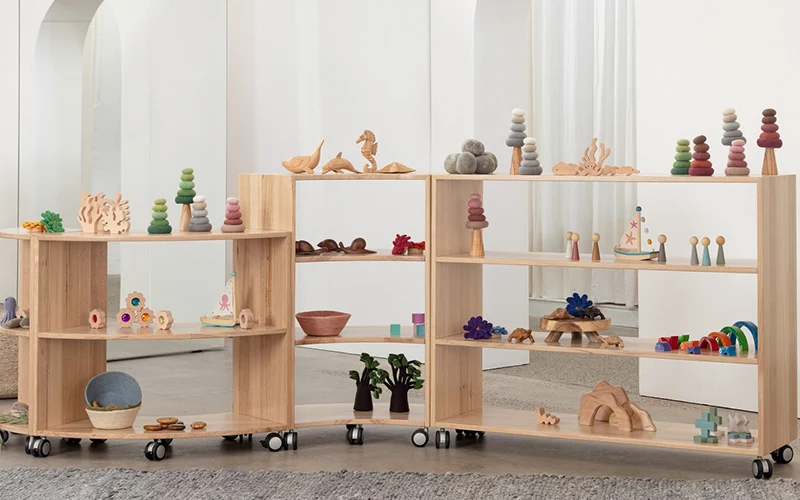
Step 4 – Support Independence and Ongoing Play
Even the most beautiful block shelf only truly comes alive when children can use it on their own, day after day. Supporting independence starts with small, practical details. Clear spots for each group of blocks, simple labels if they are helpful for your child’s age, and a consistent way of putting things back all make it easier for children to care for the shelf themselves. When a child knows where everything lives, they do not need to ask an adult for permission or help; they can simply begin. This sense of ownership often leads to longer, more thoughtful play.
Ongoing play also depends on gentle, responsive adjustments over time. As you observe your child, you might notice which blocks are used most, which are often left behind, and what kinds of structures reappear in their play. You can use these observations to make small changes: swapping out a few pieces, simplifying the selection if the shelf starts to feel crowded, or adding a new element when your child seems ready for a fresh challenge. In this way, the block shelf becomes a living part of the environment, quietly evolving with the child. With a space that is easy to use, materials that are thoughtfully chosen, a calm visual setup and routines that support independence, your Montessori-inspired block shelf naturally becomes a place children return to again and again.
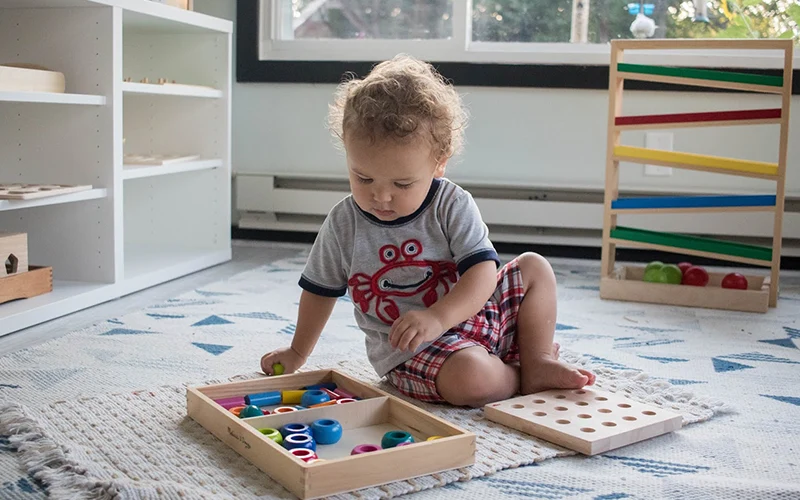
Ready to Set Up Your Own Block Shelf?
If reading this has you picturing a calm, beautiful block corner in your home or classroom, this is the perfect moment to take the next small step. Start with a sturdy, child-height shelf that gives blocks a clear “home” and makes it easy for children to choose, build, and tidy up on their own. The right storage doesn’t just keep things organised; it quietly supports all the independence, focus, and creativity you want to see in block play.
If you’re looking for shelves and units that already fit this child-friendly, Montessori-inspired approach, you can explore the classroom storage collection from Westshore-Möbel:
https://westshorefurniture.com/classroom-storage/
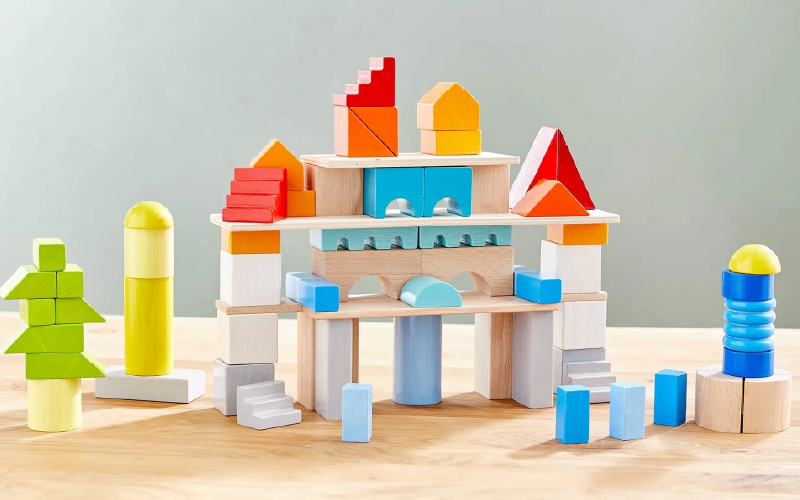
And once your shelf is ready, you can complete the space with open-ended building blocks and construction toys designed for rich, hands-on play:
https://westshorefurniture.com/build-block-toys/
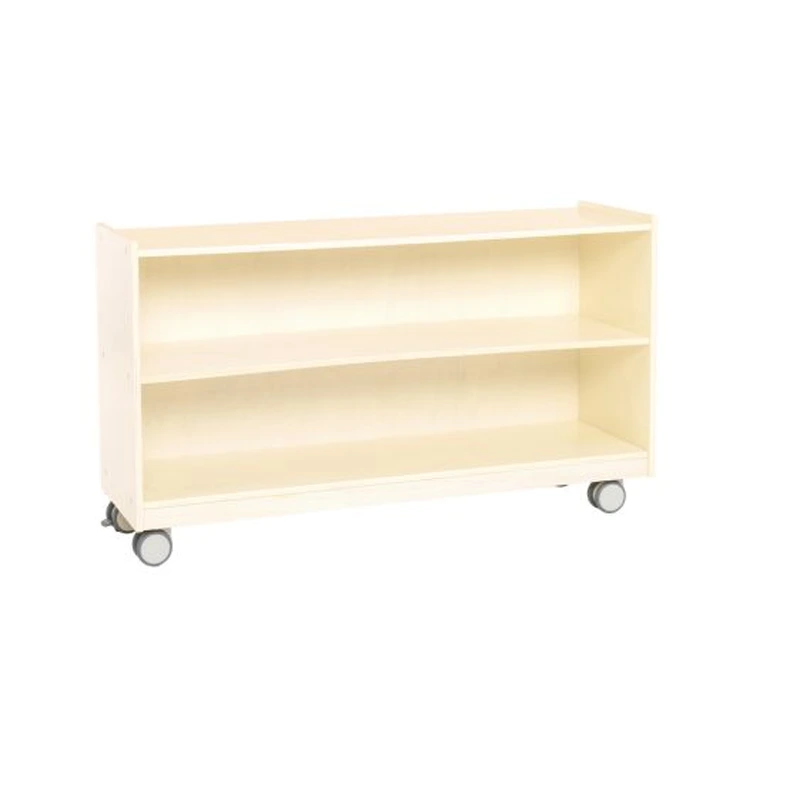
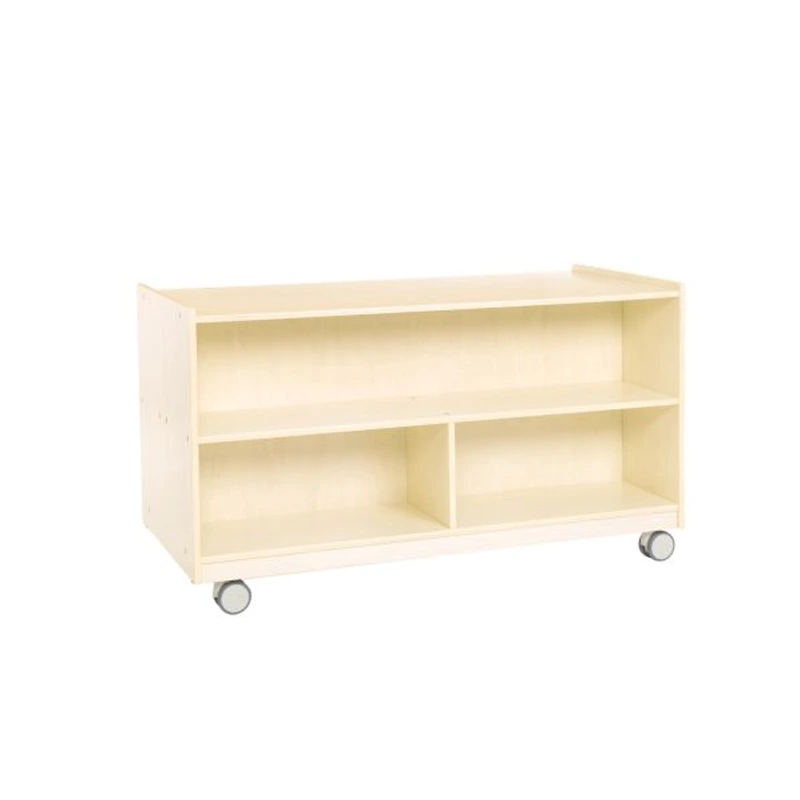
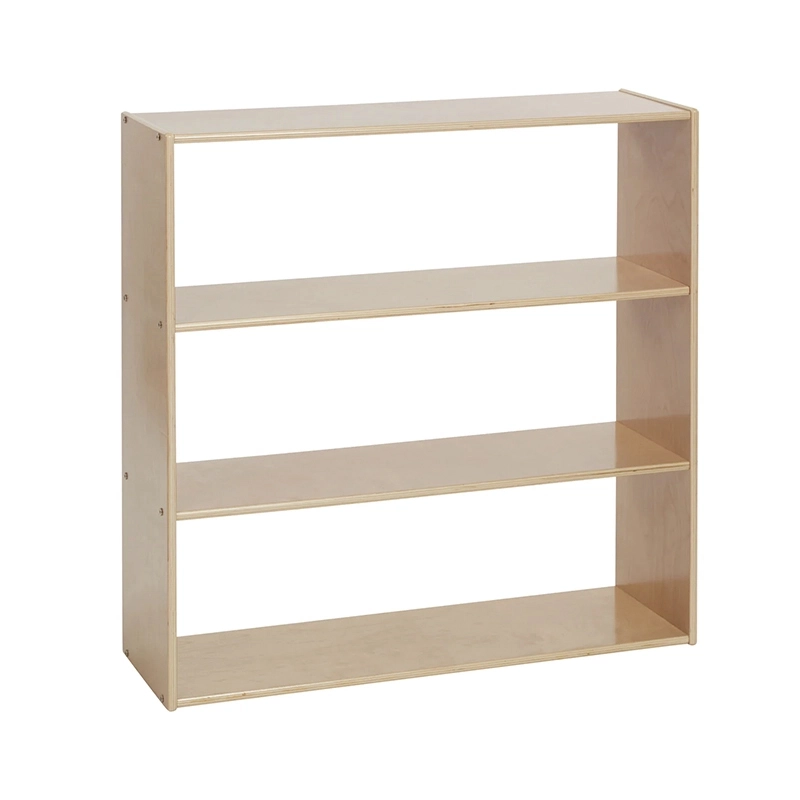

You might find exactly the low, open shelving you need to turn your ideas into a real, inviting block shelf that children will keep coming back to.
When Your Block Shelf Needs Tweaks
Even with careful planning, there will be moments when the block shelf does not seem to be working quite as you hoped. Rather than seeing this as a failure, you can treat it as useful information. If children rarely choose blocks, it might be a sign that the shelf is too crowded or the space feels too busy. Simplifying the selection, adding a bit more empty space, or adjusting the location can often make a big difference. Sometimes just moving the shelf closer to natural light or further away from a distracting area helps children notice it again.
You might also find times when building feels more like wild dumping than thoughtful play. In that case, checking the quantity and type of blocks can help. Larger, fewer pieces can make it easier for children to build sturdy structures and experience success. As children grow and their coordination and planning skills develop, you can gradually add back in smaller or more detailed shapes. Each adjustment is a chance to observe, respond and refine the environment so it truly serves the child.
Quick Questions Parents Often Ask
How many types of blocks should I put out at once?
A small, well-chosen selection is usually enough. Start with a few classic shapes and add more only if the shelf still looks calm and your child seems ready for extra variety.
Do I need special or expensive blocks to set this up?
No. What matters most is how you present the blocks you already have. Simple wooden or sturdy plastic blocks work very well when they are clearly organized and easy to reach.
How often should I change what is on the shelf?
You do not need a fixed schedule. Watch your child. If interest seems to fade, try a small change, such as swapping a few pieces or introducing one new element. If play is rich and ongoing, there is no need to change anything yet.

 German
  English
  Korean
  Japanese
  Italian
  Arabic
  Spanish
  French
  Thai
Thai