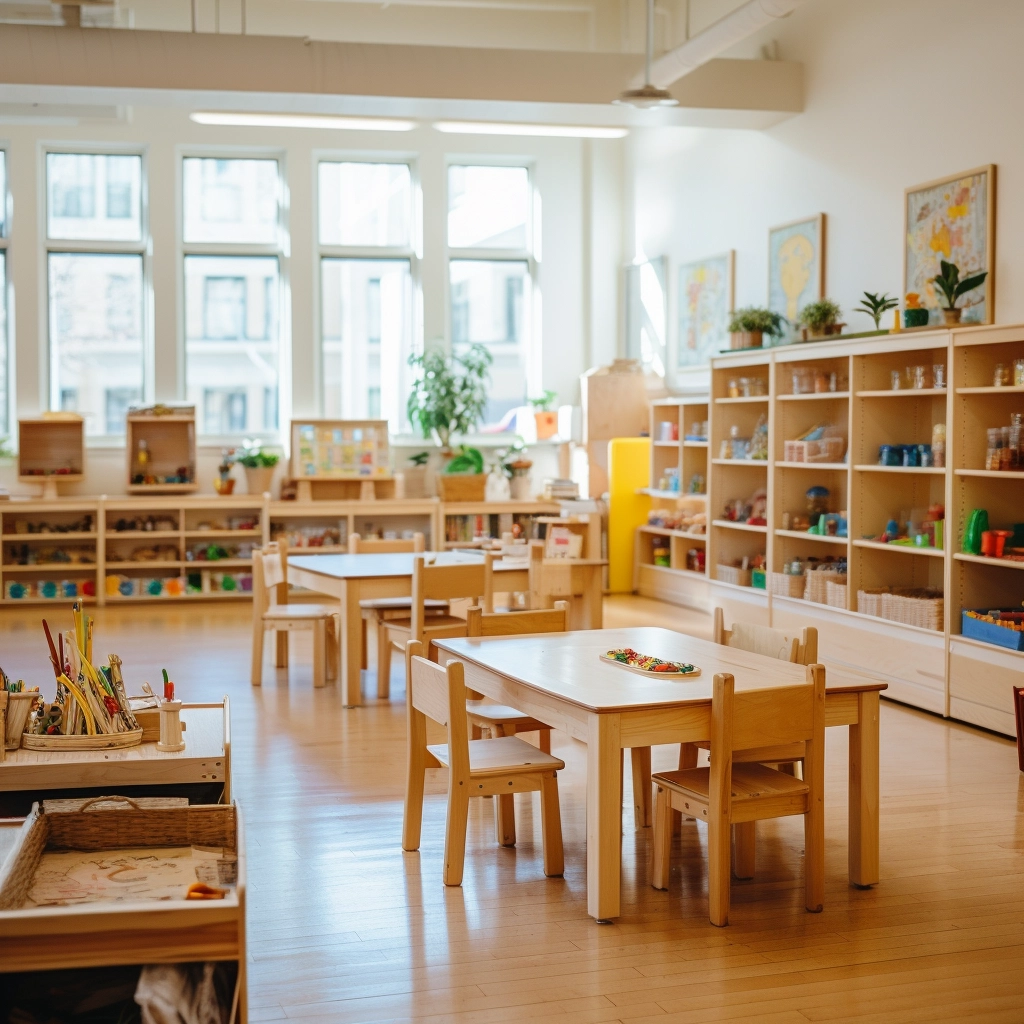
Why do some children light up at the sight of a puzzle, while others quietly test how shadows move across a wall? In every early learning environment, a curious child reveals their thinking not only through questions but through actions, choices, and moments of wonder that are easy to overlook. Understanding these behaviors helps answer a central question in early education: Why Is Curiosity Important. As educators, noticing and responding to these signals is at the heart of supporting growing curiosity.
Fostering curiosity for learning is not about giving children more to do. It is about slowing down and paying attention to how they already engage with the world. A curious child shows us what they are thinking through small actions such as pauses, questions, and experiments that often carry more meaning than any worksheet.
Curiosity learning happens when we create the right conditions. Children need space to explore, time to reflect, and guidance that respects their way of thinking. When these elements come together, curiosity grows naturally. This article explores why curiosity matters so deeply in early childhood development and how understanding it can improve both teaching strategies and learning outcomes.
What Is the Curiosity?
Children are naturally curious from the moment they begin to explore the world. Curiosity is not something that needs to be taught. It emerges as an internal drive that motivates infants and young children to touch, observe, and experiment. This desire to explore is far more than a playful impulse. In early childhood, curiosity becomes the central force that powers all learning and development across cognitive, emotional, and social domains.
Neuroscience helps explain why curiosity plays such a powerful role in development. When a child encounters something new, their brain releases dopamine, a chemical that strengthens attention and supports memory formation. This reaction turns exploration into a positive experience. The more curious a child feels, the more the brain rewards that behavior. Over time, this creates a natural cycle of motivation, learning, and deeper engagement with the world.
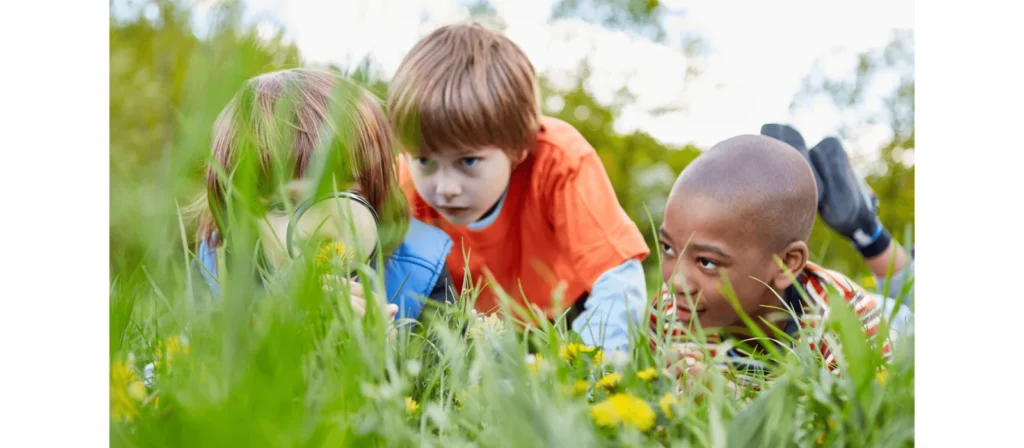
Educational thinkers like Maria Montessori recognized this drive as the foundation of meaningful learning. She believed that children learn best when their inner curiosity is respected and nurtured, not directed or restricted. In her approach, the environment is carefully prepared to invite exploration rather than control outcomes. Montessori described the child as “a hope and a promise for humanity,” reminding us that education should begin by trusting the learner’s natural path.
Common expressions of curiosity in early childhood include:
- Asking frequent “why” and “how” questions
- Repeating actions to observe outcomes
- Exploring objects by touching, shaking, or tasting
- Taking apart toys or materials to see what’s inside
- Engaging in pretend play and imaginative scenarios
- Showing strong interest in unfamiliar people, tools, or environments
- Testing limits to understand rules or cause-and-effect
Recognizing these behaviors as signs of curiosity, not misbehavior, allows educators to respond with patience and guidance rather than correction.
Why Is Curiosity Important in Early Childhood Development?
Curiosity – the spark of exploration
Curiosity – the catalyst of engagement
Curiosity – the fuel of creativity
Curiosity plays a foundational role in early childhood. It is not a minor personality trait, but a key developmental force that influences how children think, feel, and learn. When supported thoughtfully, curiosity strengthens cognitive abilities, nurtures emotional growth, and shapes the child’s long-term approach to learning. For educators, understanding this connection is essential to building responsive and effective learning environments.
Curiosity Helps the Brain Grow
Curiosity naturally leads children to explore, observe, and test their surroundings. These actions activate and strengthen neural pathways, especially in areas related to memory, attention, and problem-solving. Research indicates that when children are curious, they are more likely to retain information and approach challenges with persistence. In this way, curiosity does not simply support learning. It helps construct the brain’s learning architecture during its most sensitive period of development.
Curiosity Builds Social and Emotional Skills
Beyond cognitive gains, curiosity also supports a child’s emotional and social development. When children show interest in others through questions, observations, or attempts to join in, they are developing empathy and building communication skills. Curious learners are more likely to engage positively with peers and adapt to new situations. Environments that allow space for exploration help children build confidence, independence, and resilience through safe trial and error.
Curiosity Supports Lifelong Learning
The benefits of curiosity extend well beyond the early years. Children who grow up in curiosity-supportive environments often demonstrate higher levels of motivation, adaptability, and self-directed learning. They are more willing to seek out new knowledge and approach unfamiliar situations with openness. By nurturing curiosity early, educators are not only supporting short-term growth but also laying the foundation for a lifelong love of learning.
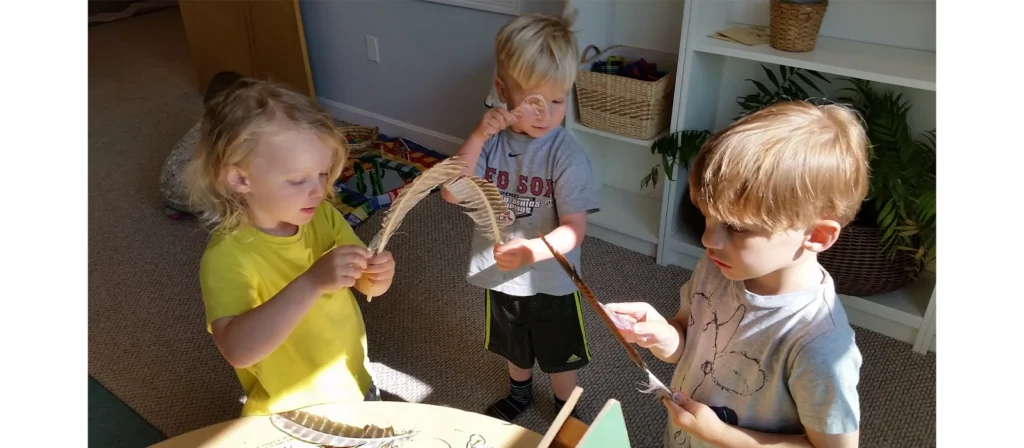
Curiosity vs. Interest and Attention: What’s the Difference?
In early childhood classrooms, it is easy to confuse curiosity with other types of engagement such as interest or attention. While all three are valuable, they are not the same. Understanding the difference helps educators recognize when a child is actively exploring, when they are simply enjoying an experience, and when they are focusing without necessarily learning deeply.
The table below outlines key differences to support clearer observation and more intentional teaching responses:
| Aspekt | Curiosity | Interest | Attention |
|---|---|---|---|
| Core Feature | Active exploration, questioning, experimenting | Preference or enjoyment | Focus on a task or object |
| Source of Motivation | Internally driven, desire to understand and discover | Often based on familiarity or enjoyment | May come from internal motivation or external direction |
| Linked to Learning | Yes, often leads to self-initiated learning | Sometimes, but may remain passive | Not always, depends on context |
| Common Behaviors | Asking questions, taking things apart, testing ideas | Watching, listening, repeating favored activities | Following instructions, staying on task |
| Educator’s Response | Offer open-ended materials, encourage inquiry, allow experimentation | Use interests to guide deeper thinking | Support focus with structure and minimal distraction |
How Educators Can Support Curiosity in Daily Practice
Curiosity thrives in learning environments that encourage exploration and value children’s questions. Educators play a key role in shaping these conditions. Through intentional choices in how they observe, respond, and design learning spaces, teachers can help transform curiosity into meaningful, lasting learning.
Observe Before Directing
Before introducing structured activities, take time to notice what children are naturally drawn to. Their spontaneous actions, questions, and interests offer insight into what they want to explore. Observation allows educators to plan in ways that connect curriculum goals to children’s genuine curiosity, making learning both relevant and engaging.
Offer Open-Ended Materials
Materials with multiple uses encourage creativity and problem-solving. Blocks, natural objects, fabric, and simple tools support a wide range of possibilities. These resources invite children to manipulate, combine, compare, and create based on their own ideas. Unlike fixed-function toys, open-ended materials promote flexible thinking and self-directed exploration.
Bring Open-Ended Exploration into Your Classroom
High-quality Montessori materials encourage children to think, explore, and discover through hands-on experiences. Tools like geography puzzle maps, bead chains, and sensorial blocks are designed to support independent learning while respecting each child’s natural curiosity.
Explore our collection of beautifully crafted classroom materials that promote creativity, concentration, and meaningful exploration in every area of learning.
Browse Montessori Classroom MaterialsTeach Curiosity by Example
Children learn how to approach new situations by watching adults. When educators express curiosity by wondering aloud, asking thoughtful questions, or showing excitement about discovery, they signal that learning is an ongoing process. This models a mindset that embraces uncertainty and values the journey of finding out, not just having the answer.
Allow Time for Trial and Error
Curiosity involves testing ideas, revising thinking, and learning from mistakes. This process takes time. Rushing children through activities or correcting too quickly can interrupt their natural inquiry. Allowing space for experimentation and reflection helps build resilience and a deeper understanding of how things work.
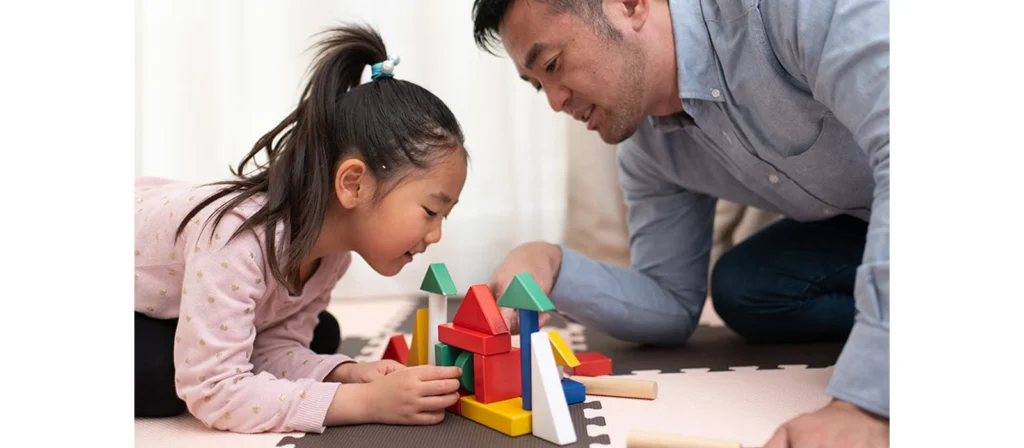
Support Child-Led Projects
When children are given the opportunity to follow their own questions, their engagement deepens. A child-led project might begin with a question, an object found outdoors, or a shared classroom experience. Educators support these explorations by offering time, space, and gentle guidance. This approach promotes independence, sustained focus, and interdisciplinary learning.
Common Mistakes That Suppress Curiosity
Even with the best intentions, certain classroom practices can unintentionally discourage curiosity. Recognizing these common pitfalls allows educators to make small but powerful changes that better support children’s natural drive to explore and learn.
Mislabeling Curious Behavior as Misbehavior
When children ask too many questions, take things apart, or test limits, their actions are sometimes seen as disruptive. However, these behaviors often signal curiosity rather than defiance. A child who repeatedly pours water or opens classroom drawers may be exploring cause and effect, not being careless. Responding with patience and curiosity rather than immediate correction helps preserve the child’s sense of safety in exploration.
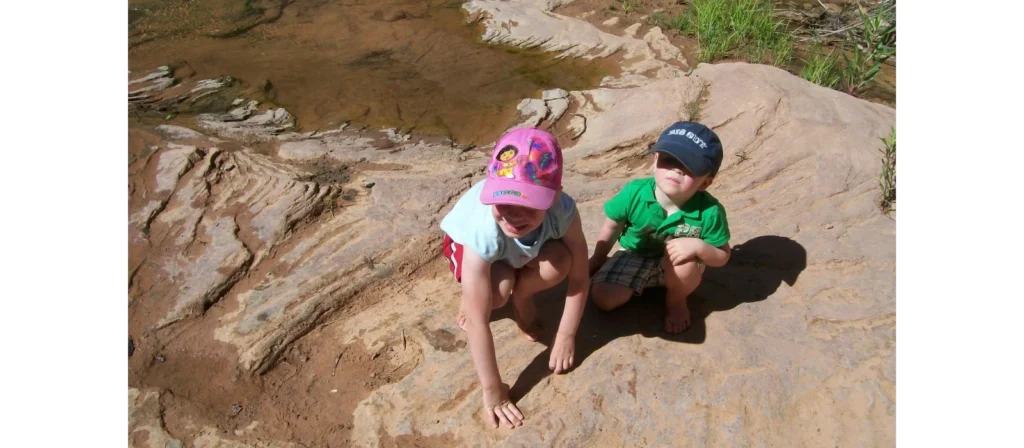
Overstructuring the Learning Environment
Highly controlled classroom environments with tight schedules, scripted activities, or limited materials can reduce opportunities for inquiry. While structure helps maintain order, too much of it can leave little space for spontaneous discovery. Children benefit from freedom within clear boundaries, in settings where they can choose, ask, and follow their own questions without feeling they are doing something wrong.
Focusing Only on Right Answers
When educators place too much emphasis on correct answers, they may unintentionally signal that wondering is less important than being right. If a child’s ideas are dismissed or if curiosity is met with pressure to perform, their motivation to explore may decrease. Valuing the thinking process, even when it is incomplete or uncertain, supports deeper learning and sustained engagement.
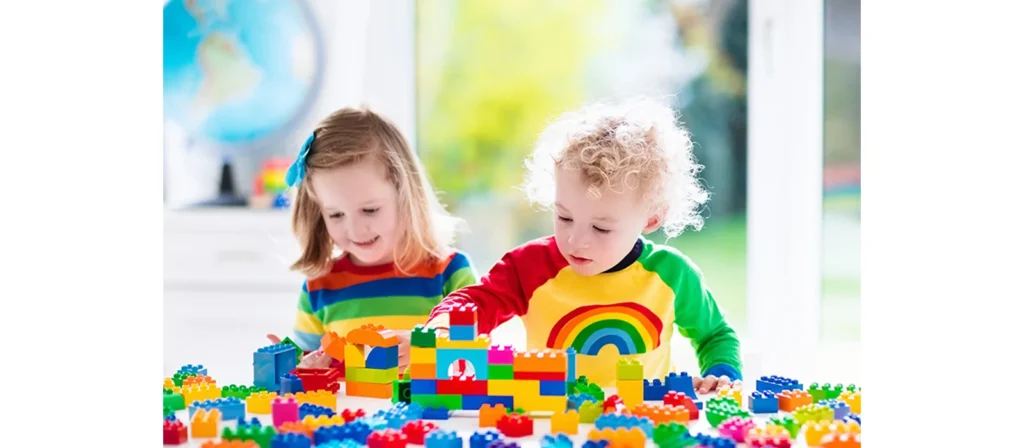
Creating a curiosity-friendly classroom begins with reflection. By reconsidering how we interpret and respond to children’s behavior, we can build learning environments that protect and nurture their most natural and powerful learning tool.
Abschluss
Curiosity is more than a passing childhood trait. It is a powerful learning force that drives children to explore, question, and make sense of the world around them. In early childhood, when the brain is most open to growth, curiosity plays a central role in shaping how children think, relate, and develop into lifelong learners.
For educators and school leaders, supporting curiosity does not mean doing more. It means approaching teaching with greater intention, creating environments that invite exploration, allowing time for deep thinking, and responding to children’s questions with genuine interest. When curiosity is nurtured, children become more confident, engaged, and capable of leading their own learning journeys. This is not only good teaching practice, it is the heart of meaningful education.
FAQs
What are the signs of a curious child in the early years?
A curious child often shows strong interest in how things work, asks frequent questions, and enjoys exploring unfamiliar materials or ideas. They may test boundaries, seek new experiences, or become deeply focused on discovering something for themselves. These behaviors are all healthy expressions of early curiosity learning.
How can educators support growing curiosity in children?
Growing curiosity needs space, time, and emotional safety. Educators can support it by offering open-ended activities, responding to children’s questions with interest, and allowing space for trial and error. Providing materials that invite exploration helps children take ownership of their curiosity for learning.
What is the connection between curiosity and learning in early childhood?
Curiosity and learning are deeply linked. When children are curious, they are more motivated to observe, question, and investigate. This natural drive leads to deeper engagement, stronger memory, and more meaningful connections between experiences. In essence, curiosity fuels the entire learning process.
How can teachers encourage curiosity for learning in a busy classroom?
Even in structured settings, small adjustments make a big difference. Teachers can encourage curiosity for learning by building in open-ended time, welcoming children’s ideas, and framing lessons around real-world questions. Creating a classroom culture that values inquiry over quick answers helps every curious child thrive.
Can curiosity learning look different for different types of children?
Yes. Curiosity learning is not always loud or obvious. Some children explore by moving, others by watching or asking quietly. Recognizing diverse expressions of curiosity allows educators to notice and support each child’s unique learning style, whether they are highly verbal or more reflective.

 German
  English
  Korean
  Japanese
  Italian
  Arabic
  Spanish
  French
  Thai
Thai