The right daycare cot does more than give children a place to rest. In busy child care centers and preschools, it can support safer nap routines, make classrooms easier to manage, and help create a clean, calm environment that families trust. A poorly chosen cot, by contrast, can lead to daily problems with storage, cleaning, durability, and overall ease of use.
That is why buying daycare cots should never come down to price alone. Center owners, directors, and purchasing teams need to consider how each option will perform in real classroom conditions, from safety and comfort to stackability, maintenance, and long-term value. Before looking at specific features, it helps to first understand the main types of daycare sleep equipment and which option best fits your center’s age groups and nap-time routine.
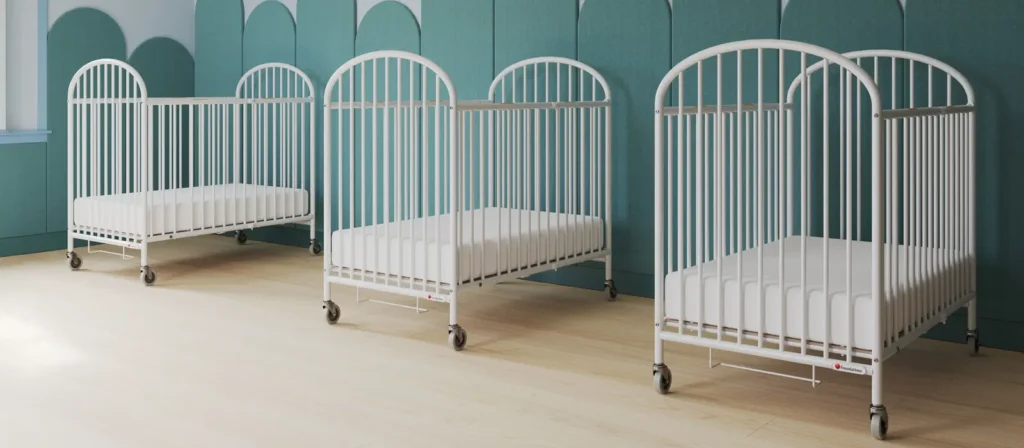
What Are the Main Types of Daycare Sleep Equipment?
Before comparing daycare cots, cribs, and rest mats in more detail, it helps to look at the main types of daycare sleep equipment commonly used in child care centers and preschools. The most common options include:
View all children’s rest beds for preschools from WestShore Furniture.
أسِرَّة أطفال دار الحضانة
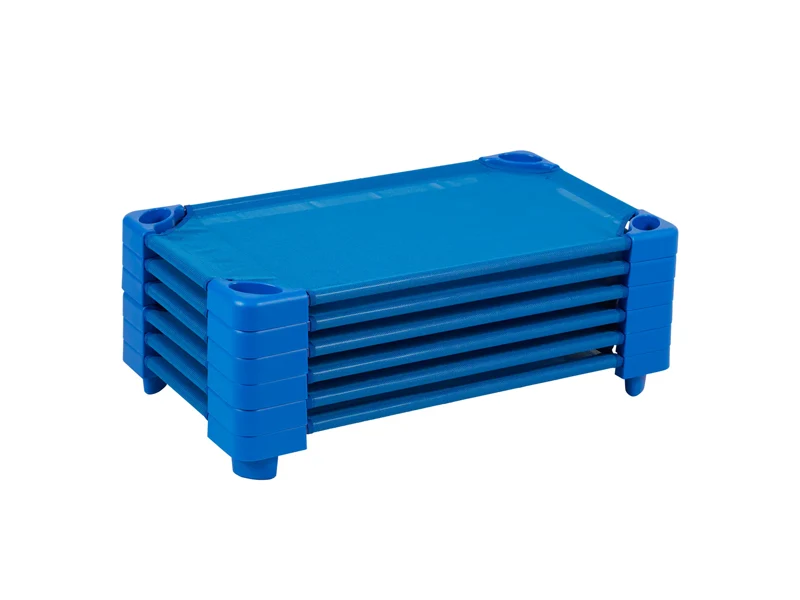
Daycare cots are a common choice for toddler and preschool nap time. They are practical, easy to clean, and designed for daily use in child care settings.
Daycare Cribs
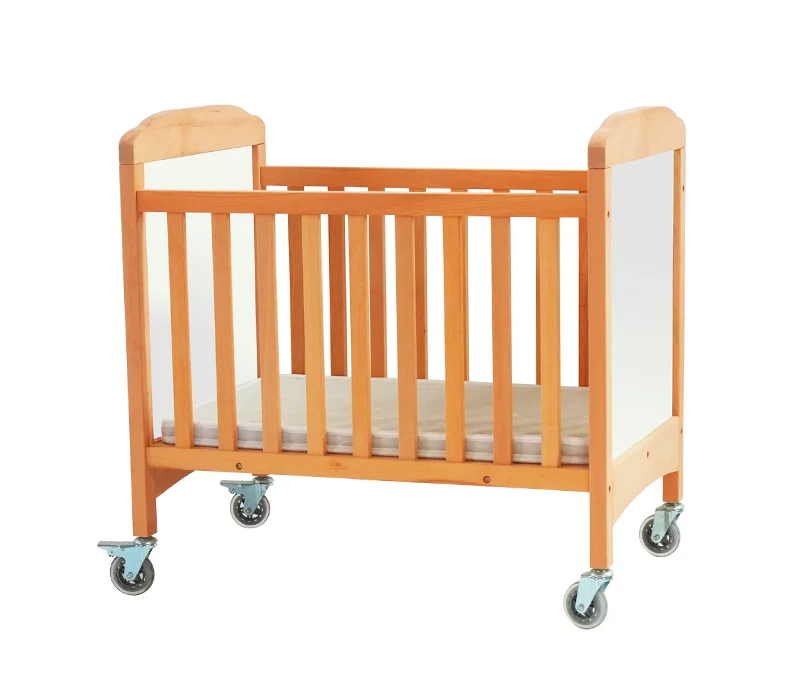
Daycare cribs are designed for infants and younger children who need a more secure sleep space. They are commonly used in infant rooms and early care programs.
Rest Mats (Nap Mats)
Rest mats are lightweight mats placed on the floor for nap time. They are easy to store and work well in flexible classroom setups.

Folding Cots
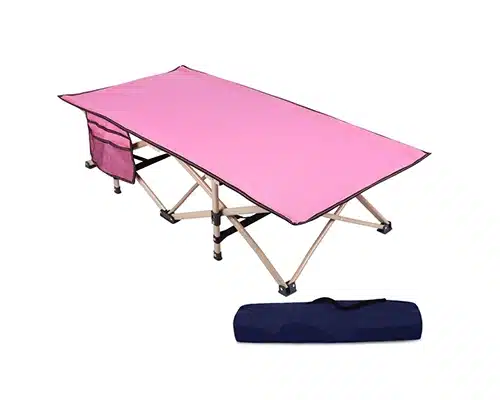
Folding cots can be folded for compact storage or transport. They are useful in programs that need a portable sleep solution.
Convertible Cribs or Multi-Use Sleep Systems
Convertible cribs or multi-use sleep systems can be adjusted from one sleep setup to another, such as from a crib to a toddler bed or daybed. They are a flexible option for programs that want longer-term use from one product.

Each type is designed for different age groups, classroom layouts, and daily routines. Understanding these categories first makes it easier to compare the most common options side by side and choose the right fit for your center.
Daycare Cots vs Cribs vs Rest Mats: Which One Should You Choose?
Before choosing a sleep solution for your center, it helps to compare the most common options side by side. Daycare cots, cribs, and rest mats are all used in child care settings, but they differ in terms of age-group fit, daily use, space efficiency, and overall practicality.
The comparison below outlines the key differences between these three options, helping buyers quickly see where each one works best. This makes it easier to match the right sleep equipment to your classroom needs, supervision level, and nap-time routine.
| Comparison Point | أسِرَّة أطفال دار الحضانة | Daycare Cribs | Rest Mats |
|---|---|---|---|
| Best for | Toddlers and preschoolers | Infants and younger toddlers | Older toddlers and preschoolers |
| Primary use | Everyday group nap time | Infant sleep and protected rest spaces | Flexible floor-based nap setups |
| Sleeping position | Raised off the floor | Enclosed sleep space | Directly on the floor |
| Safety support | Good for supervised classroom use | Highest level of containment | Depends more on setup and supervision |
| Space use | Easy to stack and organize | Takes up more room | Easiest to store |
| Daily setup | Practical for routine use | Less flexible to move around | Quick to place and remove |
| Most suitable for | Centers that need balance between hygiene, storage, and daily use | Programs caring for very young children | Classrooms that need maximum flexibility or lower-cost options |
In short, cribs are typically best for infants, daycare cots are the most practical choice for daily preschool and child care use, and rest mats work best when flexibility is the top priority. Once this basic difference is clear, the next step is to look at one of the most important buying factors: safety.
Key Factors to Consider When Buying Daycare Cots
Choosing daycare cots is not only about giving children a place to rest. For child care centers and preschools, the right cot also needs to match the children you serve, hold up to repeated daily use, stay easy to clean, and support smooth classroom routines over time. Looking at these factors early can make it easier to compare products and avoid buying cots that seem fine at first but create problems later.
أمان
Safety should be a key part of every daycare cot buying decision. In child care settings, cots are used frequently and often by very young children, so buyers need to look beyond price and appearance. A cot should not only feel safe when it is new, but also remain safe after repeated use, stacking, cleaning, and daily handling in the classroom.
When evaluating daycare cots, it helps to think about safety in two stages: before purchase and during everyday use.
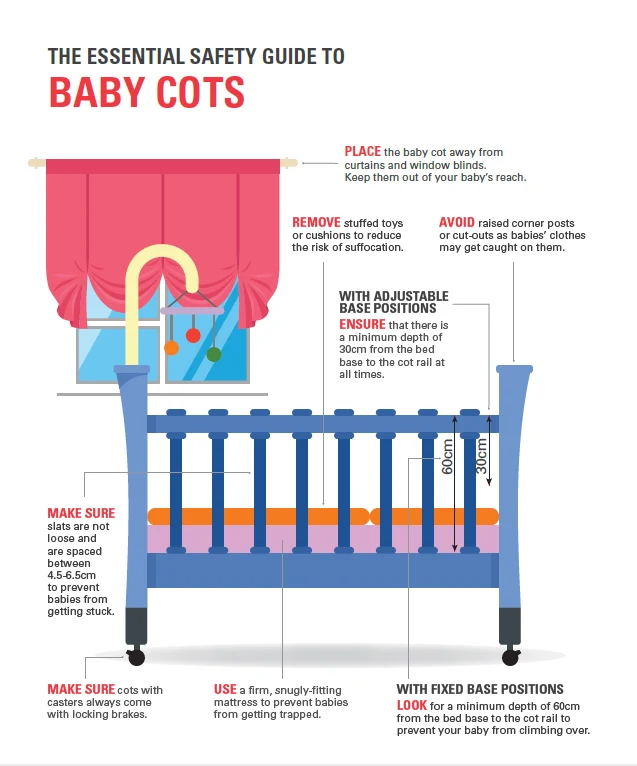
Before purchase, check for:
- Overall stability
- A strong and secure base
- No loose or poorly fitted parts
- Age-appropriate design
- Proper mattress fit, if applicable
- Smooth, child-friendly construction
These basic checks can help you avoid products that may create safety risks from the start.
During use, pay attention to:
- Correct assembly
- Regular inspections
- Secure fasteners and supports
- Safe sleep setup
- Appropriate use by age and size
- Routine maintenance
- Safe placement in the room
A daycare cot should stay safe not just on delivery day, but throughout daily use in a busy classroom environment.
Classroom Space and Layout
Even a well-made daycare cot can become impractical if it does not fit your classroom layout. In many child care centers and preschools, nap areas need to work within multi-use rooms that also support play, learning, and group activities. That means the right cot should not only be comfortable for children, but also easy to arrange, remove, and store as part of the daily routine.
Before buying, think about how much open floor space you actually have during nap time and how quickly the room needs to transition back to other activities. It is also important to consider aisle space, teacher movement, and how easily children can get on and off their cots without disrupting the room. Cots that fit the space well can help staff maintain supervision, keep the classroom organized, and make nap-time setup much easier to manage.
Daycare Cot Size, Height, and Age Group Considerations
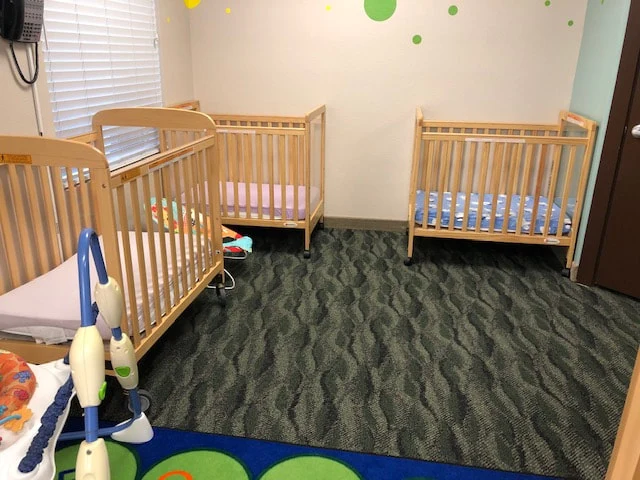
Daycare cot size should match the age group you serve. In most child care settings, cots come in two common lengths: toddler و standard. Toddler cots are usually about 40 to 45 inches long and are generally suited for children in the 12- to 36-month range. Standard cots are typically 52 to 55 inches long and are a better fit for older toddlers and preschoolers who need more room during rest time.
Width and height are also worth checking before you buy. Most daycare cots are around 21 to 23 inches wide, which gives children enough space to lie comfortably without encouraging too much rolling or movement. Many cots are also about 5 inches high, making them low enough for young children to get on and off more easily. Buyers should also review the weight limit, since it can vary by style and manufacturer, although many daycare cots support at least 70 pounds. Choosing the right size, height, and weight range can help ensure a better fit for your children and smoother daily use for your staff.
Comfort and Rest-Time Experience
Comfort still plays an important role, especially for children who need a calm and consistent place to settle during the day. A well-designed cot can help support a better rest-time experience by giving children a clean, dependable sleeping surface they can become familiar with over time. While buyers do not need to focus on unnecessary extras, they should still choose cots that help create a more relaxed and welcoming nap environment.

Durability for High-Frequency Use
Daycare cots are used much more heavily than sleep products in most home settings. They are set up, stacked, moved, cleaned, and reused day after day, so durability should be a major part of the buying decision. Choosing a cot made for commercial or institutional use can help reduce early wear, limit replacements, and make the investment more worthwhile over the long term.
Easy Cleaning and Maintenance
In child care environments, sleep equipment needs to be cleaned regularly, so maintenance should never be an afterthought. Buyers should look for cots with surfaces and materials that are easy to wipe down and designs that do not make cleaning harder than necessary. When cots are simple to maintain, staff can keep the nap area cleaner, save time during the day, and support more consistent hygiene routines.
خاتمة
Choosing the right daycare cot is not just about finding the lowest price. For child care centers and preschools, the best choice is one that supports safe rest time, fits the classroom well, stands up to repeated use, and continues to deliver value over time. When buyers look beyond upfront cost and focus on long-term performance, they are much more likely to choose equipment that truly works for their center.
A well-chosen cot can improve nap-time routines, simplify storage and maintenance, and create a cleaner, more organized environment for children and staff. That is why many centers take the time to compare features carefully before making a purchase.
في أثاث ويست شور, we help child care programs choose daycare cots and classroom furniture that are built for everyday use. From stackable cots to other practical solutions for early learning spaces, we focus on products that combine durability, functionality, and value. If your center is planning an upgrade or preparing for a bulk purchase, West Shore Furniture can help you find the right fit for your classrooms and daily routines.

Questions to Ask Before Ordering Daycare Cots in Bulk
Before placing a bulk order, it’s important to ask the right questions to avoid costly mistakes and ensure the cots fit your center’s daily needs.
How many daycare cots do I actually need?
Start with your enrollment numbers, classroom capacity, and nap-time routine. In most cases, centers need one cot per child in each classroom, but it is also wise to plan for a small buffer. Extra units can be useful for new enrollments, damaged cots, classroom changes, or temporary replacements. Thinking beyond your current headcount can help you avoid reordering too soon.
Are these daycare cots suitable for my age group?
Not all daycare cots are designed for the same children. Before ordering, confirm the recommended age range, height, and weight limits to make sure the cot matches the children in your care. A cot that is too large, too high, or not designed for the right stage may be less practical for daily use and less comfortable for the child. Age-group fit also affects how easily children can use the cot during regular nap-time routines.
How easy are the cots to stack, store, and move?
This is one of the most important questions for classrooms that use the same space for multiple activities. Ask how many cots can be stacked together, how much storage space they require, and whether staff can move them easily during setup and cleanup. Even a well-made cot can become inconvenient if it is too bulky, too heavy, or difficult to organize at the end of each day.
Are replacement parts or accessories available?
Over time, some parts may wear down or need to be replaced, especially in busy child care environments. It helps to know whether replacement parts are available and whether the cot works with practical accessories such as fitted sheets, labels, or storage solutions. These details may seem small during the buying stage, but they can make everyday use much easier and extend the useful life of the product.

 Arabic
  English
  Korean
  Japanese
  Italian
  German
  Spanish
  French
  Thai
Thai