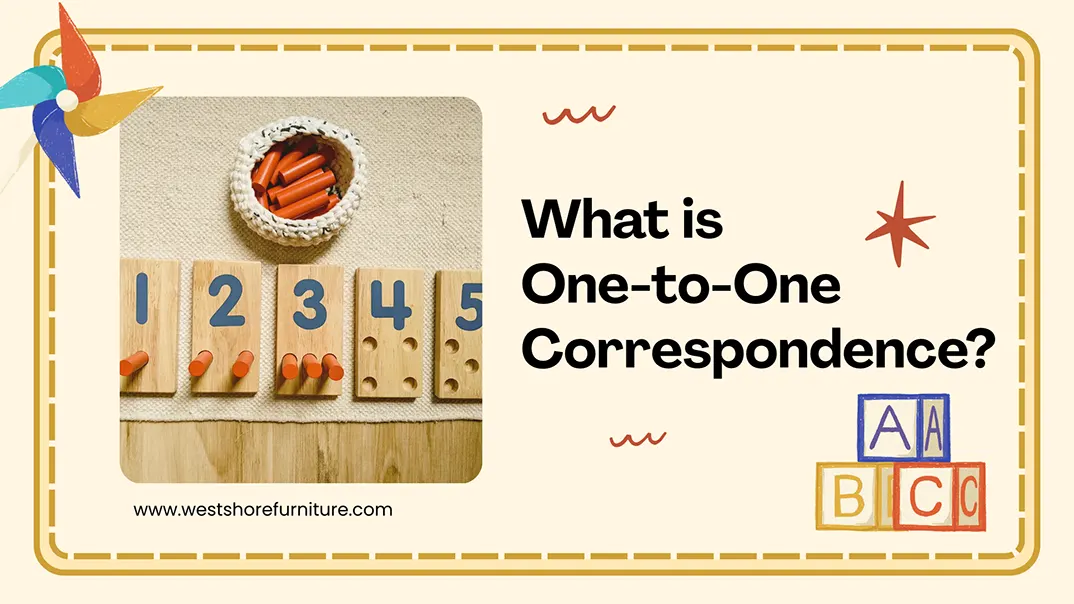
One-to-one correspondence is the ability to match one object to one number word during counting. It means that a child understands that each item in a group is counted once and only once. This simple idea forms the base of accurate counting and early number sense.
For many young children, mastering one-to-one correspondence takes practice and time. They may skip objects, count the same item twice, or lose track of the sequence. These moments are natural parts of development and offer important insights for teachers and caregivers.
This article introduces the definition of one-to-one correspondence, explains why it matters, and offers strategies educators and families can use to support children as they learn.
Why One-to-One Correspondence Matters in Early Childhood?
One-to-one correspondence is a foundational idea that supports children’s understanding of numbers and quantity. It gives meaning to counting and prepares young learners for more advanced mathematical thinking. By mastering this concept, children gain the tools they need to count accurately, think clearly, and approach learning with confidence.
Prevents Miscounting and Builds Accuracy
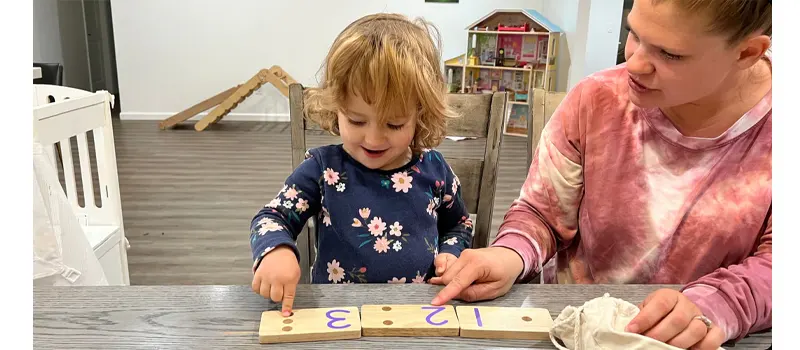
Children who lack one-to-one correspondence may skip items or count the same object more than once. Practicing this skill teaches them to assign one number to one item, which leads to more accurate counting. This accuracy is important for solving real-world problems and succeeding in school-based math tasks.
Strengthens Number Sense and Logical Thinking
As children practice pairing objects with number words, they become more aware of how quantities change. They notice when sets grow, when they shrink, and how to compare groups. These experiences help children develop strong number sense, which is essential for later work with addition, subtraction, and simple problem solving.
Supports Independence in Daily Routines
Children use one-to-one correspondence in many real situations, such as passing out materials, placing one item in each cubby, or helping with classroom jobs. These tasks allow children to practice organizing and distributing items while building responsibility and independence. They also reinforce mathematical thinking in natural and meaningful ways.
Strengthens Attention and Coordination
Matching objects one by one requires children to coordinate their eyes, hands, and voices. This process strengthens focus, self-regulation, and fine motor control. As children practice, they learn to slow down, track items carefully, and work with intention, skills that benefit all areas of learning.
Supports Social Skills Through Sharing and Fairness
Children often encounter one-to-one correspondence in social situations without even realizing it. Sharing toys, handing out snacks, or setting the table all involve matching one item per person. These small acts introduce young children to the idea of fairness and equality. When a child sees that everyone gets one cookie or one crayon, they begin to understand social balance.
When Should You Start Teaching One-to-One Correspondence?
Most children are ready to begin learning one-to-one correspondence between the ages of two and four, though the exact timing can vary depending on their individual development. Around age two, children may start to mimic counting by saying numbers aloud, even if they don’t yet grasp what those numbers mean. This is a great sign that their brains are beginning to connect language and quantity.
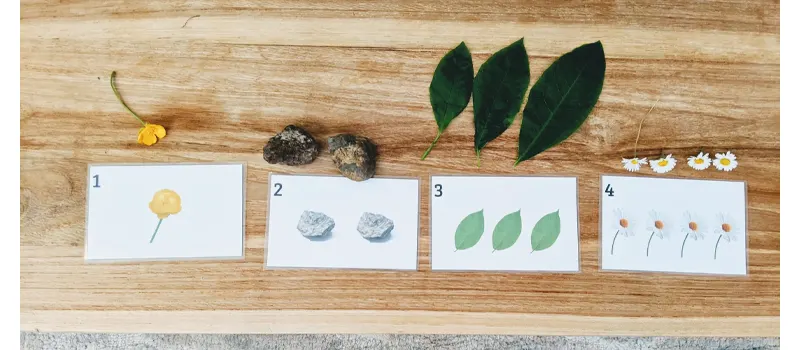
By age three, many children become more intentional in their actions. They might hand out toys one at a time, or point to items as they “count.” These behaviors suggest that they’re starting to understand the basics of matching one object with one number word, which is the heart of one-to-one correspondence.
Look for signs like pointing to objects one at a time, organizing items into rows, or trying to “fairly” share things with others. If your child is showing these cues, they’re likely ready to start developing this important early math skill through simple games, storytelling, and hands-on activities.
Signs That a Child Is Ready to Learn One-to-One Correspondence
- Shows interest in counting or saying numbers out loud
- Points to or touches objects one at a time while counting
- Tries to give out one item per person (like snacks or toys)
- Lines up or organizes objects into rows or groups
- Enjoys sorting and matching games
- Gets upset if something isn’t shared “fairly”
- Follows simple instructions involving one-to-one actions (e.g., “put one block in each box”)
- Recognizes that each item or person should get just one of something
How to Teach One-to-one Correspondence?
Teaching one-to-one correspondence works best when it is introduced through playful, hands-on experiences that feel natural to young children. Rather than formal lessons, children learn this concept through movement, interaction, and meaningful daily routines. The goal is to help them connect number words with real objects in a way that is clear, consistent, and enjoyable.
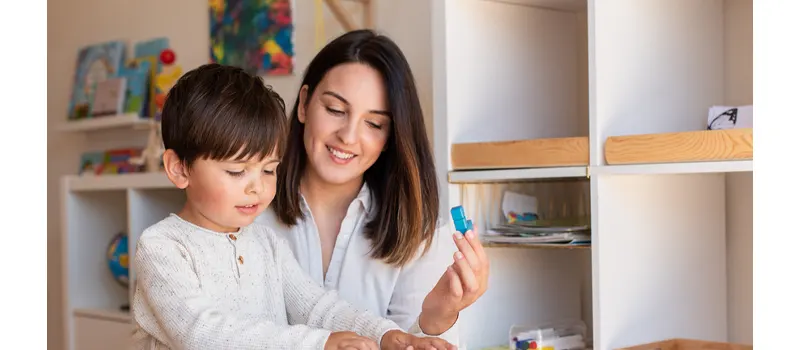
1. Start with Real Objects Children Can Touch and Move
Hands-on materials give children a clear sense of quantity. Using blocks, toy animals, buttons, or snacks allows children to move each item as they count. This movement strengthens their understanding that one number word goes with one object and helps them stay focused on the counting sequence.
2. Use Natural Daily Routines as Teaching Moments
Many everyday tasks are ideal opportunities to practice one-to-one correspondence. Children can hand out one plate to each friend at snack time, place one toy in each cubby during cleanup, or add one item to each space on a shelf. These real situations are meaningful and help children understand how counting applies to daily life.
3. Model Slow and Clear Counting
Children benefit from hearing adults count slowly while pointing to or touching each object. This modeling shows them how to keep track of items and how to match each number word with an object. Consistent modeling also helps children learn the rhythm and order of number words.
4. Encourage Children to Point or Touch Each Object
Using their finger to point, tap, or move items helps children maintain accuracy. This simple action prevents double-counting or skipping objects and gives children a physical way to stay engaged with the counting process.
5. Provide Visual Supports
Tools like ten frames, sorting trays, mats with spaces, or cards with dots give children a clear structure to follow. Each space represents one object, making it easier for children to see when sets are complete or when something is missing. Visual supports help children connect number words with physical placement.
6. Offer Repetition Through Playful and Varied Activities
Children need many chances to practice. Activities such as placing one sticker in each box, feeding toy animals one piece of pretend food, or matching cards to objects all build confidence. Variety keeps the learning enjoyable while giving children repeated exposure to the same idea.
7. Give Gentle Prompts and Supportive Feedback
When children lose track or skip an object, calm and simple prompts such as “try touching each one” help guide them back. Encouraging comments support their confidence and show that mistakes are part of learning. This reassurance motivates children to try again.
How Do You Know If a Child Understands One-to-One Correspondence?
Recognizing whether a child has developed one-to-one correspondence is essential before introducing more advanced math concepts. While many children can recite numbers, this alone does not confirm understanding. True mastery involves matching each number to a unique object during counting, without skipping or double-counting.
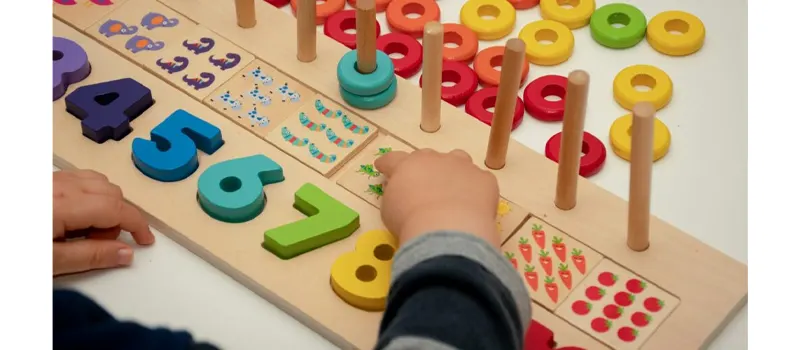
Count Each Object Once Without Repeating or Skipping
A clear sign of understanding is when a child points to or moves each item while saying only one number per object. This shows they recognize that each object must be matched with a distinct number in the counting sequence. Skipping items or counting the same object twice may indicate they are still developing the skill.
Stop Counting When the Objects Are Finished
Children who understand one-to-one correspondence often know to stop counting when there are no more items to match. They do not continue saying numbers beyond the quantity of objects, showing they are not just memorizing a sequence but are aware of quantity and correspondence.
Answer “How Many?” Questions Accurately
If a child counts five buttons and confidently answers, “There are five,” without recounting or guessing, this indicates a solid grasp of one-to-one correspondence. They are not only counting but also understanding that the final number represents the total quantity.
Applies the Concept in Daily Routines
One-to-one correspondence becomes clear when children use it outside of structured activities. If they give one cup to each friend, place one sticker on each card, or check whether everyone has a napkin, they are applying the concept naturally. Real-life use is a strong indicator of mastery.
Notices Mistakes or Inconsistencies
A more advanced sign of understanding is when the child identifies counting errors. They may say that an object was missed or that someone received an extra item. This awareness shows that the child understands the logic behind matching items evenly.
Best Toys for Teaching One-to-One Correspondence
Purposeful toys and hands-on materials make learning one-to-one correspondence more concrete and enjoyable for young children. The right tools give children clear ways to match, sort, place, and count objects while supporting independence and exploration. The following toys are especially effective for helping children connect number words with real quantities.
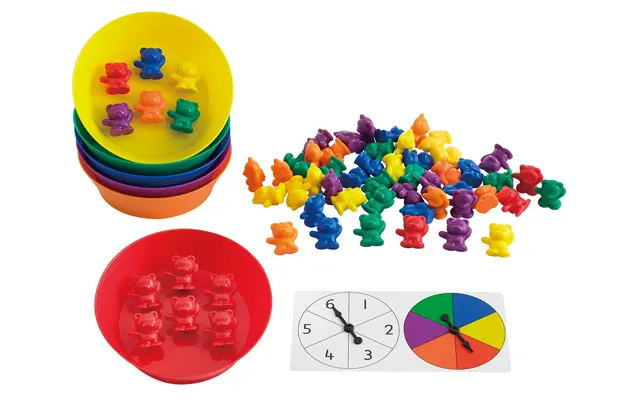
Counting Bears and Sorting Animals
These small manipulatives are ideal for matching one object to one space or card. Children can place one bear in each cup, tray, or circle on a mat, which strengthens accuracy in counting. The bright colors and familiar animal shapes keep children engaged while supporting sorting and early comparison skills.
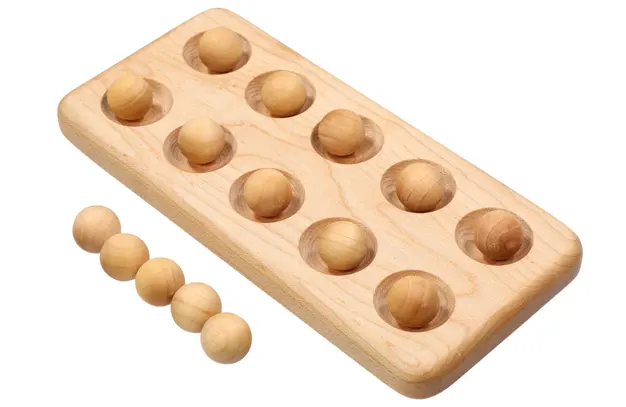
Ten Frames and Counting Mats
Ten frames provide structured spaces that guide children to place one item in each square. This visual layout helps children slow down, stay organized, and connect the idea of quantity to physical placement. Counting mats with pictures or simple outlines offer similar support while allowing for playful themes.
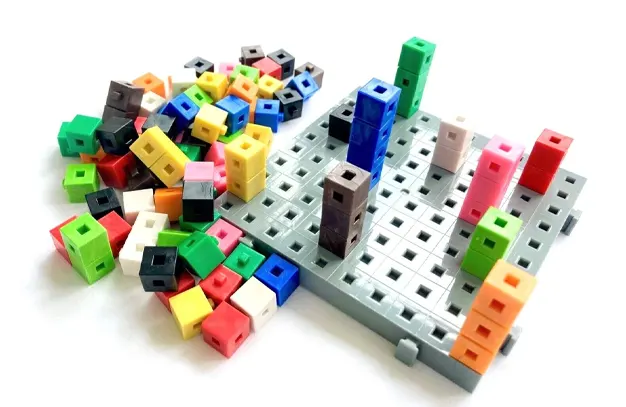
Linking Cubes and Snap Blocks
These cubes can be connected one at a time, making them excellent for practicing consistent counting. Children attach one cube for each number word and can easily see the length grow as quantities increase. The cubes also support early addition concepts because groups can be combined and separated.
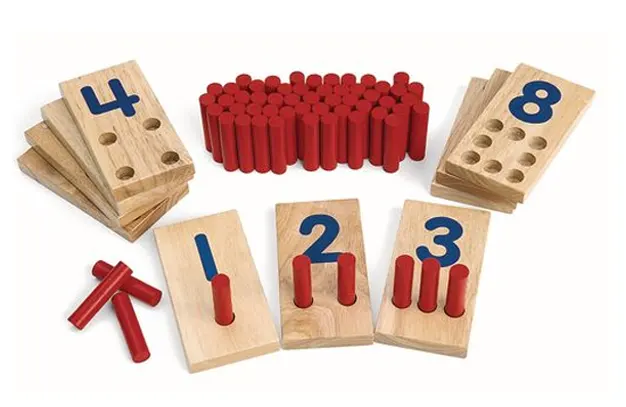
Peg Boards and Peg Puzzles
Peg boards offer clear individual spaces for each peg, which encourages children to match one peg to one hole. This builds fine motor control along with accurate counting. Peg puzzles with pieces that fit into specific slots work in a similar way and help children visually track one-to-one relationships.
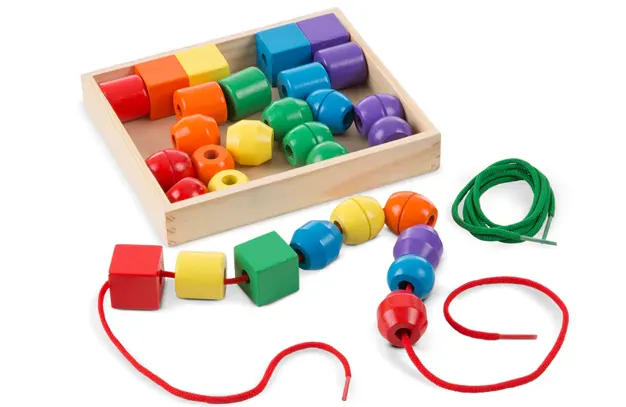
Bead Strings and Lacing Beads
Beads encourage children to place one bead on the string with each number in the counting sequence. This slow, deliberate movement strengthens the physical and visual connection between counting and quantity. Lacing beads also builds hand strength and coordination.
Activities to Reinforce One-to-One Correspondence
Engaging activities help children strengthen one-to-one correspondence through movement, touch, and meaningful interaction. These practices make counting concrete and enjoyable while giving children many chances to connect number words with real objects. The following activities are simple to set up and effective across different learning environments.
- Snack Distribution: Have your child give one piece of fruit, a cracker, or a cookie to each person or toy. It’s a great way to combine math with sharing and fairness.
- Setting the Table: Let your child place one plate, cup, and spoon at each seat. This teaches both responsibility and matching.
- Sticker or Dot Games: Give them stickers and a worksheet with empty boxes. Ask them to put one sticker in each box.
- Toy Lineups: Use cars, animals, or blocks and line them up, placing one in each parking space, basket, or drawn square.
- Counting Songs with Movement: Songs like “Five Little Ducks” or “Ten in the Bed” reinforce one-to-one matching through rhythm and action.
- Build Towers with a Counting Goal: Invite children to build a tower with a specific number of blocks. As they place each block on top, they count aloud and match each number word with one block.
- Ten Frame Fill-In: Use a ten-frame (a simple 2×5 grid) and provide small objects like buttons or coins. Ask your child to place one item in each box as they count. It helps build structured number sense and makes quantity easier to visualize.
Abschluss
One-to-one correspondence is a foundational concept that bridges the gap between rote counting and true number understanding. It enables children to recognize the value of numbers by connecting them to real-world objects and experiences.
As you plan lessons or interact with children at home, look for opportunities to weave one-to-one correspondence into everyday moments. With consistent support and simple, meaningful practice, children will build a strong foundation for future math learning and develop a lasting interest in numbers and problem solving.

 German
  English
  Korean
  Japanese
  Italian
  Arabic
  Spanish
  French
  Thai
Thai