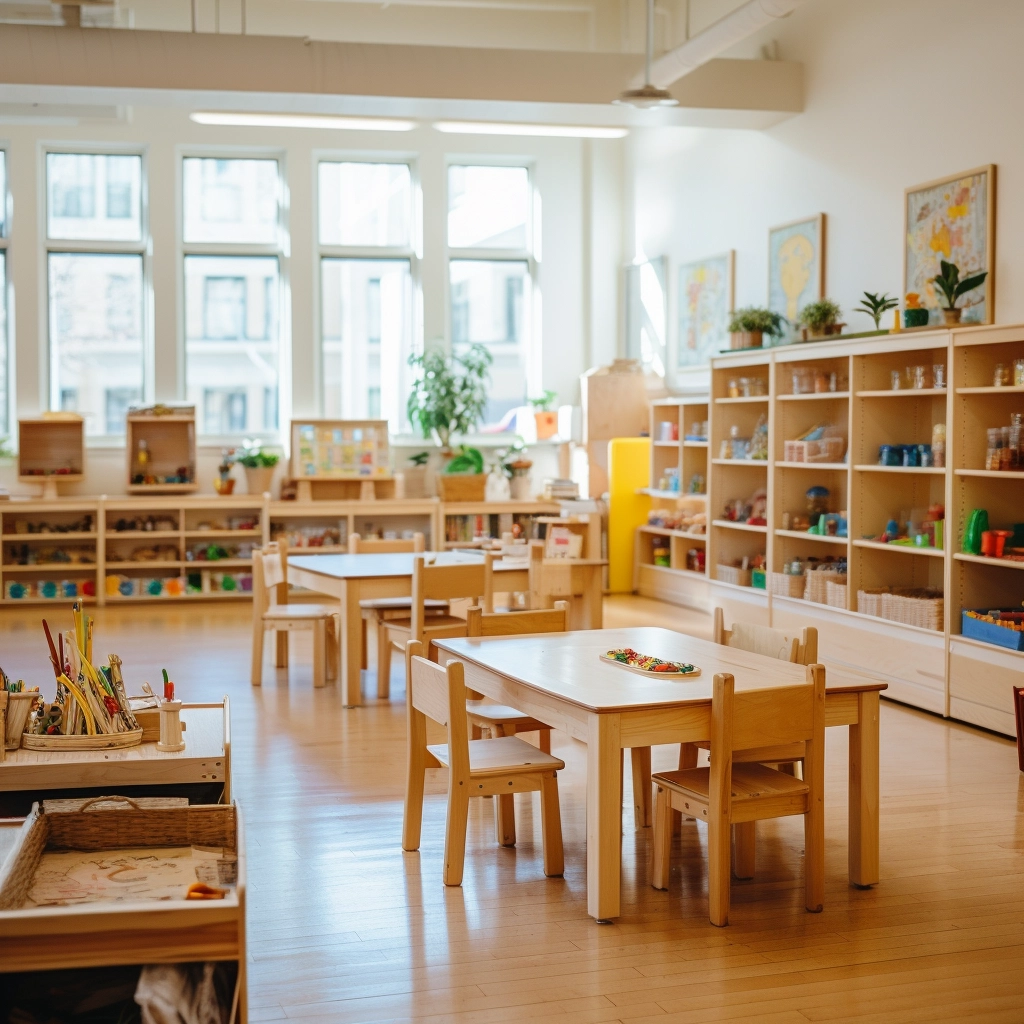
Sand and water play is one of the most effective ways to support early childhood development through hands-on, sensory learning. When children scoop, pour, dig, and mix, they are not only enjoying water play and sand exploration, they are also building early science thinking, strengthening habilidades motoras finas, and learning how materials change through cause and effect. Because sand and water play is open-ended, it naturally encourages curiosity, creativity, and independent problem solving in preschool and daycare settings.
In early learning environments, activities like water play for kids and sand play are often organized around a sand and water table so children can explore safely in small groups. This kind of sensory play helps children practice language and social skills as they share tools, collaborate, and describe what they notice. Whether used indoors as part of a classroom sensory corner or outdoors as an active play station, sand and water play supports learning that feels natural, engaging, and developmentally appropriate.
What Is Sand and Water Play in Early Childhood?
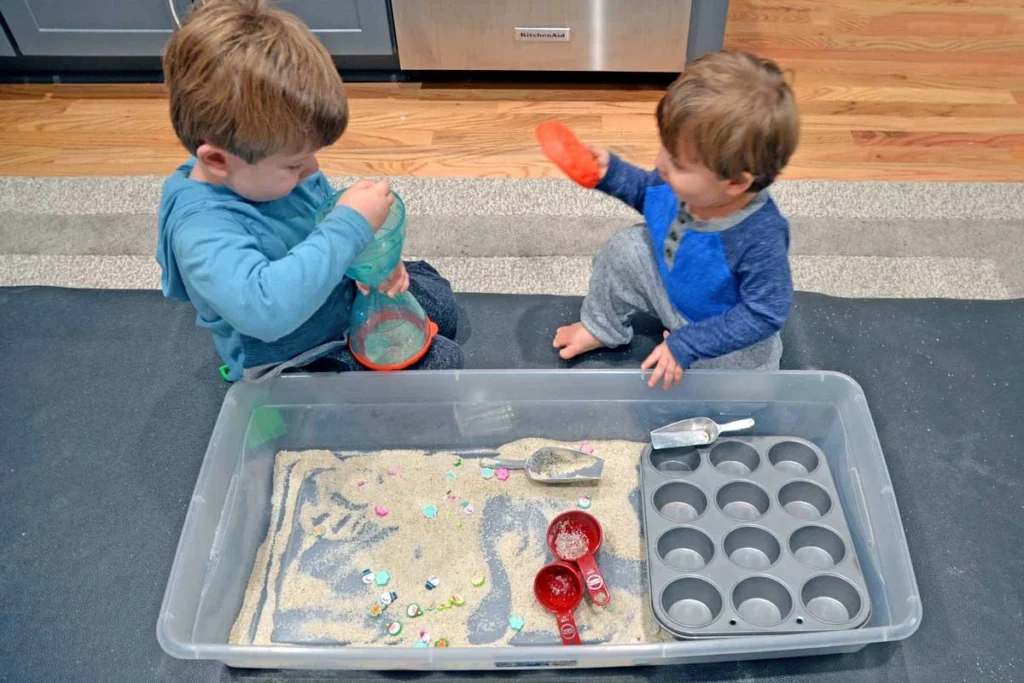
Sand and water play refers to sensory-based activities where children explore materials like sand and water through touching, pouring, digging, and mixing. In early childhood environments, this type of play often takes place in outdoor sand areas or at a sand and water table equipped with simple tools such as cups, funnels, buckets, and scoops. These materials allow children to experiment freely while discovering how different substances move, change shape, and interact with each other.
For young children, sand and water play is a powerful form of hands-on learning. As they pour water between containers, dig in the sand, or mix sand and water together, they begin to observe basic concepts like texture, movement, and cause and effect. These everyday experiences help children build early scientific understanding while encouraging curiosity and exploration.
Another important feature of sand and water play is that it supports open-ended learning. There is no single correct way to play, which allows children to test ideas and invent their own activities. Whether children are building structures, experimenting with sand water mixtures, or using a preschool sand and water table in the classroom, these experiences encourage creativity, independent thinking, and active discovery in early childhood learning environments.

Why Sand and Water Play Is Important for Child Development?
Sand and water play plays a significant role in supporting healthy child development during the early years. Children learn best through hands-on exploration, and activities that combine sand and water allow them to experiment, observe, and interact with their environment in meaningful ways. In many classrooms, teachers include water play for preschoolers as part of daily sensory learning because it encourages curiosity while helping children understand how materials move and change.
One of the main reasons educators value sand and water play is its ability to support multiple areas of development at the same time. While children pour water, dig in sand, or build simple structures, they strengthen fine motor skills, practice coordination, and develop early problem-solving abilities. These experiences are often part of water sensory play activities where children explore textures, movement, and material changes through hands-on discovery.
Sand and water play also encourages communication and cooperation when children play together. In group play settings, children often share tools, exchange ideas, and work together to create sand structures or water pathways. These interactions help build language skills, social awareness, and confidence, making sand and water play an important part of early childhood learning environments.
Cognitive Benefits of Sand and Water Play
Sand and water play helps children develop cognitive skills through hands-on exploration. When children scoop sand, pour water, and mix materials, they start noticing patterns and relationships in the physical world. These simple activities encourage curiosity and allow children to learn through observation, experimentation, and discovery.
Encouraging Early Scientific Thinking
During sand and water play, children observe how materials behave and change. They may notice that dry sand pours easily while wet sand holds its shape, or that some objects float while others sink. These experiences introduce early science concepts such as texture, weight, volume, and cause and effect.
Developing Problem Solving Skills
Sand and water play encourages children to experiment and adjust their ideas when something does not work as expected. For example, a child building a sand structure may try different amounts of water to make the sand hold together. Through this process of trial and error, children strengthen logical thinking and learn how to approach simple problems.
Supporting Creativity and Imagination
Sand and water play also stimulates creative thinking. Children often invent their own activities, such as building sandcastles, creating rivers, or pretending to cook with sand and water. This type of open-ended play encourages imagination and helps children develop flexible thinking as they explore different ideas.
Strengthening Observation Skills
Another cognitive benefit of sand and water play is improved observation. As children watch how sand moves through their fingers or how water flows through small channels, they begin to pay closer attention to details. These careful observations help children understand how materials react and support early learning through discovery.
Physical Development Benefits of Sand and Water Play
Sand and water play also supports important aspects of physical development during early childhood. Many activities involved in sand and water play require children to use their hands, arms, and bodies in coordinated ways. Digging, scooping, pouring, and carrying containers all help strengthen muscles and improve overall coordination.
Developing Fine Motor Skills
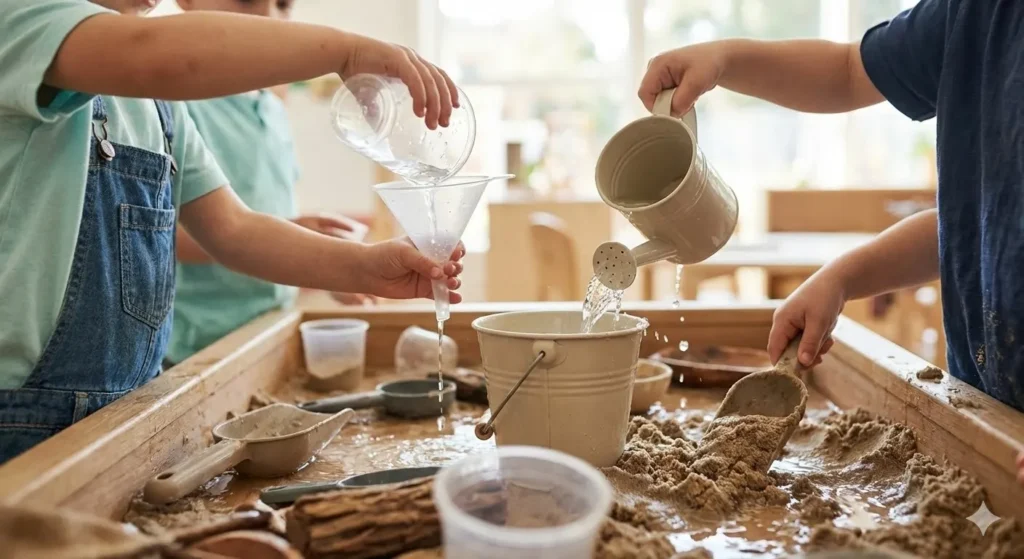
Handling small tools such as scoops, spoons, molds, and funnels requires precise hand movements. When children pour water into containers or shape sand with their fingers, they practice controlling small muscles in their hands and fingers. These fine motor skills are important for everyday tasks such as drawing, writing, and using classroom tools.
Improving Hand–Eye Coordination
Sand and water play helps children develop hand–eye coordination as they guide their movements while watching what they are doing. For example, a child pouring water from one cup into another must carefully control the angle and direction to avoid spilling. Repeating these actions helps children improve coordination and accuracy.
Building Strength and Control
Many sand and water activities involve lifting buckets, pushing sand, or digging with tools. These actions strengthen the muscles in children’s hands, arms, and shoulders while helping them learn how to control their movements. Over time, these physical experiences contribute to better balance and body awareness.
Encouraging Active Play
Sand and water play often takes place in outdoor environments where children can move freely. Walking around a sand area, carrying materials, and working with different tools encourages active play and physical engagement. This type of movement helps support healthy growth while allowing children to learn through physical exploration.
Social and Emotional Benefits of Sand and Water Play
Sand and water play supports social and emotional development because it naturally invites children to play alongside others in a shared space. When children gather around a sand and water table, they often communicate about what they are doing, watch each other’s ideas, and join in cooperative play. These interactions help children build confidence in social settings and practice important relationship skills.
Encouraging Cooperation and Sharing
Sand and water play often includes shared tools such as scoops, buckets, and funnels, which creates natural opportunities for turn-taking. Children learn to wait, share materials, and negotiate when they want the same item. Over time, these small moments of cooperation help children develop patience and respect for others.
Building Language and Communication Skills
As children play together, they use language to explain what they are making, request tools, or describe what they observe. Words like full, empty, heavy, wet, dry, float, and sink become part of their everyday conversations. This type of play-based talk supports vocabulary growth and helps children learn how to express ideas clearly.
Supporting Emotional Regulation
Sand and water play can be calming and helps many children manage emotions through sensory experiences. Repetitive actions like pouring water, smoothing sand, or watching water flow can reduce stress and support self-regulation. When children feel frustrated, they can restart an activity easily, which helps them practice coping and resilience.
Encouraging Confidence and Independence
Because sand and water play is open-ended, children can make choices and lead their own play without fear of being wrong. When they successfully build something or solve a problem, they feel proud of their effort. These positive experiences support self-esteem and encourage children to take initiative in learning and play.
Fun Sand and Water Play Activities for Preschoolers
Sand and water play offers endless opportunities for hands-on exploration. With a few simple tools and materials, children can experiment, create, and discover how sand and water behave in different situations. The following activities are easy to set up and help preschoolers learn through play.
- Pouring and Transferring Water
Children can use cups, pitchers, or funnels to pour water from one container to another. This activity helps them explore concepts such as volume, movement, and control while strengthening coordination. - Building with Wet Sand
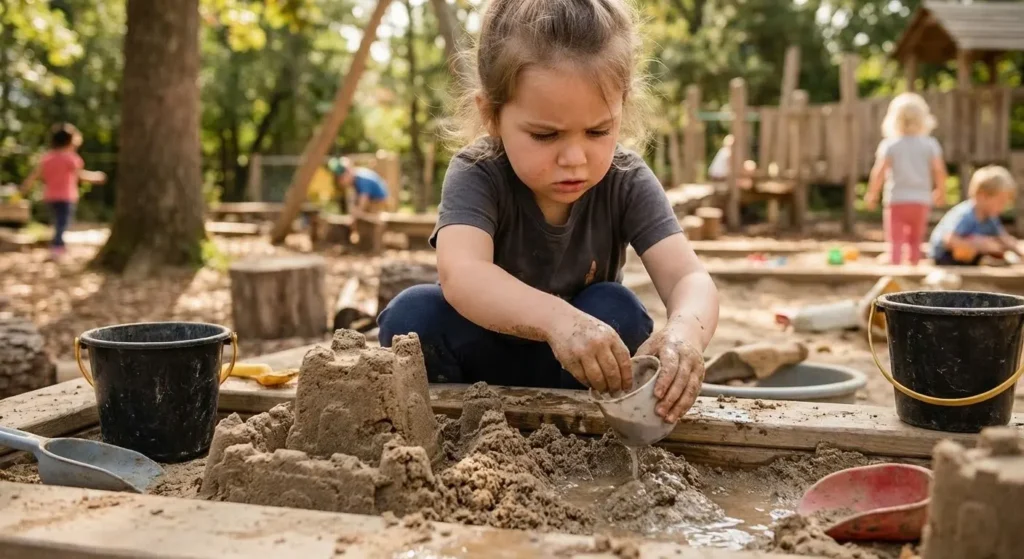
Adding water to sand allows children to shape and mold it into structures such as towers, walls, or small sandcastles. Through this activity, children learn how moisture changes the texture and stability of sand. - Digging and Scooping
Using small shovels, scoops, or spoons, children can dig, move, and pile sand into different shapes. This activity strengthens fine motor skills and encourages physical engagement. - Creating Water Channels
Children can dig small paths or trenches in the sand and pour water to see how it flows through the channels. They can adjust the shape of the path to guide the water, which encourages problem solving and experimentation. - Floating and Sinking Exploration
Placing different small objects in water allows children to observe which items float and which sink. This simple activity introduces early science concepts about weight and density. - Sand and Water Mixing
Children can mix sand and water together to see how the texture changes. They may discover that adding more water creates mud, while adding less water makes the sand easier to shape. - Pretend Play with Sand and Water
Adding toy animals, boats, or kitchen tools can turn sand and water play into imaginative games. Children might pretend to cook, build small landscapes, or create rivers and lakes. - Cleaning and Washing Toys
Children can use water, brushes, or sponges to wash toys covered in sand. This activity encourages sensory exploration while also helping children practice everyday routines.
Sand and Water Play Tables Designed for Early Learning Environments
For preschools, daycare centers, and early learning facilities, choosing the right sand and water play table is essential for supporting daily sensory activities. Different classroom layouts, group sizes, and age groups require different table structures. Some spaces benefit from compact sensory stations, while others need larger tables that allow multiple children to play together.
Our sand and water play table collection is designed to support these different learning environments. From standard classroom tables to outdoor sandpits and modular water stations, each design focuses on durability, child safety, and easy classroom integration. Schools and daycare providers can select models that match their classroom layout, activity needs, and daily supervision requirements.
Standard Classroom Sand and Water Tables
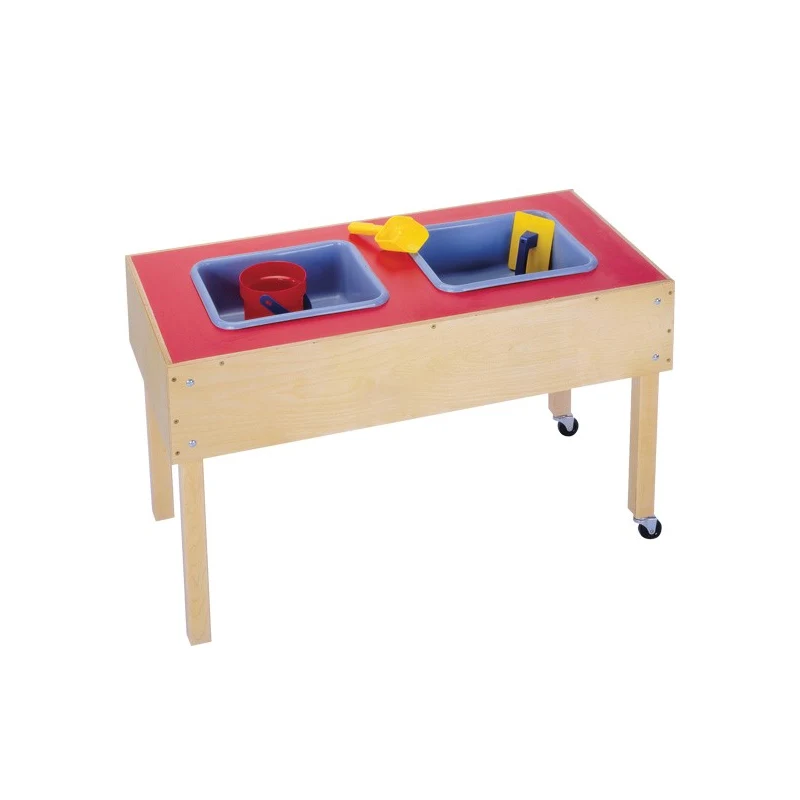
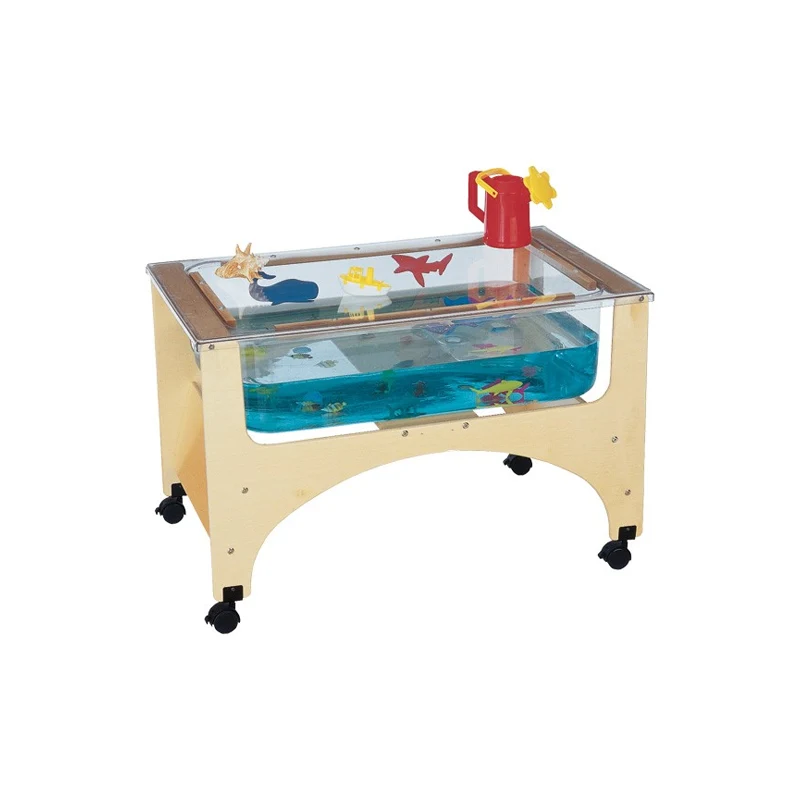
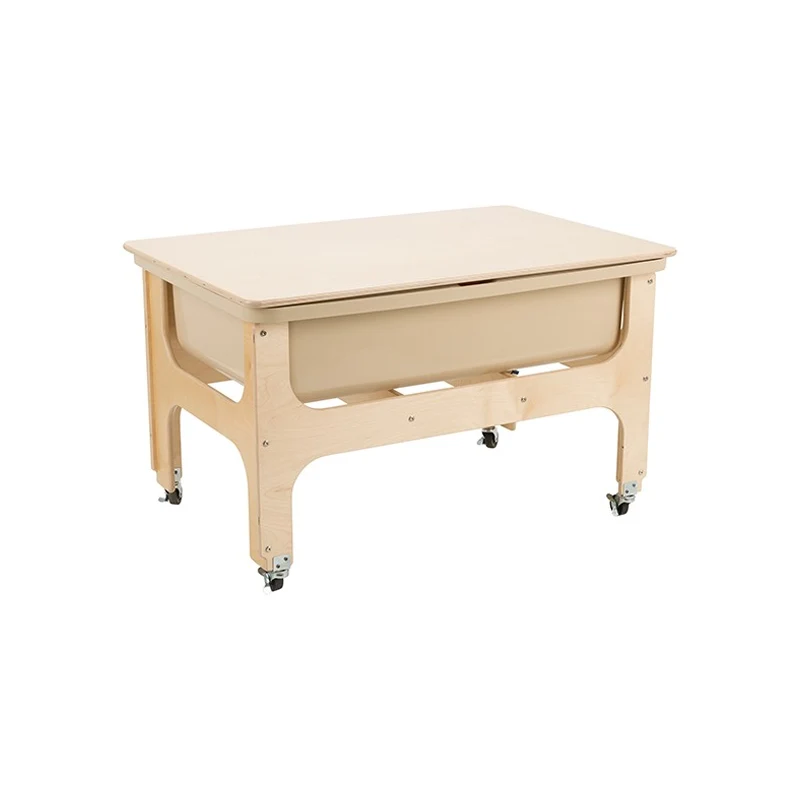
Standard sand and water tables are the most commonly used models in preschool classrooms. These tables provide a dedicated sensory play area where children can dig, pour, and explore materials while teachers maintain clear supervision. Their child-height design allows easy access for independent play while maintaining stability during daily use.
Models such as the Standard Preschool Sand Play Table and Compact Classroom Sand Table are designed to fit easily into sensory corners, activity zones, or shared classroom spaces. Their durable wooden frames support repeated filling and cleaning, making them a practical solution for everyday classroom activities.
Large Capacity Tables for Group Play
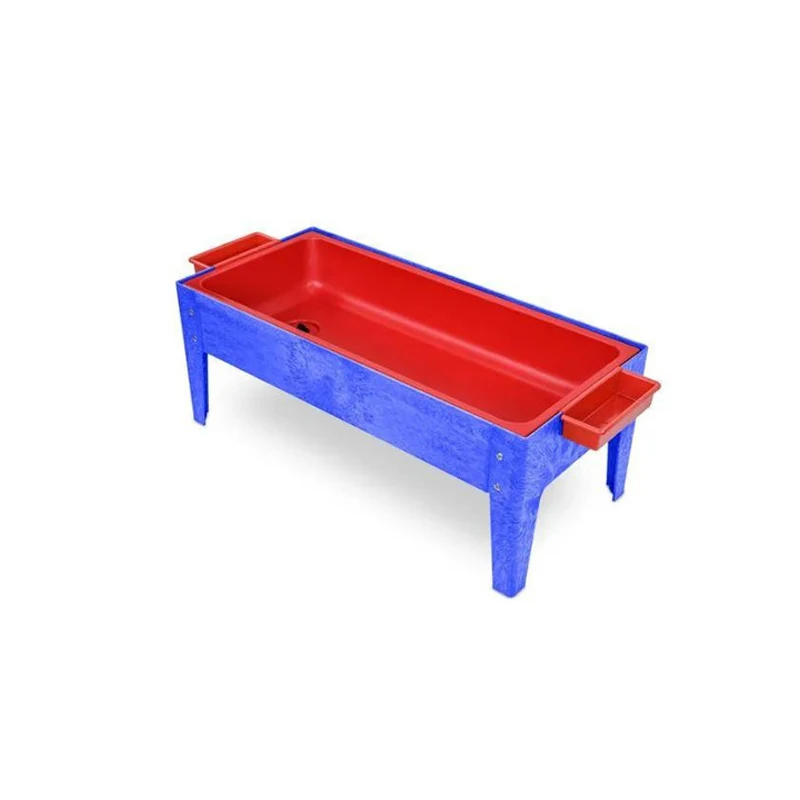
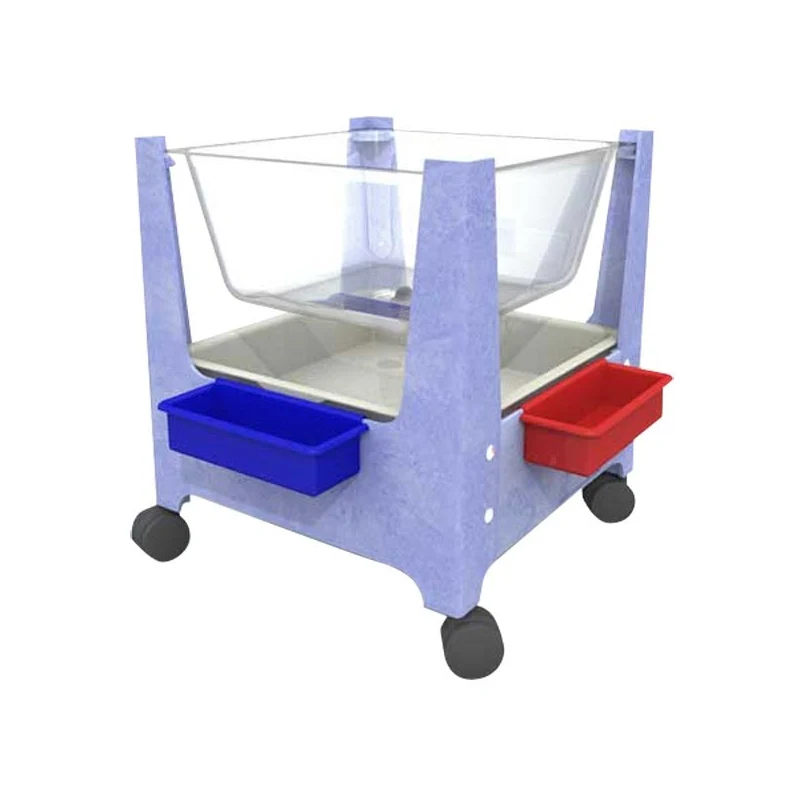
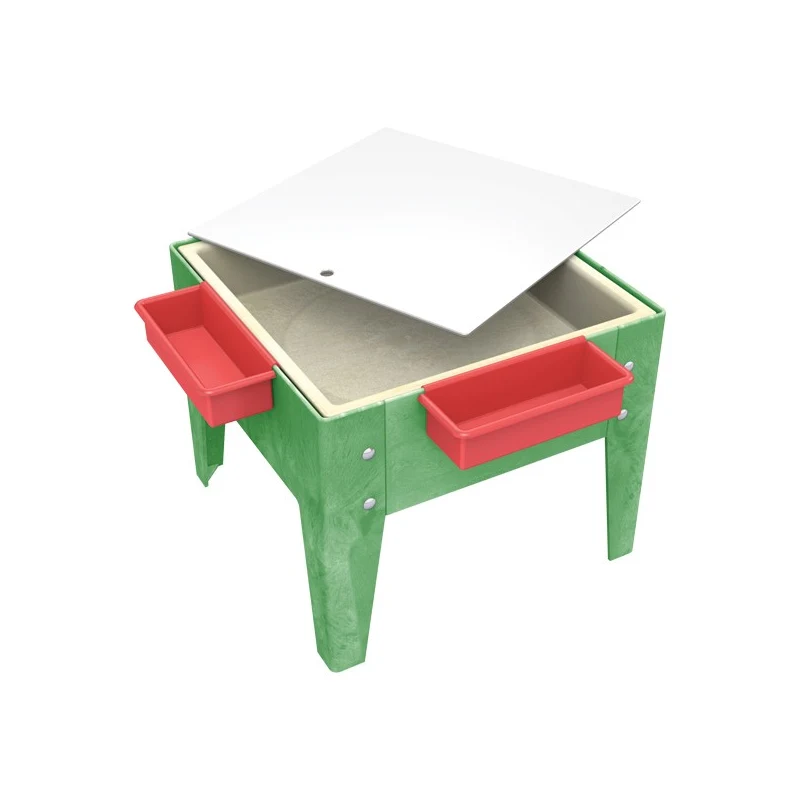
In busy preschool environments where multiple children participate in sensory activities at the same time, larger play tables provide the space needed for collaborative exploration. A larger surface area allows children to build structures, move materials, and interact with peers without crowding the activity space.
The Full Size Deluxe Sand or Water Play Table with Protective Top is designed specifically for high-traffic classroom environments. The spacious play surface supports group sensory activities, while the removable protective cover helps keep materials clean when the table is not in use. This type of design is especially suitable for classrooms that integrate sand and water play into daily learning routines.
Outdoor Sand and Water Play Stations
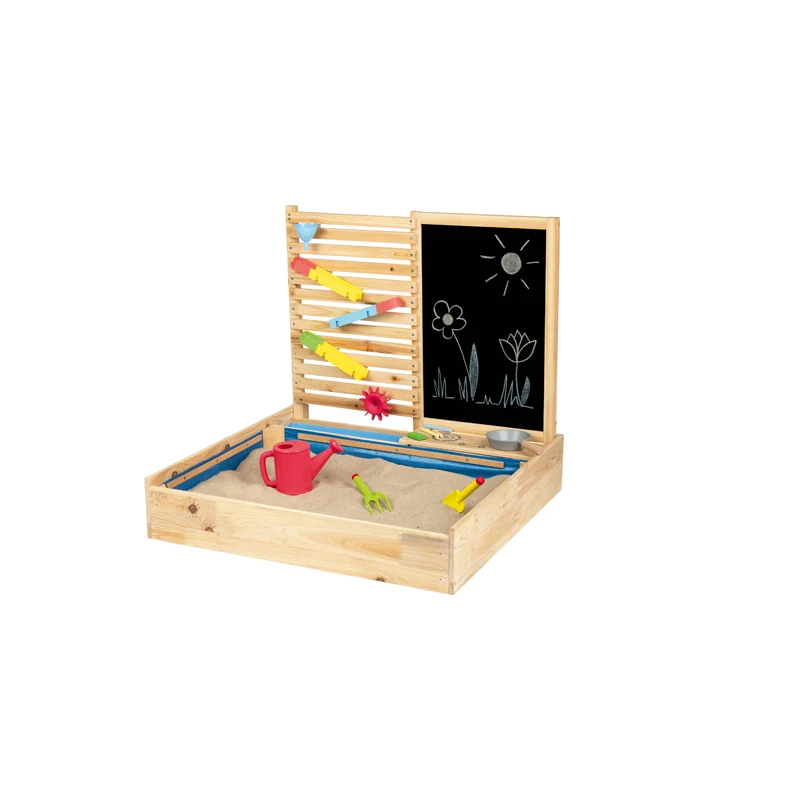
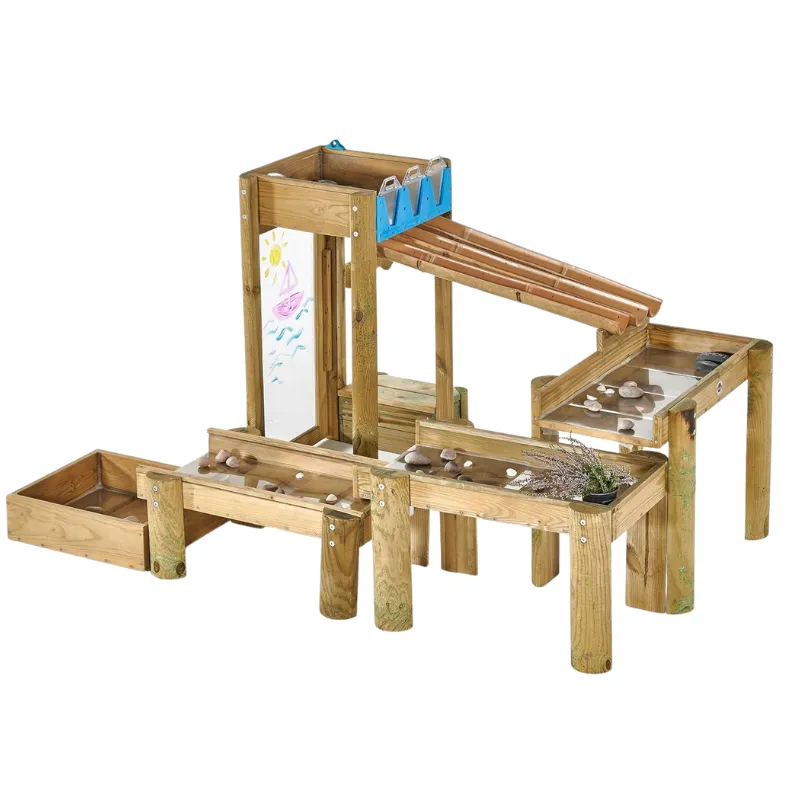
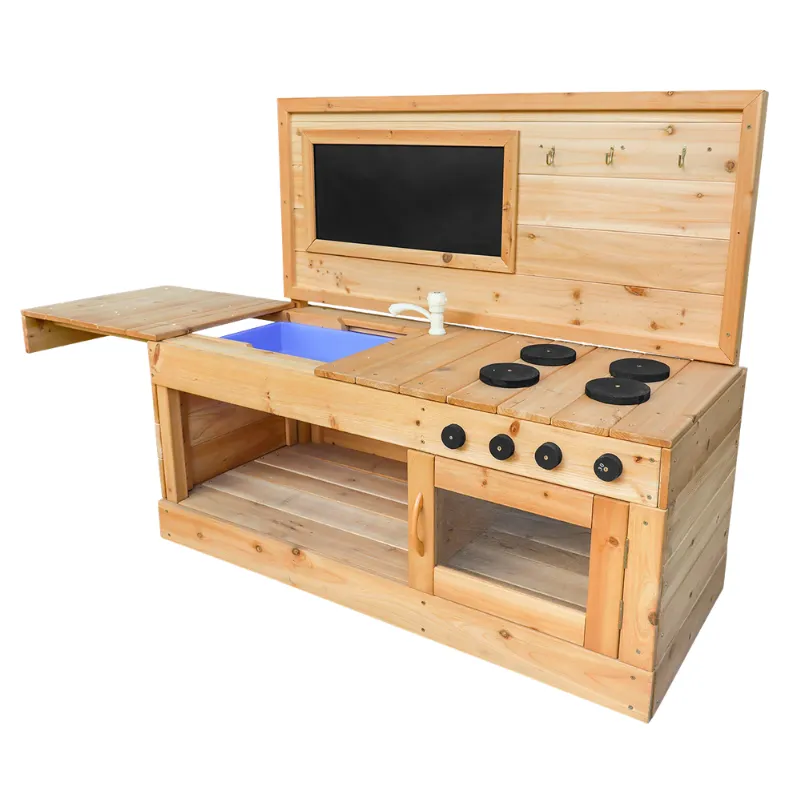
Outdoor learning environments often benefit from larger sand play stations that encourage movement, collaboration, and imaginative play. Outdoor sand tables and sandpits allow children to dig, build, and explore natural materials in a more open setting.
The Free-Standing Wooden Sandpit for Outdoor Play is designed for playgrounds, outdoor classrooms, and covered patio learning spaces. Its extended length supports group play and social interaction, while the sturdy wooden structure ensures stability during long-term outdoor use in preschool and daycare environments.
Encourage Hands-On Learning with Sand and Water Play
Sand and water play gives children valuable opportunities to explore texture, movement, measurement, and imaginative play through direct sensory experiences. It supports early development while making classroom activities more engaging and interactive.
Westshore Furniture provides durable sand and water play tables designed for preschool and daycare settings, helping educators create practical sensory areas that support everyday learning and group participation.
View Sand and Water Play SolutionsConclusión
Sand and water play is one of the most effective sensory activities in early childhood education because it supports multiple areas of development at the same time. Through digging, pouring, building, and experimenting, children strengthen cognitive skills, improve motor coordination, and develop important social and emotional abilities. These simple and engaging experiences encourage curiosity and allow children to learn through exploration and discovery.
For preschools and daycare environments, creating a dedicated space for sand and water play helps make these activities part of daily learning routines. With well-designed play tables and safe materials, educators can provide children with opportunities for hands-on exploration that support creativity, collaboration, and early scientific thinking. As a manufacturer of early learning furniture, Muebles West Shore focuses on designing and producing durable sand and water play tables that meet the practical needs of classrooms and childcare facilities, helping schools create safe and engaging sensory play environments for children.