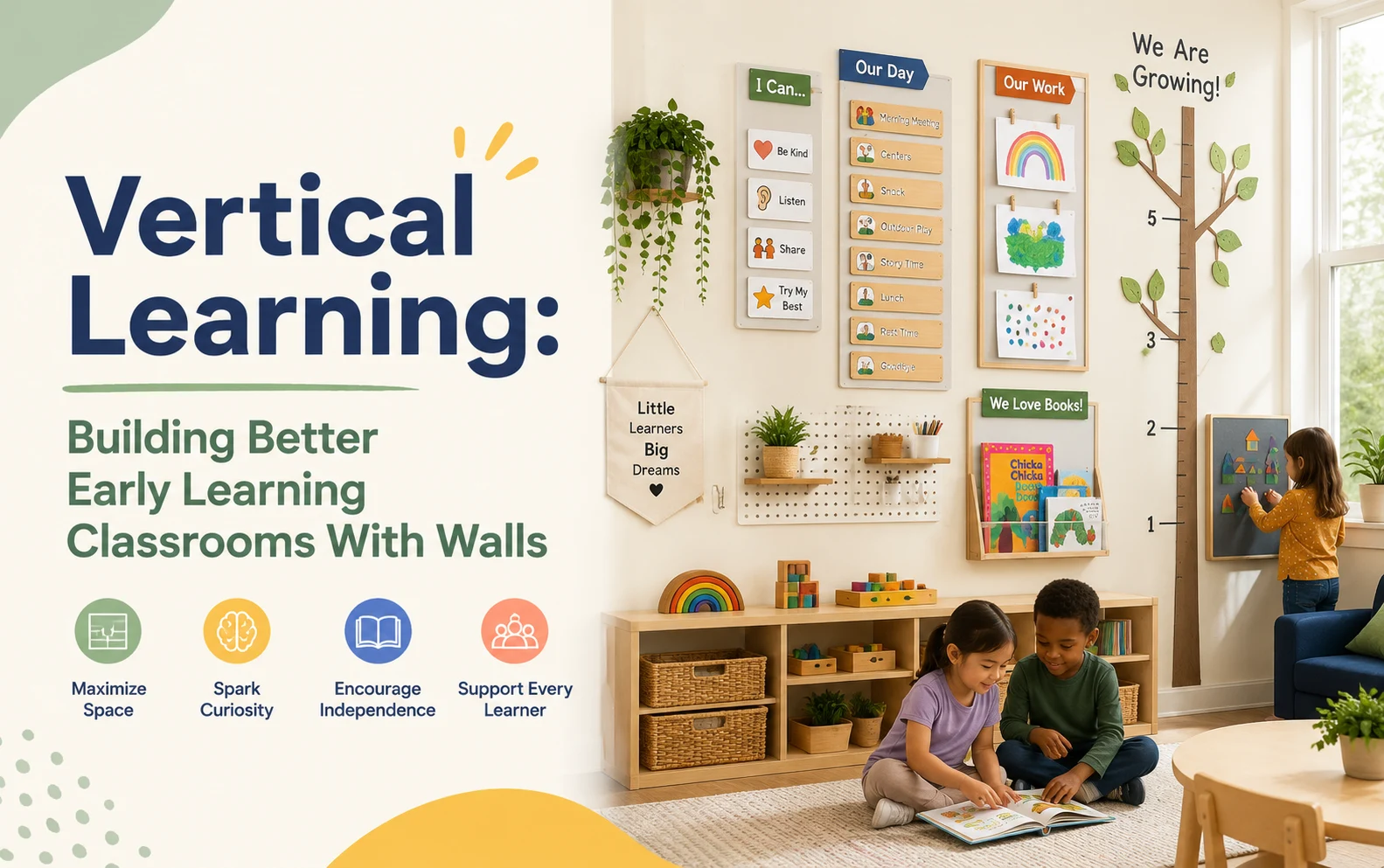
Have you ever looked at your classroom walls and wondered whether they are really helping children learn? Vertical Learning answers that need by turning walls and upright surfaces into active learning spaces. Instead of keeping learning only at tables or on the floor, children can use vertical surfaces for drawing, matching, storytelling, building, counting, and problem-solving.
What Is Vertical Learning?
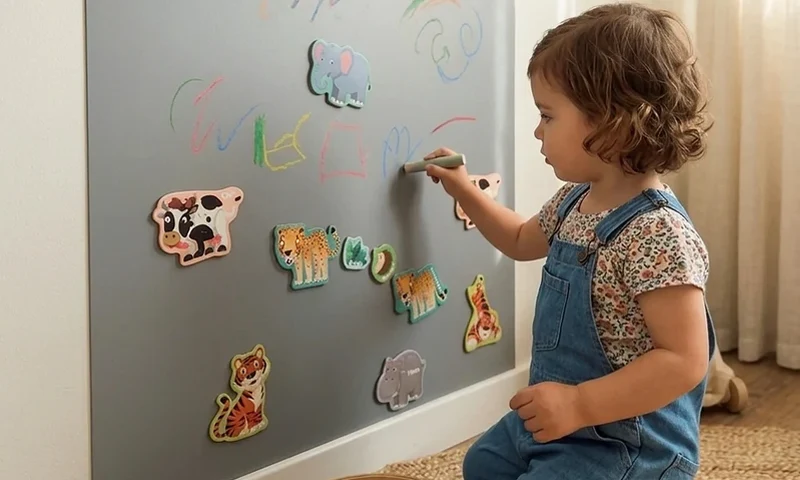
Vertical Learning means intentionally using classroom walls and other upright surfaces as active learning spaces where children can touch, move, create, and think. In an early childhood classroom, this shifts learning away from being limited to tables, desks, or the floor. Children can stand, reach, stretch, draw, sort, match, count, and solve problems through hands-on vertical surface activities. In other words, the wall becomes part of the learning environment, not just the background. A vertical whiteboard for classroom use, a magnetic wall, a felt board, or a low activity panel can all give children more ways to move, think, and participate.
In education, Vertical Learning also connects with a bigger shift in how children learn, research-informed approaches such as Peter Liljedahl’s Building Thinking Classrooms show how working on vertical, changeable surfaces can make thinking visible, lower the pressure of making mistakes, and encourage students to solve problems together.
Why Do Children Need a Vertical Learning Space?
Children need a vertical learning space because early learning is active by nature. Young children learn best when they can move, touch, reach, test ideas, and use their whole body. Vertical Learning brings these experiences onto classroom walls and upright surfaces, giving children a fresh way to join in without being tied to a chair or table.
- It supports movement while learning
A child standing at a wall to draw, sort, match, or count is using the body and brain together. These vertical surface activities help children stay engaged because the task feels hands-on and natural. For many young learners, especially those who struggle to sit still, standing at a wall can make learning feel much easier. - It builds coordination, strength, and body control
Working on vertical surfaces for kids encourages children to reach, stretch, cross the midline, and use both hands together. These movements support shoulder stability, wrist control, hand strength, core strength, and posture. Over time, simple wall activities like drawing, tracing, or wiping a board can help prepare children for reading, writing, and everyday classroom tasks. - It improves hand-eye coordination and focus
A wall activity brings the task closer to a child’s eyes. This can help children see what they are doing, follow movement more clearly, and stay focused for longer. Activities such as tracing shapes, placing magnetic letters, or using a vertical whiteboard for classroom practice can support visual attention and hand-eye coordination. - It strengthens spatial awareness
Vertical work helps children understand words like up, down, high, low, left, and right in a real, physical way. When a child reaches higher, moves a shape lower, or places a card to the left, spatial language becomes something they can feel and use. That makes the idea stick. - It encourages collaboration and problem-solving
A wall gives children a shared space to think together. With non-permanent vertical surfaces for math, children can draw, erase, count, move pieces, and try again without worrying about making mistakes. This makes problem-solving feel more relaxed and encourages children to talk with classmates, compare ideas, and keep going. - It makes better use of classroom walls
Walls are valuable classroom space. A well-planned teaching wall for classroom use can support routines, group lessons, independent practice, and playful learning. In early childhood settings, teaching walls in early learning classrooms can make the room feel more open, organized, and ready for hands-on learning.
A good vertical learning space gives children a simple message: come here, use your hands, move your body, and try something new. That is why Vertical Learning matters in early learning classroom design.
📊 Classroom Note
In a thinking classroom, vertical learning spaces give children room to stand, reach, move materials, test ideas, and try again. This keeps learning active while helping mistakes feel like a natural part of the process.
Inspired by Peter Liljedahl’s work on active classroom thinking and problem-solving.
How to Create a Vertical Learning Environment in Early Childhood Settings
Creating a Vertical Learning environment begins with looking at classroom walls as usable learning space. Before adding anything new, stand at a child’s height and ask: what can children do here? Can they reach the materials? Can they move, sort, draw, build, or change something? A strong vertical learning space should be planned around children’s actions, not adult decoration.
Step 1: Audit Your Existing Classroom Walls
Before changing anything, spend several days watching how children move through the room.
Pay attention to:
- Which walls children naturally gather near
- Where children stop, wait, or interact
- Which areas feel crowded or unused
- Which materials children repeatedly ask teachers to reach
- Whether children can independently access displayed learning tools
This step helps you avoid designing for adults instead of children.
Step 2: Define the Learning Purpose
Each vertical space should have a clear role. It may support literacy, art, sensory play, classroom routines, sorting, storytelling, or problem-solving. When the purpose is clear, the wall becomes easier to design and easier for children to use. For example, a teaching wall for classroom routines may include name cards, a visual schedule, and a feelings check-in area.
Step 3: Set the Activity Zone at Child Height
Place the main activity area where children can see, reach, and use it independently. Vertical surfaces for kids should match children’s eye level and hand level, so they can point, draw, move pieces, wipe surfaces, and return materials without waiting for adult help.
Step 4: Start Adding Practical Learning Materials
Once the wall purpose, height, and activity space are clear, you can start adding practical learning materials. Begin with simple, durable, hands-on items that children can touch, move, open, close, match, sort, or reset independently.
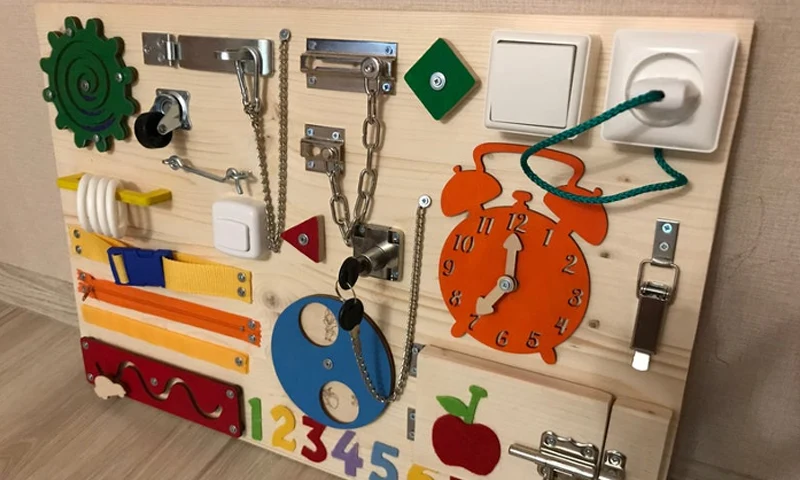
A good starting point is a busy board, because it gives children an immediate way to interact with the vertical surface. Latches, zippers, buttons, wheels, switches, locks, textures, and sliding parts can support fine motor practice, problem-solving, and independent exploration.
After that, add materials based on the learning purpose of the wall. For example, use felt pieces for storytelling, magnetic shapes for sorting and pattern work, Velcro-backed cards for matching activities, clip rails for children’s artwork, washable panels for drawing, and sorting pockets for classroom routines.
Step 5: Leave Space for Movement
A vertical learning wall needs room in front of it. Children should be able to stand, kneel, reach, stretch, and work side by side without feeling crowded. This is especially important for vertical play for preschoolers, where movement is part of the learning process.
Step 6: Plan for Rotation and Storage
Keep the wall structure simple, then rotate materials based on the lesson, theme, or children’s interests. Store extra pieces nearby in baskets, wall pockets, or low shelves so teachers can update the space quickly and children can help clean up. For teaching walls in early learning classrooms, easy rotation keeps the space useful without adding extra workload.
A well-planned Vertical Learning environment comes down to three things: purpose, access, and routine. When these pieces work together, classroom walls become practical learning spaces where children can move, collaborate, and build ideas through hands-on activity.
Vertical Wall Ideas to Try in the Classroom
Once your Vertical Learning wall is ready, the fun part is choosing activities children can repeat, change, and enjoy. These vertical surface activities are easy to set up in early learning classrooms and can support drawing, sorting, matching, storytelling, movement, and hands-on play.
Magnetic Letters, Numbers, and Shapes
Magnetic pieces are a simple way to bring Vertical Learning into daily classroom routines. Children can use them for early literacy, number play, color sorting, shape recognition, and open-ended design.
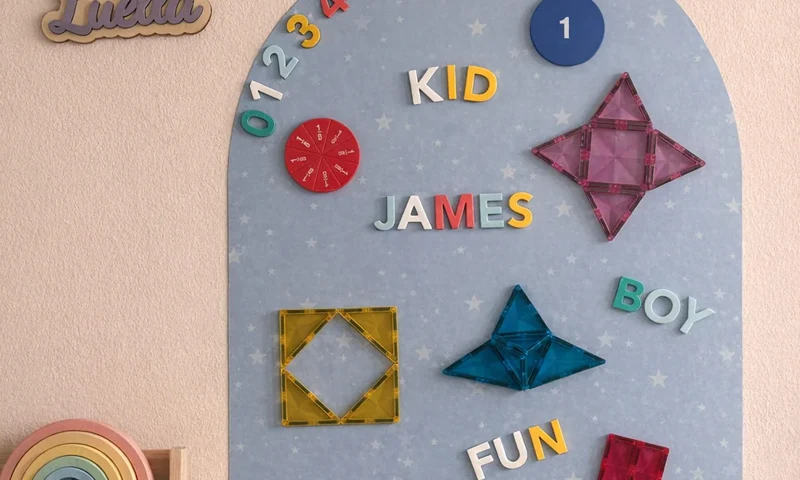
Materiales: Magnetic letters, numbers, shapes, magnetic board, metal cabinet, or magnetic panel.
How to play: Invite children to build their names, match uppercase and lowercase letters, sort shapes by color, place numbers in order, or create pictures with magnetic pieces.
Sticker Reach-and-Find Game
Sticker games make vertical play active and playful. Children can search, point, match, and follow simple directions.
Materiales: Stickers, large paper, tape, or washable wall-safe backing paper.
How to play: Place stickers in different spots. Ask children to find a certain color, touch an animal sticker, match two similar stickers, or create a sticker pattern.
Felt Board Stories and Matching
A felt board is useful for storytelling, sorting, and matching activities. It gives children pieces they can move around while talking through ideas.
Materiales: Felt board, felt animals, people, shapes, letters, numbers, story characters, or picture pieces.
How to play: Children can retell a story, match animals to homes, sort pictures by category, build a scene, arrange story events, or create their own pretend story.
Easel Painting and Drawing
Easel work gives children a vertical surface for big, expressive mark-making. It works well for art, early writing practice, and sensory exploration.
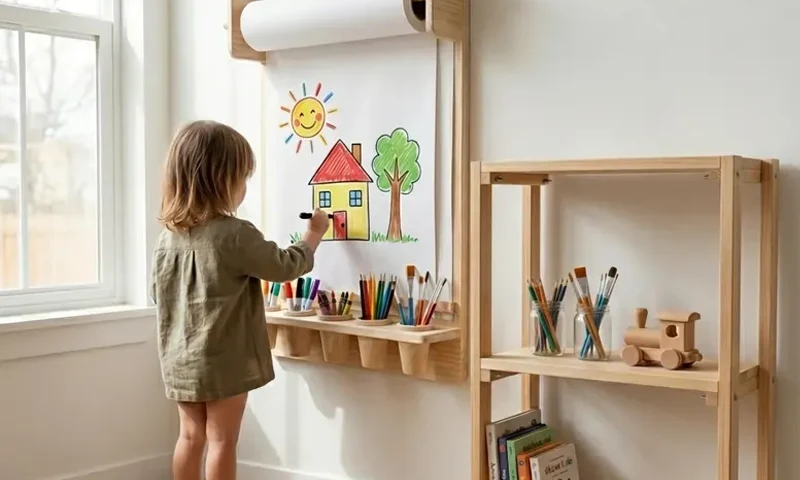
Materiales: Easel, paper, paint, chalk, crayons, markers, finger paint, or shaving cream.
How to play: Children can paint freely, draw classroom theme pictures, trace simple shapes, make lines and circles, or use finger paint and shaving cream for sensory mark-making.
Window Clings and Suction Cup Toys
Window clings and suction toys are easy to move, press, pull, and rearrange. They work well for playful vertical surfaces for kids.
Materiales: Window clings, suction cup toys, mirror, window, patio door, or smooth washable panel.
How to play: Children can press pieces onto the surface, pull them off, sort by color or shape, build patterns, make pictures, or move pieces as part of a pretend game.
Chalkboard or Dry-Erase Drawing
Chalkboards and dry-erase boards are perfect for try-again learning. Children can draw, erase, and change their ideas without pressure.
Materiales: Chalkboard or dry-erase board, chalk, dry-erase markers, erasers, or cleaning cloths.
How to play: Children can draw shapes, lines, letters, numbers, faces, roads, or patterns. Teachers can add a simple prompt, such as “finish the picture,” “trace the path,” or “draw three circles.”
DIY Removable Building Wall
A removable building wall brings construction play onto a vertical surface. It is a fun option for children who enjoy blocks, patterns, and imaginative building.
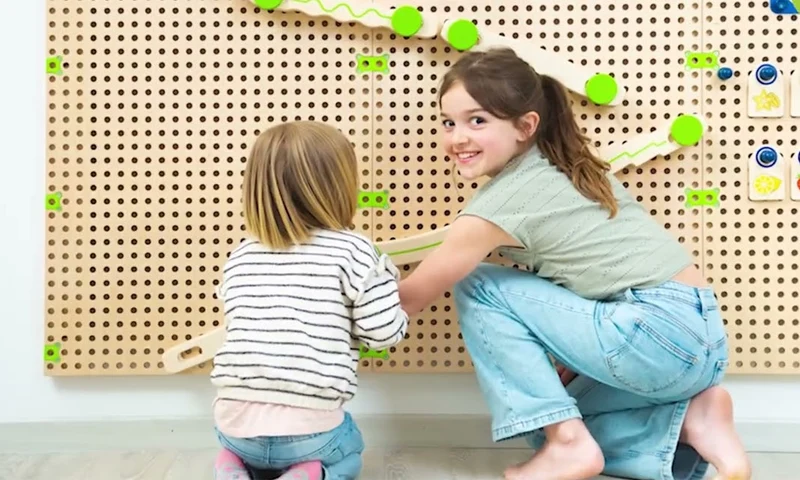
Materiales: Removable building baseplate, wall-safe adhesive strips, large interlocking blocks or bricks.
How to play: Children can build towers, houses, rockets, roads, robots, or color patterns on the wall. Add prompts like “build something tall,” “make a two-color pattern,” or “create a vehicle.”
Wiping, Washing, and Cleaning Games
Cleaning activities may sound ordinary, but children often love them because they feel like real classroom jobs. They also make vertical play for preschoolers active and purposeful.
Materiales: Washable panel, mirror, window, spray bottle with water, cloth, sponge, squeegee, chalkboard, or dry-erase board.
How to play: Children can spray and wipe a surface, erase chalk marks, clean lines from a board, wash a mirror, or search for “missed spots” to clean again.
Start Building a Better Learning Space
Vertical Learning is a simple way to make early learning classrooms more active, practical, and child-centered. By using walls for drawing, matching, sorting, storytelling, building, and hands-on play, teachers can turn everyday classroom surfaces into spaces that support movement, focus, creativity, and independence.
The best place to start is with one wall. Choose a clear purpose, add materials children can actually use, and keep the setup easy to update. Over time, these small changes can make the whole classroom feel more flexible and engaging.
If you are planning a new daycare classroom or improving an existing one, Muebles West Shore can help you think through the bigger layout too. Our daycare floor plan guide focuses on creating safe, functional, and engaging spaces with clear zones for play, learning, rest, storage, and supervision. It is a helpful next step for building a classroom where vertical learning fits naturally into the overall design.