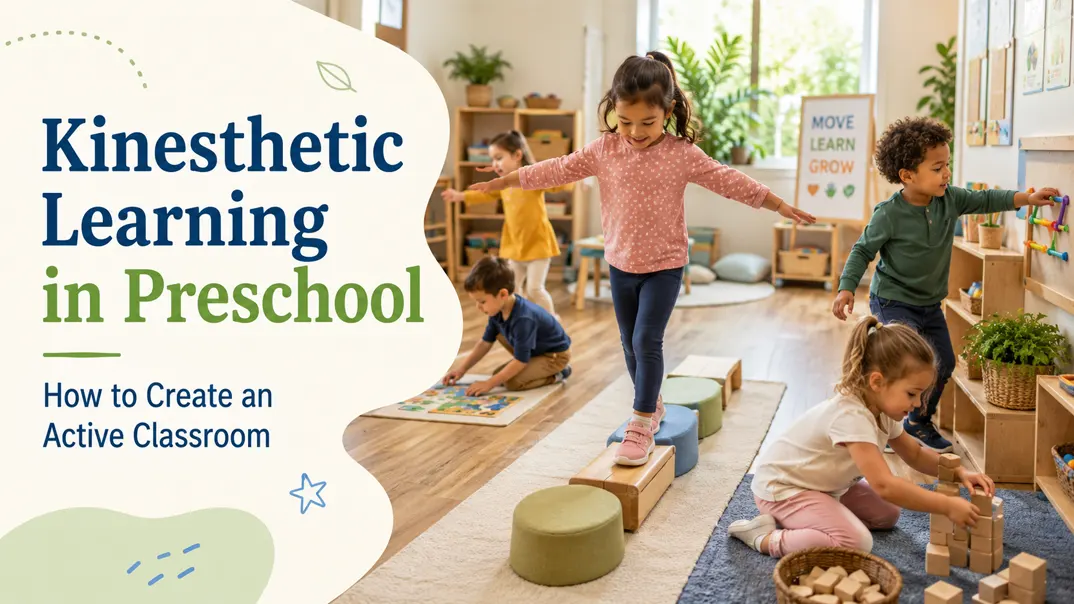
Beyond sitting quietly to listen or watch during lessons, preschoolers have other ways of learning. If your preschooler learns best through hands-on practice, the use of learning aids, and physical activity, they may be a kinesthetic learner. They learn by touching various materials, moving their bodies, building with objects, role-playing real-life situations, and exploring the classroom environment. These experiences—rooted in hands-on practice and physical activity—form the cornerstone of “kinesthetic learning” during the preschool years.
What Is Kinesthetic Learning in Preschool?
El VARK model was proposed by New Zealand educator Neil Fleming in 1987 and published jointly with Colleen Mills in 1992. The model outlines four learning preferences: Visual, Auditory, Reading/Writing, and Kinesthetic. Kinesthetic learning involves acquiring knowledge through physical movement, tactile experiences, hands-on practice, and real-life encounters.
Kinesthetic learning is particularly important for preschool-aged children, as they naturally make sense of the world through their bodies and senses. For instance, they might learn the concept of balance by stacking blocks, recognize patterns by sorting objects, or compare volumes by pouring water. These activities enable children to link new concepts with physical actions and interact with their environment, making learning more concrete, memorable, and meaningful.
Benefits of Kinesthetic Learning in Preschool Classrooms
Although some children are more active than others, most preschoolers are naturally curious and hands-on. They want to touch, move, build, test, and experience things for themselves. This is why kinesthetic learning can benefit many young children, even those who do not seem especially energetic.
Improving Memory
Children often remember more when they learn through real action. For example, a child may understand balance more clearly after building a block tower than after only hearing an explanation. When learning is connected with movement, touch, and physical experience, new information becomes easier to understand and recall.
Developing Problem-Solving Skills
Kinesthetic learning gives children room to test ideas through trial and error. When they build, sort, pour, stack, or arrange materials, they are constantly making choices and adjusting their actions. This process helps them discover what works, what does not, and what they can try next.
Increasing Engagement
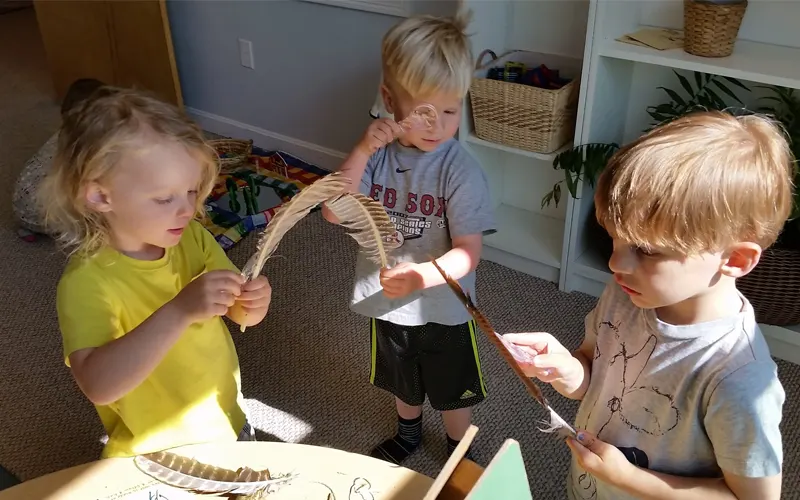
Movement brings energy into learning. Many preschoolers find it difficult to stay focused when they only sit and listen for a long time. Hands-on activities give children a more active role in the classroom, helping them stay interested, involved, and ready to participate.
Building Confidence
Kinesthetic learning often allows children to practice at their own pace. They can repeat an activity, try a new method, and keep exploring until they understand. This kind of self-directed learning helps children focus on their own progress and build a stronger sense of achievement.
Developing Motor Skills
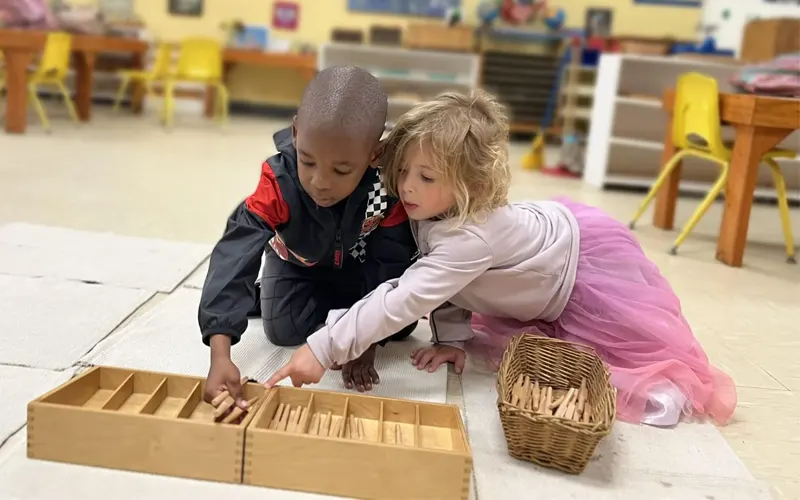
Many kinesthetic activities naturally support physical development. Stacking blocks, pouring water, threading beads, drawing, climbing, carrying objects, and using classroom tools can help children improve fine motor skills, gross motor skills, hand-eye coordination, and body control. These skills also support later classroom tasks such as writing, cutting, dressing, organizing materials, and joining group activities.
What Makes a Preschool Classroom Truly Active?
For kinesthetic learning to occur, the classroom must provide children with hands-on activities. For instance, children might build towers with blocks to learn about balance, compare volumes by filling and emptying containers, link language to experience by acting out stories, or identify patterns by sorting loose parts. While these activities may look like play, they actually help children transform physical actions into cognitive understanding.
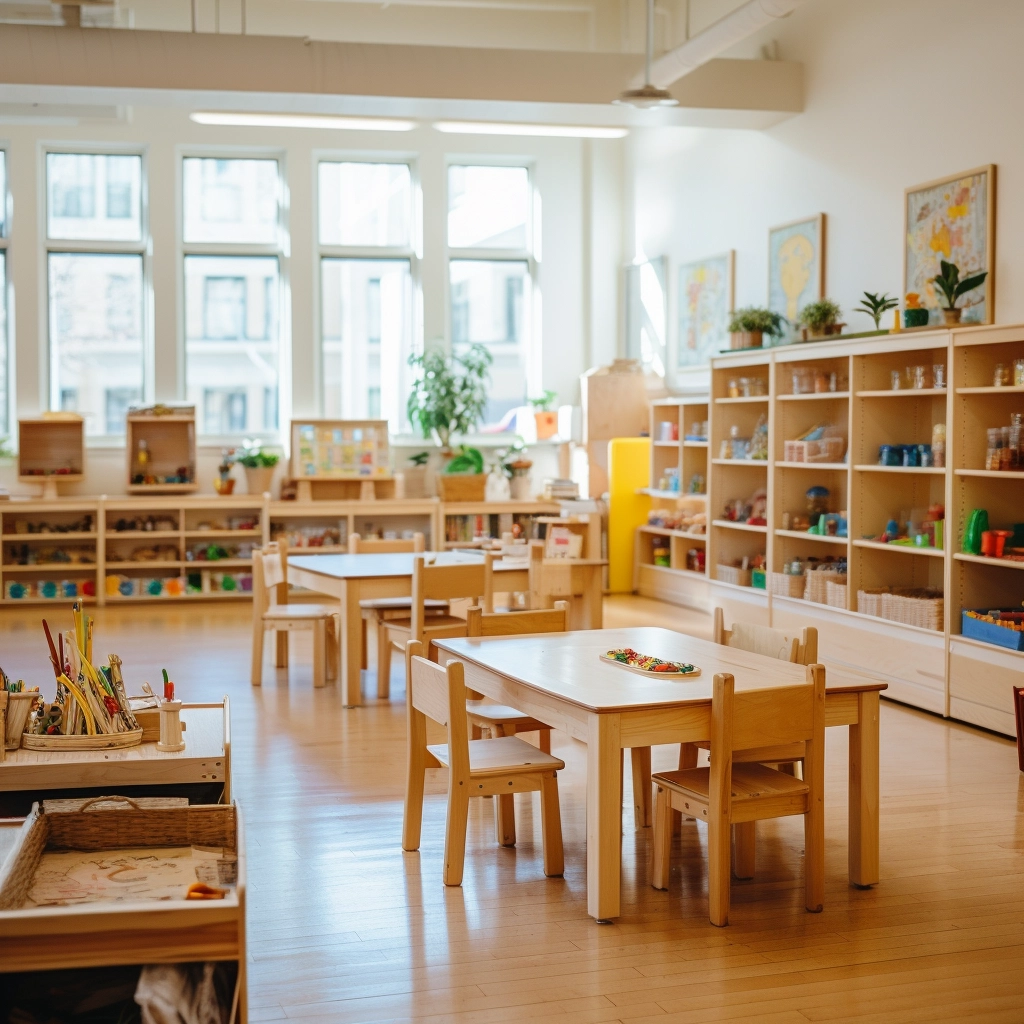
This is why classroom layout is so important. When furniture is child-sized, materials are within easy reach, and activity areas are clearly defined, children can make choices, move items, build, clean up, and experiment repeatedly with minimal adult assistance. This fosters personalized learning and gives children greater control over their own learning process.
Choosing Furniture That Supports Movement and Independence
In a kinesthetic preschool classroom, furniture should help children move, choose, reach, build, organize, and participate with less adult help. The right furniture does not simply make the classroom look complete; it creates daily opportunities for hands-on learning, independent routines, and purposeful movement.
Supporting Hands-On Work with Mesas y sillas para niños
Child-sized tables and chairs give preschoolers a comfortable place to draw, build, sort, complete puzzles, use manipulatives, and join small-group activities. When the height and size fit children’s bodies, they can sit, stand, reach, turn, and move materials more naturally, which makes hands-on learning easier and more active.
Organizing Active Classrooms with Storage Cabinets and Cubbies
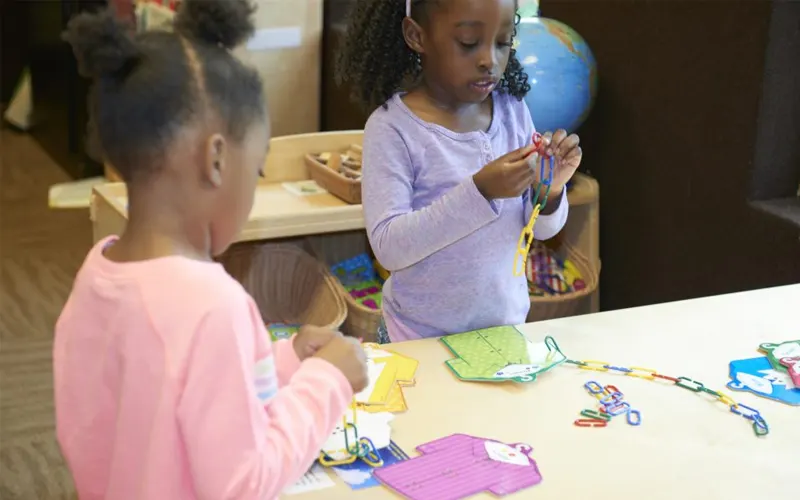
Storage cabinets, cubbies, lockers, trays, and baskets help keep hands-on materials organized without removing children’s access to them. In an active classroom, children use many objects throughout the day, so clear storage helps them find materials, return items after use, manage personal belongings, and build stronger classroom routines.
Defining Learning Areas with Low Furniture and Dividers
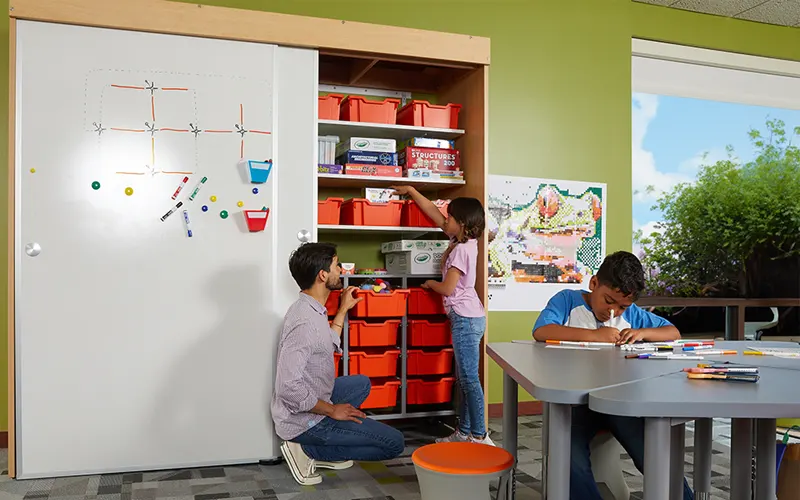
Low shelves, storage units, carpets, and classroom dividers can help separate active areas without blocking visibility. A clear block area, reading corner, dramatic play space, art area, or sensory corner helps children understand where each type of activity belongs, so movement becomes more purposeful instead of random.
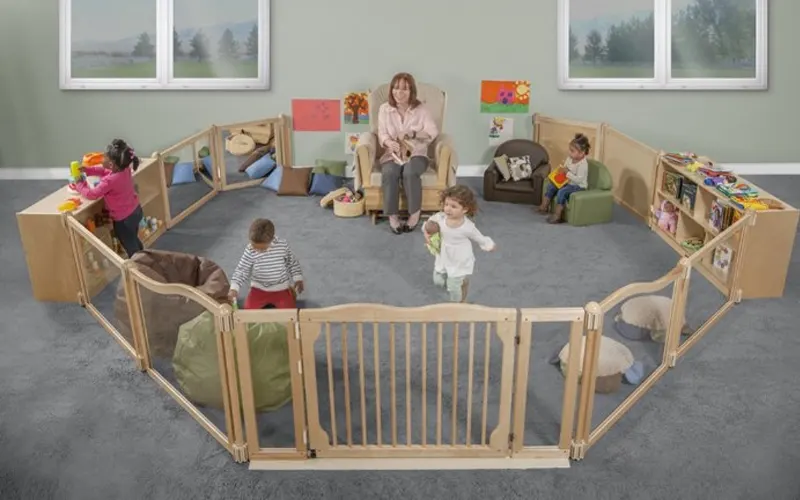
Creating Floor-Based Learning with Rugs y Plástico blando Muebles
Many kinesthetic activities happen on the floor, including block building, circle time, story acting, movement games, and small-group exploration. Rugs, soft seating, and soft play furniture give children a comfortable space to sit, kneel, crawl, balance, build, and interact with classmates while keeping the activity area visually clear.
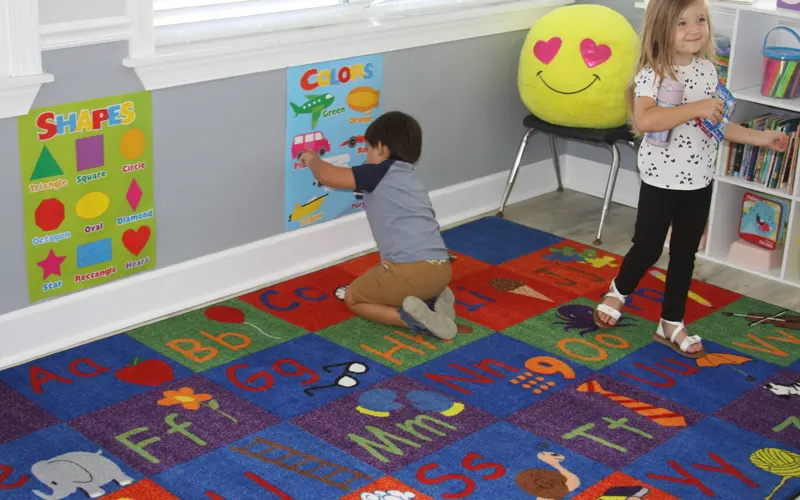
Encouraging Role Play with Muebles de juego dramático
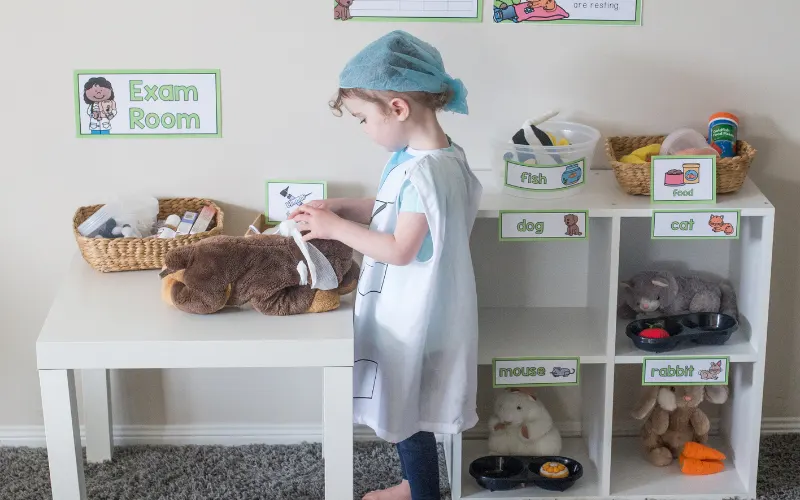
Dramatic play furniture, such as play kitchens, market stands, home corners, and doll furniture, allows children to learn through movement, imitation, language, and social interaction. When children carry pretend food, arrange objects, open cabinets, serve classmates, or act out daily routines, they connect physical action with communication and real-life understanding.
Selecting Learning Materials That Turn Movement Into Learning
Furniture gives children the space to move, but learning materials give them a reason to move. In a kinesthetic preschool classroom, materials should invite children to touch, carry, stack, rotate, match, pour, press, balance, create, and try again. The best materials are the ones children can use with their hands and bodies while building real understanding through action.
Building with Blocks and Construction Toys
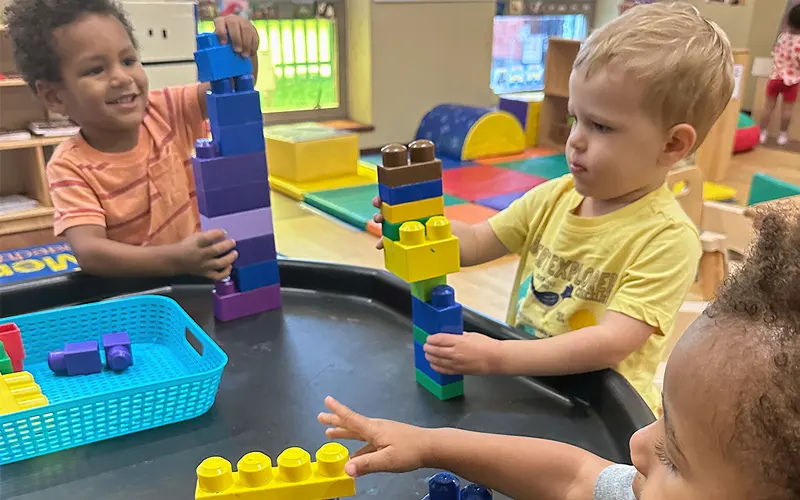
Blocks and construction toys are valuable because they give children a direct way to explore space, balance, and structure. A child may try to build a taller tower, create a road for toy vehicles, or rebuild a bridge after it falls. Through this process, children learn that every movement has a result, and every small adjustment can change the final structure.
Sorting with Montessori and Manipulative Materials
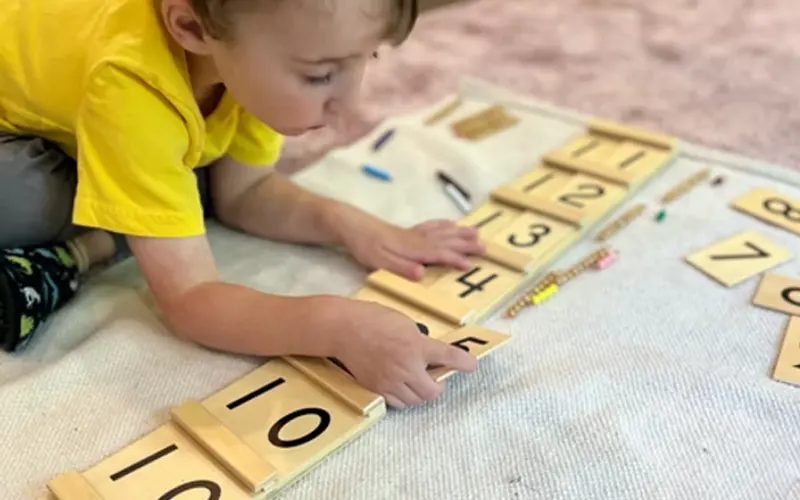
Montessori and manipulative materials help children slow down and focus on one task at a time. When children place shapes into the right space, arrange objects by size, or work with simple matching materials, they are using their hands to understand order, difference, and relationship. These materials are especially helpful because children can often see and feel the result of their own choices.
Investigating with Sensory Materials
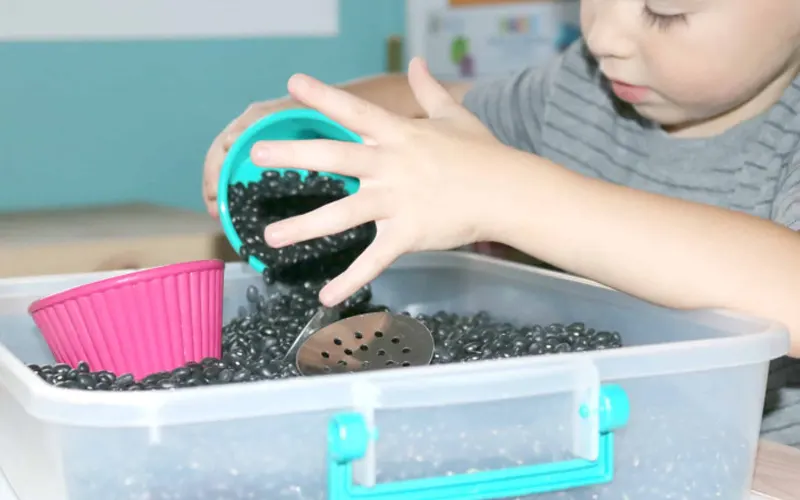
Sensory materials allow children to learn through texture, weight, movement, and change. Sand, water, fabric, clay, and natural loose parts give children something real to compare and test. A child may notice that wet sand holds a shape better than dry sand, or that water moves differently through a funnel than through a cup. These small discoveries help children understand physical concepts in a concrete way.
Solving Problems with Puzzles y Juguetes STEM
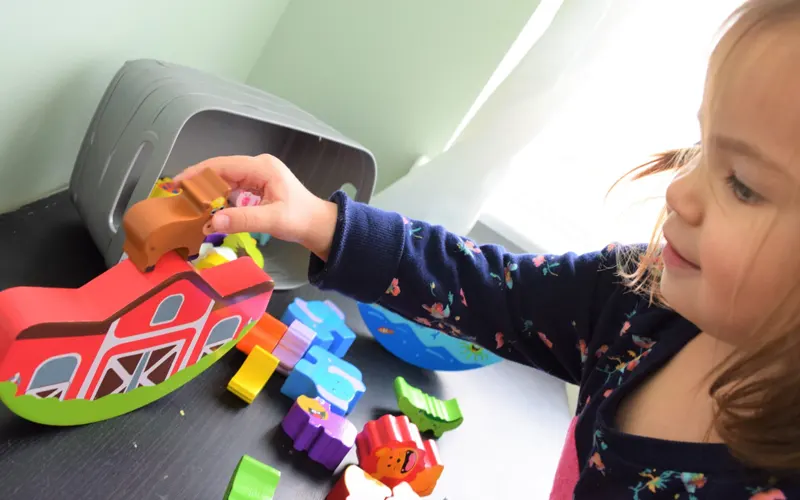
Puzzles and simple STEM toys are useful because they require children to think with their hands. A puzzle piece may need to be turned several times before it fits, or a simple building set may need to be adjusted before it stands. This kind of hands-on problem solving helps children develop patience, spatial awareness, and the habit of trying again when the first attempt does not work.
Moving with Juguetes musicales and Rhythm Materials
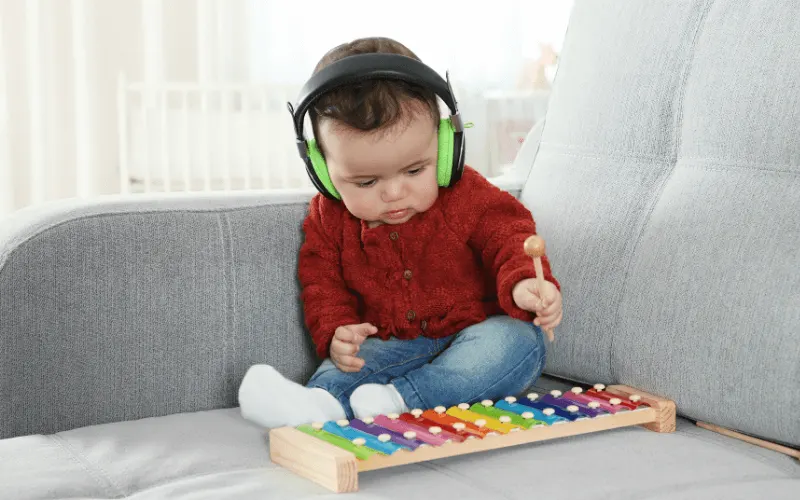
Music materials give children a structured way to move. Instead of moving randomly, children listen, respond, pause, repeat, and follow rhythm. Simple instruments, scarves, or movement props can help them practice body control, coordination, listening skills, and group participation in a natural and enjoyable way.
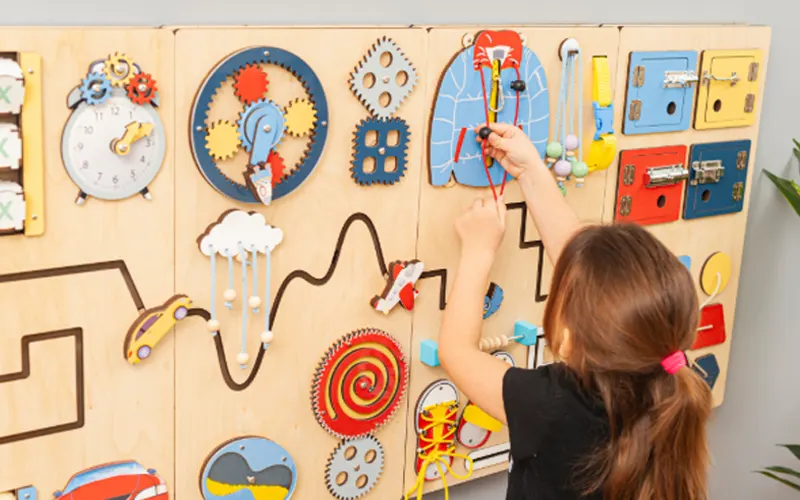
Using Wall Toys for Standing, Reaching, and Coordination
Wall toys are useful because they allow children to stay physically active without taking over the whole classroom. A child can stand, reach, turn a part, follow a path, or solve a small movement challenge while staying in one defined area. This makes wall activity panels a practical choice for classrooms, corridors, and transition spaces where teachers want hands-on learning without adding more loose materials.
Conclusion: Building an Active Classroom Around How Children Learn
Kinesthetic learning reminds us that preschool children do not learn only through instruction. They learn by touching, moving, building, pretending, testing, repeating, and talking about what they experience. An active classroom gives these natural learning behaviors a clear structure, so movement becomes part of daily development instead of simple activity.
To create this kind of classroom, preschools need more than a collection of furniture and toys. They need child-sized furniture that supports independence, accessible storage that encourages choice, learning materials children can use with their hands, and activity areas designed for real exploration. When these elements work together, children can move with purpose, practice at their own pace, and turn everyday play into meaningful learning.
For preschool projects, classroom design should always begin with one question: what do we want children to do in this space? If the answer includes building, sorting, creating, role-playing, reading, moving, collaborating, and solving problems, then the furniture and learning materials should support those actions clearly. A well-planned active classroom helps teachers manage learning more easily and gives children the freedom to learn by doing every day.