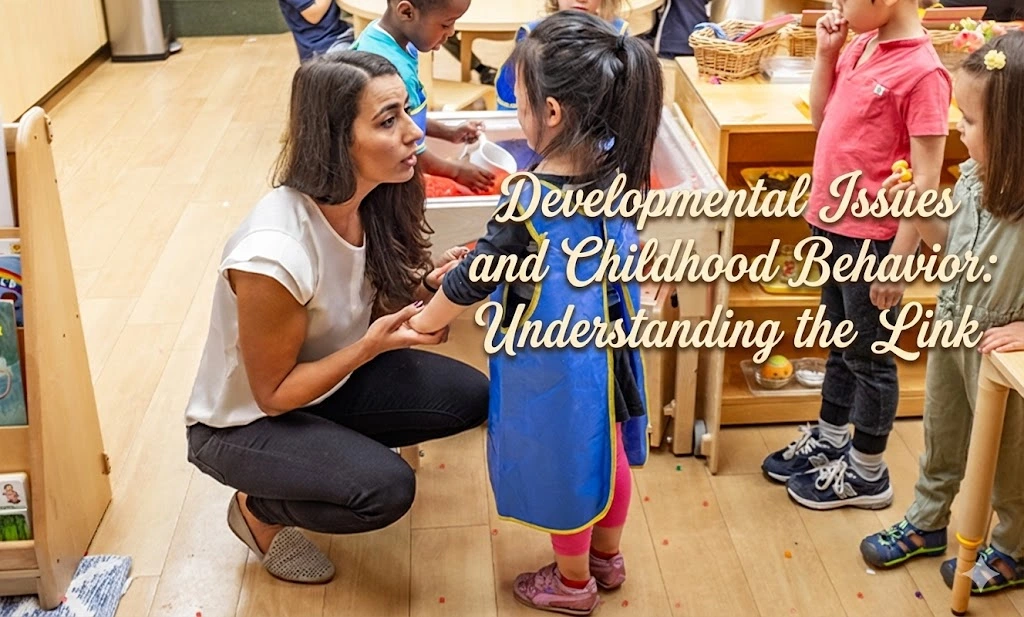
Children’s behavior is often the first thing adults see, but it is rarely the whole story. A child who hits, screams, or withdraws isn’t just making a choice. “Acting out” is not only making a choice. They are also showing us something about how their brain, emotions, and understanding of the world are developing. To work well with children, especially those who are hard to handle, we need to understand the link between developmental issues and childhood behavior, not just react to what is on the surface.
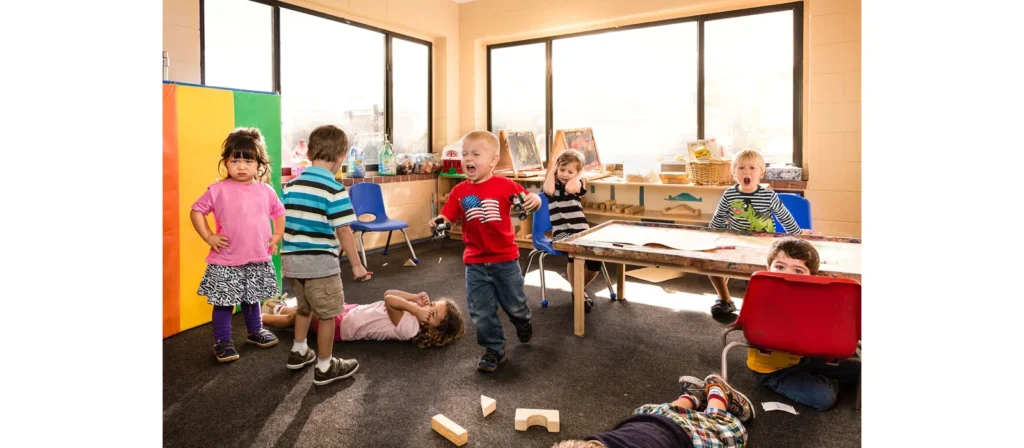
Why Childhood Behavior Is Not Just “Good” or “Bad”?
It is very easy to sort children into simple categories. One is a “good kid” who listens and cooperates. Another is “difficult” and is always in trouble. These labels feel convenient, especially on a stressful day, but they hide what is really happening.
A child doesn’t change their personality between a compliant morning and a chaotic afternoon. What changes is their fuel tank: energy drops, stress spikes, and sensory overload set in. A preschooler who shares one day and grabs the next is not suddenly selfish. They are still learning how to handle frustration, delay, and disappointment.
If we only ask “Is this good or bad behavior”, we stop asking better questions, such as “What is too hard here” and “What does this reaction tell me about this child’s development right now”. Behavior is not a verdict on character. It is information about how ready a child’s system is to meet the demands in front of them.
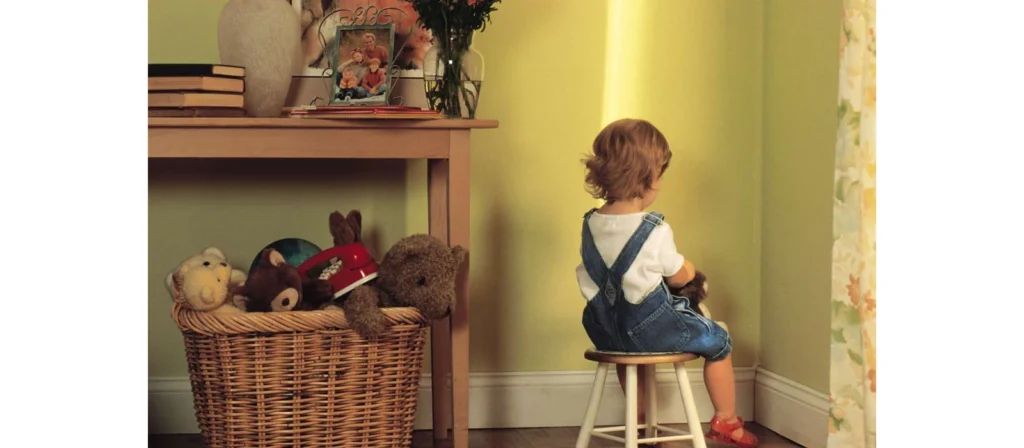
What do We Mean by Developmental Issues in Children?
Child development is the slow, uneven growth of many abilities at once. Children learn to move, speak, understand, focus, manage emotions, read social cues and think about cause and effect. None of this is finished in early childhood. The brain regions that support impulse control, planning and flexible thinking continue to mature into early adulthood.
Development is also uneven. A child can be advanced in language but behind in emotional regulation. Another child can be physically skilled but confused in social situations. This unevenness is common. We talk about developmental issues when one or more areas lag so far behind that they cause ongoing difficulty in daily life.
Developmental issues are not moral flaws. They are gaps or delays in skills. A child may want to do well, know the rule and still fail to wait, listen, calm down or think ahead. When we remember that, difficult behavior becomes a clue that some part of development is under pressure, not proof that a child simply does not care.
Key Developmental Issues That Influence Childhood Behavior
Different developmental issues shape behavior in different ways. Below are several important patterns that often sit behind the behaviors adults find most challenging.
Vulnerability and the Need for Power
Children are deeply dependent on adults for safety, comfort, and care. They quickly learn that they must get adult attention to have their needs met. When this feels uncertain, power becomes a major theme in behavior.
Infants cry, and someone comes. Toddlers whine or cling. Two-year-olds discover tantrums. Three and four-year-olds experiment with bargaining, bossiness, and “you are not my friend”. When a child’s needs are met with reasonable consistency, they usually relax. When they experience neglect, rejection, or betrayal, they often become more controlling, aggressive, or clingy. Their behavior is an attempt to feel less helpless in a world that feels risky.
Egocentrism and “It Is All About Me”
Young children are naturally egocentric. They do not yet fully understand that other people have separate thoughts and feelings. If they want the red ball, they assume everyone else is fine with them having it. When another child does not hand it over, they feel genuine shock and frustration.
Egocentrism also leads children to connect events to themselves in unrealistic ways. They can believe that a parent’s drinking, arguments at home, or even a grandparent’s death are their fault. “When I am bad, something bad happens. Something bad happened, so I must have been bad.” This faulty logic can create strong guilt and low self-worth, which then shows up as more acting out or more withdrawal.
All or Nothing Thinking
Preschoolers have trouble holding mixed pictures in mind. In their world, people and events tend to be all good or all bad. A classmate who pulls hair is a “bad kid”. A relative who is fun and generous cannot possibly be doing anything wrong, even if they are clearly making harmful choices elsewhere.
This black and white thinking affects behavior. A child who sees themselves as “bad” after repeated criticism may give up trying. A child who sees a peer as “mean” may feel justified in excluding or attacking them. Until children learn to see shades of gray, their behavior will often mirror these extreme judgments.
Living in the Here and Now
Young children are anchored in the present moment. They focus on what they can see, hear, and feel right now. Thinking about what led up to a situation or what might happen later is hard because it requires abstract thinking and working memory that are still developing.
This has two important effects. First, consequences that are delayed until the end of the day are less effective than immediate, simple responses. Second, common adult questions such as “How would you feel if someone did that to you” do not work the way we expect. Many children cannot yet imagine themselves in a different situation. They may hear such a question as a threat, not an invitation to empathy, and react with fear or confusion instead of insight.
Magical Thinking and Mixed Reality
Young children often blend fantasy and reality. They may believe that television characters are real, that people who are hurt can bounce back without lasting damage, or that wishing strongly for something can make it happen. This magical thinking is part of normal development, but it can also cause problems.
A child who copies what they see in cartoons may be surprised that a punch really hurts. A child who wished something bad would happen to a sibling might feel unbearable guilt if a real accident occurs. In both cases, behavior after the event may look strange or extreme if adults do not realize how the child is connecting thoughts and events in their mind.
Outside Stress and Trauma
Development does not happen in a quiet bubble. Family stress, conflict, loss, illness, community violence, and disasters all shape how children feel and behave. When adults around a child are consumed by their own stress, they often have less patience and attention to offer. The child may start to feel unimportant or unsafe, even if nobody says that directly.
For a child who is already egocentric, it is easy to decide that any bad event is somehow their fault. This belief can deepen shame and lower self-esteem. The child may become more irritable, more tearful, more explosive, or more shut down. In these cases, difficult behavior is a signal of emotional overload layered on top of still-developing skills.

Ways to Support and Ease Developmental Issues
Providing Emotional Safety
Many developmental issues feel worse when a child is already stressed or ashamed. Children need at least one or two adults who stay warm, predictable, and calm, even when behavior is hard to handle. Simple messages such as “You are not bad, you are learning” and “I am here to help you” lower fear and make it easier for the child to keep trying, even when skills are delayed.
Matching Expectations to Developmental Level
A lot of daily conflict comes from asking a child to do something their development does not yet support. When adults break tasks into smaller steps, use clear and simple language, and allow extra time for children who need it, they reduce pressure on weak skills like attention, language, or emotional control. The goal is not to give up on growth, but to set expectations that are just above the child’s current level, so practice is possible instead of overwhelming.
Using the Environment as a Silent Helper
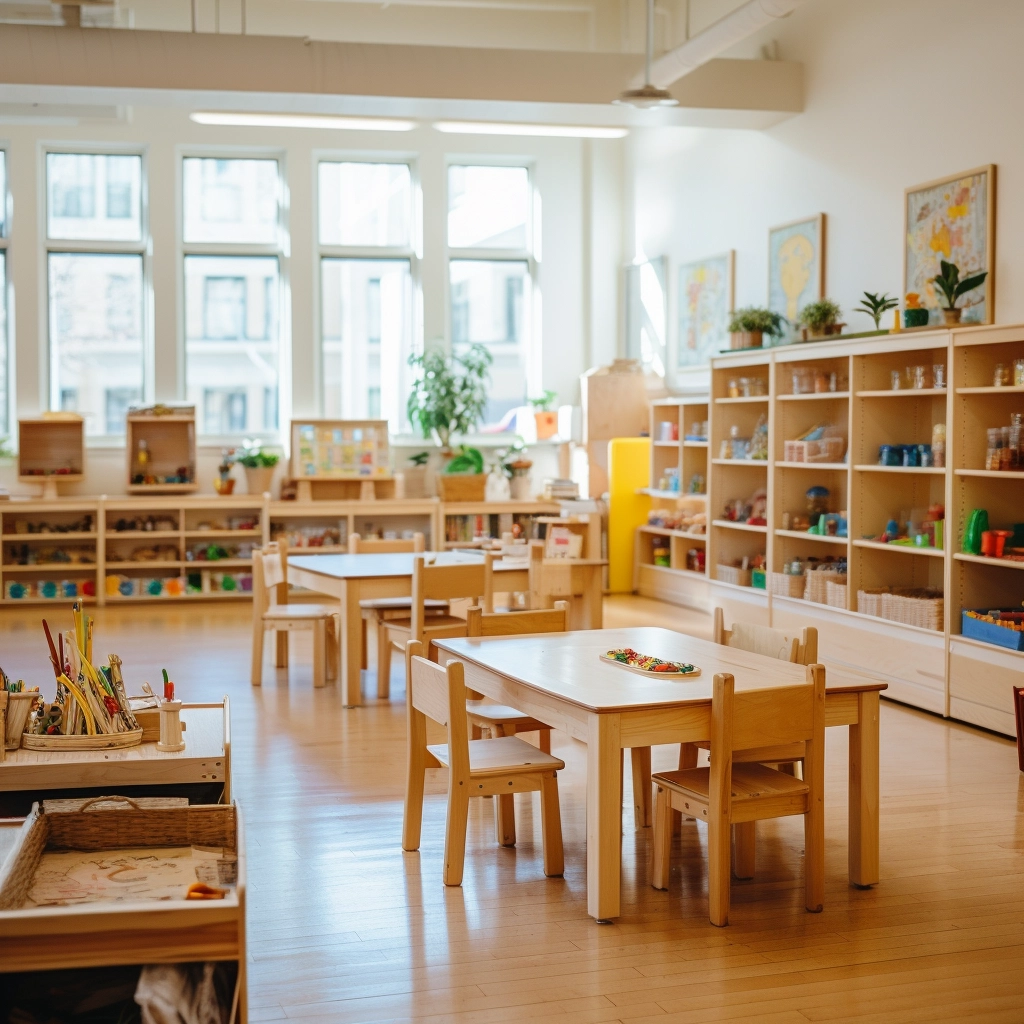
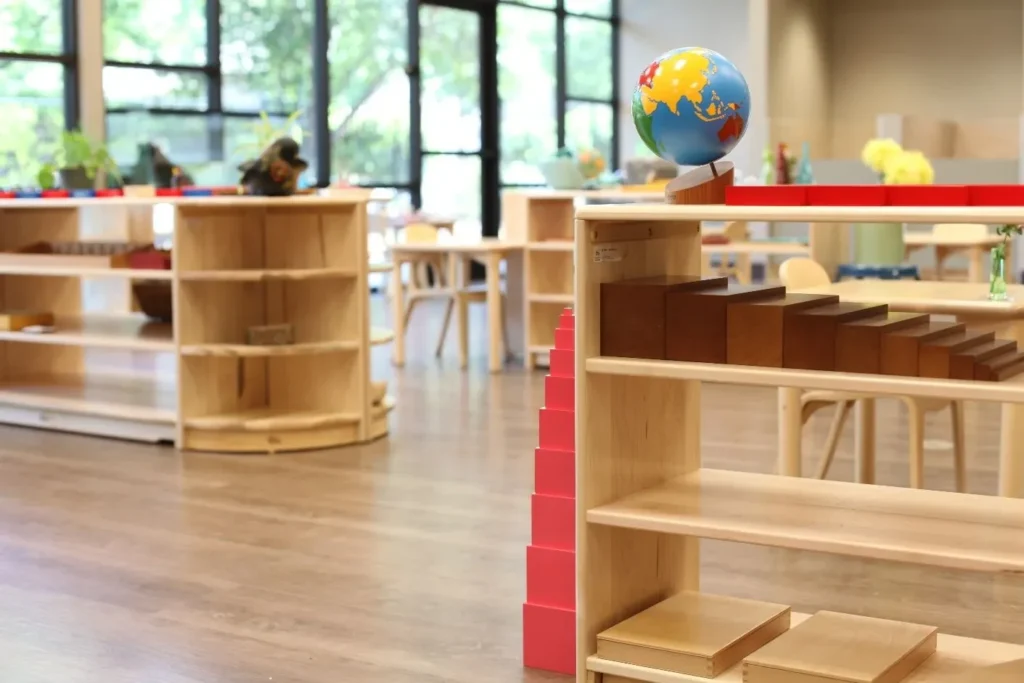
The physical space around the child can quietly ease the impact of developmental issues. Child-sized mesas y sillas, low shelves, and clearly defined work areas make it easier for young children to move, choose, and tidy without constant reminders. Hands-on materials, including many Montessori-style activities, invite repetition, concentration, and problem-solving, which helps children with delays practice important skills in a natural way. In a well-prepared classroom, furniture and materials work together with the adults so the room itself supports calmer, more organised behaviour.
Working Together Around the Child
Children with developmental issues do best when the important adults in their lives share a basic understanding and respond in similar ways. When parents, teachers, and caregivers talk regularly about what helps, use similar words for key limits, and keep routines as consistent as possible, the child does not have to guess what will happen next. Over time, this shared approach gives a stable frame in which delayed skills can grow more steadily, and everyday life feels less confusing for everyone.
Conclusión
When we look at children through a developmental lens, the story about “difficult behavior” changes. Instead of seeing fixed traits, we see skills that are still growing. Instead of asking “What is wrong with this child?” we ask “What is hard for this child right now, and what does that tell me about their development?” That shift does not remove boundaries or responsibility, but it does change our tone, our expectations, and the kind of help we offer.
Developmental issues and childhood behavior are tightly linked. The more clearly adults understand that link, the more fairly and effectively they can respond. A child who feels seen as “in progress” rather than “a problem” is more likely to stay engaged, to try again, and to build the very abilities they are missing. In the end, that is the goal: not perfect behavior, but steady growth, supported by adults who know how to read behavior as a window into development, not as a final judgment on who a child is.

 Spanish
  English
  Korean
  Japanese
  Italian
  German
  Arabic
  French
  Thai
Thai