Why the Right Storage Units Transform Your Classroom?
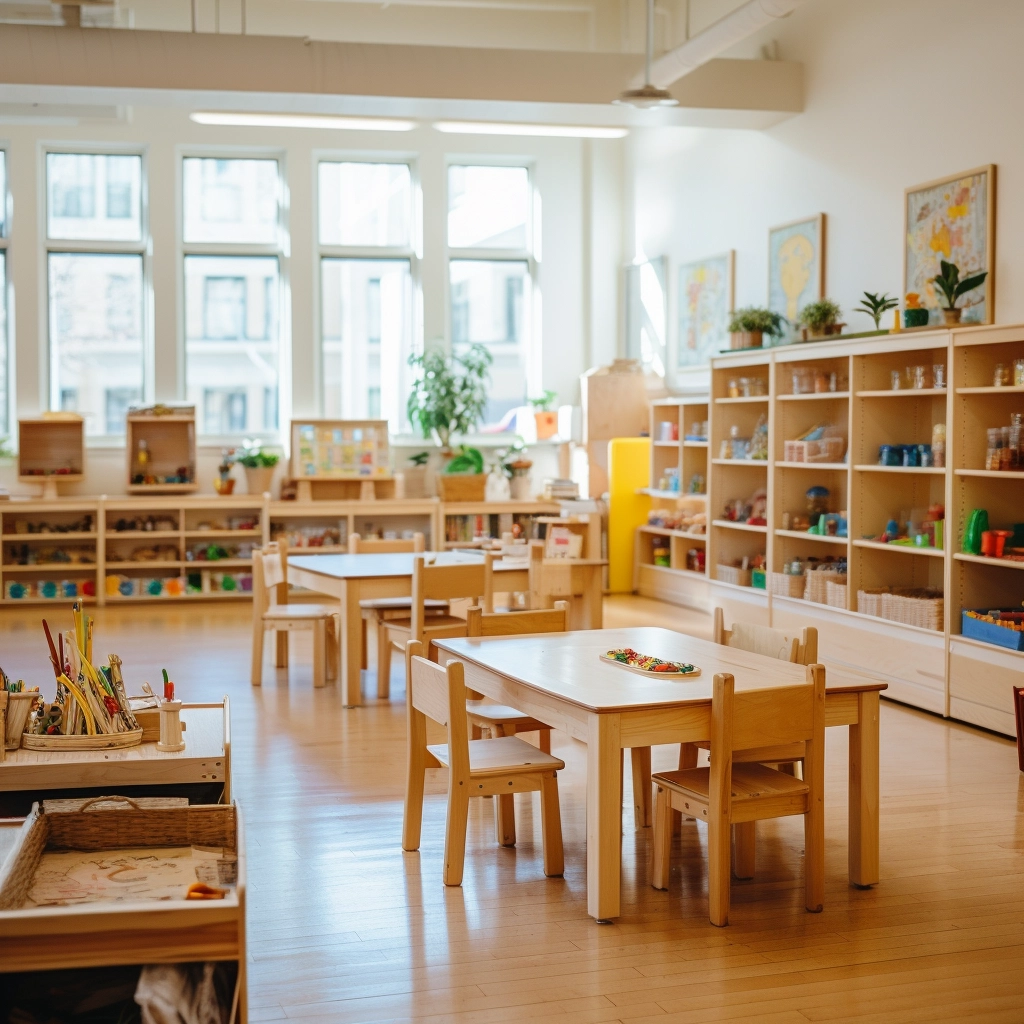
A cluttered classroom is more than just an eyesore; it is a significant barrier to learning efficiency. Disorganization distracts young students, disrupts the flow of daily routines, and increases cognitive load for both teachers and children. When educational materials are difficult to locate or scattered without order, it creates avoidable tension that undermines the quality of your program.
Choosing the right classroom storage units brings essential structure and logic to the space. When you provide furniture designed for specific functions, you create a system where every item has a clear “home.” This empowers students to develop habits of order and responsibility. For your staff, professional storage solutions minimize transition times and frustration, allowing for a smoother, more productive school day.
Ultimately, storage shapes the “personality” of your classroom. Organized, open shelving and accessible bins foster a calm, focused environment that encourages independent exploration. When a learning space feels intentional and clutter-free, it signals to parents and students alike that this is a place of serious learning, keeping children engaged and ready to absorb new concepts.
Smart School Storage Solutions That Actually Work
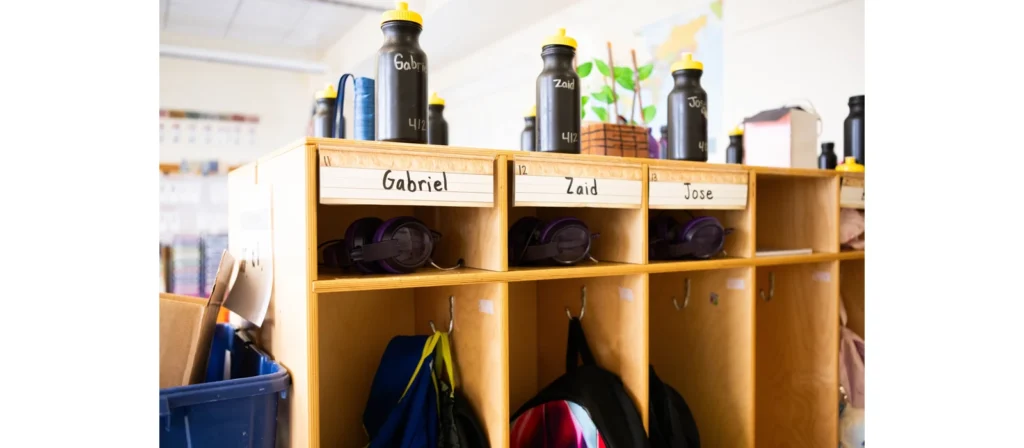
In a well-functioning early childhood classroom, storage isn’t just about keeping things tidy; it is a strategic tool for building independence, supporting daily routines, and maintaining a calm learning environment. The following six types of storage units are among the most effective in the industry, engineered to meet the specific physical needs of toddlers and preschoolers while maximizing classroom utility.
Toddler Locker
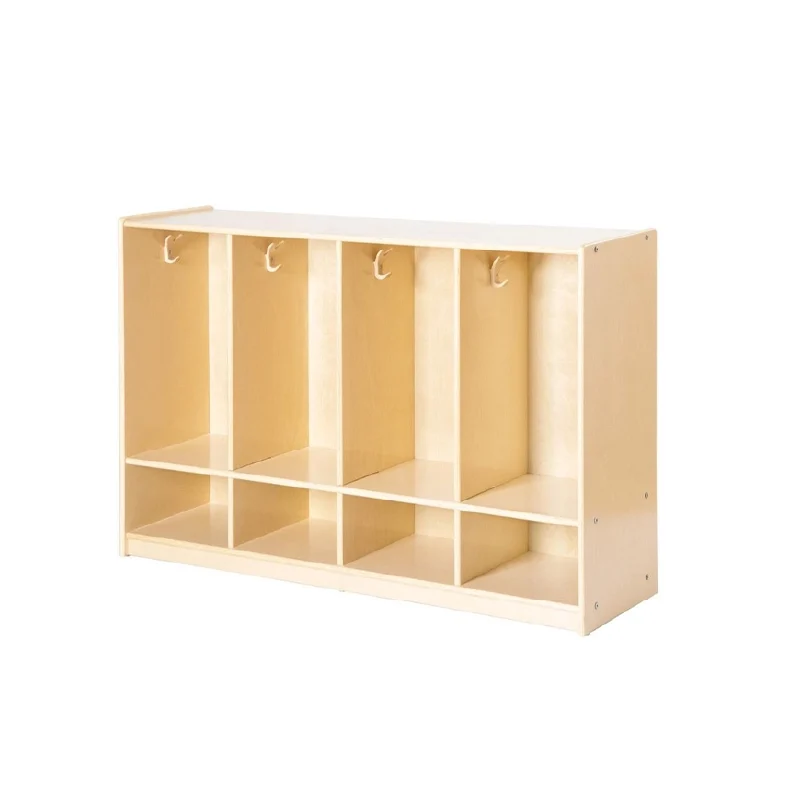
Specifically engineered for the 18-36 month age group, the Toddler Locker features four spacious, low-profile compartments that allow even the smallest children to access their belongings without adult assistance. Each section is equipped with heavy-duty, double-pronged hooks to hold heavy winter coats and backpacks securely, while the open design encourages self-help skills during arrival and dismissal routines.
Mobile Toddler Locker
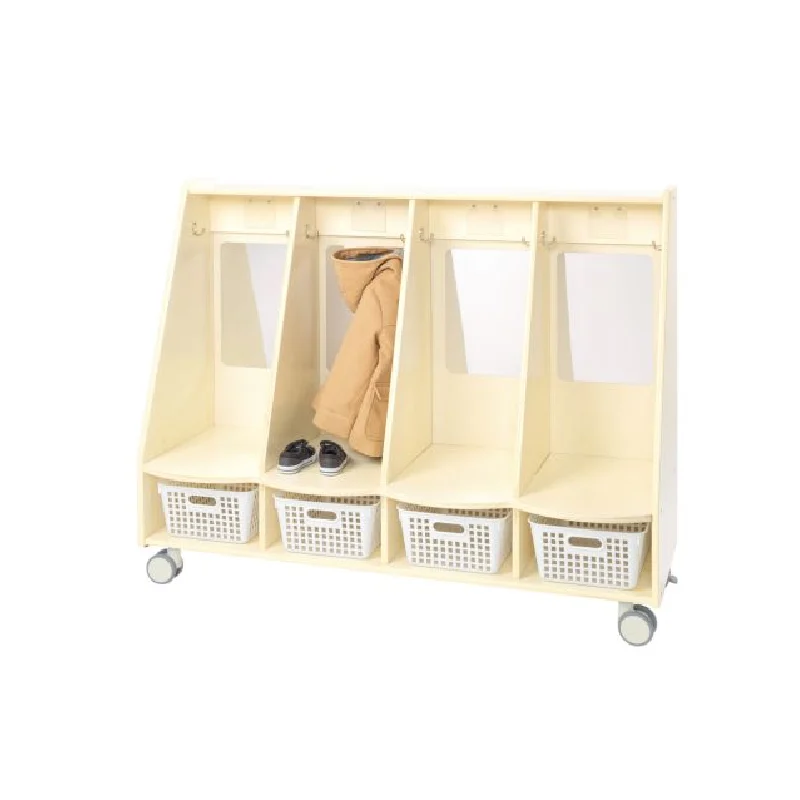
Designed specifically for dynamic learning environments, the Mobile Toddler Locker features five deep compartments mounted on industrial-grade, non-marking locking casters. This mobility empowers teachers to effortlessly reconfigure the classroom layout, allowing the unit to function as a central room divider during activity time or roll against the wall to open up floor space. Such versatility makes it an indispensable asset for multi-purpose rooms and shared activity centers that require frequent adjustments throughout the school day.
Locker with Bench
Merging functionality with comfort, this unit features a reinforced, solid-wood bench that provides a stable seated area for children to change shoes safely, significantly reducing hallway congestion during rush hours. The smart design maximizes vertical efficiency with upper hooks for outerwear and dedicated lower cubbies specifically sized for boots or indoor shoes, keeping muddy footwear off your clean classroom floors.

5-Section Locker Cubby
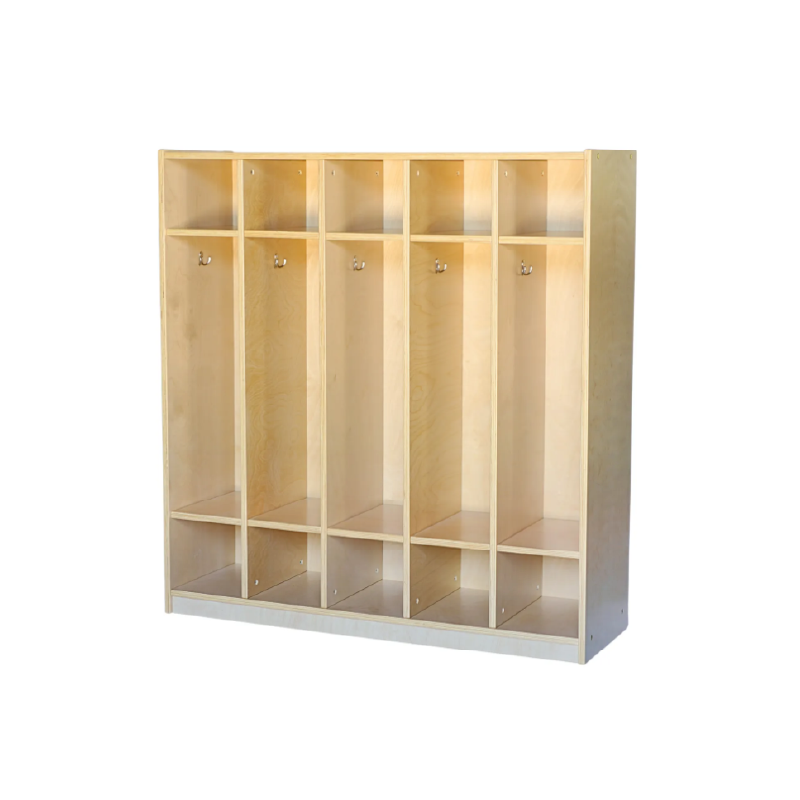
Ideal for high-enrollment centers where floor space is at a premium, the 5-Section Locker Cubby maximizes storage density without sacrificing individual space. Each vertical locker provides a dedicated “home base” with an upper shelf for lunchboxes or artwork and a tall hanging section, ensuring that up to five students can organize their gear in a compact footprint that optimizes your classroom’s square footage.
Corner Seat Locker
Turn “dead space” into a functional asset with this cleverly designed Corner Seat Locker, which connects seamlessly with our standard shelving to create a continuous, flowing room layout. It features a cozy, curved seating area perfect for a quiet reading nook or a “peace corner,” utilizing every square inch of your classroom real estate while softening the room’s angles for a safer, more inviting environment.

Wall Locker Cubbies
For facilities prioritizing floor hygiene and open play space, our Wall Locker Cubbies offer a secure, elevated storage solution perfect for parent communication folders, extra clothes, or diapering supplies. By mounting these units securely to the wall, you keep essential items within teacher reach while leaving the floor completely unobstructed for easy cleaning by janitorial staff or robotic vacuums.

Key Features to Look for in a High-Quality Classroom Unit
Not all storage units are created equal, especially in early childhood settings where children interact with furniture every day. When choosing classroom storage, it’s important to look beyond surface-level design and consider how each feature supports learning, safety, and long-term use. Here are the essential qualities to look for in any high-quality storage unit for young learners.
Child-Height Accessibility
One of the most important features in early learning furniture is accessibility. Shelves, cubbies, and lockers should be low enough for children to reach independently. This encourages self-help skills and allows students to participate fully in classroom routines like unpacking their belongings, returning materials, and cleaning up after activities.
Rounded Corners for Safety
Classrooms are active spaces, and safety must always come first. Storage units with rounded edges help prevent injuries during movement and play. Whether placed in busy pathways or quiet corners, furniture with smooth edges adds an extra layer of protection without sacrificing function.
Open Storage Design
Young children need to see materials to use them. Open shelves and bins allow for easy visual access, reducing the number of reminders teachers have to give. This kind of visibility promotes independence and makes clean-up time faster and more consistent.
Durable, Easy-to-Clean Surfaces
Preschool environments are hands-on and often messy. Look for units made from sturdy materials like laminate wood or coated plywood that can withstand spills, scratches, and frequent cleaning. Durable construction ensures the furniture lasts through multiple school years and continues to look welcoming.
Mobility and Flexibility
In classrooms where learning areas change throughout the day, storage units with wheels or lightweight frames offer valuable flexibility. Mobile carts and movable shelves make it easier to rearrange spaces, rotate materials, and adapt the room to fit changing needs.
Best Classroom Units for Different Teaching Needs
Every early childhood classroom has unique demands based on age group, curriculum, and available space. The most effective storage setups are those that match the specific needs of the teaching environment. Below are some common classroom types, along with recommended storage units that help support learning goals and daily routines.
For Toddler Classrooms: Simple, Open, and Low
In toddler classrooms, the priority is accessibility and safety. Storage units should be low to the ground, with wide openings and minimal moving parts. Open cubbies, toddler-height lockers, and clear bin shelving are ideal. These units encourage exploration while teaching very young children how to care for their environment. Avoid high shelves or units with heavy doors that could pose a risk.
For Preschool Classrooms: Mixed Storage with Defined Zones
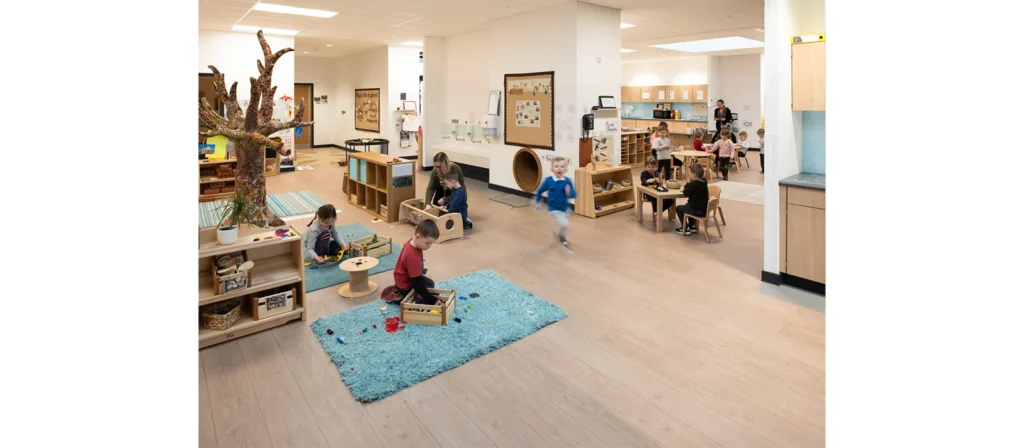
Preschool rooms often include several learning areas like blocks, dramatic play, art, and literacy. The best approach is to use a combination of open shelving, cubbies, and mobile carts to clearly define each zone. For example, a five-compartment shelf can separate building toys by type, while an art cart on wheels keeps creative tools mobile and easy to clean up. Storage supports both independence and focused activity.
For Classrooms with Limited Space: Multi-Use and Wall-Mounted Units
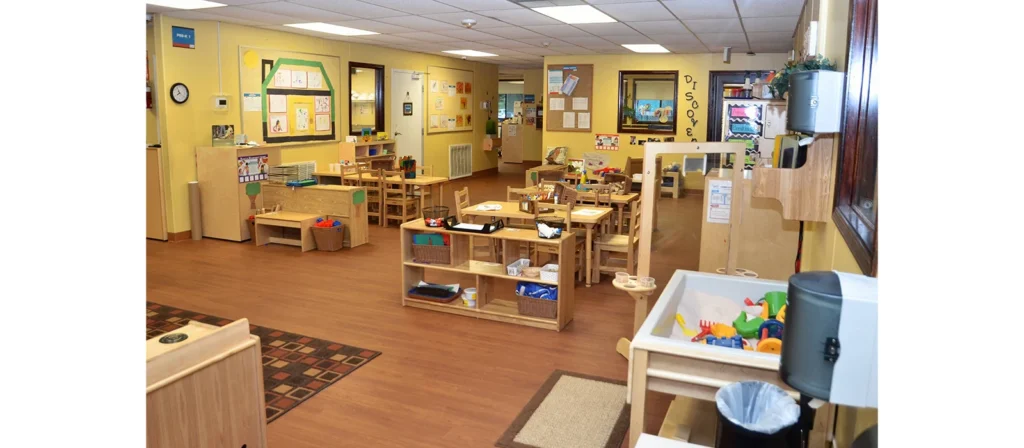
Small or shared classrooms benefit from storage units that serve multiple purposes. A storage bench in the reading area adds comfort while holding books underneath. Wall-mounted cubbies and vertical lockers help keep the floor clear. Corner units and narrow five-section lockers can make use of tight spaces without overcrowding the room. These solutions support order without compromising space to move and play.
How to Stay Organized Throughout the School Year?
Setting up a well-organized classroom is just the beginning. The real challenge is keeping that sense of order consistent as the year progresses. With new materials, routines, and students constantly shifting, staying organized requires a mix of thoughtful systems, steady habits, and a shared culture of care.
One helpful approach is to build in a simple end-of-day reset. Taking five minutes before dismissal to return materials, straighten shelves, and check storage areas keeps clutter from getting out of hand. When children are part of this process, it reinforces their role in taking care of the classroom.
It also helps to refresh your labeling and storage layout every few months. As materials rotate, make sure labels match and that bins are still serving their purpose. Pay attention to areas that always seem messy or overcrowded. Small tweaks, like relocating supplies or adjusting shelf space, can make the classroom easier to manage over time.
Designing a Classroom That Feels Good to Be In
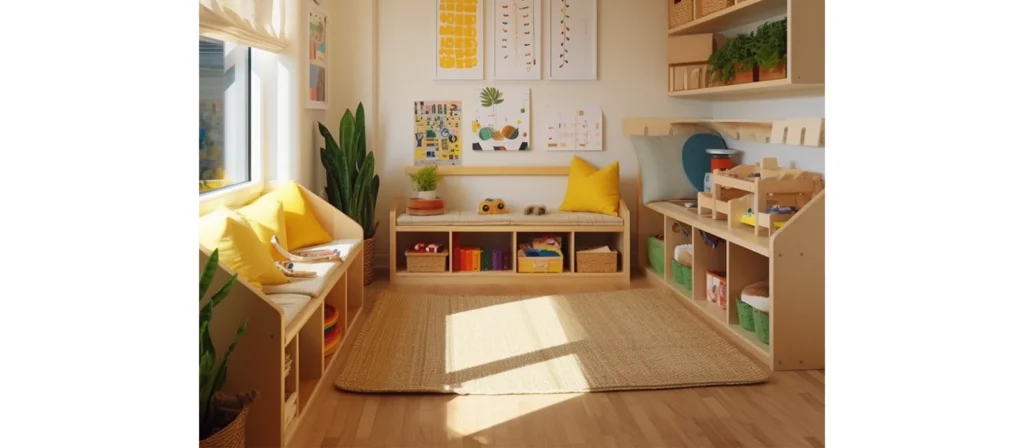
A calm and welcoming classroom doesn’t happen by accident. It begins with thoughtful choices about space, structure, and the presentation of materials. When everything has a clear place, students feel more confident, more focused, and more engaged in the learning process.
The best storage choices blend function with intention. Open shelves support independence, soft colors reduce visual stress, and clear bins with simple labels make it easier for children to manage their own space. These decisions, while small, build trust and confidence in young learners.
Designing a classroom should always reflect the needs of the children and the rhythm of your teaching. When storage is thoughtfully planned and consistently used, it creates a space where students and teachers alike can thrive. More than neatness, it fosters peace, freedom, and focus.
Frequently Asked Questions (FAQ) for Importers
Do your storage units meet US (ASTM) and EU (EN71) safety standards?
Absolutely. We understand that liability is a major concern for kindergarten owners. All our storage units are manufactured using E1 or CARB P2 compliant Birch Plywood to strictly limit formaldehyde emissions. Our finishes are non-toxic, lead-free UV lacquers. We can provide up-to-date SGS or Intertek test reports for ASTM F963 and EN71 upon request to help you clear customs and satisfy school board inspections.
Can I customize the dimensions or add my brand logo (OEM)?
Yes, we specialize in OEM and ODM services. Since we operate 5 dedicated production lines, we can easily adjust dimensions to fit specific architectural needs or apply your company’s logo to the packaging and product instruction manuals. This allows you to build your own brand authority while leveraging our manufacturing capabilities. Contact our design team to discuss your private label needs.
Do you provide assembly tools and instructions?
Yes. Every flat-pack carton includes a detailed, step-by-step instruction manual in English (or your specified language) and all necessary hardware and tools (Allen keys). The assembly is designed to be intuitive, taking an average of 15-20 minutes per unit for a single person, which helps reduce installation labor costs for your projects.
Can I order a sample before committing to a full container?
We strongly encourage it. We want you to see and feel the quality of our Birch plywood and smooth edges firsthand. We offer sample units at a discounted rate (shipped via air freight). If you proceed with a bulk container order later, we will deduct the sample cost from your final invoice.

 Spanish
  English
  Korean
  Japanese
  Italian
  German
  Arabic
  French
  Thai
Thai