You notice your child is not quite keeping up on the playground. Other toddlers are running, climbing and hopping with ease, while yours hesitates or stumbles. It might simply be a slower pace, or it could point to something more. For parents and caregivers, it is natural to wonder when to step in and when to wait.
These everyday moments are closely tied to a child’s gross motor skills. Gross motor skills allow children to move their bodies with strength, balance and control. They support actions like crawling across the floor, walking independently and climbing playground equipment. As these abilities develop, children gain confidence in how they move and interact with their surroundings.
This guide explains how gross motor skills typically develop, what signs may suggest a delay and how parents and educators can support healthy physical growth. With the right understanding and support, children can build the movement skills they need to feel capable and confident.
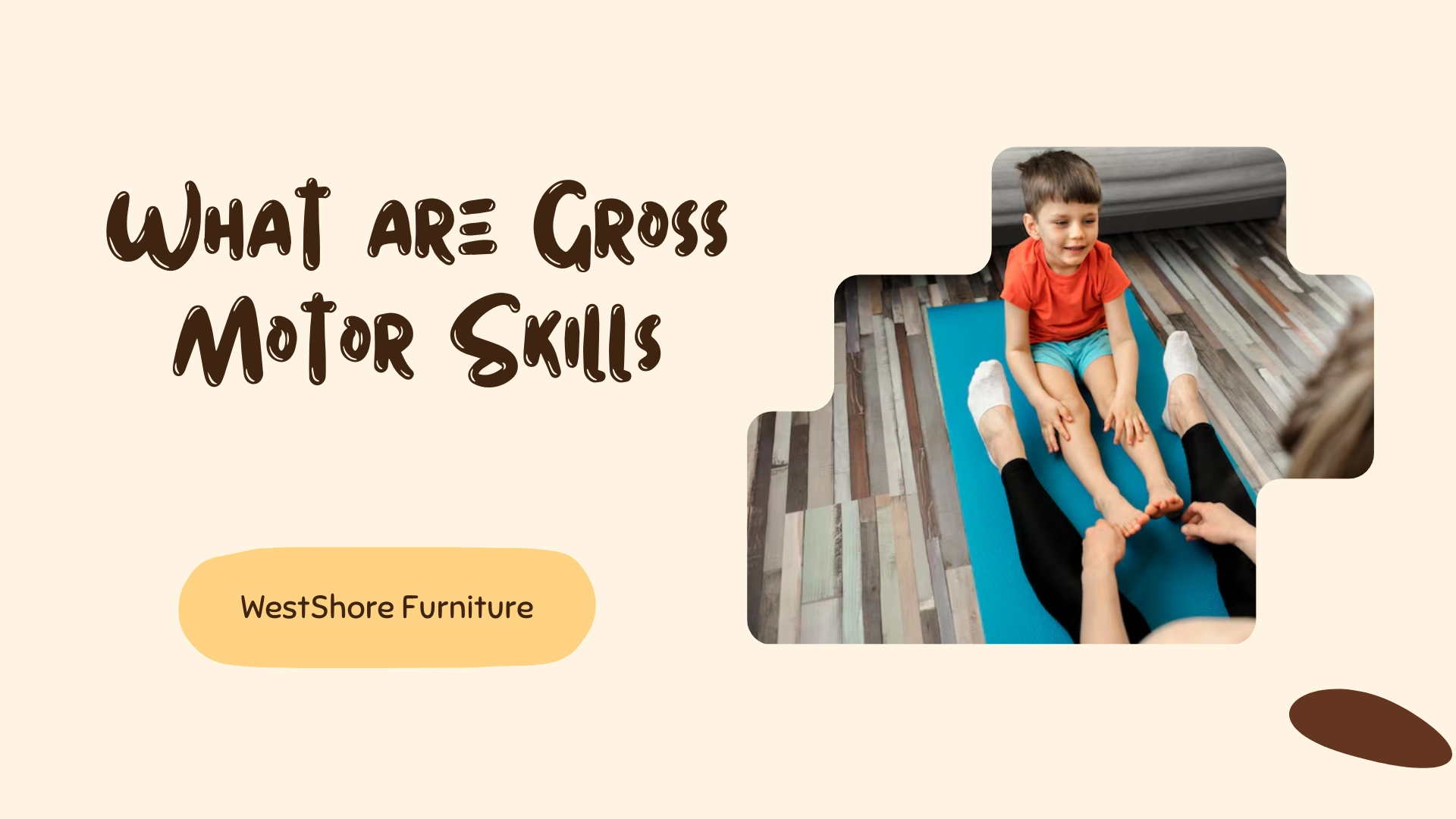
What Are Gross Motor Skills?
Gross motor skills refer to the abilities that involve large muscle groups responsible for whole body movement, such as walking, running, jumping, and maintaining posture. These movements rely on strength, coordination, balance, and motor planning, forming the foundation for physical independence in daily life.
같지 않은 fine motor tasks that involve precise hand and finger control, gross motor actions engage the core, legs, and arms. Mastery of these skills is critical for child development, and delays can signal broader neurological or developmental concerns.
Gross Motor Skills Examples
Children develop gross motor skills gradually, moving from simple body movements to more coordinated and strength-based activities. Below are examples that reflect this natural progression:
- Lifting and holding the head up during tummy time
- Rolling from back to front
- Sitting up without support
- Crawling across the floor
- Pulling up to stand while holding furniture
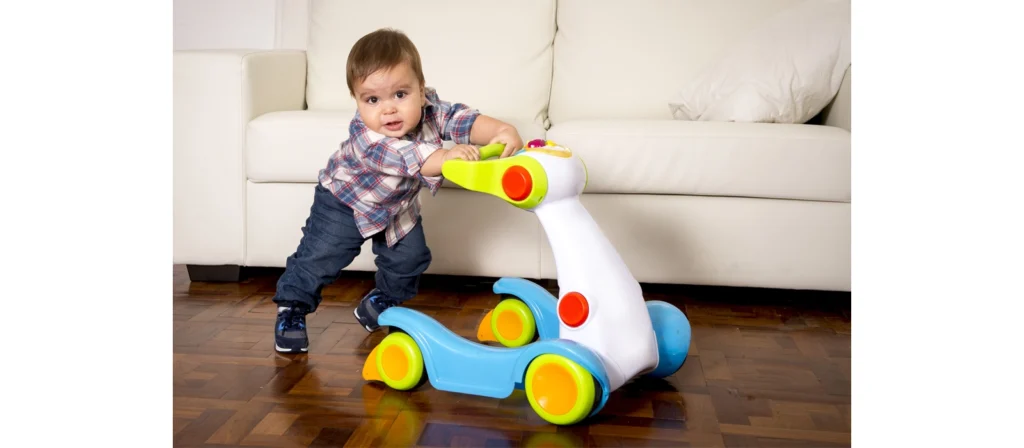
- Walking independently across short distances
- Climbing onto low furniture or playground steps
- Running with increasing control and direction
- Jumping with both feet off the ground
- Kicking a stationary ball forward
- Riding a tricycle or a balance bike
- Balancing briefly on one foot
These examples show how gross motor skills emerge in stages, supporting a child’s growing independence, spatial awareness, and confidence in physical play.
Developmental Milestones: Gross Motor Skills in Children
Developmental milestones help track the progression of gross motor skills over time. These checkpoints reflect how children typically gain strength, balance, and body control at each age. While each child grows at their own pace, these general patterns are useful for parents and caregivers to observe physical readiness and potential delays.
The timeline below outlines typical gross motor milestones from infancy through age six, showing how children move from basic control to full-body coordination.
| Age range | Activities (typical milestones) |
|---|---|
| 0 to 3 months |
|
| 3 to 6 months |
|
| 6 to 9 months |
|
| 9 to 12 months |
|
| 12 to 18 months |
|
| 18 to 24 months |
|
| 2 to 3 years |
|
| 3 to 4 years |
|
| 4 to 5 years |
|
| 5 to 6 years |
|
| 6 years |
|
This milestone chart serves as a practical guide for typical gross motor development by age. It helps families and educators recognize progress, support healthy movement patterns, and identify when a child may benefit from early evaluation. It is not intended to replace a professional developmental screening.
What Is Gross Motor Delay?
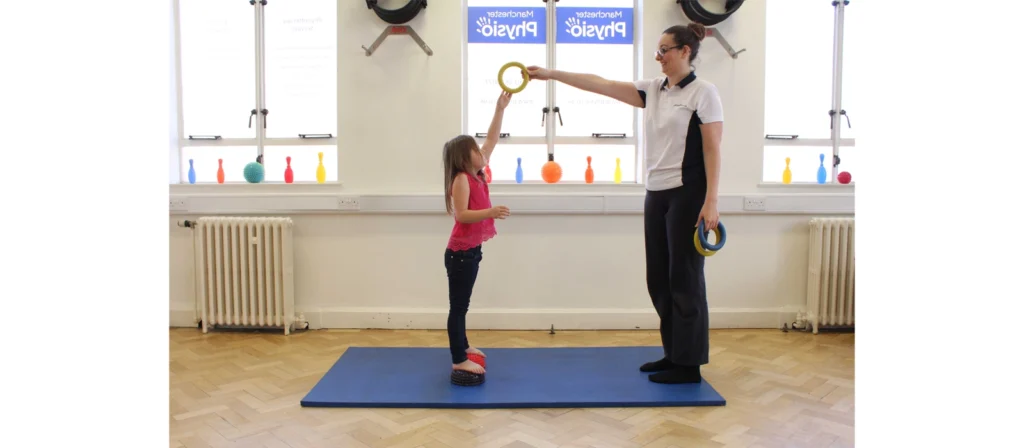
A developmental delay happens when a child does not reach physical milestones within the expected time frame. When this delay involves large body movements, it is called a gross motor delay. Children with this delay may take longer than peers to sit without support, crawl, walk, or climb stairs. While some variation is normal, a consistent gap in gross motor development may signal a need for further evaluation.
Causes of Gross Motor Delay
There are many possible reasons for a delay in gross motor skills. Some children simply develop at a slower rate, while others may be affected by:
- Premature birth, which can impact early muscle tone and strength
- Neurological or genetic conditions such as cerebral palsy or Down syndrome
- Muscle weakness or low muscle tone that limits control over movement
- Sensory processing issues or poor balance
- Environmental factors like lack of space or opportunity to practice movement
- Medical conditions, such as vision or orthopedic problems, that make physical activity harder
Symptoms and Signs
Signs of a gross motor delay vary by age. Common symptoms include:
- Trouble holding the head up steadily after 3 months
- Not sitting without support for 9 months
- Not crawling or moving toward objects by 12 months
- Difficulty walking independently by 18 months
- Poor balance, frequent falls, or limited interest in active play
- Avoiding stairs, climbing, or running compared to peers
When these challenges persist and interfere with everyday activities like playing, self-care, or preschool participation, it may be time to consult a pediatrician or therapist. Early support can make a significant difference in helping a child build strength and confidence.
How to Support Children with Gross Motor Delays
Parents often wonder what to do when a child shows signs of a gross motor delay. The good news is that with early attention and the right support, most children can improve significantly. Addressing this type of delay typically involves a combination of professional guidance, active play at home, and a safe, encouraging environment. Each of these areas contributes to stronger movement skills, greater confidence, and more independence over time.
Seek professional guidance
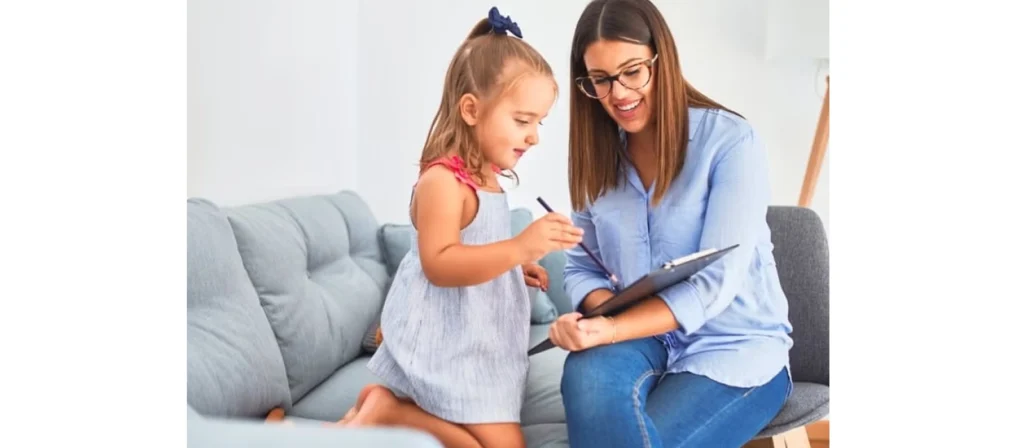
If you are concerned about your child’s gross motor development, start by speaking with your pediatrician. A doctor can assess overall progress, rule out underlying issues and help decide if a referral is needed. Many children with gross motor delays benefit from working with a pediatric physical therapist, who can design fun, movement-based activities to build strength, coordination and balance.
If your child is already in preschool or kindergarten, ask the school about available supports. Some children may qualify for services through early intervention programs, an Individualized Education Program (IEP) or a 504 plan. These programs help ensure your child receives structured support during the school day.
To better understand early intervention services and eligibility, visit the CDC’s developmental monitoring and screening guide for parents.
Use active play and movement at home
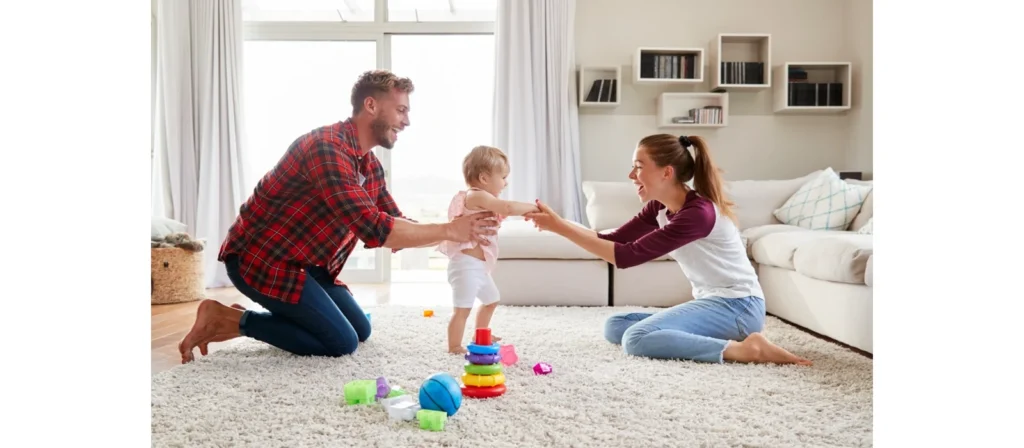
Just like professional therapy, movement at home plays a key role in building gross motor skills. The focus should be on play, not pressure. Climbing at the playground, running in the yard, and jumping over soft cushions can help develop strength and balance. Even everyday routines offer chances to practice, such as walking up stairs, helping carry groceries, or pulling a wagon.
Other fun ideas include building an obstacle course with pillows, crawling under tables, tossing and catching soft balls, or playing movement games like animal walks and freeze dance. These activities help children gain control over their bodies in a low-stress, enjoyable way.
Create a safe and supportive environment
A child’s environment matters just as much as the exercises they do. Encouragement, patience, and praise go a long way. Focus on small improvements rather than perfection, and give your child plenty of chances to try again. Most children benefit from short, frequent practice sessions built into daily routines.
Limit screen time to make more space for hands-on, whole-body play. Make sure areas used for movement are safe, free from clutter, and age-appropriate. Always supervise activities that involve climbing, running, or balance to prevent injuries. With the right mix of structure, freedom, and positivity, children with gross motor delays can thrive physically and emotionally.
결론
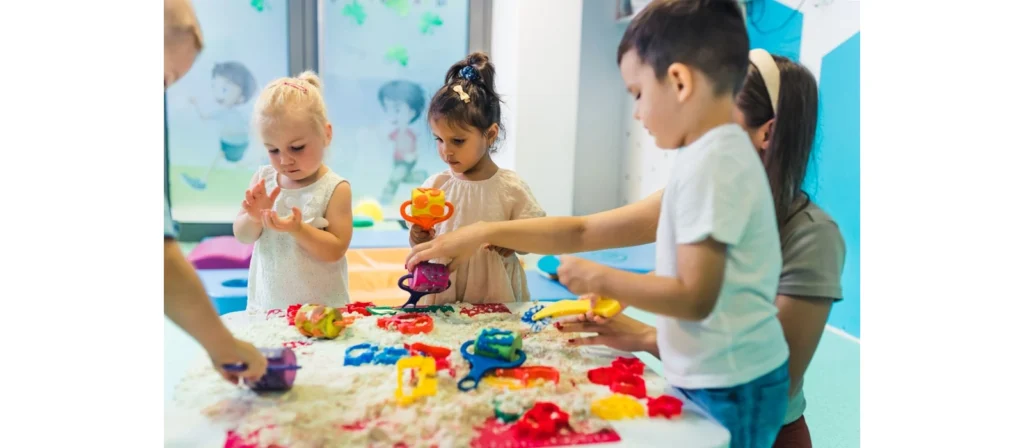
Gross motor skills form the foundation of how children move, explore, and interact with the world around them. From a baby’s first head lift to a preschooler riding a bike, these large-muscle movements drive independence, learning, and confidence. While every child develops at their own pace, there are clear patterns of progress that help parents, educators, and caregivers support healthy growth.
Recognizing early signs of gross motor delays gives families a powerful opportunity to intervene and support development in ways that feel natural, playful, and effective. Whether through physical therapy, guided movement at home, or simply more time to practice, most children respond well to consistent support.
By understanding the difference between fine and gross motor skills and knowing what milestones to look for, adults can better guide children toward the physical readiness they need for school, social life, and everyday challenges. With patience, practice, and encouragement, children can gain the strength, coordination, and confidence that gross motor mastery brings.
자주 묻는 질문(FAQ)
Do I need to see a doctor if I’m just a little concerned?
Not always. If your child is only slightly behind and making steady progress, it is okay to wait and keep an eye on things. But if you are worried or feel unsure, talking to your pediatrician is a smart step. They can help you decide if further support is needed or if your child just needs more time to develop their gross motor skills.
How do gross motor skills affect learning or behavior?
More than many parents realize. Children use gross motor skills to sit upright in class, walk in line, carry materials and play with peers. When movement feels hard, kids may lose confidence or get tired quickly, which can affect their attention and social participation.
My child prefers quiet play. Should I be worried?
Not necessarily. Some children enjoy books, puzzles or drawing more than active play. That is completely normal. Just make sure they still have daily chances to move their bodies. Activities like stretching, walking outdoors or climbing at the playground support healthy gross motor development.
What are the best at-home activities to build gross motor skills?
Keep it fun and low-pressure. Try setting up a mini obstacle course with cushions, play balance games like standing on one foot, roll and chase a ball or go for a walk together. These simple movements help strengthen gross motor control without needing any special equipment.