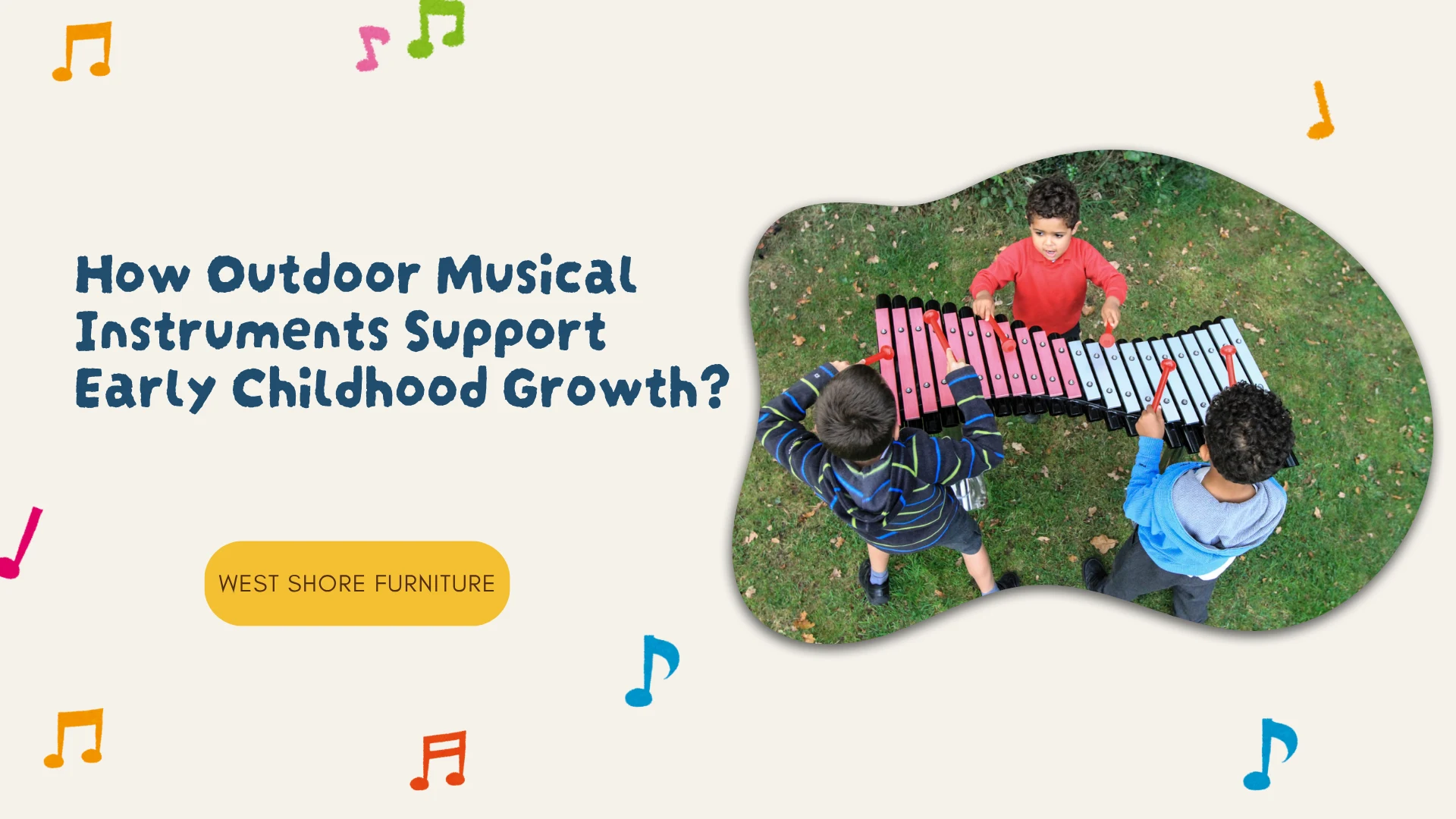
Outdoor play is one of the most important parts of early childhood, but not all play experiences support development in the same way. When music is introduced into outdoor environments, it creates new opportunities for children to explore sound, movement, and rhythm in a natural and engaging way. Outdoor Musical Instruments turn simple play spaces into interactive learning environments where children learn through direct experience rather than structured instruction.
What makes outdoor musical play especially valuable is the freedom it provides. With more space and fewer restrictions, children can experiment, repeat actions, and discover cause and effect through sound. Compared to indoor activities, this open ended environment encourages longer engagement and supports deeper exploration across different developmental areas.
At the same time, musical play offers a more accessible way for children to participate. Unlike many playground features that depend on physical ability, Outdoor Musical Instruments allow each child to engage at their own level. Because of this flexibility, they are increasingly seen as a purposeful part of early learning spaces, supporting exploration, inclusion, and everyday growth through play.
Key Benefits for Early Childhood Development
Outdoor Musical Instruments support multiple areas of early childhood development at the same time. Instead of learning in isolated ways, children build cognitive, physical, and social skills together through active, hands-on play. This is why many educators now see musical playground equipment as more than enrichment and start to treat it as part of everyday learning.
Cognitive and Language Development
When children explore sound, they begin to understand patterns, sequences, and cause and effect in a very natural way. Changing how they strike an instrument alters the sound, while repeating rhythms helps strengthen memory and attention. At the same time, listening to different tones and patterns supports early language development by improving auditory processing, which is closely connected to communication and comprehension skills.
Sensory and Motor Skill Development
Outdoor music play engages multiple senses at once, combining sound, movement, and touch in a single experience. This helps children develop stronger sensory integration while also improving coordination. Actions such as reaching, tapping, and striking support both fine and gross motor skills, making this type of play especially valuable for young children who learn best through movement.
Social and Emotional Growth
In a playground music environment, children are naturally drawn into shared experiences. They observe others, respond to sounds, and begin to play together without needing structured guidance. This kind of interaction builds confidence and encourages self-expression, especially for children who are still developing verbal skills, as music provides another way to communicate thoughts and emotions.
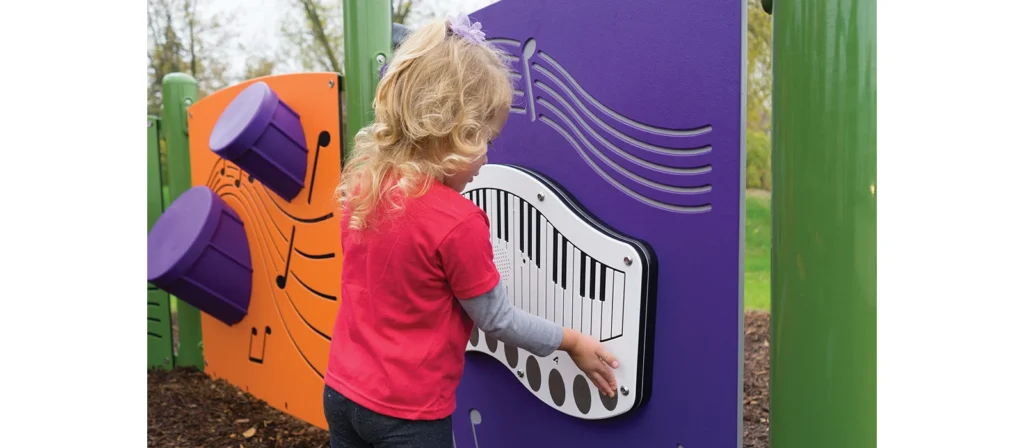
How Outdoor Music Play Enhances Learning
Outdoor music play helps children learn by turning abstract ideas into direct experience. Instead of being told how rhythm, pattern, or sound works, they discover it through repetition, movement, and experimentation. In an outdoor music playground, this kind of learning feels more like exploration than instruction, which is one reason children stay engaged longer and return to the activity again and again.
Learning Through Cause and Effect
One of the clearest ways children learn through music is by seeing how their actions create different results. A stronger strike produces a louder sound, a slower rhythm changes the feel of play, and repeating the same action builds familiarity. These simple moments help children understand cause and effect in a way that feels immediate and meaningful.
Repetition Builds Confidence
Young children learn through doing the same thing many times, and music makes repetition enjoyable. When they tap, listen, and try again, they begin to notice patterns and gain confidence in what they can do. This repeated interaction supports early learning because it allows children to practice without pressure while still making progress.
Movement Supports Attention
Learning in early childhood is often stronger when the body is involved, not just the mind. With outdoor music instruments, children move as they reach, tap, turn, and explore different sounds across a space. That physical involvement helps sustain attention and makes the learning experience more active, memorable, and developmentally appropriate.
Open Ended Play Encourages Discovery
Outdoor musical play does not force children into one correct outcome, which is part of what makes it so effective. They can create their own rhythms, combine sounds in unexpected ways, and explore at their own pace. This freedom encourages curiosity and problem solving while giving children more ownership over how they learn.
Choosing Musical Playground Equipment for Early Learning Spaces
Choosing the right equipment for an outdoor space is not just about aesthetics. It is about selecting instrument types that support different kinds of play, movement, and development. A well designed area usually includes a mix of musical playground equipment that encourages both individual exploration and group interaction, allowing children to engage in multiple ways over time.
Most outdoor musical playground equipment can be grouped into a few core categories based on how children interact with them. Understanding these types makes it easier to design a balanced and engaging play space.
Melodic Instruments
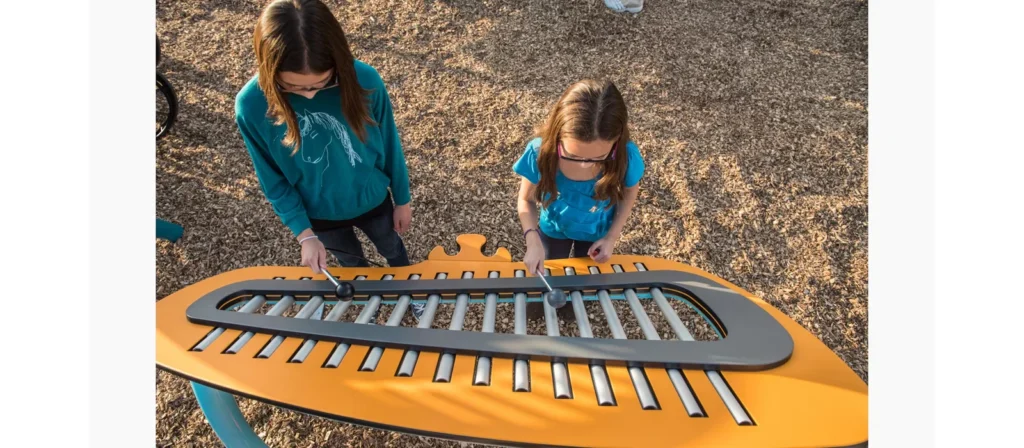
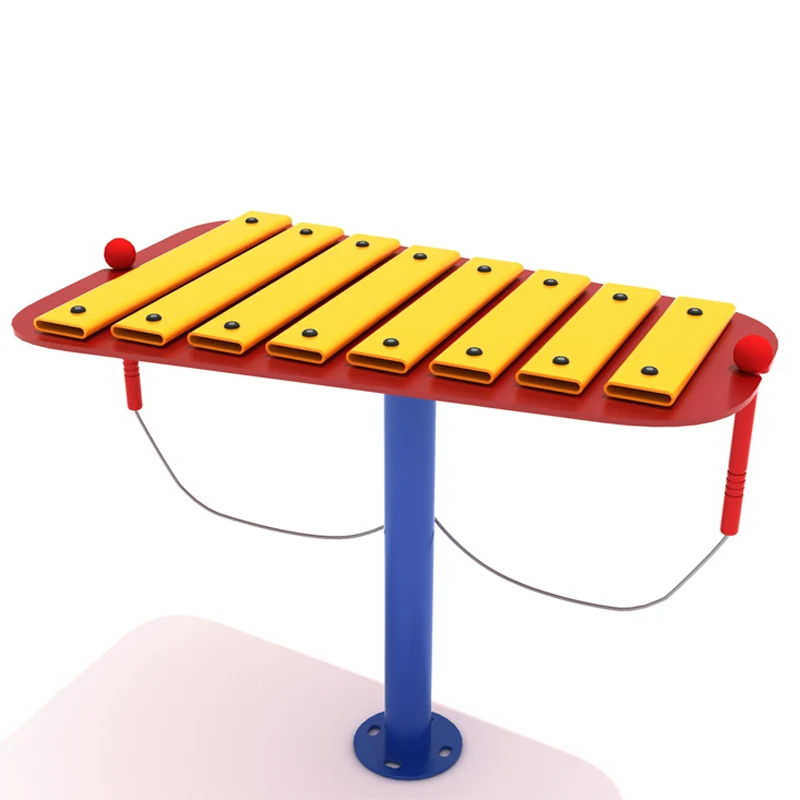
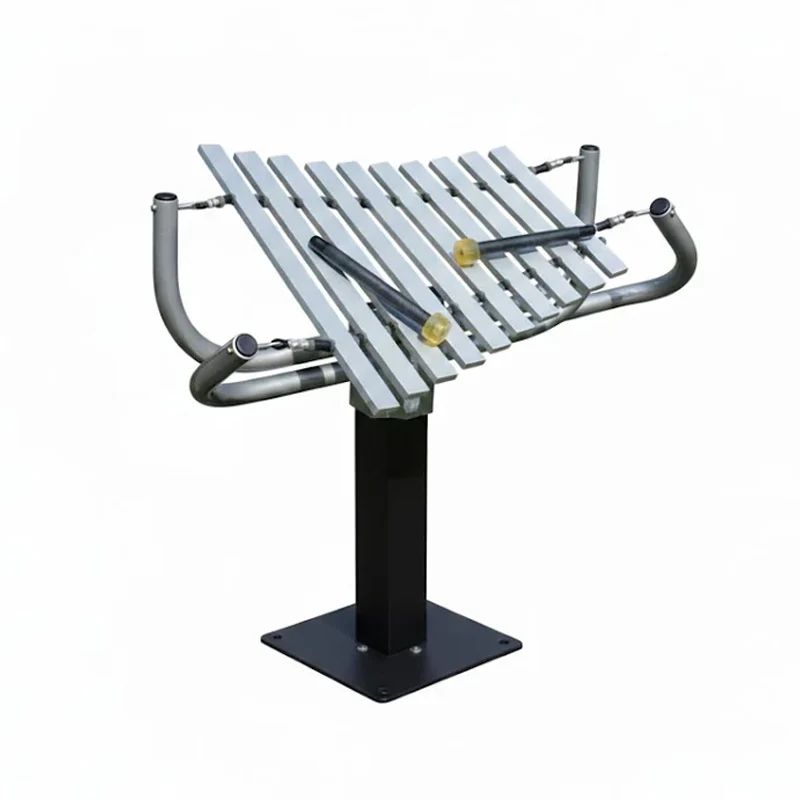
These include xylophones, metallophones, and tone bars that allow children to explore pitch and simple melodies. Products like outdoor xylophone playground equipment help children recognize sound patterns and experiment with sequences, making them ideal for early cognitive and auditory development.
Percussion Instruments
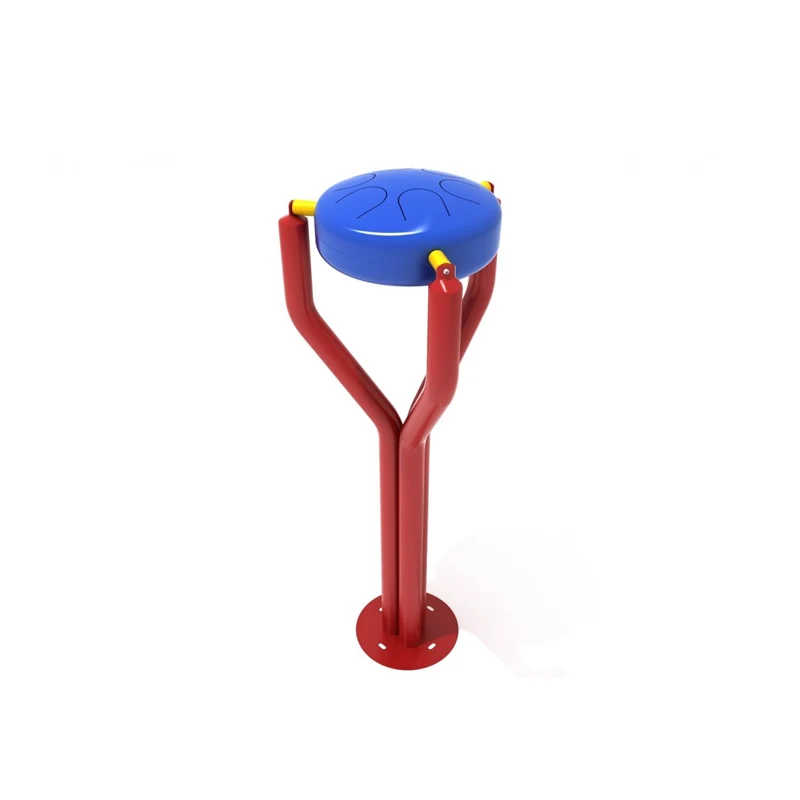
Drums and hand percussion elements are some of the most intuitive options for young children. They encourage rhythm, repetition, and full body movement. This type of playground musical equipment is especially effective for active play and emotional expression, as children can create strong, immediate sound responses.

Chimes and Sensory Sound Panels
Chimes, bell panels, and wall mounted sound features focus more on listening and sensory exploration. These instruments often produce softer tones and are well suited for children who prefer a calmer interaction. They also work well in inclusive environments where not all play needs to be high energy.
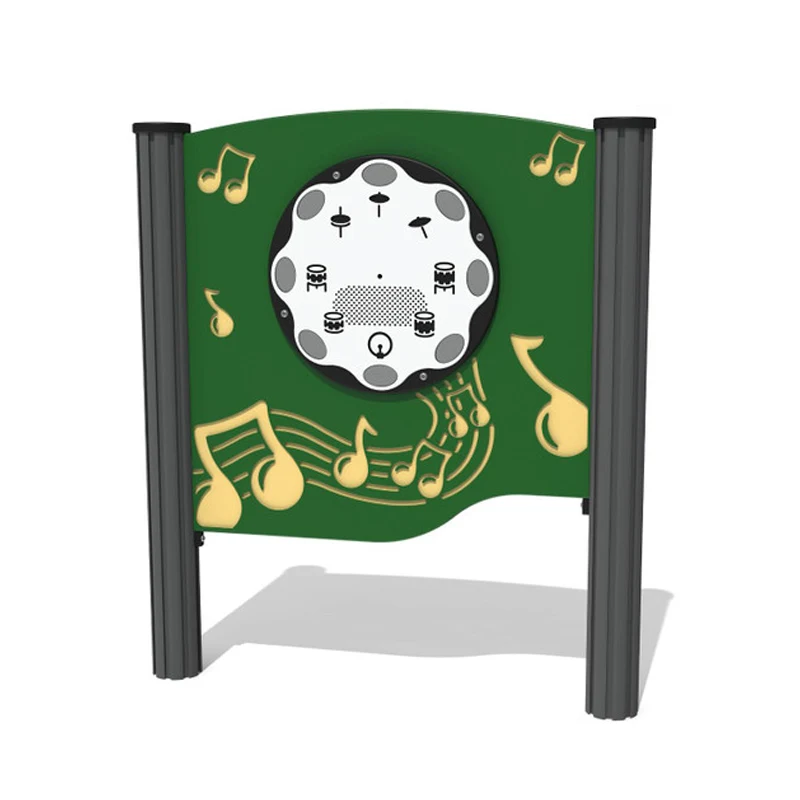

Interactive and Creative Play Elements
Some designs combine sound with movement or imaginative play, such as talk tubes, sound funnels, or multi user panels. These types of playground equipment musical instruments encourage collaboration, communication, and creative exploration rather than structured musical output.
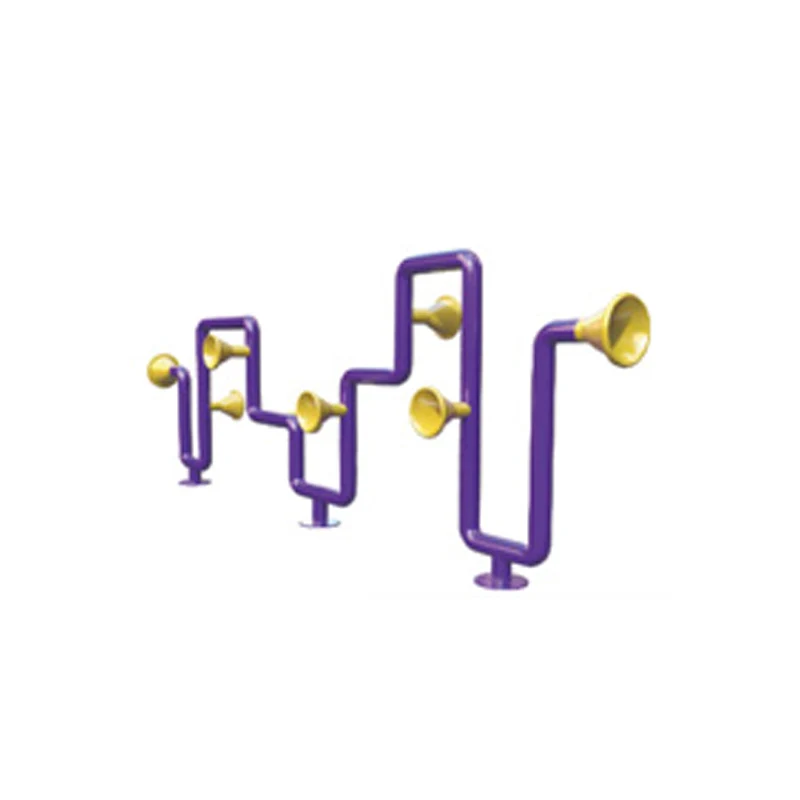
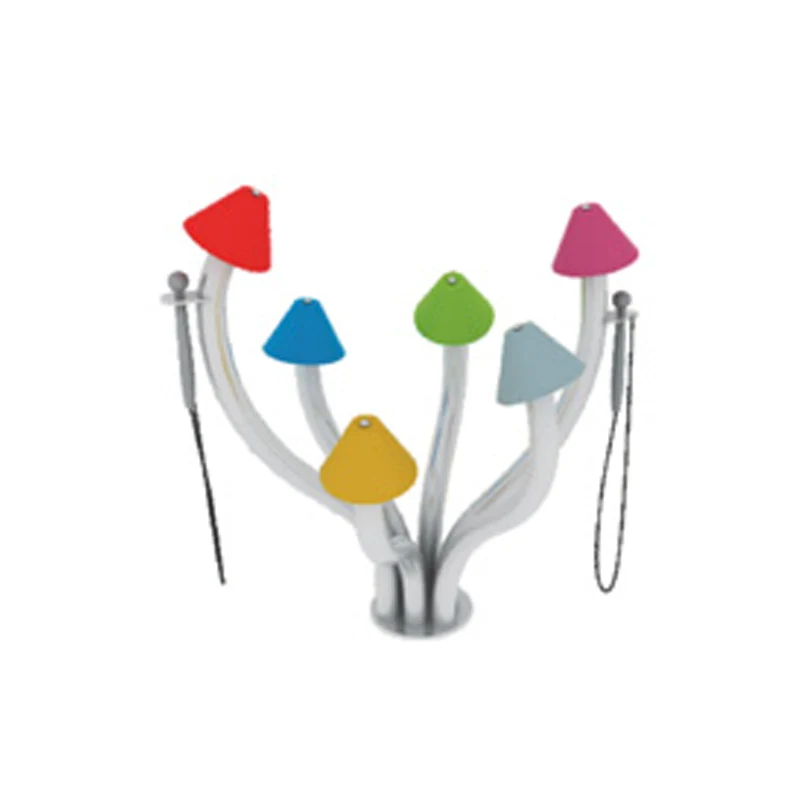
Designing an Outdoor Music Space
Designing an outdoor music space starts with understanding how children actually use it. They move, explore, repeat, and interact in unpredictable ways, so the space needs to support flexible use rather than fixed patterns. A good layout makes it easy for children to move, play, and engage with sound while still being practical for daily supervision and long term use.
Plan Layout and Movement Flow
Children rarely stay in one place when playing with music equipment, so the layout should allow them to move freely between instruments without congestion. Leave clear pathways for circulation and group interaction, and in smaller spaces, use walls or fences for mounted instruments to make better use of limited areas.
Create Zones for Different Play Styles
Grouping instruments by play type helps the space feel more organized and easier to use. Active rhythm instruments can be placed together, while quieter sensory elements can be set in a separate area, giving children the option to choose how they want to engage and helping reduce noise overlap.
Choose a Balanced Mix of Instruments
A mix of melodic, percussion, and sensory instruments creates a more complete play experience. Instead of focusing on quantity, it is better to select a balanced combination that supports different types of interaction and keeps children interested over time.
Consider Sound and Surroundings
Sound levels should match the surrounding environment, especially when the space is close to classrooms or neighboring properties. Using several smaller instruments instead of a few loud ones helps spread sound more evenly and keeps the overall experience comfortable.
Design for Accessibility and Inclusion
The space should be easy to use for children with different abilities and ages. Instrument height, spacing, and ease of interaction all affect how children participate, so these factors should be considered early to create a more inclusive environment.
Add Supporting Elements
Adding simple features like seating, shade, or planting can make the space more comfortable and inviting. These elements also help define areas within the space and encourage children to stay longer and engage more deeply.
Plan for Durability and Long Term Use
Outdoor equipment needs to handle frequent use and changing weather conditions. Choosing durable materials and planning for easy maintenance helps keep the space usable over time and reduces the need for constant replacement or repair.
결론
Outdoor Musical Instruments bring more value to early childhood spaces than many people expect. They support learning through sound, movement, exploration, and shared play, while also creating a more inclusive environment for children with different abilities and play styles. When chosen and arranged thoughtfully, they become more than a playground feature. They become part of how children build confidence, curiosity, coordination, and connection in everyday outdoor experiences.
For schools, early learning centers, and community play spaces, the real benefit is not just adding music to the environment. It is creating a space where development happens naturally through play. That is why outdoor musical play continues to stand out as a meaningful way to support early childhood growth.
자주 묻는 질문
What ages benefit most from Outdoor Musical Instruments?
Outdoor Musical Instruments can support children across a wide age range, from toddlers to early elementary years. Younger children often benefit from simple sound exploration and sensory play, while older children engage more with rhythm, coordination, and group interaction. A well designed music area can serve different developmental stages at the same time.
Are Outdoor Musical Instruments suitable for inclusive play spaces?
They can be an excellent fit for inclusive environments. Unlike some playground features that depend heavily on climbing or balance, musical play offers different ways to participate. Children can tap, listen, repeat sounds, or join group play at their own comfort level, which makes the experience more accessible for different abilities.
What should schools consider when choosing musical playground equipment?
Schools should look for equipment that is durable, age appropriate, easy to maintain, and suitable for shared use. It is also important to think about layout, accessibility, and the kinds of developmental experiences the instruments will support. The most effective musical playground equipment for schools balances play value with safety and long term usability.
What maintenance do Outdoor Musical Instruments need?
Most commercial outdoor instruments need routine cleaning, regular inspections, and occasional replacement of wear items such as mallets or tethers when applicable. Choosing durable outdoor musical equipment from the start helps reduce upkeep and supports long term performance in busy learning environments.
Where is the best place to install an outdoor music area?
An outdoor music area works best in a location that is easy to access, visible to supervisors, and connected to the overall play environment. Schools and early learning centers often place them near playground edges, courtyards, or open discovery areas where children can move comfortably between music and other forms of play.