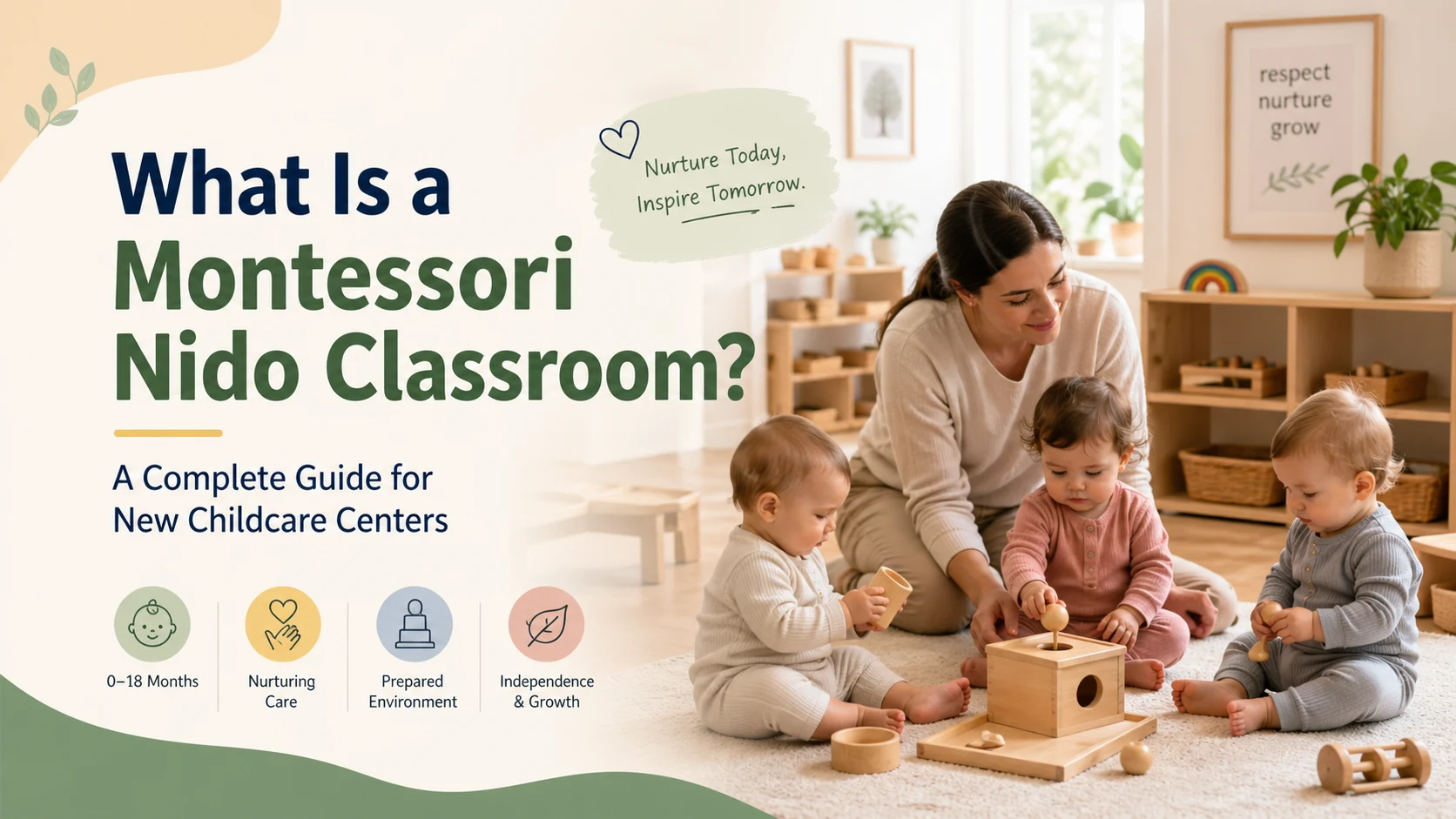
The Nido environment is an important part of the Montessori approach, especially for families and early learning centers that want to introduce Montessori from the very beginning. In this type of setting, infants are given a calm, safe, and carefully prepared space where they can move freely, explore their surroundings, build early independence, and develop at their own natural pace.
A Montessori Nido classroom supports early learning through movement, observation, sensory discovery, and respectful adult interaction. In this article, we will explore what a Montessori Nido classroom is, how it works, how it differs from a traditional infant room, and how to choose the right furniture and materials for a well-prepared Nido environment.
What Is a Montessori Nido Classroom?
A Montessori Nido classroom is a prepared environment for infants, usually from birth to around 16–18 months. The word “Nido” means “nest” in Italian, which reflects the purpose of the space: to give babies warmth, protection, comfort, and emotional security during their earliest stage of life.
Unlike a preschool classroom, the Nido is designed specifically around infant development. It includes areas for movement, rest, feeding, care routines, bonding, and simple sensory exploration. Rather than filling the room with many toys or activities, the environment stays calm, ordered, and accessible so infants can explore safely and gradually build trust in themselves and the world around them.
The Core Principles Behind a Montessori Nido Classroom
A Montessori Nido classroom is built on a set of principles that guide both the environment and the way adults interact with infants. These principles are designed to support natural development during the earliest and most sensitive stage of life, when movement, attachment, and sensory experiences shape how a child understands the world.
Respect for the Infant
At the center of the Montessori Nido classroom is a deep respect for the infant as a complete and capable individual. Babies are not rushed, interrupted, or treated as passive. Instead, caregivers observe carefully, respond to cues, and allow the child to take the lead whenever possible. Even daily routines such as feeding or changing are done with attention and communication, helping the infant feel seen, understood, and secure.
Freedom of Movement
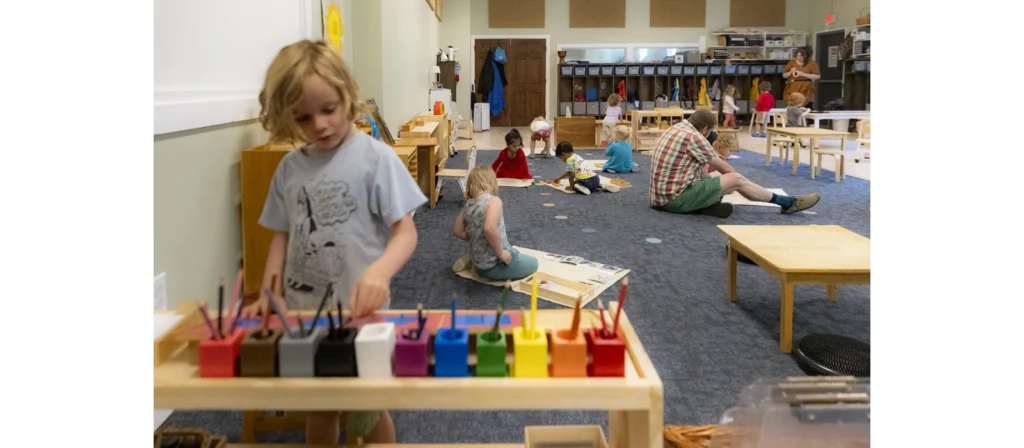
Movement is considered essential for development. In a Montessori Nido classroom, infants are not confined to swings, seats, or playpens for long periods. They are given safe, open space to stretch, roll, crawl, and eventually stand and walk. This freedom allows them to build coordination, strength, and confidence through their own efforts, rather than relying on assisted movement.
A Carefully Prepared Environment
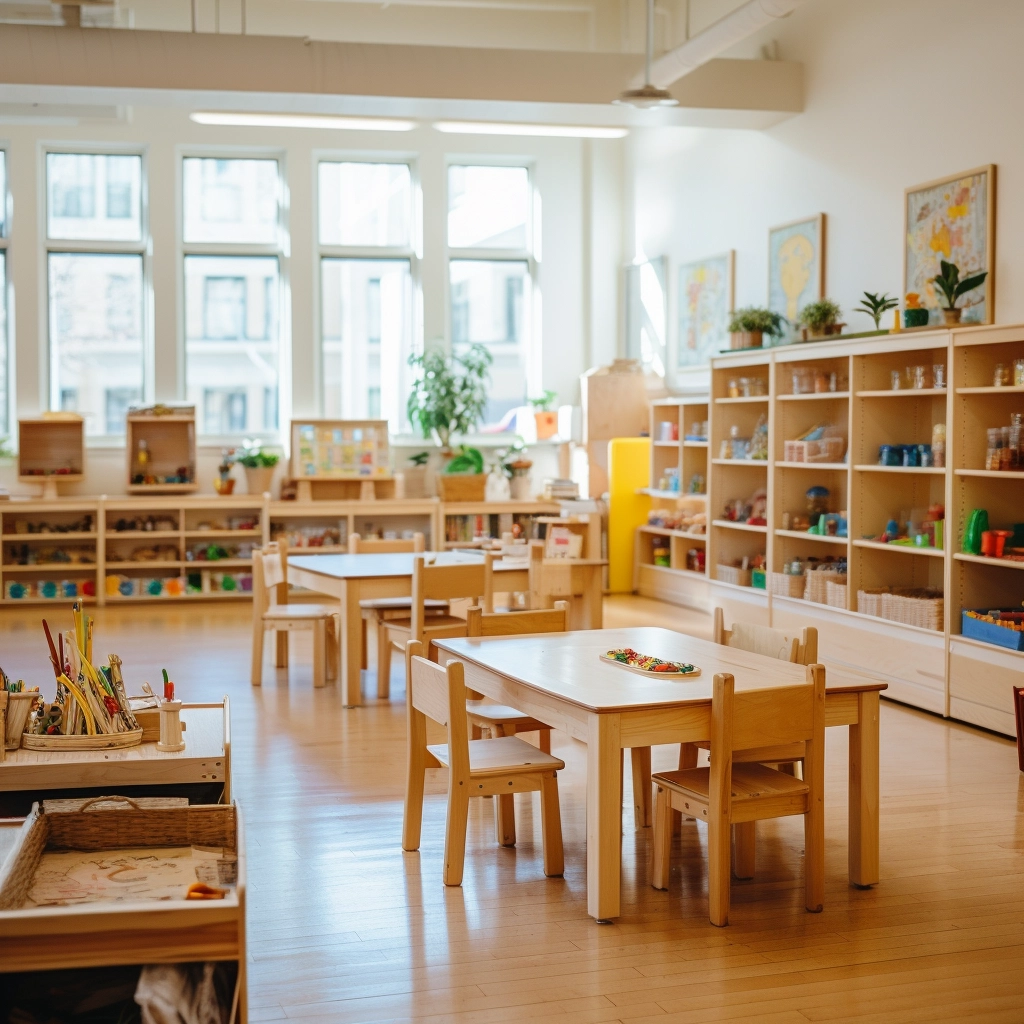
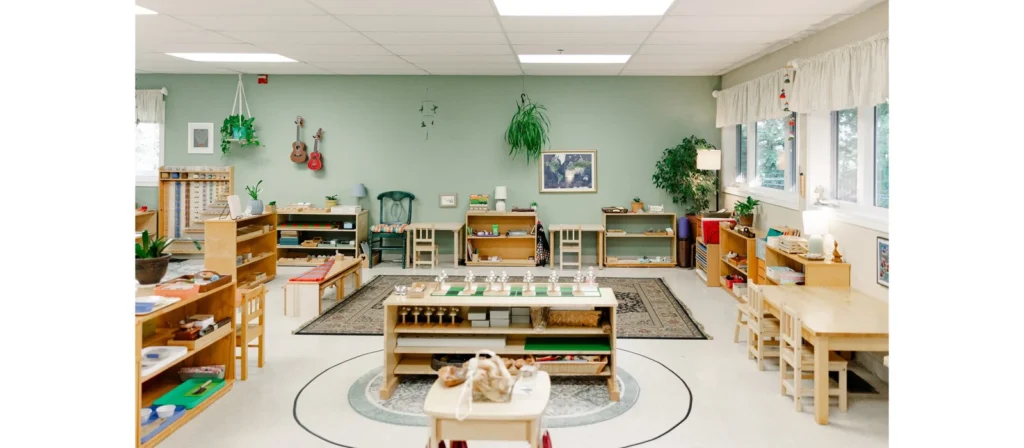
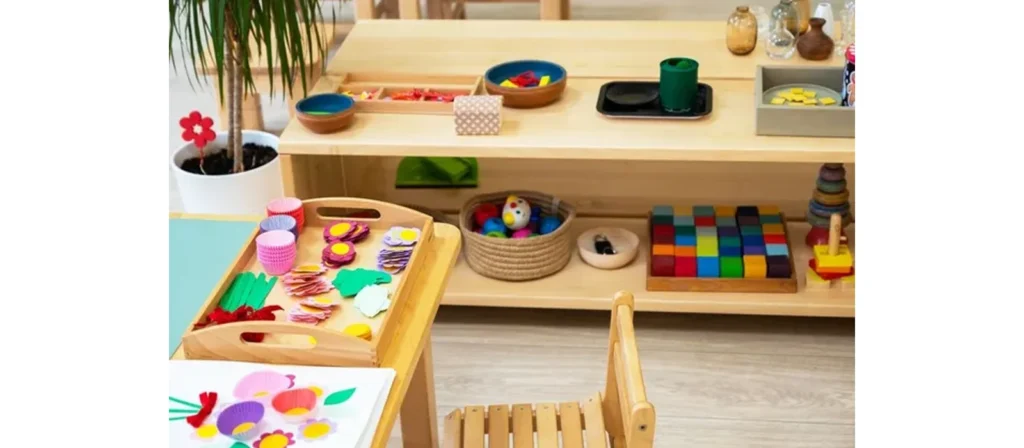
The environment in a Montessori Nido classroom is intentionally simple, ordered, and accessible. Low shelves, soft mats, mirrors, and developmentally appropriate materials are arranged so that infants can interact with them independently. The space is calm and aesthetically balanced, helping the child focus and explore without distraction or overstimulation.
Order and Consistency
A predictable environment helps infants feel secure. In the Nido, both the physical space and daily routines follow a consistent pattern. Materials are placed in the same location, and caregiving routines happen in a calm, repeated way. This sense of order allows the infant to understand what to expect, which supports concentration and emotional stability.
Support for Independence
Independence begins in very small ways. In a Montessori Nido classroom, infants are encouraged to participate in their own care, such as reaching for a toy, choosing where to move, or gradually taking part in feeding. Adults provide support when needed, but avoid doing everything for the child, allowing independence to develop naturally over time.
Close Relationships and Responsive Care
Consistent caregivers play a key role in the Nido environment. Through stable, respectful relationships, infants develop trust and emotional security. Caregivers respond with sensitivity, creating a connection that supports both emotional development and a willingness to explore the environment with confidence.
Observation as a Teaching Tool
Rather than directing every activity, adults in a Montessori Nido classroom spend time observing. By watching how each infant moves, reacts, and engages, caregivers can adjust the environment and materials to match the child’s current stage of development. This ensures that learning remains individualized and aligned with the infant’s natural growth.
How a Montessori Nido Classroom Differs from Traditional Daycare
A Montessori Nido classroom and a traditional infant daycare may both care for babies, but they are built on very different approaches. While daycare often focuses on routine care and group management, the Nido is designed to support the infant’s natural development through environment, movement, and observation.
Here is a simple comparison:
| Aspect | Montessori Nido Classroom | Traditional Daycare |
|---|---|---|
| Environment | Calm, simple, and carefully prepared | Often busy, colorful, and stimulating |
| Movement | Free movement on the floor | More time in cribs, seats, or playpens |
| Role of Adult | Observer and gentle guide | Caregiver managing group routines |
| Materials | Limited, purposeful, development-based | Larger quantity of toys and equipment |
| Routine | Flexible and responsive to the child | Fixed schedules for feeding and sleep |
Beyond these visible differences, the biggest shift is in how the infant is viewed. In a Montessori Nido classroom, babies are seen as active participants in their own development. The environment is designed so they can move, explore, and interact without constant direction.
In many traditional daycare settings, the priority is efficiency and safety for a group of children. In the Nido, safety is still essential, but it is achieved through thoughtful design rather than restriction. This allows infants to experience more independence while still being fully supported.
Why Freedom of Movement Is Central in the Nido
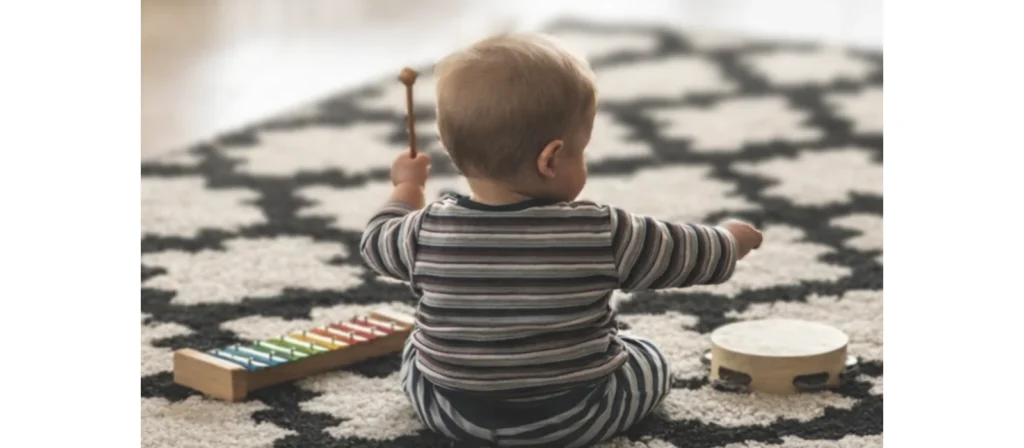
Freedom of movement is central in a Montessori Nido classroom because it allows infants to develop through their own actions. Instead of being placed into positions or guided through activities, babies are given the space to move, reach, turn, and explore based on their natural abilities. This process helps them build coordination, strength, and awareness in a way that cannot be replaced by assisted movement.
In a well-prepared Nido environment, everything is designed to support this principle. Open floor space invites movement, while furniture and materials are scaled to the child’s size so they can be used independently. Infants are able to choose where to move, what to focus on, and how long to engage, which reduces frustration and allows development to follow a natural rhythm rather than an imposed schedule.
This freedom also plays a key role in building independence and confidence. When a baby learns to roll, crawl, or stand through repeated effort, they begin to trust their own abilities. Each small success is self-earned, which creates a strong sense of competence from a very early stage. Over time, this becomes the foundation for independent thinking and purposeful action.
Designing a Montessori Nido Classroom: A Space for Safe Exploration
A Montessori Nido classroom is designed to support how infants naturally develop through movement, repetition, and interaction. The environment shapes how the child explores, returns to familiar points, and gradually builds confidence. A well-prepared space feels calm, clear, and intentional, allowing development to happen with less adult intervention.
Principles of Nido Classroom Design
A Montessori Nido classroom is guided by a few core principles that shape how infants experience the environment:
- Fluid movement
The layout allows free movement while using furniture to create gentle boundaries, supporting purposeful exploration - Beauty and order
Natural materials, soft colors, and a consistent setup create a calm space and help infants develop a sense of order - Independence
Low shelves, child-sized furniture, and accessible materials allow infants to act and explore on their own - Balance
The environment supports movement, rest, care routines, and quiet activity without one dominating the space - Safety and security
A stable, well-prepared setting allows infants to explore confidently while remaining protected
Key Elements of a Montessori Nido Classroom
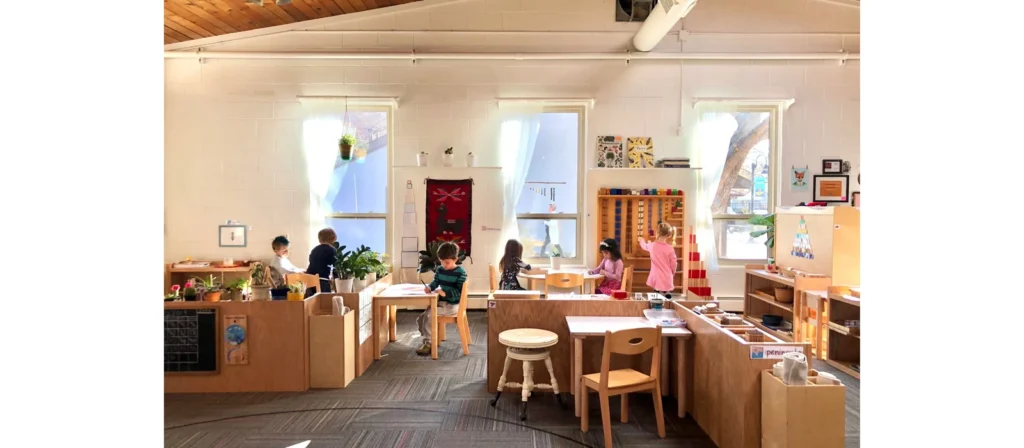
A Montessori Nido classroom is organized around several key areas that reflect the daily needs of infants. These areas are not strictly separated, but they create a natural rhythm within the space.
Movement Area
The movement area supports physical development through repetition and exploration. It includes open floor space along with a few stable elements that give structure to movement.
Common features include:
- soft movement mats
- low mirrors placed at infant height
- securely fixed pull-up bars
- simple gross motor materials for crawling and climbing
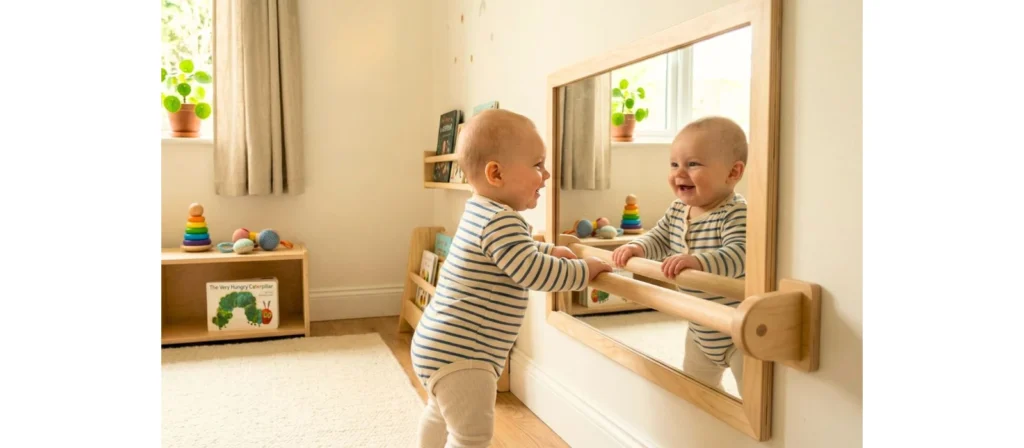
These elements allow infants to return to the same space and gradually refine coordination.
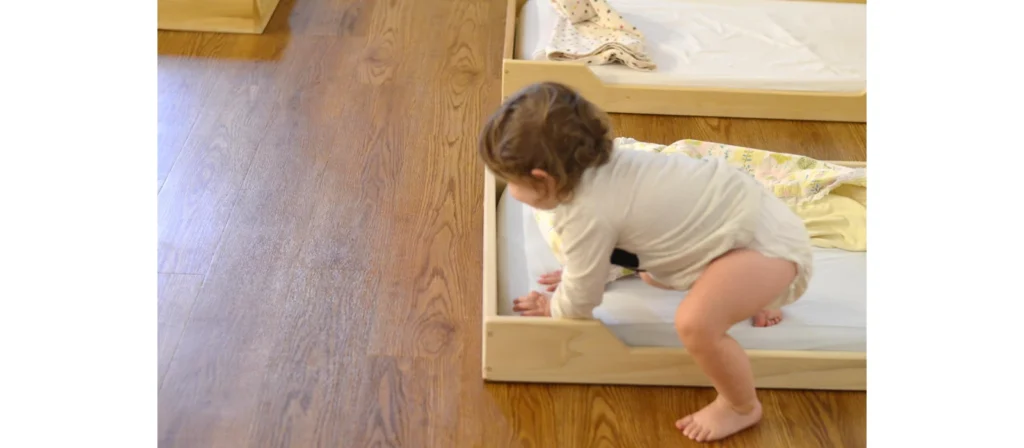
Sleep Area
The sleep area provides a quieter atmosphere while staying connected to the rest of the room. Reduced visual input and a consistent setup help infants settle into rest.
Floor beds or mats are often used to support a gradual transition between activity and sleep, creating a sense of continuity.
Care Area
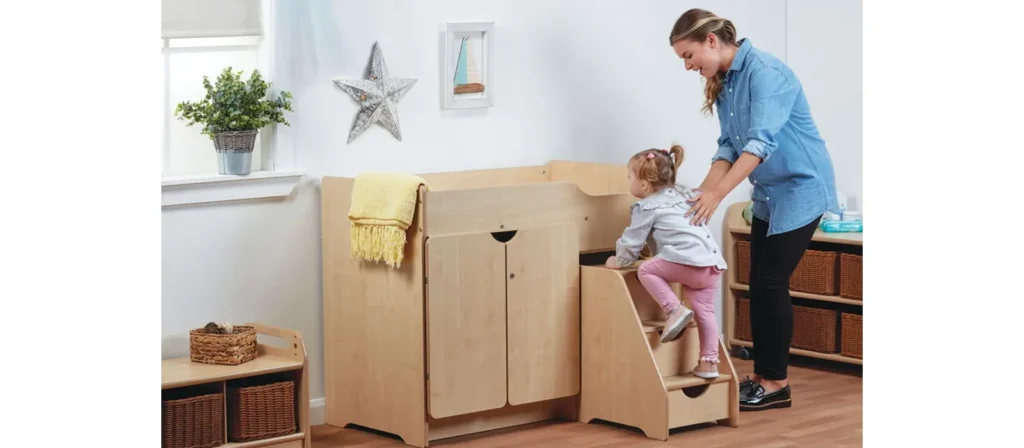
The care area supports daily routines such as changing, dressing, and hygiene. A consistent setup helps infants recognize patterns and respond more calmly over time.
Typical elements include:
- a stable changing surface
- organized materials within reach
- low sinks or preparation areas when appropriate
This arrangement allows the adult to stay focused on the child.
Feeding Area
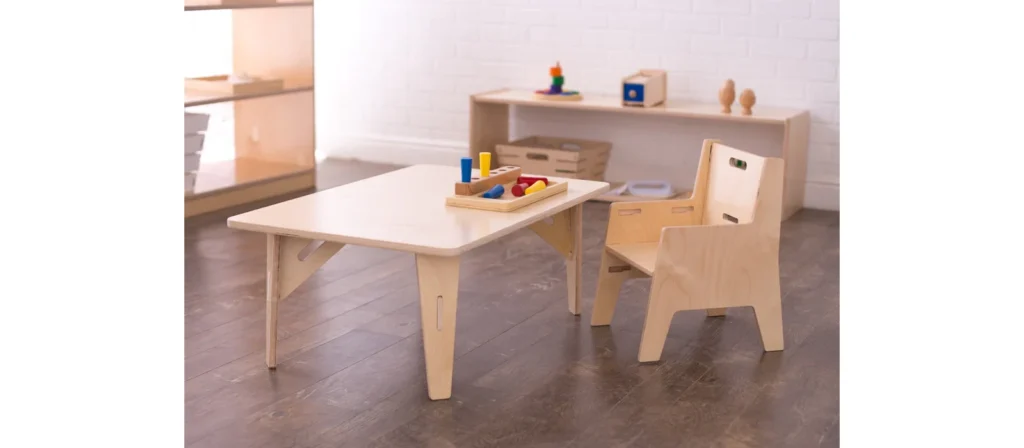
The feeding area evolves with the child’s development. Early feeding focuses on connection, while later stages allow more participation.
Common features include:
- supported seating for early feeding
- child-sized tables and chairs
- space for gradual participation during meals
The environment supports independence as it naturally develops.
Exploration and Learning Area
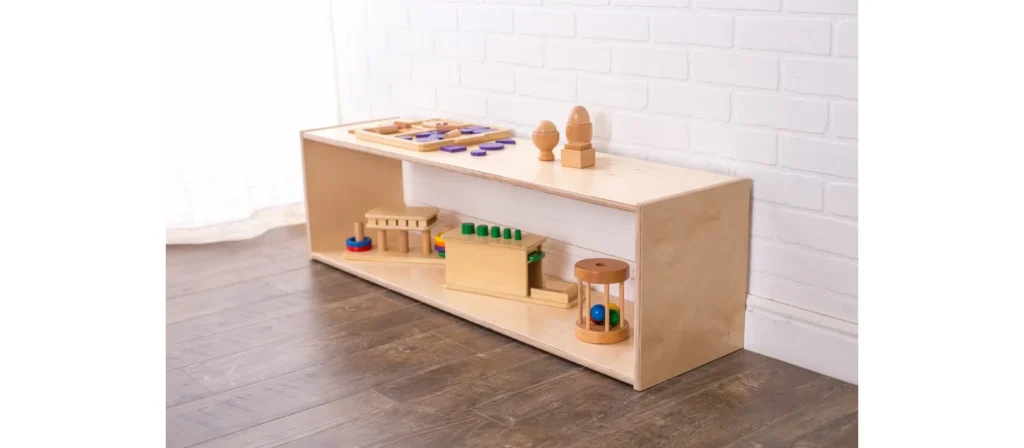
This area includes materials that support sensory development, coordination, and early problem-solving. Items are placed on low, open shelves so they remain visible and accessible.
Materials are typically simple, natural, and limited in number, allowing infants to focus and engage through repetition.
Practical Design Steps and Considerations
Once the main areas of the classroom are in place, the next step focuses on how the space actually functions throughout the day. Small adjustments in placement, visibility, and consistency often make the biggest difference in how infants interact with the environment.
Material Accessibility
Materials work best when they are easy to see, reach, and return. Low, open shelves allow infants to recognize what is available and begin making simple choices. Spacing between items also matters, as too many materials placed together can make it harder for the child to focus. When objects remain in the same position over time, infants start to remember where things belong, which supports both independence and a developing sense of order.
Aesthetics
The visual quality of the environment influences how infants engage with the space. Natural light, soft colors, and simple materials help create a setting where attention can settle rather than scatter. Wood, fabric, and other natural textures tend to feel more balanced than bright plastic or highly stimulating objects. Small details such as a plant or a single piece of artwork can add warmth without overwhelming the environment, helping the space feel complete while still calm.
Safety First
Safety is built into the design of the environment through stability and thoughtful preparation. Furniture should remain steady when touched or used for support, especially as infants begin to pull up and stand. Materials need to match the child’s stage of development and avoid unnecessary risks. Open floor space also plays an important role, allowing movement to happen freely without obstacles. When the environment is prepared carefully, infants can explore with confidence and fewer interruptions.
The Role of the Adult
The adult’s role connects the environment to the child’s experience. Instead of directing activity, the adult observes how infants move, what they return to, and where they need support. These observations guide small changes in the environment, such as adjusting materials or simplifying a space. A clear layout allows the adult to see the entire room, making it possible to supervise without interfering. When the environment is well prepared, the adult becomes less visible in action while remaining fully present in support.
Montessori Nido Materials and Furniture: What to Choose for the Best Start
The materials and furniture in a Montessori Nido classroom work best when chosen as part of a complete environment. Instead of selecting individual items, it helps to think in terms of how different pieces come together to support movement, rest, care, and exploration.
A well-planned setup usually combines foundational furniture with a small set of purposeful materials.
Essential Furniture Sets for a Montessori Nido Classroom
Furniture forms the structure of the environment. The right pieces create a space where infants can move freely, rest comfortably, and participate in daily routines.
For a basic Nido setup, the following combinations tend to work well:
Starter Nido Setup (Home or Small Space)
- floor bed or low sleeping mat
- soft movement mat
- low open shelf for materials
- mirror placed at floor level
This setup focuses on movement and rest, making it suitable for home environments or smaller classrooms.
Complete Nido Classroom Setup (Childcare or Schools)
- multiple low shelves for organized material display
- floor beds for individual rest spaces
- pull-up bars or stable support rails
- movement mats for different activity zones
- child-sized tables and chairs for feeding and interaction
- organized care station for daily routines
This setup supports a full classroom flow, covering movement, feeding, care, and rest within one environment.

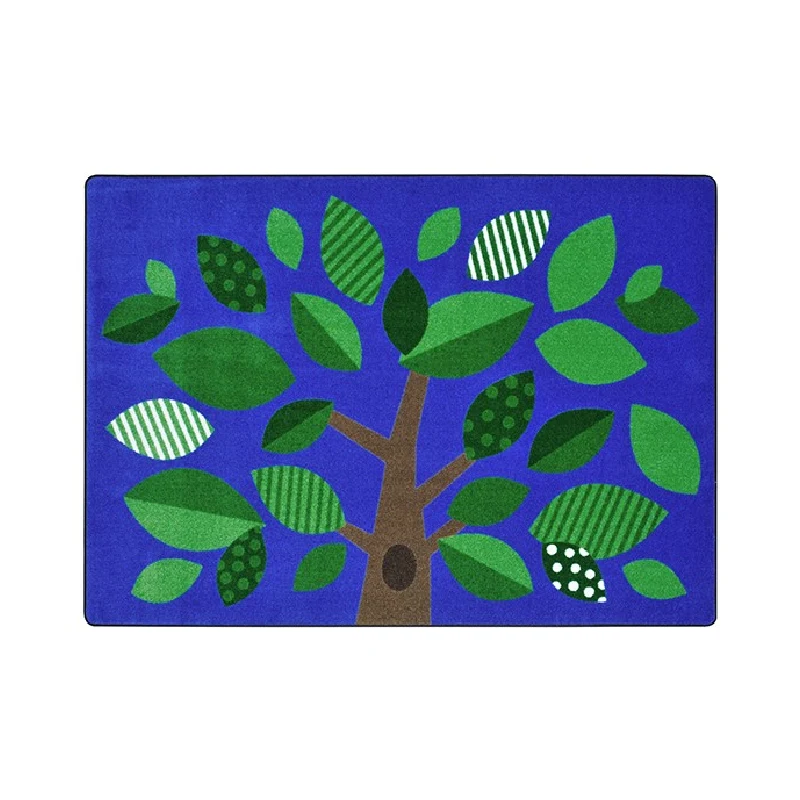
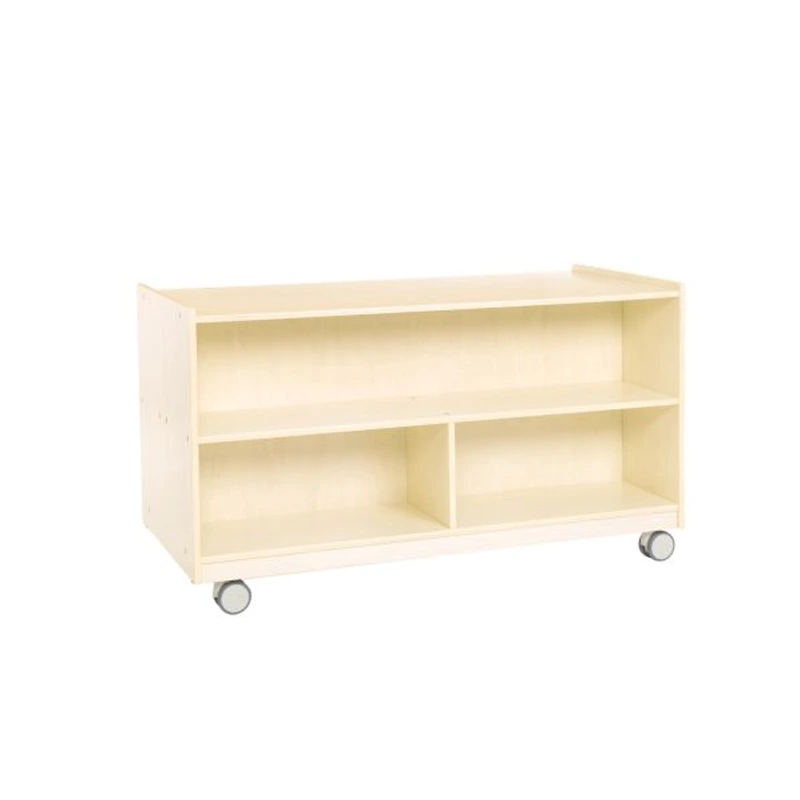

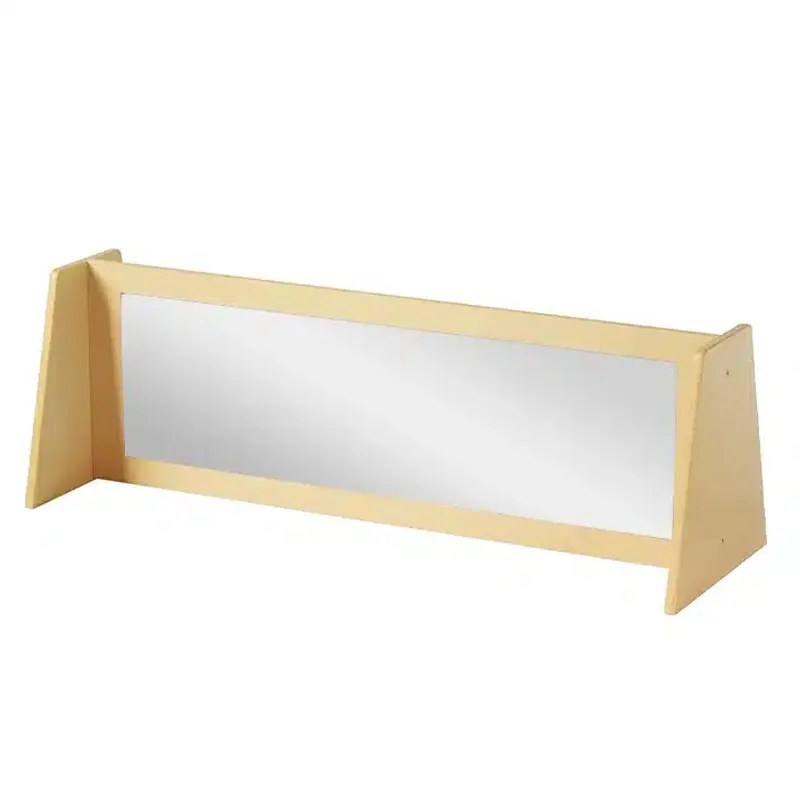
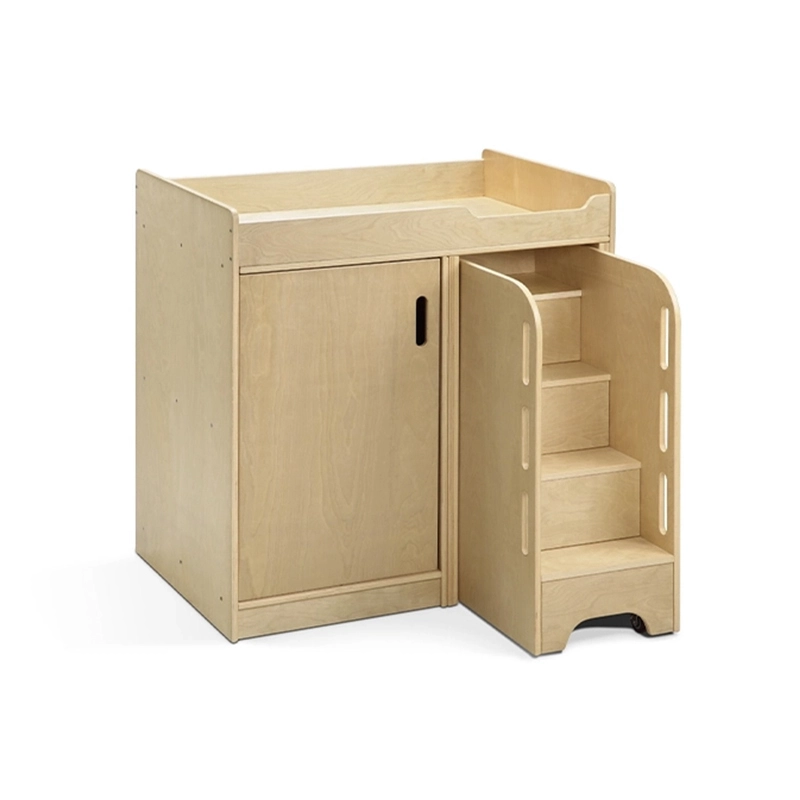
Recommended Montessori Nido Material Sets
Materials should match the infant’s developmental stage and encourage repeated interaction. Instead of offering many toys, a small number of well-chosen items creates better engagement.
Early Stage Materials (0–6 months)
- visual tracking materials
- simple grasping objects
- soft tactile items
These support sensory awareness and early hand-eye coordination.
Movement and Exploration Materials (6–12 months)
- grasping and transferring objects
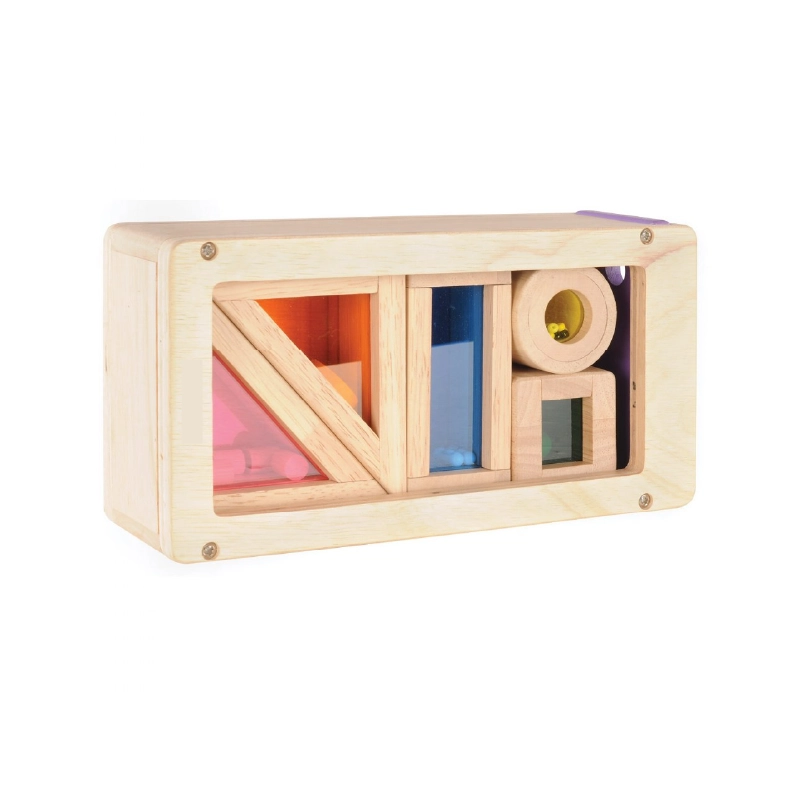
- cause-and-effect toys
- textured materials for sensory exploration
These encourage movement, coordination, and problem-solving.
Transition Materials (12–18 months)
- simple stacking or nesting items
- early practical life tools
- materials that support independent play
These help the child move toward more intentional interaction and independence.




Is a Montessori Nido Classroom Right for Your Child or Center?
A Montessori Nido classroom works best when the goal is to support natural development through movement, simplicity, and independence. It creates a space where infants can explore at their own pace while feeling secure and understood.
For both homes and childcare settings, the key advantage lies in how the environment reduces unnecessary restriction and supports consistent daily routines. The result is a calmer, more purposeful experience for both children and caregivers.
If you are looking to create a well-prepared Nido environment, choosing the right furniture and materials makes a real difference. Thoughtfully designed pieces from brands like West Shore Furniture can help bring together movement, rest, and exploration into one cohesive space.