Social studies in early childhood refers to how young children begin to understand themselves, their relationships with others, and the world they live in. Rather than focusing on abstract subjects like political science or economics, early social studies emphasizes everyday experiences that help children make sense of social roles, rules, communities, and cultural identities.
At this age, children are naturally curious about the people and places around them. They begin to notice differences and similarities among peers, ask questions about family structures, and wonder about the jobs adults do. These observations and inquiries form the basis for social learning.
Educators support this learning by tapping into children’s interests and guiding them through discussions, collaborative tasks, and reflection. For example, a pretend grocery store can lead to conversations about money, sharing, or healthy food choices. A classroom discussion about a family celebration can open up themes of cultural diversity and respect.
Why Social Studies Matters in Preschool Education?
Developing Social Skills
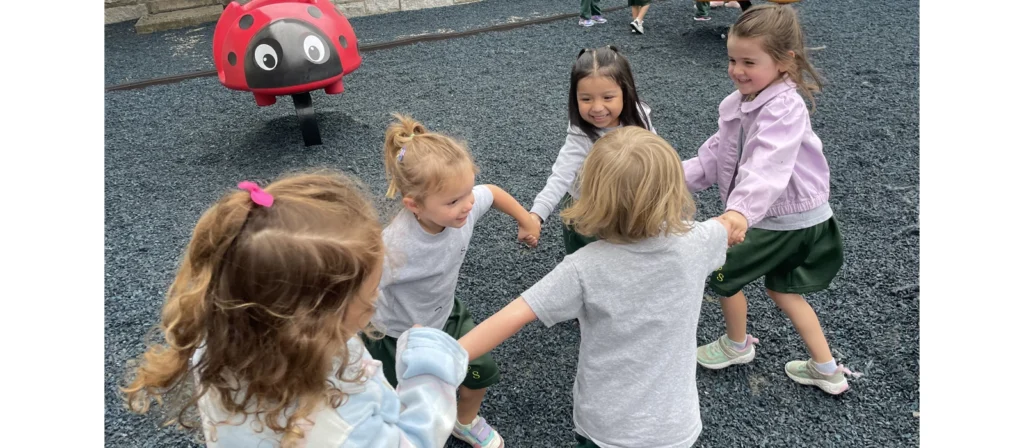
Social studies provides a structured way for young children to learn how to interact with others. Through group activities, classroom routines, and shared play, preschoolers practice turn-taking, conflict resolution, and expressing ideas in socially appropriate ways. These interactions help children build communication and cooperation skills that support learning across all areas. At this stage, understanding emotions and responding to others with empathy is a critical part of early development, making social studies an essential component of preschool education.
Understanding Rules and Roles
Preschool classrooms are often a child’s first experience with an organized social system. Daily routines, classroom jobs, and shared expectations help children understand that groups function through cooperation and responsibility. By participating in these structures, children begin to recognize how rules create fairness and how individual roles contribute to the well-being of the group. These experiences introduce foundational ideas related to community life and social organization in ways that are concrete and meaningful.
Recognizing Cultural Differences
As children interact with peers, they begin to notice differences in language, traditions, and family practices. Social studies supports this awareness by helping children explore cultural diversity in respectful and age-appropriate ways. Through stories, discussions, and shared experiences, children learn that people live in many different ways. This early exposure fosters openness and acceptance, helping children understand that diversity is a natural and valuable part of society.
Practicing Responsibility
Responsibility in preschool begins with simple, everyday actions. Caring for shared materials, helping clean the classroom, or supporting a classmate teaches children that their behavior has an impact on others. These moments help children develop a sense of accountability and belonging. Social studies in early childhood uses these daily practices to show children that being part of a community involves participation, care, and mutual respect.
Building Core Values
Young children often have a strong sense of fairness and are eager to express their opinions about right and wrong. Social studies creates opportunities for children to reflect on behavior, consider different perspectives, and understand the consequences of their actions. Through guided discussion and shared problem-solving, children begin to develop values such as honesty, kindness, and respect. These early moral understandings play an important role in shaping children as thoughtful and socially responsible individuals.
The Role of the Learning Environment in Shaping Social Understanding
Modeling Community Through Classroom Structure
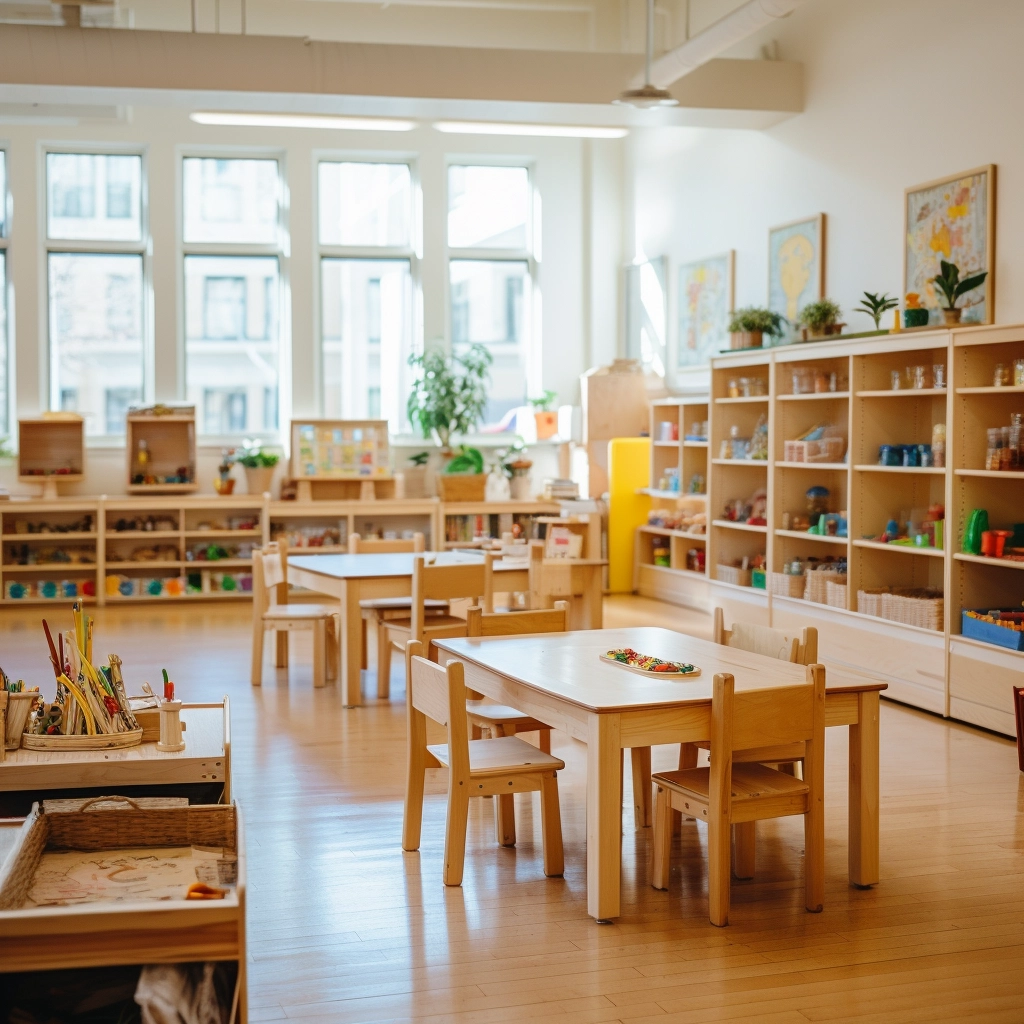
The classroom is more than a physical space. It functions as a small social community where children observe how people share space, follow routines, and interact with one another. The way materials are organized, how transitions are handled, and how group areas are defined all communicate expectations about cooperation and respect. When children experience consistency and fairness in the classroom structure, they begin to understand how communities operate and why shared norms matter.
Encouraging Interaction and Collaboration
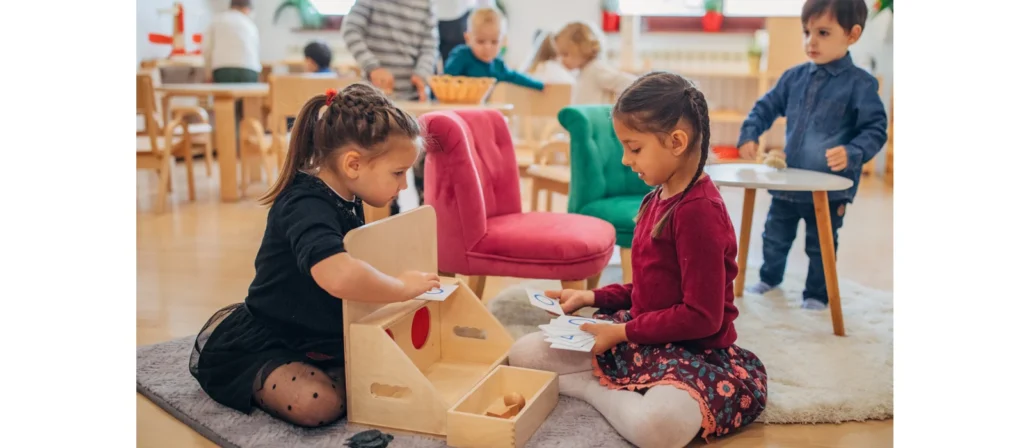
Learning environments that support social understanding intentionally create opportunities for children to interact. Shared tables, open floor areas, and accessible materials invite collaboration rather than isolation. When children work together to build, create, or solve problems, they practice communication and negotiation skills. These experiences help children understand that learning is often a collective process and that different perspectives contribute to stronger outcomes.
Providing Opportunities for Role Exploration
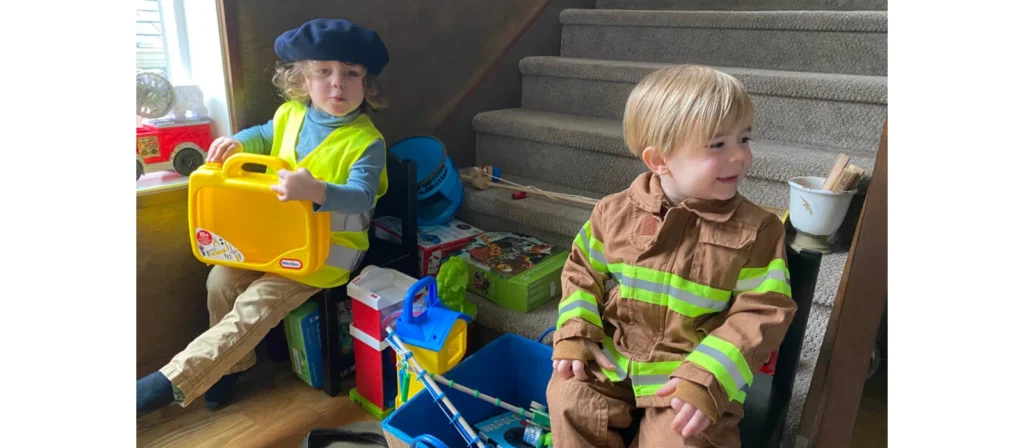
Pretend play is a powerful way for children to explore social roles and relationships. Classrooms that include dramatic play areas with real-world objects allow children to experiment with roles they observe in daily life. Acting out familiar scenarios helps children make sense of how people contribute to families and communities. Through this type of play, children begin to understand responsibility, cooperation, and social expectations in a concrete and meaningful way.
Reinforcing Respect and Inclusion
The learning environment sends constant messages about who belongs. When classrooms include images, books, and materials that reflect diverse cultures and family structures, children receive clear signals that differences are valued. Accessibility in furniture and materials also reinforces inclusion by allowing all children to participate fully. These environmental cues shape how children perceive fairness and respect, influencing their social attitudes over time.
Designing Classrooms That Support Social Studies Learning
Connecting Layout to Learning Goals
Thoughtful classroom design plays a critical role in shaping how children engage with social studies concepts. The layout of a room influences not only how children move, but how they relate to one another. For example:
• A wide open rug space can invite group discussions or community meetings
• Clearly defined areas promote a sense of ownership and routine
• Smooth transitions between zones reduce conflicts and confusion
When movement, access, and space are intentionally designed, children are more likely to act as respectful participants in their shared environment. This mirrors the social roles they are beginning to understand.
Creating Functional Learning Zones
Rather than open spaces filled with scattered toys, an effective classroom includes purposeful micro-environments. Here’s how different zones directly support social studies learning:
Área de juego dramático
Children role-play real-world scenarios like running a store, being a doctor, or helping in a kitchen. These experiences build understanding of family roles, community jobs, and cooperation.
Block and Construction Area
Working together to build cities, roads, or shared structures introduces concepts of planning, negotiation, and shared space.
Culture and Story Corner
Books, puppets, maps, and dress-up clothes introduce children to global perspectives and respectful cultural exchange.
These zones support development of civic awareness, cultural understanding, and collaborative problem-solving.
Choosing Furniture That Encourages Participation
The right furniture invites social behavior while poor furniture choices can limit interaction. Instead of listing products, consider these key design principles when selecting furniture:
• Equal access through round tables and group seating
• Visibility with open shelving that promotes responsibility
• Flexibility using movable pieces to support various groupings
• Autonomy with child-height furniture that encourages independence
Simple shifts in layout and scale can lead to major changes in how children participate socially in the classroom.
Integrating Visual Cues for Inclusion and Identity
Design also communicates values. Classrooms that display images of diverse families, multilingual signage, and artifacts from different cultures help children see themselves and others as part of the learning space. These visual elements are more than decoration. They send daily messages about respect, inclusion, and social identity. When these cues are integrated into the classroom’s design, children absorb social values through their environment as naturally as they learn them through words.
Design Classrooms That Support Social Learning
A well-designed classroom does more than organize space. It shapes how children build relationships, take responsibility, and engage with community concepts from an early age. Every layout choice can support collaboration, empathy, and meaningful interaction.
Discover how our classroom design expertise and early childhood furniture help schools create learning environments that align with social studies goals.
Explore Preschool Furniture SolutionsConclusión
Preschool social studies is not taught through textbooks but through lived experiences. The way children move through their environment, engage with peers, and participate in daily routines is central to how they understand the world and their place within it. When classrooms are designed with social learning in mind, they become powerful tools for shaping thoughtful, inclusive, and cooperative young citizens. Every shelf, seat, and space matters. For educators and classroom designers alike, creating environments that support social studies is an investment in how children grow to connect with their communities and care for others.

 Spanish
  English
  Korean
  Japanese
  Italian
  German
  Arabic
  French
  Thai
Thai