Direct answer
West Shore Furniture treats a preschool playground as a site decision, not a slide. Measure the yard, the ages, the fence, and the fall surface before anyone prices a climber. A basic outdoor area is commonly $10,000–$25,000, a standard yard $25,000–$60,000, and a custom job $60,000–$100,000 or more. West Shore has built classroom furniture in Dalian since 2003 and prices the indoor rooms. The outdoor structure belongs on a playground contractor’s file.
New-centre owners get stuck when the drawing is a picture and the licence visit is a measurement. The dollar split is on preschool playground cost. The rest of the opening, including rent and payroll, is on the daycare startup cost breakdown. Indoor furniture for the rooms that still have to open is on cost to furnish a daycare classroom.
Send the site plan, the licensed ages, and the opening date. Production of a classroom package is commonly 30–45 days after the drawing is frozen, and 10–14 weeks door to door. MOQ varies with the line. Use zones and impact surfacing are a public-playground question — start with the CPSC playground safety handbook, then confirm the rule your licensing office actually measures.
| Check before you order | Why it is on the drawing | Who prices it |
|---|---|---|
| Yard size and the ages outside at once | Decides which pieces fit and how many children the licence expects outdoors | Owner and the licensing office |
| Fence, gates, and sightlines | A yard with a blind corner or an open side toward a driveway fails supervision | Site contractor |
| Use zone and surfacing | The fall surface is a separate invoice from the climber | Playground contractor, against the CPSC handbook |
| Indoor rooms on the same opening date | Cubbies, tables, and rest furniture still have to be in the rooms if the yard slips | West Shore |
Have a site plan and an opening date?
Send the plan, the ages in each room, and the date the inspector walks the yard. We price the indoor list. The climber and the rubber stay with your playground contractor.
Get Free Daycare Design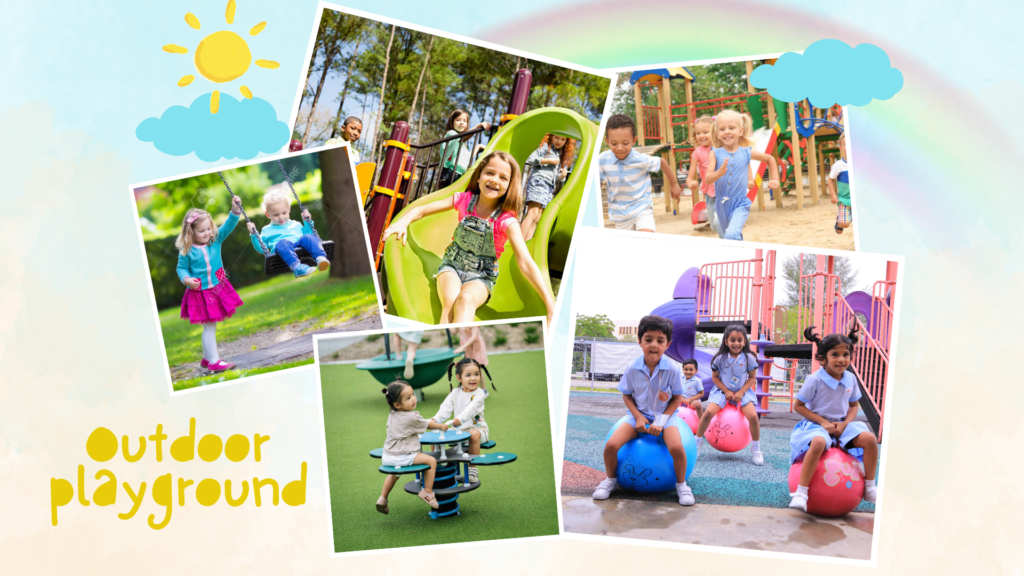
Why Preschool Playground Design Matters
Research has shown that children learn best through play. A well-designed preschool playground encourages exploration, collaboration, and physical activity, all of which are essential to a child’s social, cognitive, and emotional development. The best playground for preschool settings combines structure and freedom, giving children the opportunity to move independently while being subtly guided by their environment.
Moreover, a thoughtfully constructed preschool outdoor playground promotes positive behavior and reduces the chances of injury. The layout, equipment type, and surface materials are not just cosmetic—they are critical safety components. A well-organized playground also helps teachers and caregivers supervise more efficiently, preventing accidents and supporting more meaningful engagement with the children.
There’s also a deep connection between outdoor play and children’s ability to focus during indoor learning. After spending time in the outdoor playground, children often return to the classroom more relaxed and ready to learn. For this reason, many modern early learning centers are investing more into their preschool playground design as part of a holistic approach to early education.
Core Benefits of Outdoor Play for Preschoolers
A well-executed preschool playground design is a strategic element in early education. It supports far more than recreation—it fosters growth across all areas of development. When children engage with a thoughtfully designed preschool outdoor playground, they are immersed in an environment that encourages holistic learning.
Physical & Motor Development
Outdoor play strengthens foundational ทักษะการเคลื่อนไหว by promoting natural movement and coordination. Children enhance their physical awareness and stamina while forming healthy activity patterns that support long-term physical development.
Social & Emotional Skills
Interaction within a playground for preschoolers helps children navigate emotions, practice communication, and build peer relationships. These social experiences are critical in developing empathy, cooperation, and emotional regulation in a shared setting.
Cognitive Growth & Imagination
A rich learning playground environment stimulates independent thinking, problem-solving, and imaginative exploration. The design invites curiosity, supports flexible thinking, and lays the groundwork for early academic readiness through hands-on engagement.
Mental Health & Well-being
Consistent preschool outdoor play contributes to emotional balance and psychological well-being. Time spent outdoors supports mental clarity, improves mood, and builds resilience—key factors in a child’s ability to focus and self-regulate.
In essence, the benefits of childcare play equipment and outdoor learning environments are deeply integrated into child development. Investing in quality preschool playground design is not a luxury—it’s an educational necessity.
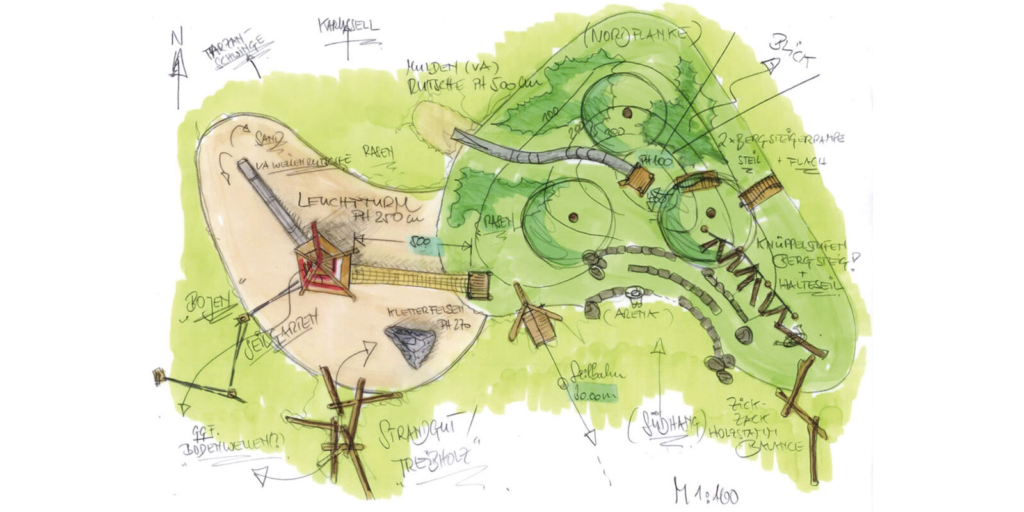
Step-by-Step Guide to Preschool Playground Design
Planning a preschool playground design can feel overwhelming, but when done step by step, it becomes a transparent and manageable process. Here’s a simplified guide to help you move from idea to action.
1 Define the Vision for Your Preschool Playground
Start by asking: What do you want your preschool playground to achieve? Will it be focused on gross motor development, imaginative play, or sensory exploration? For a daycare with an outdoor playground, the design might lean toward inclusive and compact play. For a kindergarten playground, the emphasis might be more diverse, blending climbing, role play, and quiet areas.
Establish clear goals:
- Support child development
- Ensure safety and accessibility
- Encourage creativity and collaboration
This vision will guide every decision, from layout to preschool playground equipment selection.
2 Understand the Scope of Your Project
Before diving into technical plans, define the scope of your project. Are you building from scratch, upgrading part of an existing outdoor playground, or simply adding new preschool outdoor play equipment?
Clarify:
- Total area available for development
- Number of children expected to use the space
- Target age group(s)
- Project timeline
Understanding your operational scale helps you prioritize needs, choose the right vendors, and avoid over- or under-designing your preschool playground layout.

3 Evaluate Your Site Conditions
Every location has limits—and opportunities. Conduct a detailed site assessment before starting your preschool playground design.
Key factors to evaluate:
- Surface stability: Is the ground safe for installing playground equipment for preschoolers?
- Sunlight and shade: Will certain areas require shade structures or planting?
- Drainage: Does water accumulate in parts of the site?
- Obstacles or hazards: Are there fences, roots, or utilities that may interfere?
- Space zoning: Is the area large enough for multiple activity zones?
A well-informed site analysis helps you maximize usable space, integrate natural features, and avoid future construction issues.
4 Assess Budget and Long-Term Costs
A strong preschool playground design must align with your financial reality. Don’t just focus on upfront equipment costs—consider installation, surfacing, logistics, and future maintenance.
The bands and the five-invoice split — equipment, surfacing, site, installation, freight — are on preschool playground cost. A climber price is not the yard.
Budget components to plan for:
- Equipment & surfacing
- Installation labor
- Shipping & import duties
- Ongoing maintenance or repair
- Safety inspections or certifications
Setting a realistic budget early helps prevent delays and supports more innovative material and layout decisions.
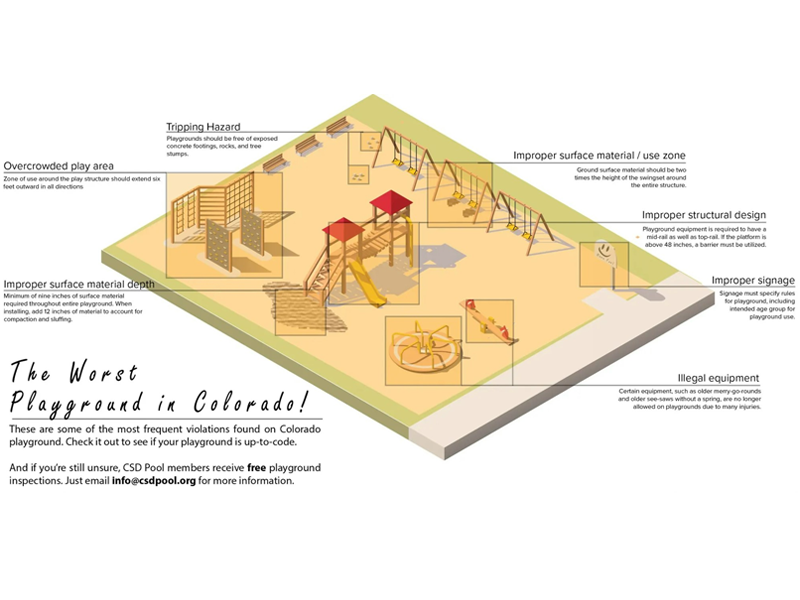
5 Design an Age-Appropriate Playground Layout
Preschoolers thrive in environments tailored to their size, skill level, and learning style. Your preschool playground layout should offer a variety of zones that support different types of play and learning.
Recommended zones:
- Gross motor zone – For climbing, sliding, running
- Sensory zone – For water, sand, textures, and sound
- Quiet zone – For reading, social rest, or seated activities
- Imaginative play zone – For storytelling and role play
Use color changes, low fencing, or surface materials to divide areas. Keep supervision easy by ensuring open sightlines throughout the preschool playground.
Make sure your layout is inclusive, with wide pathways, ground-level access, and smooth transitions for all children, including those with mobility needs.
6 Plan Entrances and Access Routes
Safe and clear access is a crucial but often overlooked part of preschool playground design. Entry points should support smooth flow, security, and accessibility for all users, including children, staff, and caregivers.
Consider:
- Separate entry and exit zones to reduce crowding
- Gated entry points with adult-height latches for safety
- Accessible paths from the school building to the playground for preschoolers
- Wide circulation routes within the play area for strollers or mobility aids
The right entry design improves supervision, emergency access, and daily efficiency.
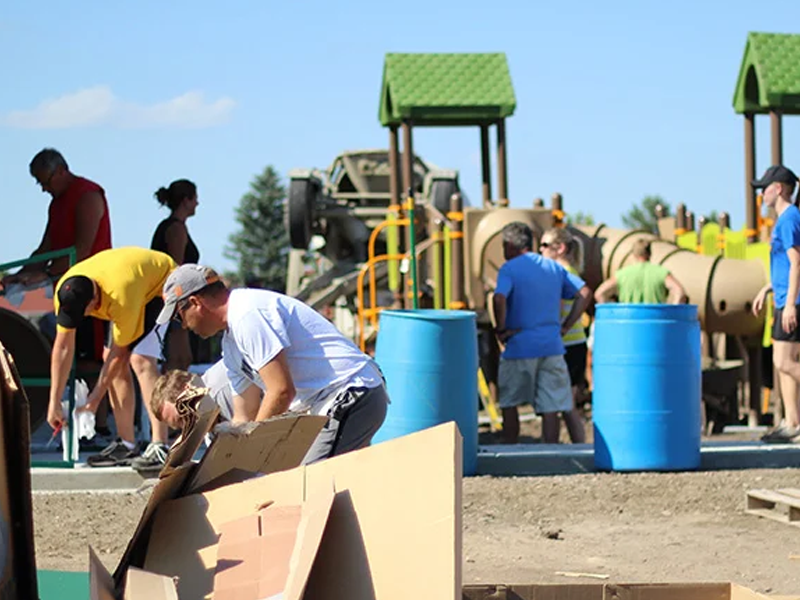
7 Choose the Right Installation Method
Depending on your surface type and project goals, select the most appropriate method for installing outdoor preschool playground equipment.
Installation types:
- Direct-bury – Durable, permanent; ideal for long-term use
- Surface-mount – Attaches to existing hard surfaces; useful for rooftops or urban daycares
- Modular/freestanding – Flexible, easy to relocate or update
All installation methods must follow safety regulations and include appropriate fall protection. At West Shore Furniture, we provide installation drawings and design support for turnkey daycare playground solutions.
8 Launch and Maintain Your Preschool Playground
Once your preschool playground is installed, the focus shifts to keeping it safe, clean, and functional year-round. Ongoing maintenance is not optional—it’s essential.
Best practices for long-term success:
- Assign a staff member or team to conduct daily visual inspections
- Schedule monthly checks for structural integrity, especially on high-use components
- Train teachers on appropriate playground activities for preschoolers and safety supervision
- Establish a routine for cleaning surfaces and play panels
- Post clear playground rules and teach children to respect shared spaces
- Plan seasonal deep cleans and surface upgrades to keep your preschool’s outdoor play equipment in top shape
By integrating upkeep into your daily operations, you protect your investment and provide a consistent, high-quality play experience for every child..

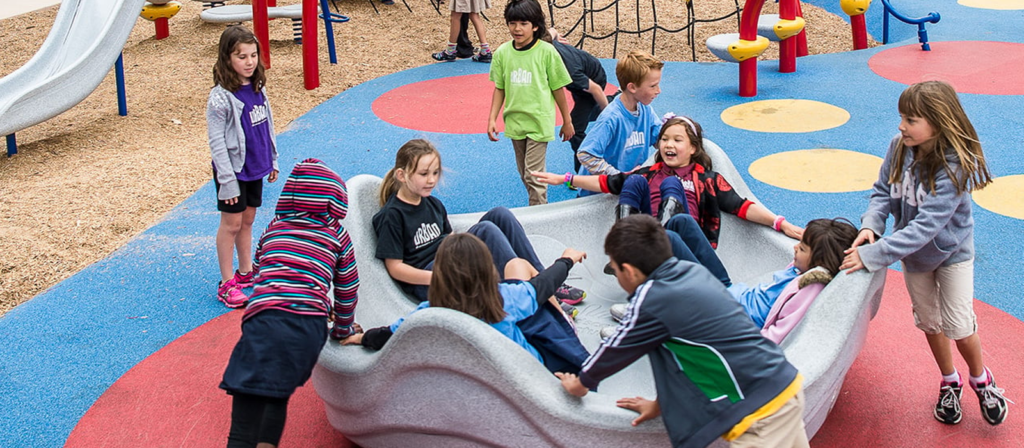
Safety First: Designing a Risk-Managed Environment
Safety is the backbone of any successful preschool playground design. A well-planned outdoor space must support child development while minimizing potential hazards. Here’s how we break it down into core safety elements.
Safe Layout and Zoning
An innovative layout separates active and quiet play areas to prevent overcrowding and reduce accidents. In every playground for daycare or preschool, the design should account for clear circulation paths and unobstructed sightlines. Teachers and caregivers must be able to monitor the entire outdoor playground without blind spots.
Strategic zoning also helps organize different types of playground equipment for preschoolers, ensuring that more physically intense areas don’t interfere with spaces meant for rest, creativity, or sensory play.
Impact-Reducing Surfacing
Ground surfaces are a critical component in preventing injuries. Every area beneath climbing or elevated structures should use safety-rated, impact-absorbing materials. Whether rubber tiles, poured-in-place surfacing, or engineered wood fiber is used, it must comply with international fall-height standards for outdoor preschool playground equipment.
Surfacing isn’t only about compliance—it’s about absolute protection. Hard ground or concrete surfaces dramatically increase the risk of injury and should never be part of a preschool playground design where falls are expected.
Certified and Age-Appropriate Equipment
All daycare playground equipment must be age-appropriate and certified to meet child safety standards. Equipment built for older children poses risks for preschoolers who lack the physical control or strength to use it safely.
In a compliant preschool outdoor playground, equipment must be free of sharp edges, choking hazards, and pinch points. Materials should be weather-resistant, non-toxic, and smooth to the touch, especially in playground structures for preschoolers that involve climbing, grasping, or sliding.
Visibility and Supervision
No matter how well a playground is designed, supervision is still the most effective safety tool. Your preschool playground layout should allow adults to see all zones clearly and respond quickly to any issues.
Avoid walls, dense bushes, or oversized structures that block sightlines. In open daycare playgrounds, equipment placement should enhance supervision, not interfere with it.
Routine Maintenance and Safety Checks
Even the best-designed outdoor playground equipment for preschoolers becomes dangerous if neglected. Daily inspections and scheduled maintenance are essential to identify wear and tear, rust, loose bolts, or broken parts before they lead to accidents.
A proper maintenance plan includes:
- Visual checks before each use
- Monthly inspections of all fasteners and connections
- Seasonal deep maintenance
- Immediate removal of unsafe equipment
Preserving safety is a continuous process, especially in high-traffic playgrounds for preschool, where equipment is used intensively.
Types of Play Equipment Suitable for Preschoolers
Choosing the right preschool playground equipment is critical to supporting safe, engaging, and age-appropriate play. At the preschool level, equipment should encourage movement, creativity, and interaction, while always aligning with safety and developmental needs.
Here’s a breakdown of the key types of playground equipment for preschoolers you should consider when planning your daycare playground or kindergarten outdoor space.
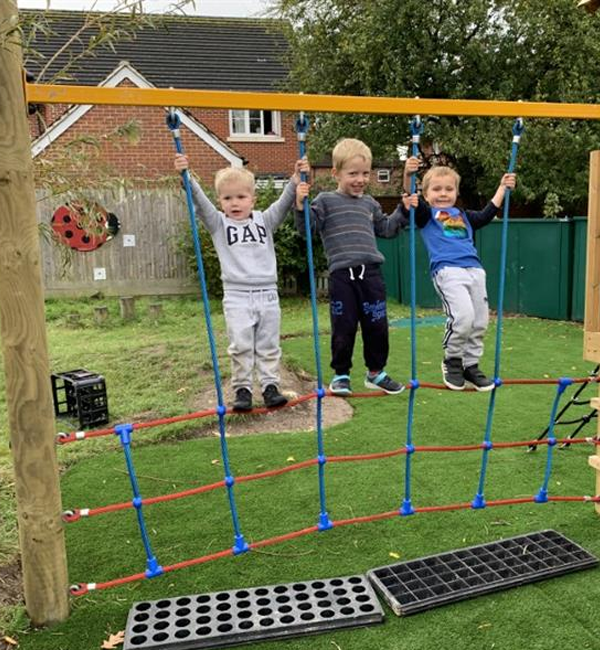
Climbing and Gross Motor Equipment
Climbing structures are essential for developing strength, coordination, and spatial awareness. These pieces promote upper body engagement and challenge children to test their limits safely.
Ideal features include:
- Low climbing frames
- Soft ramps and inclined platforms
- Grip-friendly ladders or stepping pods
When sourcing outdoor preschool playground equipment, make sure all climbing units are height-appropriate and feature side barriers for fall prevention.
Slides and Movement Pathways
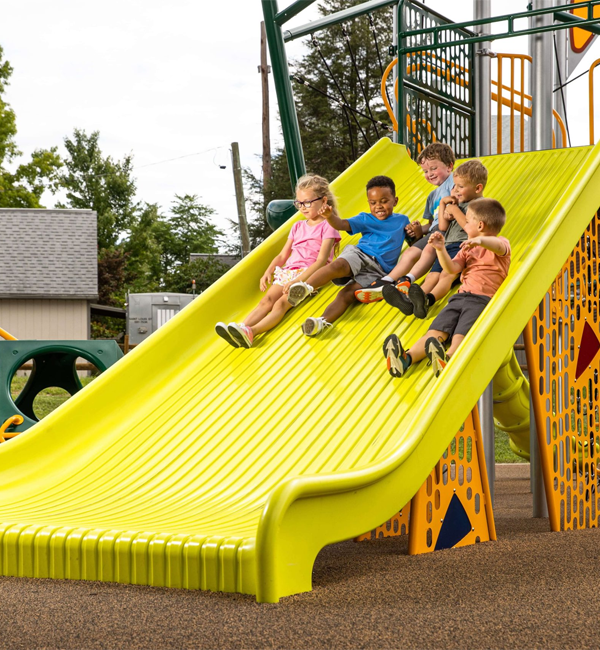
Slides remain one of the most loved elements in any preschool playground. They encourage coordination, balance, and anticipation. Integrated slides in combination units also help children understand sequence and flow.
Pair these with movement-based elements like:
- Tunnels
- Bridges
- Crawl spaces
These additions support continuous motion while creating varied play experiences within your preschool play structures.
Sensory and Tactile Play Panels
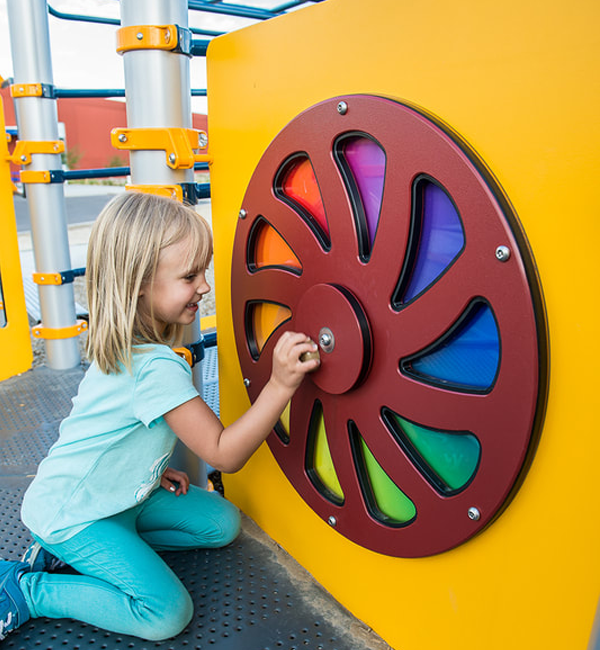
Young children learn through their senses. That’s why sensory play equipment is so powerful at the preschool level. Textured walls, rotating gears, mirrors, and musical panels allow for quiet, focused interaction.
Sensory panels are perfect for:
- Children with special needs
- Quiet zones in high-energy playgrounds
- Boosting fine motor development
Sensory units are compact and ideal for use in daycare playgrounds with limited space.
Role Play and Thematic Equipment
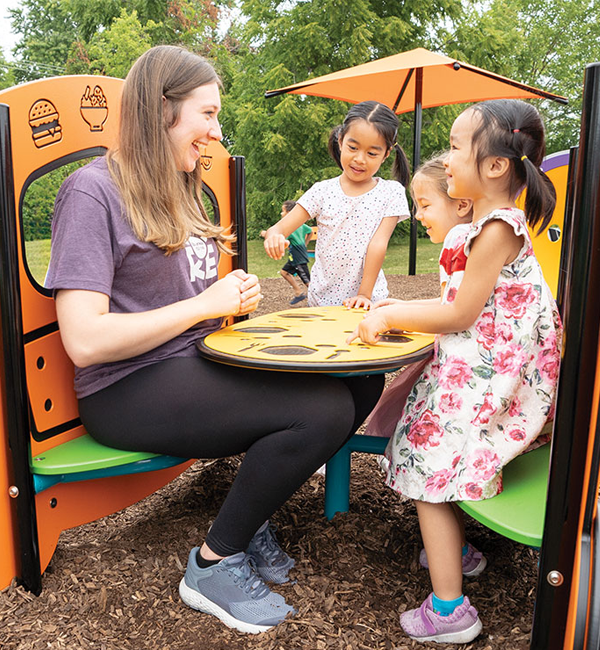
Preschoolers love to imagine. Thematic structures like playhouses, market stalls, or buses foster creativity and social interaction. Role play builds language, emotional expression, and early literacy.
Incorporating this style of preschool playground equipment turns the playground into a living storybook, where each child plays a part in the adventure.
Rotating and Balancing Units
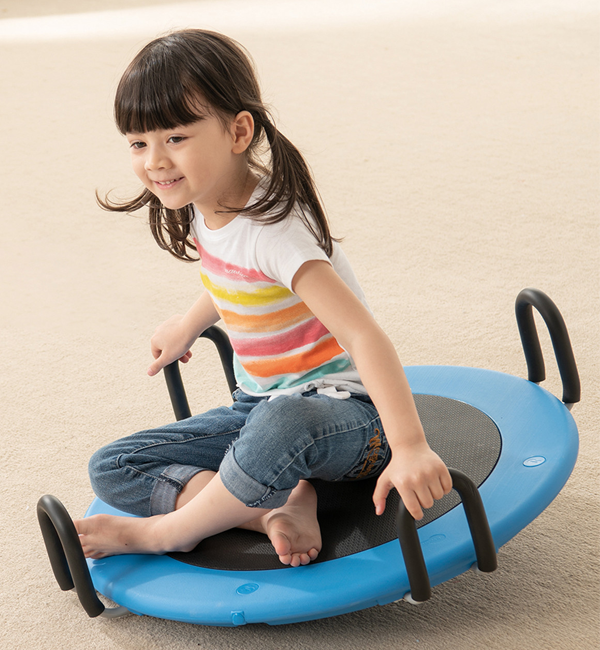
“Mild motion equipment—like spring riders, small merry-go-rounds, or see-saws—teaches children about balance, rhythm, and body control. These features also promote teamwork and coordination when used in groups. For those looking to incorporate more advanced amusement park rides suitable for preschoolers, consider exploring options from Amusement Park Rides for Kids, a reliable supplier of family-friendly entertainment equipment that complements preschool playground designs.
It’s essential to ensure that motion units in your day care playground equipment collection are low-impact, easy to mount, and offer strong grip points for small hands.”
Loose Parts and Modular Components
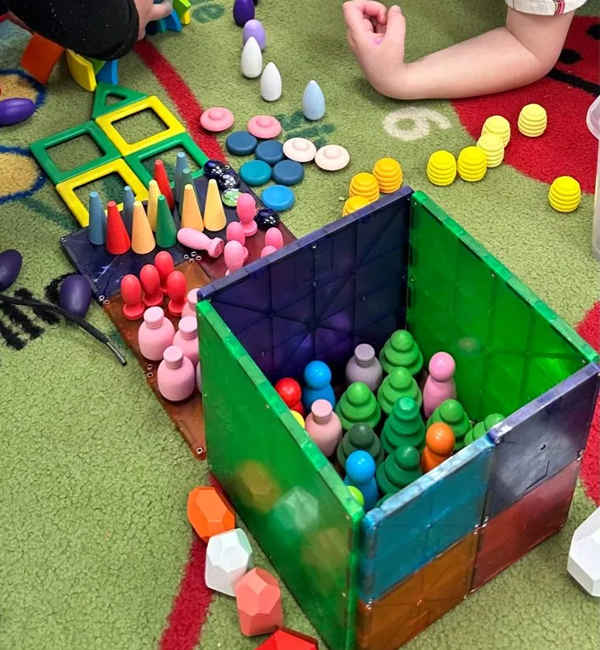
Modular pieces and loose parts encourage problem-solving and cooperative building. Items like movable blocks, stackable seats, or interactive pathways offer open-ended play possibilities that grow with the child.
While often overlooked, loose components can be a game-changer in smaller outdoor playgrounds for preschool, offering flexibility and cost-efficiency.
Types of Playground Surfacing
In any well-executed preschool playground design, the surfacing is just as important as the equipment itself. It cushions falls, supports mobility, and contributes to overall safety and functionality. There are two main types of playground surfacing: loose-fill and unitary materials, each with its advantages and considerations.
Loose-Fill: Rubber Mulch, Wood Chips, Sand, Gravel & More
Loose-fill surfacing includes natural or synthetic materials such as rubber mulch, engineered wood fiber, sand, or gravel. These materials are poured into the play area and adjusted to maintain the proper depth.
This type of surface is often used in preschool outdoor play equipment areas where flexibility, drainage, and a natural appearance are desired. It adapts easily to irregular shapes and allows water to pass through efficiently. Loose-fill is especially common in nature-inspired preschool playground designs.

Unitary Materials: Rubber Mats, Tiles, Pour-in-Place & More
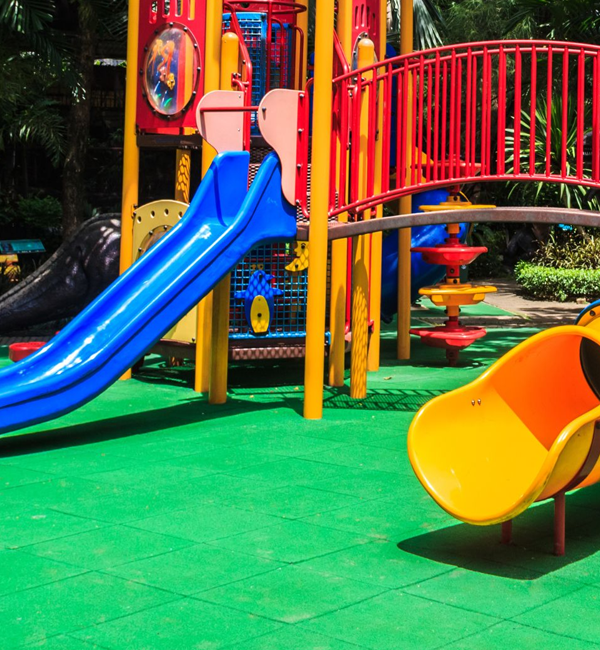
Unitary surfaces are solid, continuous materials that provide smooth and stable coverage. Examples include poured-in-place rubber, bonded rubber, and prefabricated rubber tiles or mats.
These surfaces offer consistent fall protection, are easy to clean, and meet accessibility requirements for mobility aids. Unitary materials are often used in preschool playground layouts that prioritize long-term durability and visual organization of different activity zones.
Incorporating Natural Elements into Playground Design
Incorporating Natural Elements into Playground Design
Natural elements bring life, variety, and a sense of calm to any preschool playground design. Beyond aesthetics, they offer powerful developmental benefits and are increasingly seen as essential components in modern outdoor learning environments. Below, we explore why and how nature should be part of your design plan.
Why Nature Matters in Preschool Playgrounds
Integrating nature into a preschool outdoor playground supports whole-child development. Unlike fixed-function play equipment, natural features stimulate the senses, encourage curiosity, and inspire open-ended play. Children exposed to natural elements tend to show more focus, creativity, and cooperation during outdoor activities, making nature a valuable teaching partner in early education.
Key Natural Features to Integrate
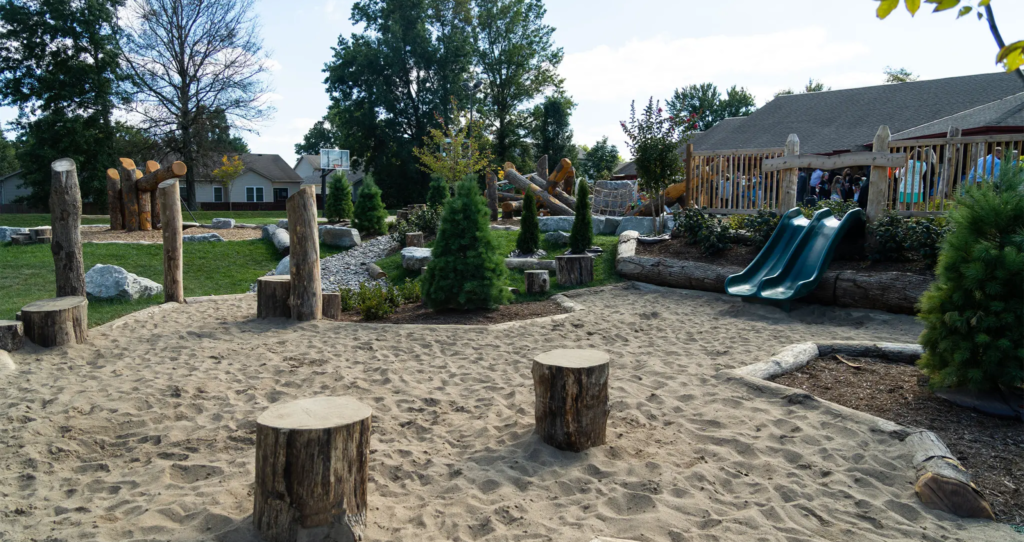
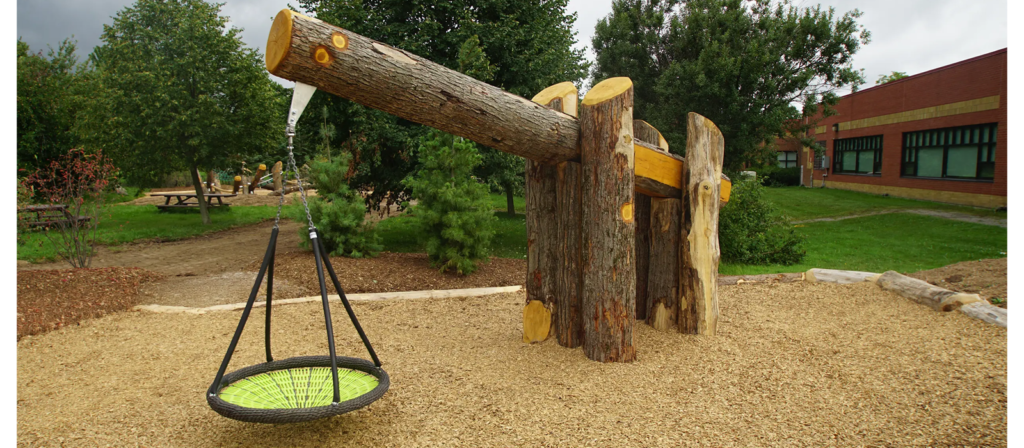
When planning a natural playground design for preschool space, consider elements that encourage physical interaction and sensory exploration. Grassy mounds, tree stumps, and shallow digging areas allow children to climb, balance, and build in flexible ways. Natural textures like wood, stone, and sand provide rich sensory input that manufactured surfaces can’t replicate. These features turn even a small outdoor play area for preschoolers into a dynamic learning landscape.
Balancing Natural and Traditional Equipment
A successful preschool playground doesn’t rely solely on nature or structures—it blends the two. Use climbing frames and slides alongside trees, logs, and green spaces. Traditional equipment offers familiarity and structure, while natural elements provide freedom and discovery. Together, they create a versatile outdoor playground environment where children can explore independently or engage in group play.
Long-Term Benefits of Nature-Based Design
Beyond child development, nature-based preschool playground design offers long-term practical and educational value. Natural spaces often require less artificial maintenance, stay cooler in hot climates, and promote eco-awareness among young learners. A well-balanced playground with greenery, shade, and sensory features becomes a selling point for parents and a lasting asset for any early childhood program.
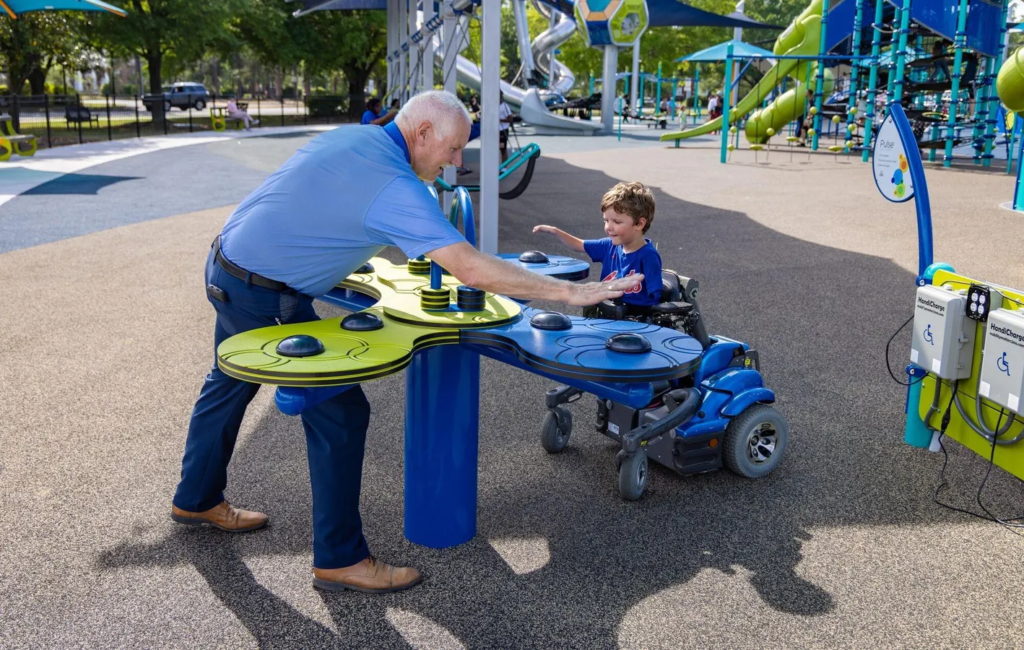
Prioritizing Accessibility in Outdoor Preschool Playground Design
Accessibility is a crucial part of any high-quality preschool playground design. An inclusive outdoor playground ensures that all children—regardless of physical, sensory, or cognitive abilities—can play, learn, and grow together.
To make your preschool playground design truly accessible, consider implementing the following:
- Wide, smooth pathways for easy wheelchair and stroller navigation
- Ramps and transfer platforms instead of stairs for elevated equipment access
- Ground-level play features that all children can reach and enjoy
- Sensory play panels with textures, sounds, and visuals for children with sensory needs
- Shaded rest zones for children who may tire easily or need a quiet space
- Contrasting colors and textures for children with visual impairments
- Seating areas near equipment for caregivers or aides to assist
- Clear sightlines for supervision of children with mobility or behavioral challenges
- Accessible surfacing materials like rubber tiles or poured-in-place rubber that meet fall and mobility standards
Including these features in your preschool playground design not only supports children with disabilities but also enhances the play experience for everyone.
Maintenance and Upkeep of Preschool Playgrounds
A successful preschool playground design doesn’t end when the equipment is installed. The long-term value of any outdoor playground depends heavily on how well it’s maintained. Cleanliness, functionality, and safety must be preserved daily, and that starts with a clear, consistent maintenance plan.
Here are essential maintenance and cleaning practices that should be integrated into your overall preschool playground design strategy.
Conduct Daily Visual Inspections
Before the first child steps onto the playground, a quick daily check is essential. Look for loose bolts, sharp edges, cracks, and any signs of wear and tear. Damaged or missing components in preschool playground equipment can lead to injuries or equipment failure if not addressed early.
This routine should cover:
- Fasteners and connectors
- Moving parts like swings or rotating panels
- Surfaces around and under high-use zones
By building this step into your team’s routine, you reinforce a safety-first culture and ensure that minor problems are identified before they grow into bigger, costly repairs.
Clean High-Touch Surfaces Frequently
Preschoolers touch everything, all the time. In any high-traffic preschool outdoor playground, surfaces like handles, activity panels, slides, and climbing grips should be cleaned frequently—ideally daily—with non-toxic disinfectants.
Cleaning supports:
- Hygiene, especially during flu season or outbreaks
- A more inviting appearance for parents and inspectors
- The longevity of your materials is ensured by preventing the build-up of grime
Especially in regions with high humidity or dust, regular cleaning protects both children’s health and the look of your preschool playground design.
Inspect and Maintain Surfacing Materials
The surfacing is a core safety element in any preschool playground design. Rubber mats, poured-in-place surfacing, or mulch cushions must be checked regularly for holes, uneven wear, or waterlogging.
Poor surfacing can:
- Causes trips and falls
- Compromise shock absorption
- Make the site non-compliant with safety standards
Make it a monthly routine to test surfacing thickness and drainage, especially in outdoor playgrounds exposed to heavy rain or UV.
Address Weather Damage Proactively
From direct sunlight to snow and rain, weather is a constant threat to any outdoor preschool playground equipment. UV rays can fade plastics and weaken structural integrity, while moisture encourages rust and mold.
Preventive steps include:
- Applying UV coatings on plastics
- Using rust-resistant paints and sealants on metal parts
- Covering wooden elements with protective finishes
Your preschool playground design should include materials and finishes chosen with your local climate in mind. But even the best materials need regular inspection and care to stay safe and attractive.
Lubricate and Tighten Moving Components
Moving parts—such as swings, rotating elements, or seesaws—require regular attention. Over time, friction, moisture, and constant use can degrade joints or make movement stiff and unsafe.
As part of your monthly checklist:
- Tighten loose nuts, bolts, and fasteners
- Lubricate hinges and rotating mechanisms
- Check for unusual noises, wobbles, or resistance
Maintaining these details ensures smoother use, extends product life, and supports the long-term integrity of your preschool playground equipment.
Clear Debris and Outdoor Hazards
Even the most well-planned preschool playground design can’t prevent natural debris or unexpected hazards. Leaves, mud, animal waste, litter, and standing water can all interfere with safe play.
Before opening each day:
- Rake and sweep walkways
- Remove sharp or slippery items
- Eliminate puddles and check for insect nests or rodents
These steps may seem simple, but they’re vital for keeping your daycare playground safe, sanitary, and child-friendly.
Plan Seasonal Deep Maintenance
While daily and monthly upkeep is essential, each season should bring a deeper, more technical review of the preschool playground. This is your chance to spot slow-developing issues and refresh the entire play area.
Seasonal maintenance tasks include:
- Repainting metal structures
- Replacing worn surfacing
- Upgrading faded signage
- Testing the anchoring of fixed equipment
Including seasonal maintenance in your preschool playground design strategy ensures that your playground stays functional and appealing over the years.
Keep a Detailed Maintenance Log
Documentation isn’t just for internal tracking—it also proves your commitment to safety in the eyes of parents, regulators, and insurers. Keeping a log of maintenance activity adds professionalism to your operation.
Your log should record:
- Dates of inspections and repairs
- Details of any hazards found and resolved
- Photographic records (optional but helpful)
- Staff member responsible for the check
This level of accountability strengthens the foundation of your preschool playground design and supports continuous improvement over time.
บทสรุป
The yard is ready to price when four measurements sit on one sheet: the site, the ages outside at one time, the fence, and the fall surface. Keep the structure, the surfacing, the site work, and the installation as separate invoices. A basic yard is commonly $10,000–$25,000. A standard yard is $25,000–$60,000. A custom yard is $60,000–$100,000 or more. The dollar split is on preschool playground cost.
That outdoor invoice goes to a playground contractor. West Shore Furniture does not manufacture the climber or the poured rubber. The work we take is the indoor rooms that have to open the same week: tables, cubbies, play kitchens, and the rest of the classroom list, built in Dalian since 2003 for 5000+ institutions in 50+ countries.
Send one floor plan and the factory returns one furniture list tied to the licensed ages and the opening date. The yard budget stays with the contractor. The classroom budget stays with the factory, so neither line is spent to finish the other. Production is commonly 30–45 days after the drawing is frozen, and a classroom package is commonly 10–14 weeks door to door. MOQ varies with the line.
A basic yard is commonly $10,000–$25,000, and a standard yard is $25,000–$60,000. Send the site plan, the ages, and the opening date. We return the classroom furniture list for the rooms that open with the yard. The climber and the rubber stay with your playground contractor. Production is commonly 30–45 days after drawings freeze, and a classroom package is commonly 10–14 weeks door to door.
Frequently Asked Questions (FAQ)
How do I plan a playground for a daycare center?
Measure the yard, the ages outside at one time, the fence, and the ground before you pick a climber. Price surfacing, site work, and installation apart from the equipment. West Shore Furniture prices the indoor rooms. A playground contractor prices the outdoor structure. Planning bands on the cost page stay $10,000–$25,000, $25,000–$60,000, and $60,000–$100,000 or more.
What should I send before I order?
The site plan with dimensions, the licensed ages, and the opening date. Say whether the ground is already level. Production of a classroom package is commonly 30–45 days after drawings freeze, and 10–14 weeks door to door.
Does West Shore build the outdoor climber?
No. West Shore manufactures classroom furniture and indoor play pieces in Dalian, since 2003. Commercial outdoor structures and poured-rubber surfacing belong to a playground contractor. This page is the plan. The cost page is the budget split.
Is the playground included in the daycare startup budget?
It is one line, not the whole opening. A standard center yard is often planned at $10,000–$60,000, and a large custom yard can pass $100,000 once site work is included. Rent, build-out, staffing, and indoor furniture sit on the startup cost page.
What factors should be considered when designing a preschool playground?
Several critical elements go into successful preschool playground design. These include child development goals, safety standards, space limitations, accessibility, and appropriate playground equipment for preschoolers. A strong layout balances physical, sensory, and social play zones while ensuring easy supervision and long-term maintenance.
What are common mistakes to avoid in preschool playground design?
Some frequent errors include overcrowding the space, selecting equipment that isn’t age-appropriate, ignoring drainage or shade needs, and failing to consider future expansion. A poor preschool playground design often lacks clear zones or supervision-friendly layouts, which can lead to confusion, conflict, and safety risks.
How do we balance the need for safety with providing challenging play opportunities?
The key is risk-managed design. Good preschool playground design allows for safe challenges—like low climbing structures, uneven surfaces, or interactive features that engage problem-solving—without exposing children to unnecessary danger. Use certified materials, soft surfacing, and age-appropriate features to support both safety and development.