What Are Practical Life Skills?
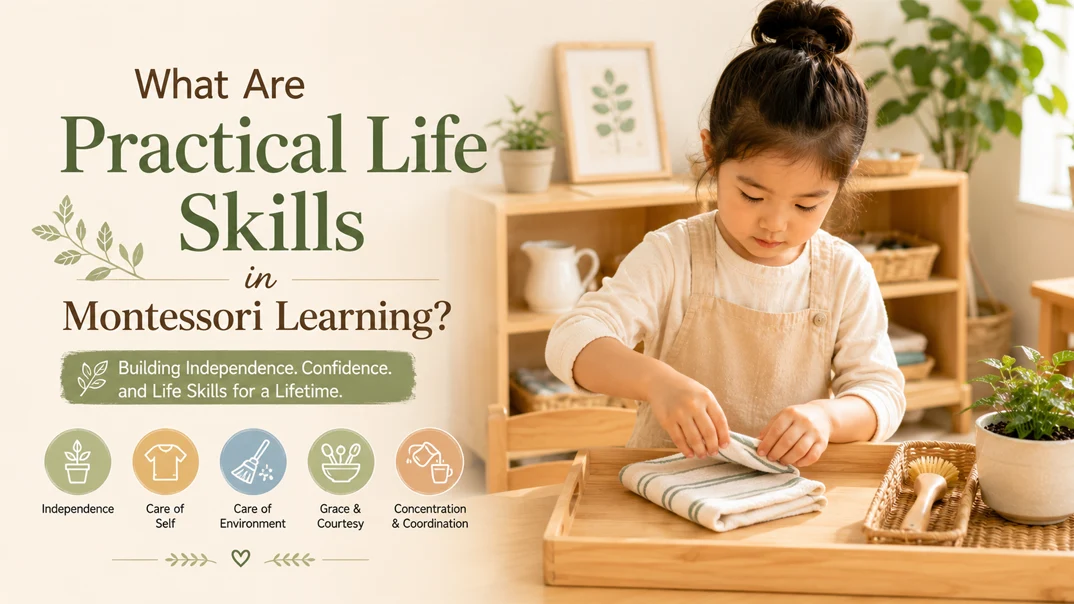
In การศึกษาแบบมอนเตสซอรี่, “Practical Life” refers to a range of daily competencies encompassing self-care, care of the environment, grace and courtesy, movement of objects, and food preparation. We meticulously design these Montessori Practical Life activities to align with the developmental characteristics of children, thereby fostering their independence, coordination, and sense of responsibility. Montessori education does not view young children as passive learners; rather, it provides them with opportunities to engage in “meaningful work” using authentic tools. As children utilize Montessori Practical Life materials, these subtle, everyday actions—over time—transform into powerful life skills, thereby comprehensively promoting the child’s holistic growth and development.
Self-Care Skills
Self-care activities help children develop independence in managing their own bodies, clothing, and personal routines. These tasks support confidence because children begin to experience the joy of doing things by themselves.
Common self-care practical life skills include:
- Dressing oneself
- Buttoning and unbuttoning clothes
- Zipping and unzipping jackets
- Putting on and taking off shoes
- Washing hands
- Brushing hair
- Wiping the face or mouth after meals
- Using the toilet independently
- Folding personal clothing
- Learning a home address and phone number
- Preparing personal belongings before leaving home or school
These activities may seem simple, but they give children repeated opportunities to practice order, memory, coordination, and responsibility.
Care of the Environment
Care of the environment teaches children that they are active members of a shared space. Through these Montessori Practical Life activities, children learn to respect their surroundings and contribute to the beauty, cleanliness, and order of the home or classroom.
Common care of the environment skills include:
- Putting materials back on the shelves after use
- Working carefully and neatly
- Dusting shelves, tables, and objects
- Polishing wood, silver, or classroom materials
- Washing tables, chairs, floors, or small items
- Sweeping floors and rugs
- Vacuuming rugs or carpets
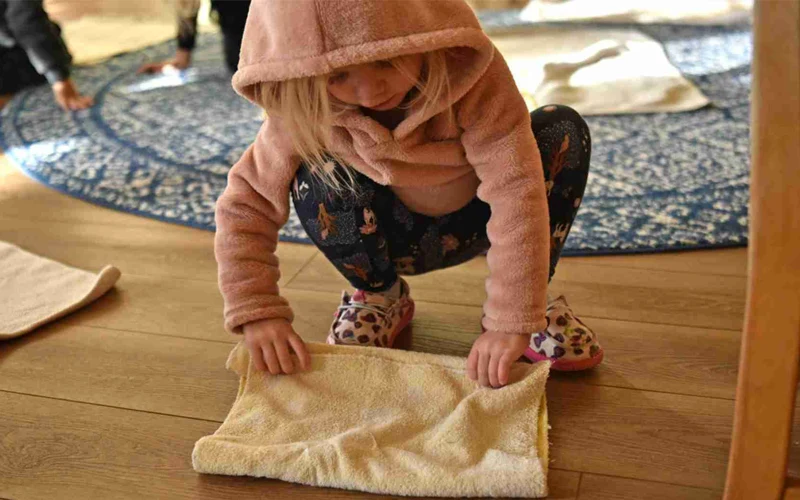
- Folding cloths such as napkins and towels
- Arranging flowers
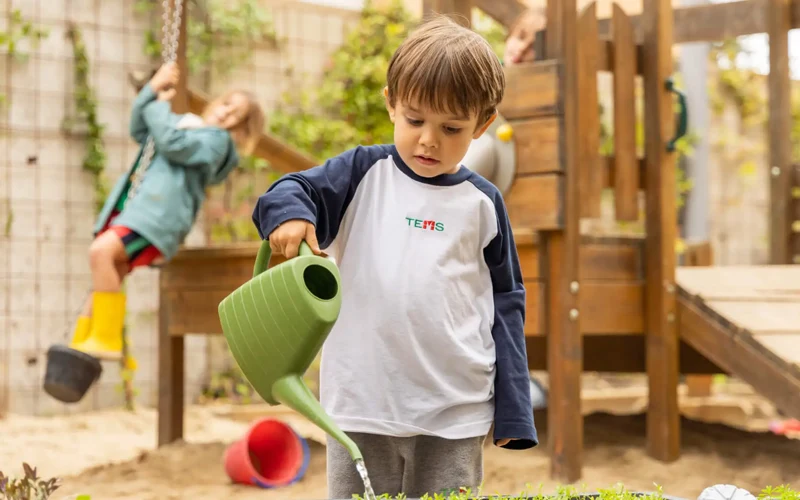
- Watering plants
- Caring for classroom or household animals
- Gardening
- Making simple repairs
- Refinishing or caring for furniture
With the help of child-sized Montessori Practical Life materials, children can participate in real cleaning, organizing, and care tasks in a way that feels achievable and meaningful.
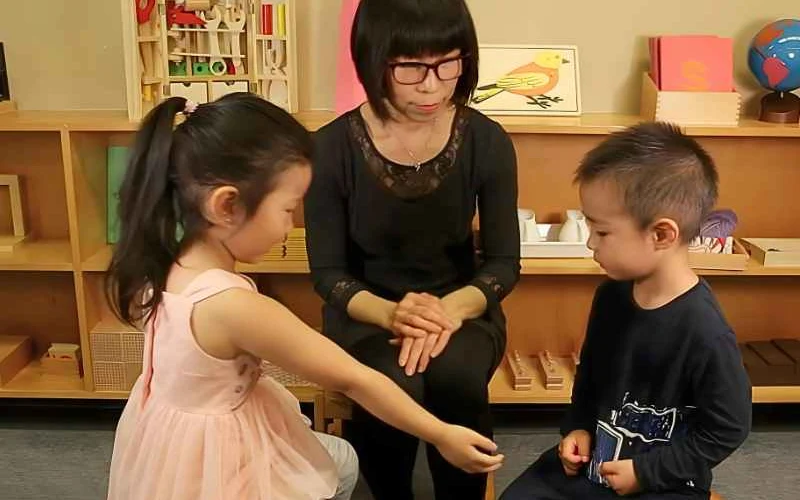
Grace and Courtesy
Grace and courtesy lessons focus on social behavior. These practical life skills help children understand how to interact respectfully with others, participate in a community, and develop emotional awareness.
Common grace and courtesy skills include:
- Greeting others politely
- Saying “please” and “thank you”
- กำลังรอการเปลี่ยนแปลง
- Asking for help appropriately
- Offering help to another person
- Walking around someone’s work without disturbing it
- Interrupting politely
- Speaking in a calm voice
- Carrying a chair quietly
- Serving oneself at the table
- Practicing table manners
- Caring for younger children
- Participating respectfully in group activities
These skills are an essential part of Montessori learning because independence is not only personal; it also includes learning how to live well with others.
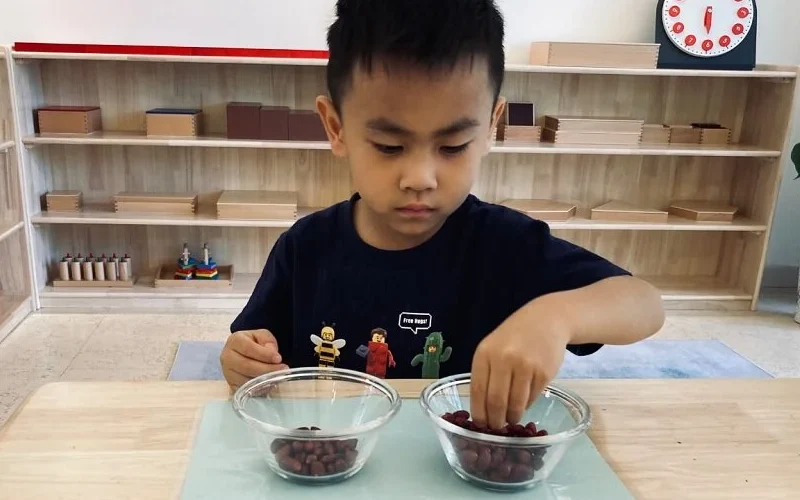
Movement of Objects
Movement activities help children refine coordination, balance, concentration, and control of the body. In Montessori education, children are often shown how to move slowly, carefully, and purposefully.
Common movement-based practical life skills include:
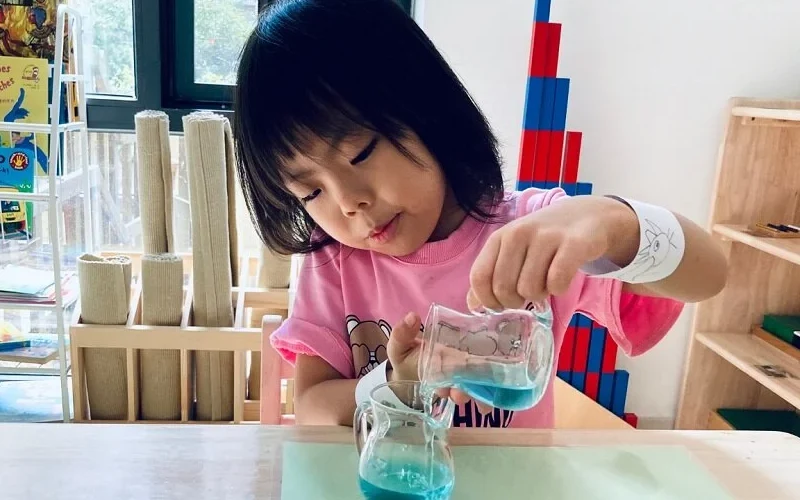
- Pouring liquids without spilling
- Carrying objects without dropping them
- Carrying liquids without spilling
- Walking without bumping into furniture or people
- Carrying a tray carefully
- Rolling and unrolling a work mat
- Opening and closing containers
- Using tweezers
- Using tongs
- Using eye-droppers
- Using locks and keys
- Using scissors with good control
- Using knives safely
- Using simple carpentry tools
- Weaving
- Bead stringing
- Simple sewing with needle and thread
- Working with household tools
These activities are especially important because they prepare the hand and body for more advanced work. A child who learns to pour carefully, carry steadily, and use tools with control is also developing the concentration and ทักษะการเคลื่อนไหวที่ดี needed for writing, practical problem-solving, and future academic learning.
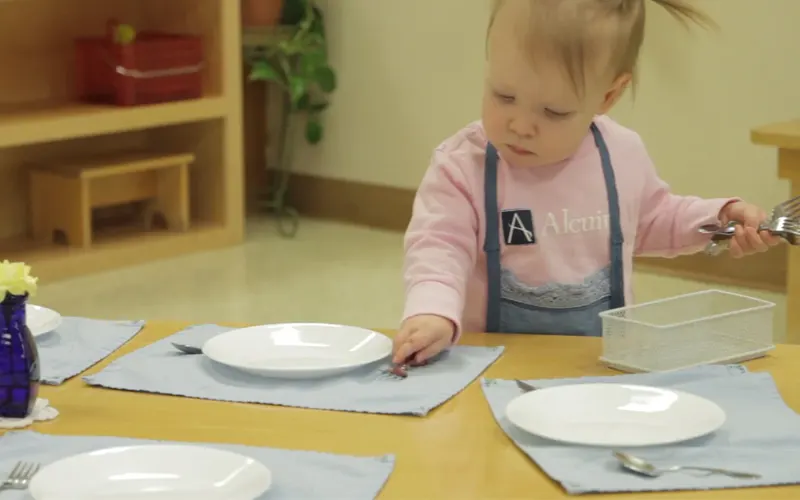
Food Preparation
Food preparation is one of the most meaningful areas of Montessori Practical Life because it connects children directly to daily family and classroom routines. Children enjoy working with real ingredients and real tools, especially when their work contributes to a shared meal or snack.
Common food preparation skills include:
- Washing fruits and vegetables
- Peeling soft foods
- Slicing bananas, cucumbers, or other soft foods with a child-safe knife
- Spreading butter, jam, or cream cheese
- Pouring water or milk
- Transferring dry foods with a spoon
- Mixing ingredients
- Setting the table
- Serving oneself
- Washing dishes
- Preparing simple snacks
- Cooking simple meals
- Cooking more complex meals as skills develop
- Making consumer choices related to food
- Comparing prices
- Budgeting for simple purchases
Food preparation activities allow children to practice independence, sequencing, patience, and responsibility. When supported by appropriate Montessori Practical Life materials, such as small pitchers, child-sized knives, trays, bowls, tongs, spreaders, and cleaning tools, children can safely participate in real kitchen work.
Characteristics of Practical Life Exercises
Practical life exercises are one of the most important parts of Montessori learning. They are not random chores or pretend-play tasks. Each activity is carefully prepared to help children build real practical life skills, such as coordination, concentration, independence, order, and responsibility. Good Montessori practical life activities usually share the following characteristics.
Builds Independence Through Purposeful Work:
The strongest characteristic of practical life exercises is that they help children feel capable. When a child can pour their own drink, clean a spill, prepare a snack, or put materials back on the shelf, they begin to think, “I can do this myself.” This confidence is the foundation of independence, and it is one of the main reasons practical life skills are so important in Montessori learning.
Based on Real Life:
Practical life exercises should come from real daily routines. Children are not just pretending to clean, pour, wash, or prepare food. They are using real tools to complete real tasks. For example, they may wash a real bowl, pour real water, slice soft fruit with a child-safe knife, or wipe an actual table. Because the activity has a real purpose, the child feels that their work matters.
Meaningful, Not Just Busy Work:
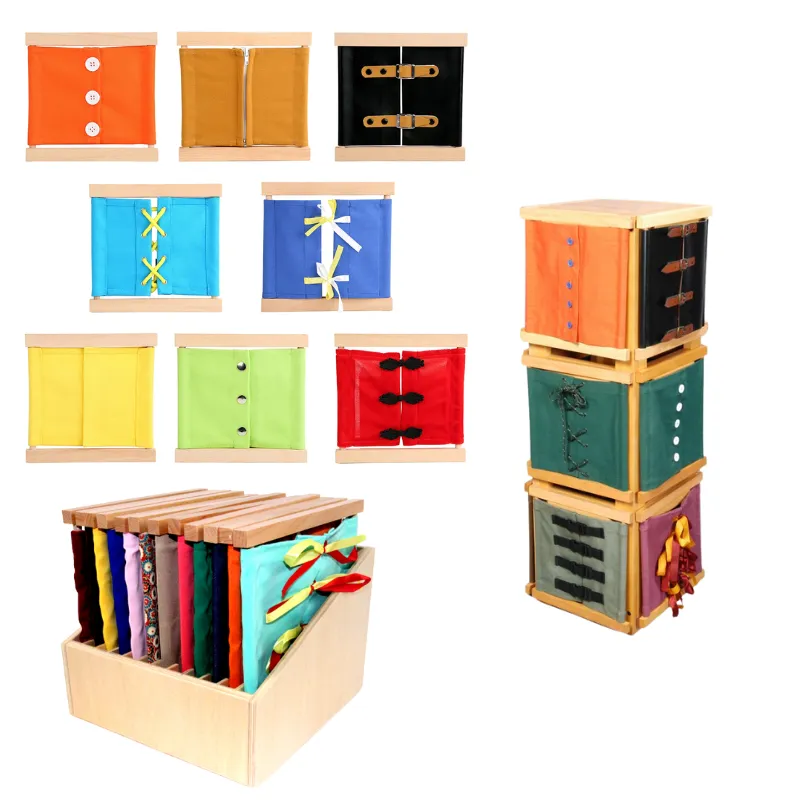
A good practical life activity should have a clear reason behind it. Pouring water helps a child learn control of movement. Sweeping crumbs helps them care for the environment. Buttoning a dressing frame prepares them to dress independently. These activities may look simple, but they are designed to support deeper development. Children are not being kept busy; they are practicing useful practical life skills they can apply every day.
Prepared One at a Time:
Each activity should be arranged with only the materials needed for that specific task. For example, a pouring tray may include two small pitchers and nothing extra. A polishing activity may include one object, one cloth, and a small amount of polish. Preparing one activity at a time helps children focus, understand the sequence, and avoid feeling overwhelmed. It also teaches them to complete a task from beginning to end.
Child-Sized and Easy to Handle:
Montessori practical life materials should fit the child’s hands and body. Small pitchers, short brooms, lightweight trays, low shelves, small bowls, and child-sized aprons allow children to work with confidence. When materials are too large or too difficult to control, children may become frustrated. When the tools are the right size, they can practice independence safely and successfully.
Orderly and Self-Contained:
Practical life materials are usually placed on a tray, in a basket, or on a low shelf. Everything the child needs should be ready before the activity begins. This gives the child a clear sense of order: take the work, carry it to the table or mat, complete the activity, clean up, and return it to its place. This structure helps children develop inner order, responsibility, and respect for the learning environment.
Allows Repetition:
Repetition is a key feature of Montessori practical life exercises. A child may pour water, transfer objects, polish wood, or fold cloths again and again. Adults may see this as unnecessary, but repetition helps children refine movement, strengthen concentration, and build confidence. Through repeated practice, practical life skills become natural and automatic.
Includes Control of Error:
Many practical life activities allow children to notice and correct mistakes by themselves. If water spills, the child can see it and wipe it up. If beans fall outside the bowl, the child can pick them up and try again. This gentle feedback helps children learn without constant adult correction. It also builds problem-solving skills, patience, and independence.
Connected to Culture and Environment:
Practical life exercises may look different from one home, classroom, or country to another. The activities should reflect the child’s real environment and daily culture. In one home, a child may learn to fold napkins. In another, they may help prepare rice, arrange flowers, clean shoes, or care for plants. The goal is not to copy every Montessori activity exactly, but to offer meaningful work that fits the child’s life.
Main benefits of practical life skills for children
When children came here, practical life skills were not good, but how did you study, clean school shoes or shoes. It is very important to have a complete overview of the daily activities of children. It is possible to have children’s manual strength, academic thinking ability, confidence in their emotions, and support children’s feelings. During special education in Mongolia, practical life skills are usually the starting point of learning, so children can pass through practical operations and gain a real sense of accomplishment.
Cultivation independence:
One of the greatest benefits of practical life skills is the increasing number of children who have completed their independence. Since the beginning of our school, we have been independent in implementing specific methods such as washing hands, holding boxes, holding toys, and preparing dim sum for drinks. The child does not want to repeat the same thing, but the adult is busy, and the first thought is “I can eat myself.” This kind of sense of independence is very important, because it is the foundation of everyday life that is not dependent on foreigners.
Presentation precision movement skills:
It is a special daily life teaching tool that has a small skin and flesh group with strong hands and fingers. If you want to use it, you can use it to clean the surface, fall down water, use cloth, cloth, scrape, fold, transfer goods, wipe the surface, etc., and use manual movements to improve the needs of the city. This is a basic skill set for small activities such as painting, paper cutting, Japanese writing, use of classroom tools, etc. after school. Before the arrival of children’s talents and mature training, other people’s demand for large-scale manufacturing opportunities has become a destination for activities.
Cultivation focus:
Children usually have a lot of energy, a lot of curiosity, and can also help with daily life. For example, when a child’s commander drops a water bottle and a water bottle arrives, he must observe the details, control skills, and coordinate movements. When a child receives a child, he or she must have the ability to concentrate and pay attention. This is a small activity that naturally cultivates the child’s focus, so the child has a clear goal and immediate reaction. Depending on the time, it may be possible to retrain or retain children over a long period of time.
Increased coordination and physical restraint:
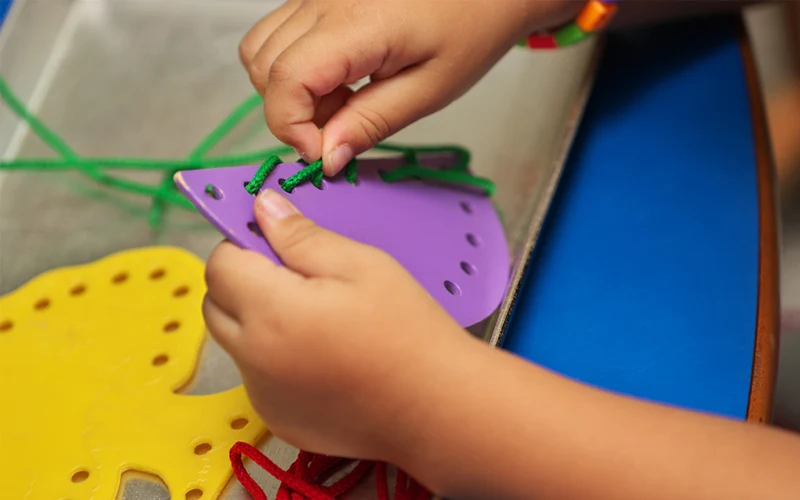
Full-body participation in daily life activities. For young children, it is possible to carry two-handed armrests, to open the space for the wings, to open the space, to open the ground, and to hold the bowl. Minor movements include the cooperation of the child’s eyes, hands, and elbows, and physical movements. How do other people learn how to act cautiously in public spaces? The restraint of all kinds of activities is an important part of special education, which makes children more tranquil, more observant, and more purposeful in their actions.
Cultivation, sense of order, and discipline:
I understand that the child is there, and when I meet him, I feel at ease. Daily life lessons usually have a clear beginning and a harmonious conclusion. The child’s selection activities, the preparation of the work area, the completion of the work, the collection and drying, and then the materials are released on the building block. This kind of order helps children cultivate a sense of order. Others clearly have a fixed location for each item, and a moving location for each activity. This kind of sense of order does not lead to the development of children’s daily activities at home.
Confidence in building true success:
I am confident that I will be able to complete my duties as a child. A trip to the village, a trip to the east and west, a meal, a flower, a busy meal, and a real sense of accomplishment. This small activity is not disguised, and the result is also seen. The children can see that the rice is dry, the plants are watered, and the dim sum is ready. With this feeling of success, you and your child are confident and willing to take on new challenges.
Sense of responsibility:
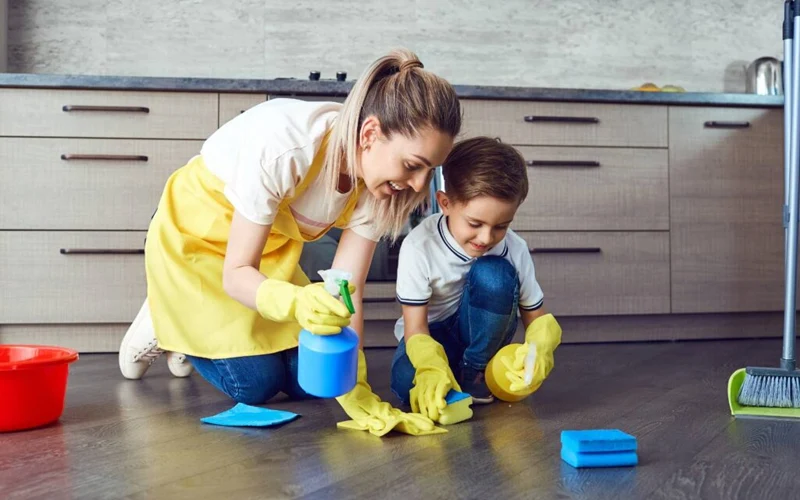
Special interest in daily life activities, children’s understanding of other people’s own and other people’s environment. The responsibility of carrying out the task of collecting statues, cleansing waste, clothing, and carrying the East and West circulation students, and the responsibility of cultivating children in a more gentle manner. The children’s group’s obvious self-centered behavior and surrounding environment. Respecting the early cultivation of young children, cooperating with society to establish the basics of life awareness.
Creating a Practical Life Skills Workspace
A thoughtfully arranged workspace helps children practice life skills with greater independence, focus, and confidence. Here are the steps for creating a functional space dedicated to practical life skills.
Designate a Dedicated Space
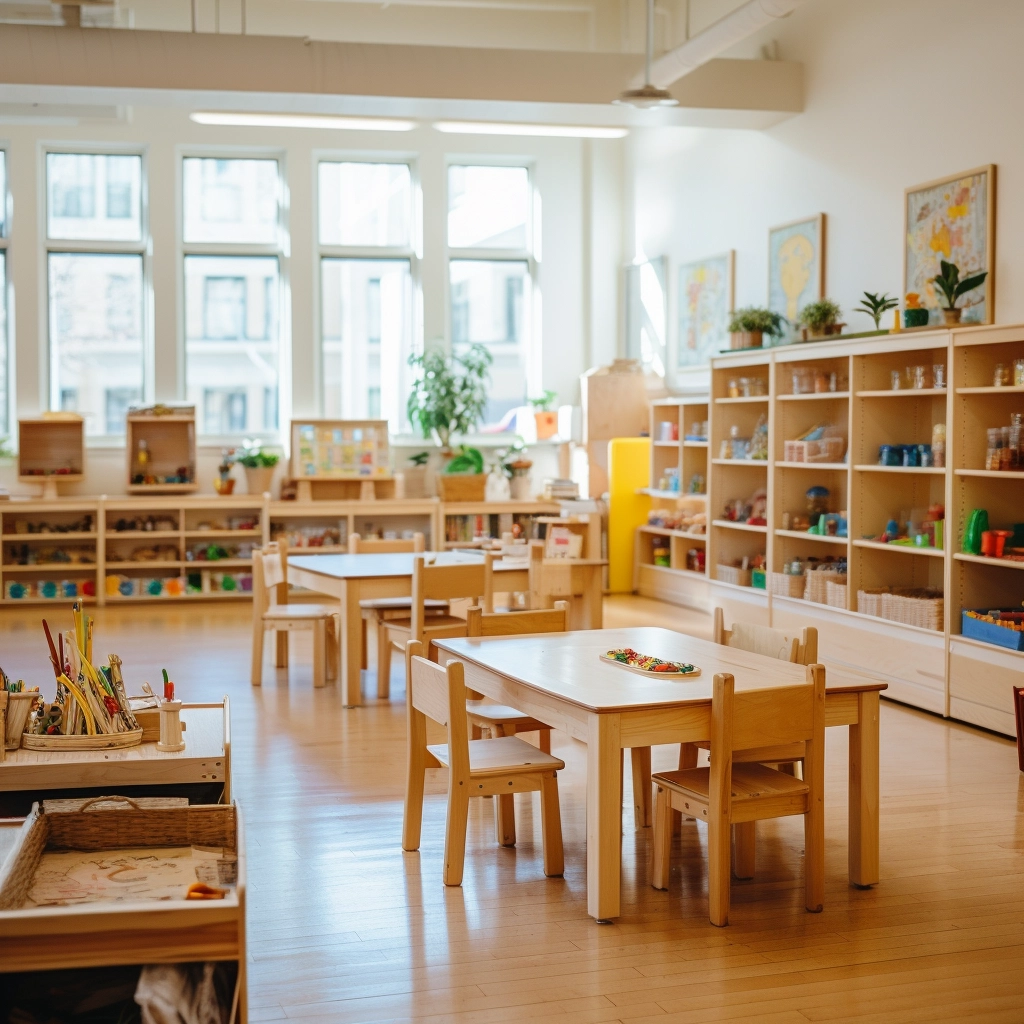
First, designate a specific area where the child can practice life skills. This could be a corner of a room or a quiet nook within a classroom. This space should be furnished with low, open shelving and provide a dedicated work surface for the child—such as a table sized to their height—along with a simple floor mat.
Use Low, Accessible Shelving
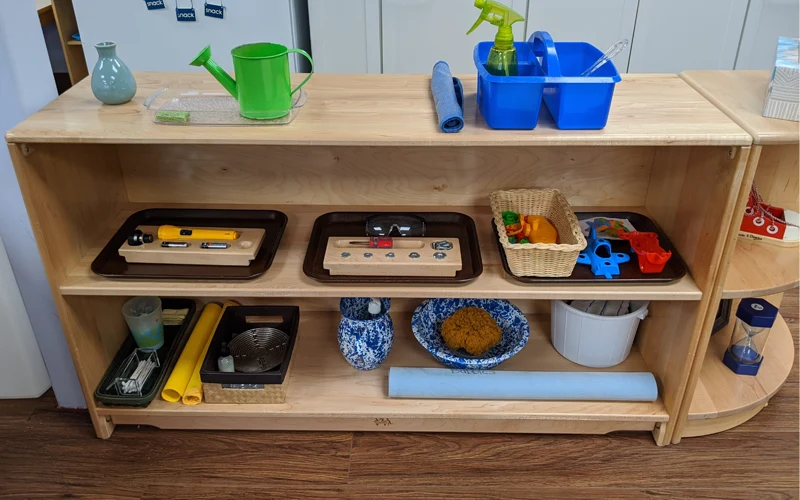
Montessori Practical Life materials should be easy for the child to observe, access, and independently return to their original place. One- or two-tiered Montessori shelves are ideal; the goal is to enable the child to independently select and return materials without constantly relying on adult assistance.
Keep Shelves Tidy
Avoid overcrowding the shelves with too many items, which can overwhelm the child with excessive choices. To start, offer only a few simple activities—such as pouring water, scooping, wiping, folding clothes, or caring for plants. Each tray or basket should have a designated spot so the child can easily identify which items belong to the same activity set.
Select Authentic, Appropriately Sized Materials
Ideal Montessori Practical Life materials are real tools—perfectly sized to fit a child’s small hands. Choosing specialized Montessori-style items—such as small pitchers, bowls, trays, baskets, cloths, brushes, tongs, aprons, and child-safe kitchen utensils—helps children complete daily tasks more smoothly and easily. When materials are appropriately sized, the frustration a child might otherwise experience due to manipulation difficulties is significantly reduced during the process of learning practical life skills.
Ensure that each tray or basket contains only one specific activity.
Each activity should constitute a distinct, self-contained unit. For example, a tray for “pouring” exercises might hold two small pitchers and a cloth, while a tray for “scooping” exercises might hold two bowls and a spoon. Keeping all related materials together helps the child understand the sequence of the task, enabling them to complete it independently and successfully.
Demonstrate the Complete Work Cycle
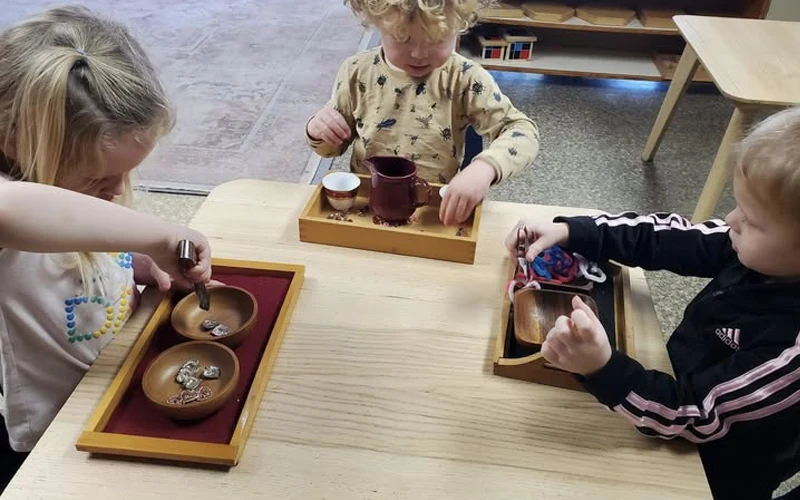
Once the workspace is set up, demonstrate to the child how to use it from start to finish. This includes: selecting an activity, carrying the materials to the workspace, completing the task, cleaning and tidying the workspace, returning the materials to their original place, and finally, placing the tray back on the shelf. This complete process helps children cultivate a sense of order, responsibility, and independence.
Adjust the Space Based on Observation
Carefully observe how your child uses the workspace. If you notice that a tray is too heavy, the shelves are too cluttered, or a particular activity is too difficult for your child, make appropriate adjustments as needed. Our goal is not to create a “flawless” Montessori display space, but rather to establish a practical and functional environment where children can confidently engage in daily exercises and master various skills.
Shop Authentic Montessori Practical Life Materials
Find authentic Montessori practical life materials and other high-quality Montessori teaching tools in our store. Choose the right materials to support independence, focus, and hands-on learning at home or in the classroom.
 Browse Montessori Materials
The Role of the Adult
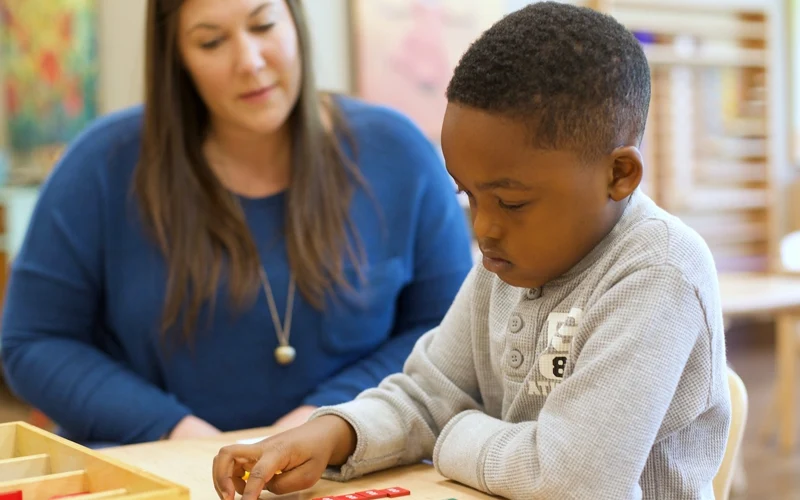
In Montessori education, the adult is responsible for preparing the environment, clearly demonstrating each activity, and providing the child with ample time and space to practice. As children learn practical life skills, they require calm guidance rather than constant correction.
Demonstrate Slowly
Before expecting a child to complete a specific activity, the adult should demonstrate—from start to finish—exactly how it is performed. Movements should be slow, gestures clear, and verbal instructions concise. For instance, when demonstrating the act of “pouring,” allow the child to observe how you hold the pitcher, pour carefully, wipe up any spills, and finally return the materials to their proper place.
Step Back After the Demonstration
Once the demonstration is complete, give the child the opportunity to try it themselves. When water spills or materials are not handled perfectly, adults often feel an urge to intervene immediately; however, remember that making small mistakes is an integral part of the learning process. Stepping back at the appropriate moment allows children to build self-confidence, develop problem-solving skills, and truly achieve independence.
Observe, Do Not Interrupt
Observation is one of the most vital tools in Montessori pedagogy. Observe closely how the child uses the materials, where they encounter difficulties, and which actions they choose to repeat. Through observation, you can determine—without interrupting the child’s concentration—whether an activity is too simple, too difficult, or at a stage where adjustments are needed.
Offer Assistance Only When Necessary
Adults should step in to offer assistance only when the child faces a safety risk, is genuinely stuck, or is experiencing extreme frustration. Our goal is not to leave the child entirely to their own devices, but rather to provide the bare minimum of assistance—precisely “just enough.” A simple gesture, a gentle verbal reminder, or a brief re-demonstration is often far more effective than simply taking over and completing the task for the child.
Respect the Child’s Pace
Children require time to repeat activities over and over again in order to master the necessary movements. A young child might pour water back and forth many times, repeatedly wipe down the same table, or spend several minutes simply fastening a single button. This deliberate pace is immensely valuable, for through such repetition, children effectively enhance their physical coordination, concentration, and capacity for independence in daily life.
Encouragement, Not Excessive Praise
Rather than reflexively exclaiming “Great job!” after your child completes every single step, try to specifically describe the details you observe. You might say, “You carried the tray so carefully,” or “You used the cloth to wipe up the spill.” This helps guide the child to focus on the process itself, rather than merely seeking adult approval. At the same time, it helps them cultivate a stronger, more profound sense of inner accomplishment.
บทสรุป
“Exercises of Practical Life” constitute one of the simplest—yet most powerful—components of Montessori education. They transform everyday chores into meaningful learning opportunities, helping children cultivate independence, coordination, concentration, a sense of responsibility, and self-confidence.
With the proper selection of Montessori Practical Life materials and the creation of a calm, prepared environment, children can naturally begin to practice a variety of practical daily skills. Over time, these seemingly small experiences will help them become more capable, focused, and self-assured in both their home and classroom lives.