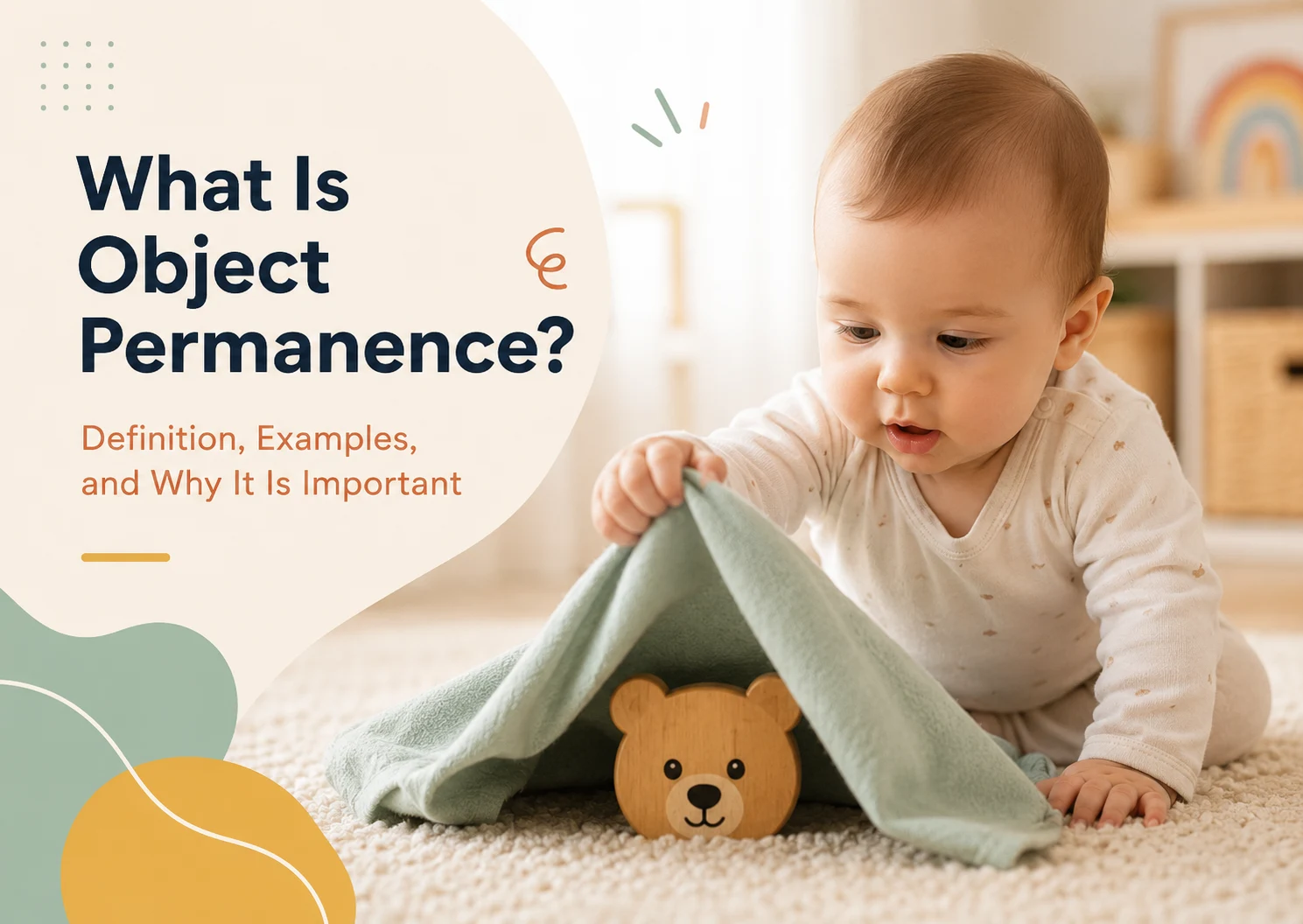
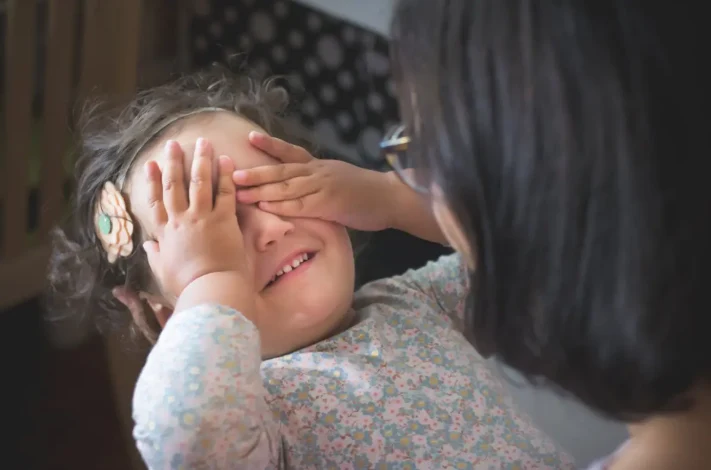
If you have ever played “peek-a-boo” with a baby, you may have noticed the look of surprise and delight on their face when your face disappears and then suddenly reappears. While this may seem simple to adults, for infants, it is part of a crucial learning process: understanding that people and objects continue to exist even when they are out of sight.
So, what is “object permanence,” and why is it so important in early childhood development? In this article, we will explain the meaning of object permanence, explore when babies typically develop this ability, and discuss how parents and caregivers can foster this skill through simple games.
What Is “Object Permanence”?
“Object permanence” refers to the cognitive understanding that people or objects continue to exist even when they cannot be seen, heard, or touched. This is a crucial developmental milestone for infants, as their world is primarily built upon experiences of direct sensory perception.
The concept of object permanence is frequently associated with Jean Piaget’s theory of cognitive development. Piaget posited that infants develop this ability during the “sensorimotor stage”—a period in which they learn through movement, sensory experiences, and direct interaction with their surroundings. Infants learn not through verbal explanations, but by touching, observing, reaching for, hiding, dropping, and retrieving objects.
When Does “Object Permanence” Develop?
According to Jean Piaget’s theory of cognitive development, infants begin to understand “object permanence” at around eight months of age. Piaget identified this developmental milestone as occurring during the sensorimotor stage—a period when infants learn primarily through sight, touch, movement, hearing, taste, and direct interaction with the world around them.
Modern research suggests that early signs of object permanence may appear even sooner, roughly between four and seven months of age. Most infants begin to form a clearer understanding between six months and one year, particularly when they start searching for toys that are partially or fully hidden from view.
The development of object permanence is a gradual process. Before this ability fully develops, an infant may act as if an object ceases to exist the moment it leaves their field of vision. Later, you will notice subtle yet significant changes—such as looking for a hidden face during a game of peek-a-boo, searching for a toy under a blanket, or intently watching a ball as it disappears into a box and rolls out the other side.
A simple timeline may look like this:
| อายุ | Common Signs of Object Permanence |
|---|---|
| 0–4 months | Babies mainly respond to what they can see, hear, or feel in the moment. |
| 4–8 months | Babies may begin reaching for partly hidden objects or show interest when something disappears. |
| 8–12 months | Babies often start actively searching for hidden toys or people. Separation anxiety may also become more noticeable. |
| 12–24 months | Toddlers become better at finding objects after more complex hiding games and can remember things for longer. |
By around 2 years old, many children have a more stable understanding of object permanence. They can remember that people and objects still exist even when they are not nearby or visible.
Every baby develops at their own pace. Some babies show signs earlier, while others need more time and repeated experiences. Small changes from day to day are normal. If you are concerned that your baby is missing several developmental milestones, it is best to speak with a pediatrician for professional guidance.
How Can You Help Your Baby Develop the Concept of “Object Permanence”?
Babies develop the concept of “object permanence” through repeated experiences in their daily lives. They learn this concept by watching objects disappear and reappear, reaching for hidden items, and discovering that people or toys still exist even when they are out of sight.
Simple interactive games are often the most effective way to foster this ability. These activities help babies connect what they see and remember with their expectations of what will happen next.
Play “Peek-a-Boo”
“Peek-a-boo” is one of the simplest ways to introduce the concept of object permanence. When you cover your face and then reveal it again, your baby begins to understand that you are still there, even when they cannot see you. As your baby grows, they may start to smile, wait, or even try to move the object covering your face themselves.
Partially Hide Toys First
To start, try covering only part of a toy with a cloth or blanket. If your baby can see a portion of the object, it is easier for them to reach for it and understand where the object has gone. As their understanding improves, you can gradually hide the entire toy and encourage them to search for it.
Use an “Object Permanence Box”
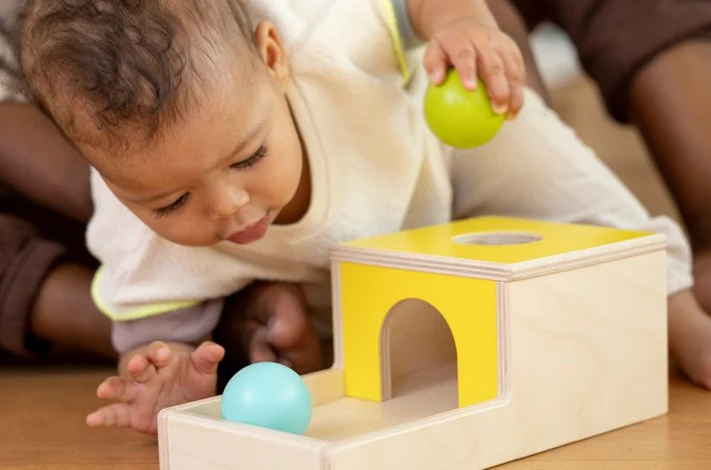
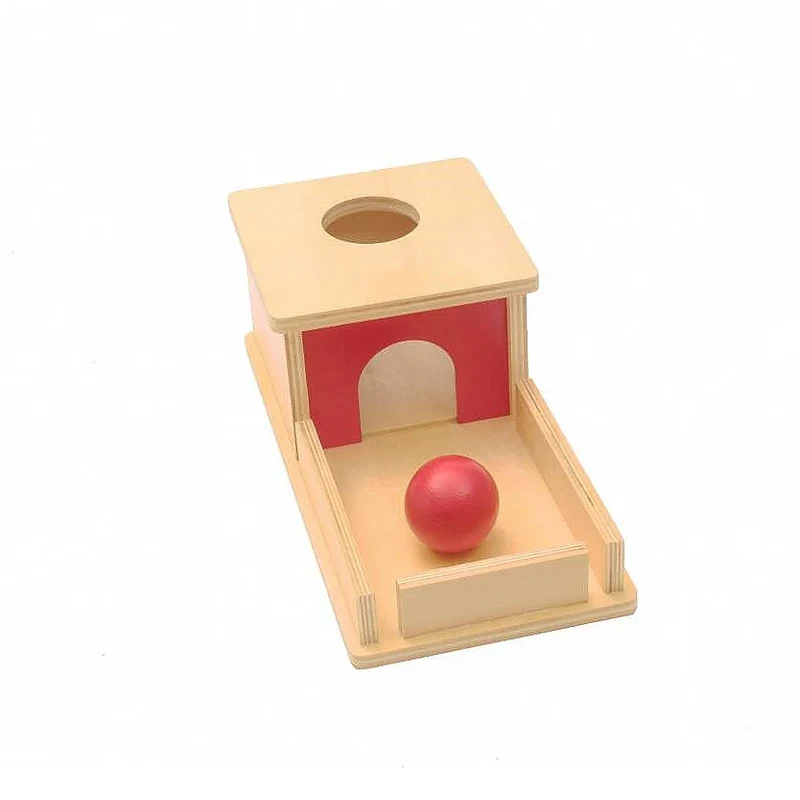
An “object permanence box” is a classic Montessori-style toy that helps babies observe cause-and-effect relationships. The baby drops a ball into a hole, watches it disappear briefly, and then sees it roll out. This repetitive action helps them understand that the object hasn’t vanished into thin air but has simply moved to another location.
Try Simple Container Games
You can also use cups, baskets, boxes, or soft containers to play hiding games. Place a small toy inside a container and let your baby find it. These activities foster the development of memory, hand-eye coordination, problem-solving skills, and curiosity.
Establish a Predictable Daily Routine
A consistent daily routine can also help your baby understand the concept that “people come back.” Saying goodbye before leaving the room, maintaining a calm tone, and returning on time helps your baby feel more secure. Over time, they will come to understand that while parents or caregivers may leave temporarily, they will eventually return.
Support Early Learning With Montessori Materials
A Montessori object permanence box is a simple but meaningful tool for infant and toddler development. By dropping a ball into the box and watching it reappear, babies begin to understand that objects still exist even when they are briefly out of sight. This calm, hands-on activity also supports hand-eye coordination, concentration, cause-and-effect thinking, and early problem-solving skills.
 Explore Montessori Classroom Materials
What happens after the concept of “object permanence” is established?
Once infants begin to grasp the concept of “object permanence”—the understanding that objects continue to exist even when they are out of sight—their behavior often undergoes significant changes. They start to realize that people and objects persist even when not immediately visible. A common change is that infants may begin searching for hidden objects. For instance, if a toy rolls under a chair or is covered by a blanket, they will actively look for it; this indicates an ability to retain a mental representation of the object and anticipate its existence somewhere.
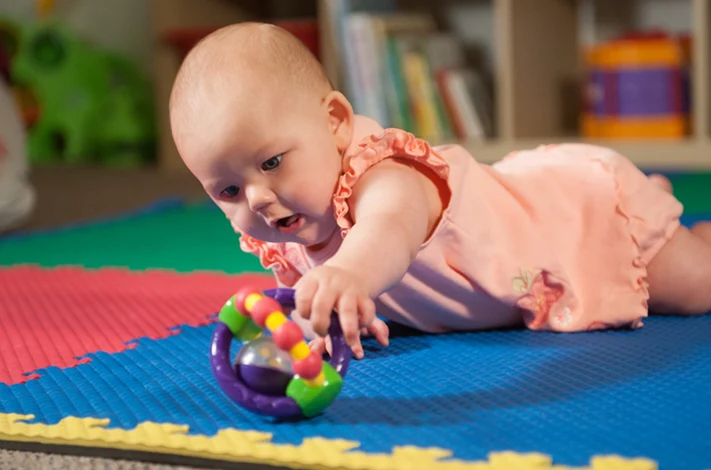
As the concept of object permanence solidifies, infants also engage more frequently in play involving cause and effect. They might drop toys from a high chair and look down to find them, place objects into containers and take them out, or enjoy games where objects “disappear and reappear.” Ultimately, this cognitive ability lays the foundation for more advanced skills, such as pretend play, problem-solving, and early independence.
Why Do People With ADHD Struggle With Object Permanence?
For individuals with ADHD, attention and working memory are often unstable. If an object, task, piece of information, or person is not directly in sight or actively on their mind, it may be temporarily forgotten. This does not mean they believe these things have ceased to exist; rather, when other thoughts, tasks, or distractions occupy their minds, they may struggle to retain the memory of that information.
This phenomenon manifests in various ways in daily life:
- Opening a message but forgetting to reply
- Misplacing keys, documents, or personal belongings
- Forgetting tasks unless they are written down or placed in plain sight
- Gradually losing touch with people due to a lack of regular contact
- Struggling to resume an unfinished task after being interrupted
Using visual reminders, establishing routines, utilizing calendars, labeling items, and keeping important objects in visible locations can help alleviate these challenges. For children or adults with ADHD, the goal is not to “teach” the concept of object permanence, but rather to create an environment that supports attention, memory, and the follow-through on tasks.
Conclusion: Supporting Object Permanence Through Everyday Play
The object permanence box is a prime example of how constructivist learning can begin at a very early age. Engaging children in this process and providing them with opportunities for independent exploration and learning is crucial, and the object permanence box is an excellent tool for achieving both.
Are you an educator looking for Montessori materials for your classroom? West Shore Furniture designs and manufactures Montessori materials specifically tailored to child development milestones, ready to meet your teaching needs.
Our Montessori materials are both aesthetically pleasing and durable. The object permanence box is crafted from eco-friendly hardwood and finished with a child-safe coating. The size of the ball meets child safety standards, allowing you to let children play independently with confidence, free from concerns about choking hazards.
Frequently Asked Questions About Object Permanence
Can object permanence lead to separation anxiety?
Object permanence can trigger separation anxiety. Once babies understand that their parents still exist even after leaving the room, they may become distressed because they miss their parents and want them to return.
Which toys help foster object permanence?
Simple toys are often the most effective. Items such as object permanence boxes, soft toys with hidden features, nesting cups, various containers, balls, and blankets can all help develop this skill by encouraging babies to engage in actions like hiding, finding, throwing, and retrieving objects.
Should I be worried if my baby hasn’t developed object permanence yet?
Every baby develops at their own pace. Some babies reach this milestone earlier, while others need more time. If your baby has missed multiple developmental milestones, or if you have any concerns about their development, it is best to consult a pediatrician.