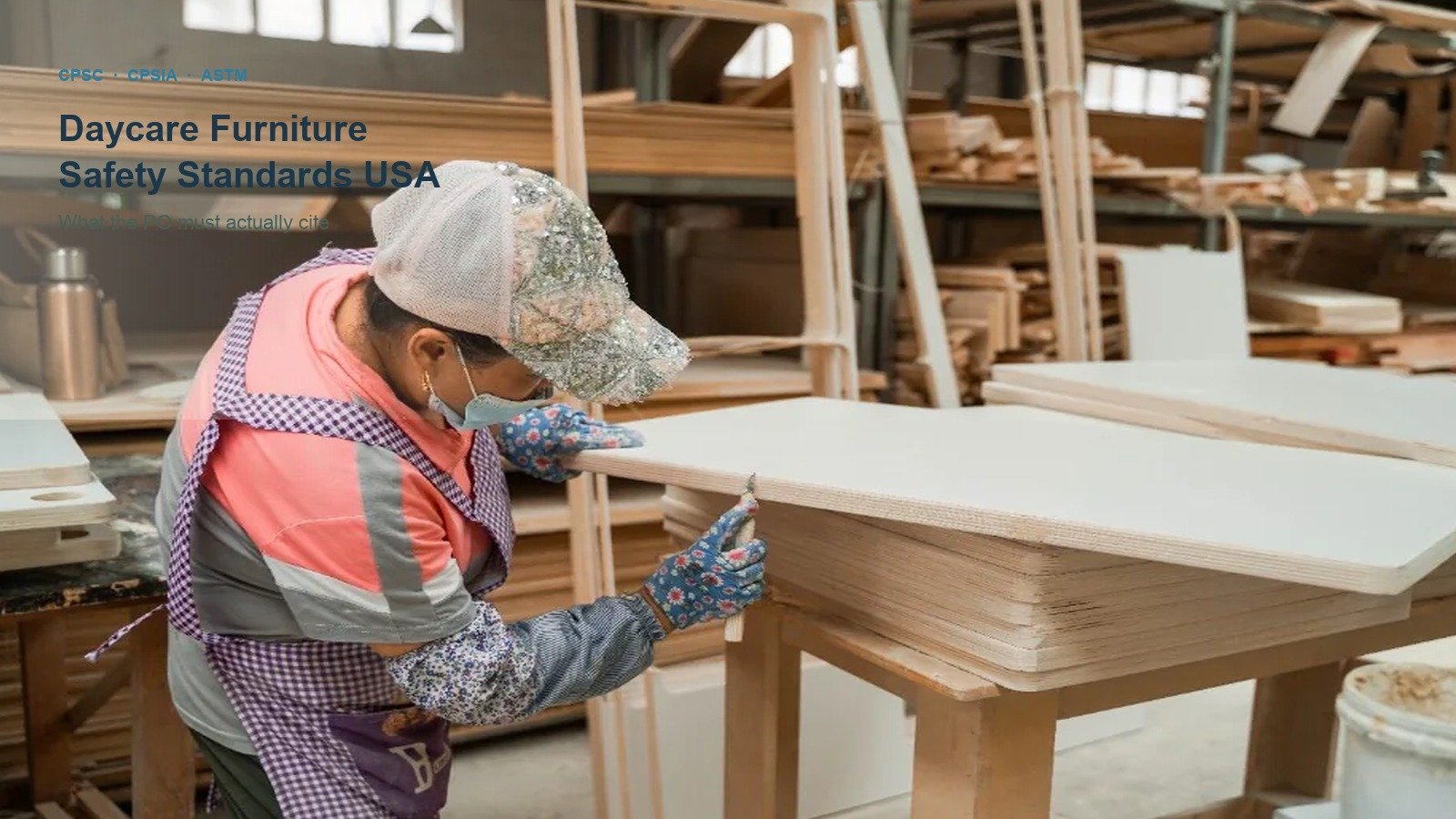
Most RFQs ask for “ASTM F963 daycare furniture” as if one stamp covered tables, cubbies and cribs. It does not. Daycare furniture safety standards USA are a map: which SKU hits which rule. Copy a toy report onto a cubby PO and you have a PDF, not a compliant line.
Direct answer
เวสท์ชอร์เฟอร์นิเจอร์ maps U.S. daycare furniture safety by SKU, not by slogan. ASTM F963 (16 CFR 1250) is the toy standard — not a classroom table. CPSIA frames children’s products: lead, tracking labels, a CPC where a rule applies. Paint on furniture hits 16 CFR 1303 (90 ppm). STURDY covers qualifying clothing storage, not every cubby. CPSC does not certify brands.
Buyer page — which rule, which SKU
Toys: ASTM F963 is mandatory for children’s toys (16 CFR part 1250). Furniture is excluded except toy counterparts.
Children’s products: designed or intended primarily for age 12 and under — CPSIA lead, tracking labels, CPC where a rule applies.
Paint: 16 CFR 1303 — lead in paint on furniture articles, including children’s furniture.
Tall clothing storage: STURDY / 16 CFR part 1261 if the unit is in scope. Not every classroom shelf.
The twelve checks live on the preschool furniture buying guide. U.S. packages live on daycare furniture USA. How to read a test PDF lives on verify EN71 / ASTM certificates.
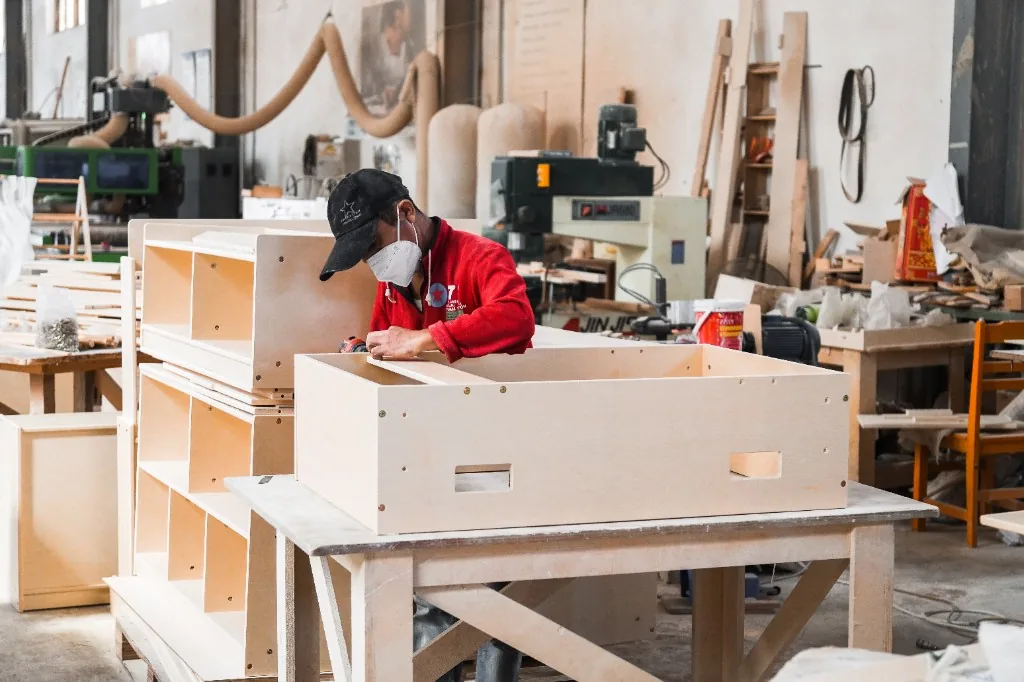
West Shore has manufactured in Dalian, China since 2003 and supplies centres in 50+ countries. That is not a CPSC approval. Confirm current CPSC text. This page is planning language for a purchase order, not legal advice.
CPSC, CPSIA and ASTM F963 — Who Owns What
Name the agency, the statute and the standard as three different things on the PO. A factory that answers “yes, ASTM” to all three is not answering. West Shore will write the 16 CFR part or it will write that the line is out of that part’s scope.
| ชื่อ | What it actually is | On a daycare PO |
|---|---|---|
| ซีพีเอสซี | The federal agency. It writes and enforces rules. It does not logo your catalogue. | Do not write “CPSC certified.” Write the 16 CFR part. |
| CPSIA | The 2008 law: lead, phthalates, tracking labels, third-party testing and CPC for children’s products. | Ask which SKUs are children’s products and what the CPC will cite. |
| ASTM F963 | Toy standard, made mandatory by CPSIA §106, now 16 CFR part 1250. Current accepted version is ASTM F963-23 for toys manufactured after 20 April 2024. | Cite it for toys and toy counterparts — not for a birch table because it is in a classroom. |
GREENGUARD Gold, CARB/TSCA formaldehyde and a brand name are not CPSC rules. Claim them only where a specific SKU can be documented. Mixing them into “ASTM furniture” is how RFQs become unanswerable.
Map the SKU Before You Ask for a Stamp
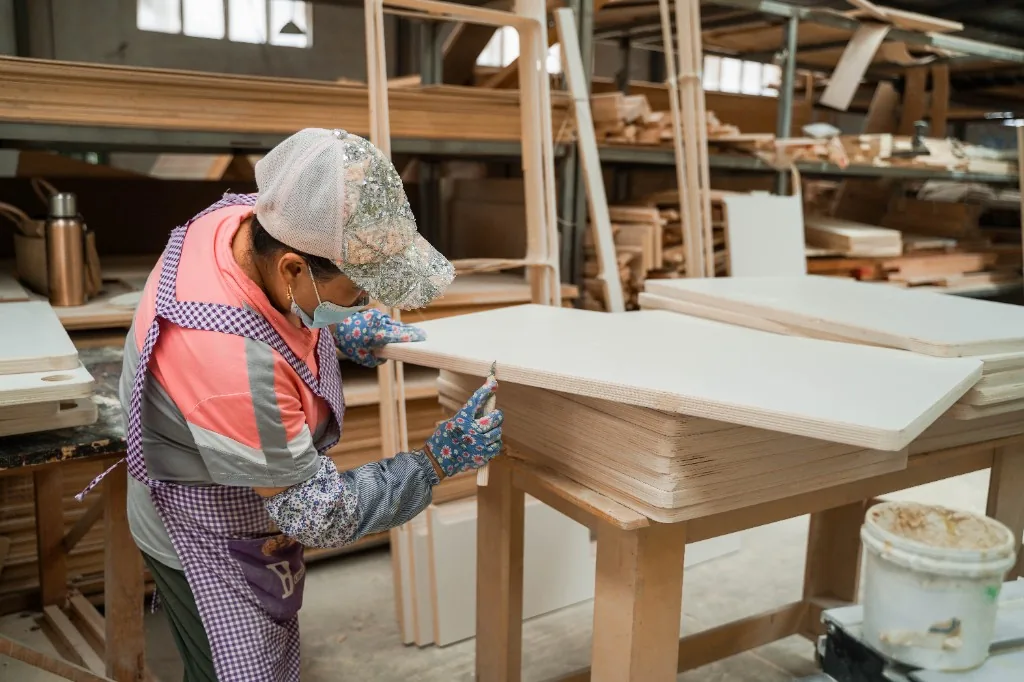
A classroom package is several product families. West Shore will not file one PDF as the room. Walk the list: tables, chairs, cubbies, sleep, toys. Then ask which rule each line actually cites.
| Line | Usual federal hook | Usual miss |
|---|---|---|
| Tables and chairs (fixed, not folding infant products) | Children’s-product analysis; 16 CFR 1303 if painted; CPC if a children’s-product rule applies | Demanding ASTM F963 because children sit there |
| Children’s folding chairs / stools | 16 CFR part 1232 (ASTM F2613 as incorporated) — a durable infant/toddler product rule | Treating them as the same PO line as a fixed birch chair |
| Open cubbies / classroom shelves | Usually not STURDY. Still: stability, anchors, 1303 if coated | Calling every locker a dresser so you can skip a site measure |
| Dresser-like clothing storage (in-scope CSU) | 16 CFR part 1261 / ASTM F2057 for units manufactured after 1 September 2023 | Ignoring the 27 in / 30 lb / 3.2 ft³ tests, or applying them to a bookcase |
| Full-size cribs, toddler beds, play yards | Their own 16 CFR durable-product parts — not a classroom-table report | Buying sleep as “furniture.” Start with the cribs buying guide |
| Toys, loose parts, play furniture that is a toy counterpart | ASTM F963 / 16 CFR 1250, plus CPSIA chemicals | Filing the cubby report as the toy report |
Children’s product, or general use?
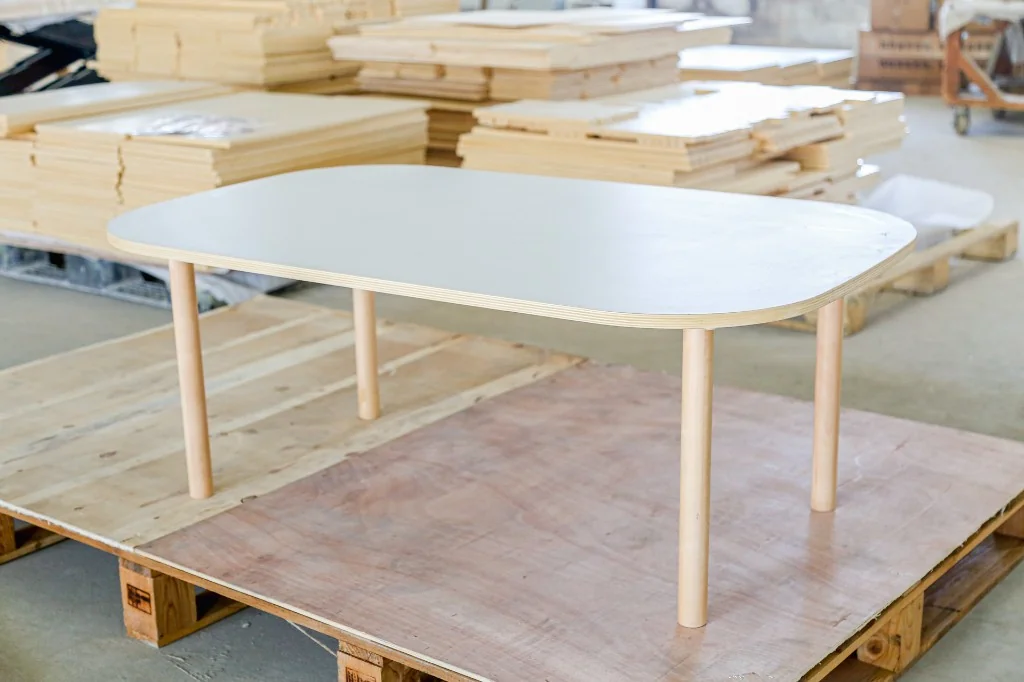
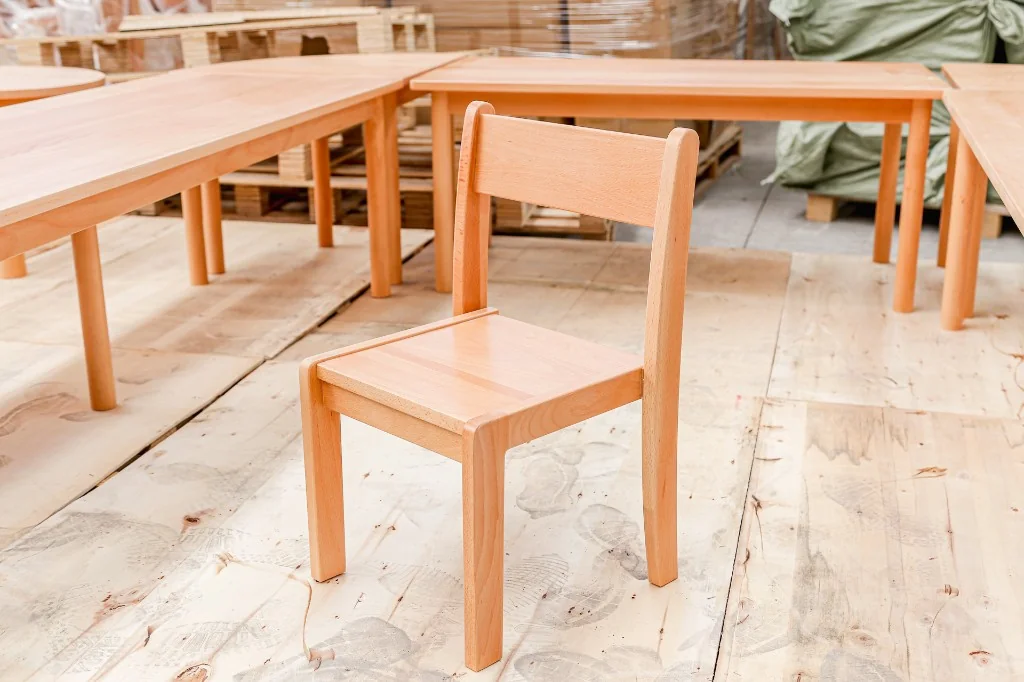
CPSC asks whether the product is designed or intended primarily for children 12 and under: stated use, marketing, and how consumers see it. A child-height birch chair sold to daycares is usually in that conversation. A staff desk is not. If it is a children’s product and a CPSC rule applies, you need a CPC based on required testing — not a factory letterhead.
Lead in paint is not optional colour
16 CFR 1303 bans paint and similar coatings with 0.009% (90 ppm) or more lead on furniture articles, including children’s furniture. CPSIA separately limits total lead in accessible children’s-product substrates (100 ppm). Write finish codes. A second “warmer” paint after freeze is a new coating, not a vibe. West Shore will not treat a colour change as a small email once the coating file is already discussed.
Cubbies are usually not STURDY dressers
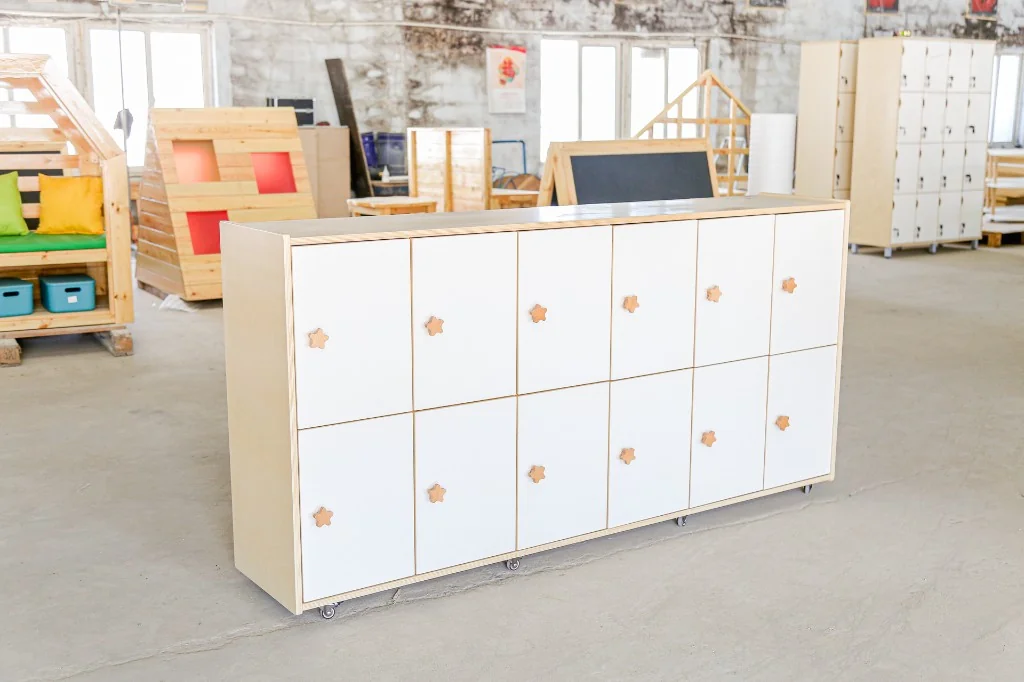
Open preschool cubbies with flower knobs look like storage. They are still classroom furniture, not clothing storage units, unless the piece meets the CSU definition (free-standing, designed to store clothing, and the height / weight / volume tests in 16 CFR 1261). Do not skip a wall measure because someone filed the cubby as a dresser. Do not skip anchors because someone filed the cubby as a bookcase.
Tracking labels
Children’s products need permanent tracking marks (manufacturer, location and date, batch or equivalent) on the product and, where practicable, the packaging. Tracking labels are not themselves a certifiable safety rule on the CPC. They still have to exist. Carton marks that only say “custom cubby” fail both install and recall.
Need the U.S. documentation split on one room list?
Send the floor plan, room ages and which lines are furniture, sleep or toys. West Shore marks stock, leftover millimetres, and which documents to discuss before freeze.
Get the documentation splitWhat to Put on the Purchase Order
- SKU, millimetres, finish code — not “assorted classroom furniture.”
- Whether the line is furniture, a durable infant product, a toy, or sleep.
- The 16 CFR parts you expect cited on the CPC or GCC — or a written note that the line is out of that part’s scope.
- That the test report must match that SKU and the current accepted standard version.
- Tracking-label content: who made it, where, when, which batch.
- Freeze leftover custom millimetres before anyone cuts. That clock is on custom vs stock lead time.
Factory MOQ, 30–45 production days and QC holds live on order preschool furniture from China. This page only asks: did you name the rule before you named the boat?
What This Page Is Not
- Not a claim that CPSC approves West Shore or any other factory.
- Not how to authenticate a PDF. That is verify EN71 / ASTM certificates.
- Not the twelve checks. Those live on the buying guide.
- Not a U.S. catalogue. Packages live on daycare furniture USA และ product catalogues.
- Not legal advice. Confirm current CPSC, state licensing and your counsel.
คำถามที่พบบ่อย
Does daycare furniture need ASTM F963?
ASTM F963 is the mandatory U.S. toy standard (16 CFR part 1250). CPSC excludes ordinary furniture except toy counterparts. West Shore Furniture does not put a classroom table on an F963 line because a child sat at it. Play furniture that is a toy counterpart, and toys on the shelf, are a different PO line from a birch table.
Is West Shore or any brand CPSC certified?
CPSC does not certify furniture brands. Importers certify applicable products with a Children’s Product Certificate or a General Certificate of Conformity, based on required testing. A logo that says “CPSC certified” is marketing. West Shore will discuss which 16 CFR parts a named SKU actually cites — not a wall stamp.
What daycare furniture safety standards apply in the USA?
It depends on the SKU. Children’s products (primarily for age 12 and under) pick up CPSIA lead, tracking labels, and a CPC where a rule applies. Paint on furniture hits 16 CFR 1303. Qualifying clothing storage units hit the STURDY rule. Cribs, folding chairs and other durable infant products have their own 16 CFR parts. There is no one “daycare furniture ASTM.”
Do classroom cubbies have to meet the STURDY Act?
STURDY (16 CFR part 1261 / ASTM F2057) covers qualifying free-standing clothing storage units — typically dresser-like pieces, not bookcases. Open classroom cubbies are usually out of that scope. West Shore still specifies stability and anchors for tall storage. Licensing tours still ask about tip-over.
What should I ask a China factory for on a U.S. daycare PO?
Which SKUs are children’s products, which 16 CFR parts you will cite, whether a CPC or GCC will issue, tracking-label content, and the test report that matches that SKU — not a PDF for a different chair. How to read that PDF is a separate page. West Shore will not freeze leftover millimetres on a blurred certificate.
Does CPSIA replace state daycare licensing?
No. CPSIA is federal product law. State licensing, fire and insurer rules still apply to the room. A CPC does not pass a licensing tour. A licensing tour does not replace a CPC. Write both on the opening checklist: product papers and the floor the teacher can see.
Share the floor plan, ages and which lines are furniture, sleep or toys. West Shore returns a layout with SKUs marked and the documentation to discuss before freeze — not a generic “ASTM furniture” stamp.
Not ready to send a floor plan? browse the product catalogues.
Planning guidance for operators and procurement teams. Confirm current customs, tax, licensing and furniture safety rules in your jurisdiction. West Shore manufactures in Dalian and has supplied 5,000+ institutions; it does not replace your broker, your assessor, your licensed consultant or a CPSC/Health Canada/MoE determination.