Gross Motor Skills in Preschool
The word “gross” means large, while “motor” refers to movement. In preschool, gross motor skills describe how children use the large muscles in their torso, shoulders, arms, hips, and legs to control whole-body movement. Muscles create force, bones and joints support the body, and the nervous system coordinates each action. Together, these systems help children maintain posture, keep their balance, judge space, change direction, and complete movements in the correct order.
In preschool, these skills can be seen in how children move through the room, use play equipment, and join group activities. For example, during an obstacle course, a child needs to follow the route, control their speed, move around others, wait for enough space, and complete each step safely. The same abilities support classroom transitions, outdoor play, self-care routines, and group participation. Regular gross motor practice helps children move more safely, participate more confidently, and become increasingly independent throughout the preschool day.
You need to give children regular opportunities to practise different types of movement at an appropriate level of difficulty. The following sections explain how to provide that support in a preschool setting.
What are the developmental milestones for children’s gross motor skills?
Developmental milestones help track the progression of gross motor skills over time. These checkpoints reflect how children typically gain strength, balance, and body control at each age. While each child grows at their own pace, these general patterns are useful for parents and caregivers to observe physical readiness and potential delays.
The timeline below outlines typical gross motor milestones from infancy through age six, showing how children move from basic control to full-body coordination.
| Age range | Activities (typical milestones) |
|---|---|
| 0 to 3 months |
|
| 3 to 6 months |
|
| 6 to 9 months |
|
| 9 to 12 months |
|
| 12 to 18 months |
|
| 18 to 24 months |
|
| 2 to 3 years |
|
| 3 to 4 years |
|
| 4 to 5 years |
|
| 5 to 6 years |
|
| 6 years |
|
This milestone chart serves as a practical guide illustrating typical gross motor development across various age groups. It helps you understand a child’s developmental progress, support healthy movement patterns, and identify when early assessment may be needed.
How to Support the Active Development of Gross Motor Skills
Different activities place different demands on the large muscles in the torso, arms, and legs. When choosing equipment, include options that support each area while also developing balance, coordination, and whole-body control.
| Primary Muscle Focus | Skills Supported | Classic Equipment | How Children Use It |
|---|---|---|---|
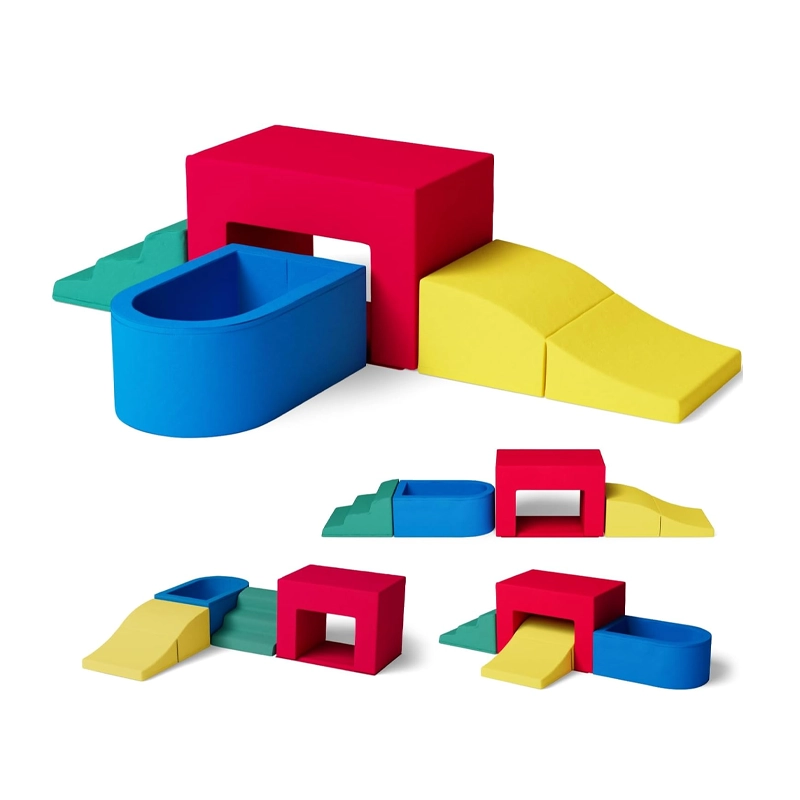
| Torso and Core | Posture, core stability, balance, weight shifting, and body control | Soft climbers, crawling tunnels, balance beams, and stepping stones | Children crawl, bend, turn, move between different heights, and keep their bodies stable while following a route. |
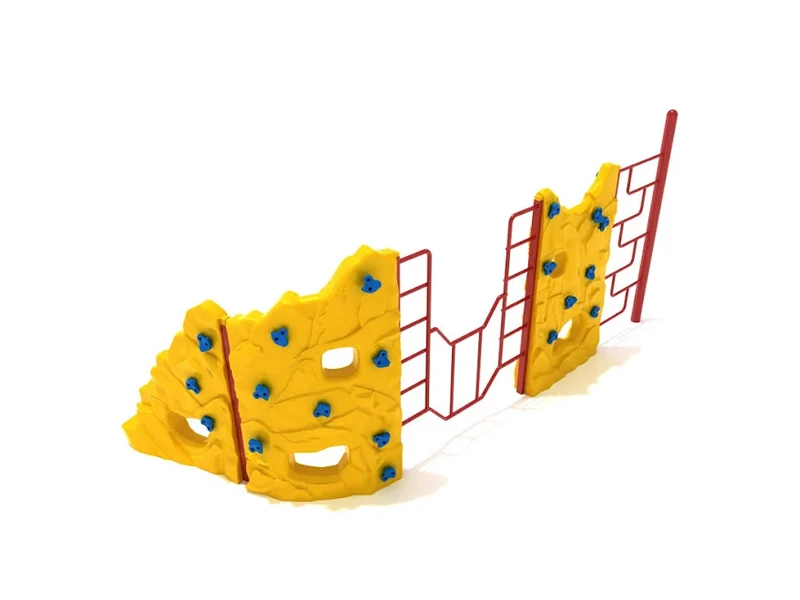
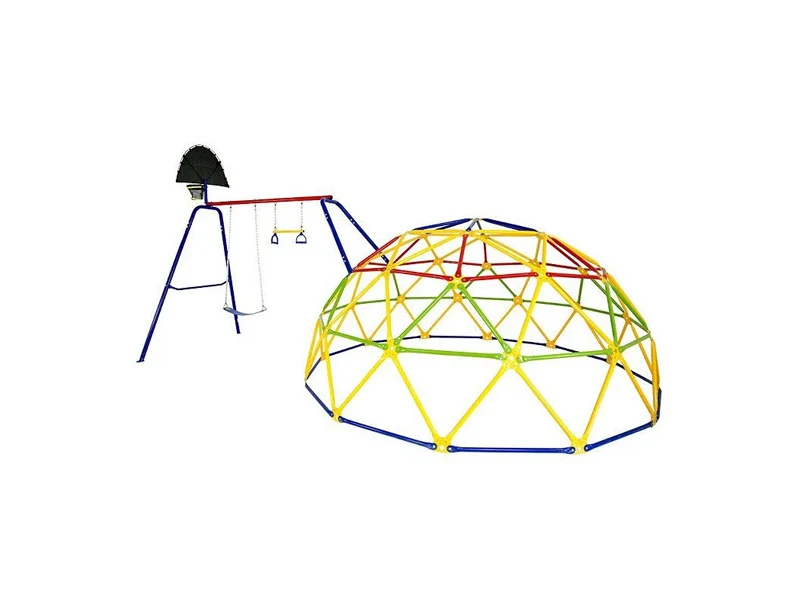
| Arms and Shoulders | Upper-body strength, reaching, pulling, throwing, and hand-eye coordination | Climbing frames, Pikler triangles, monkey bars, soft balls, and beanbags | Children support or pull their body weight, reach for holds, and control their arms when throwing or catching. |
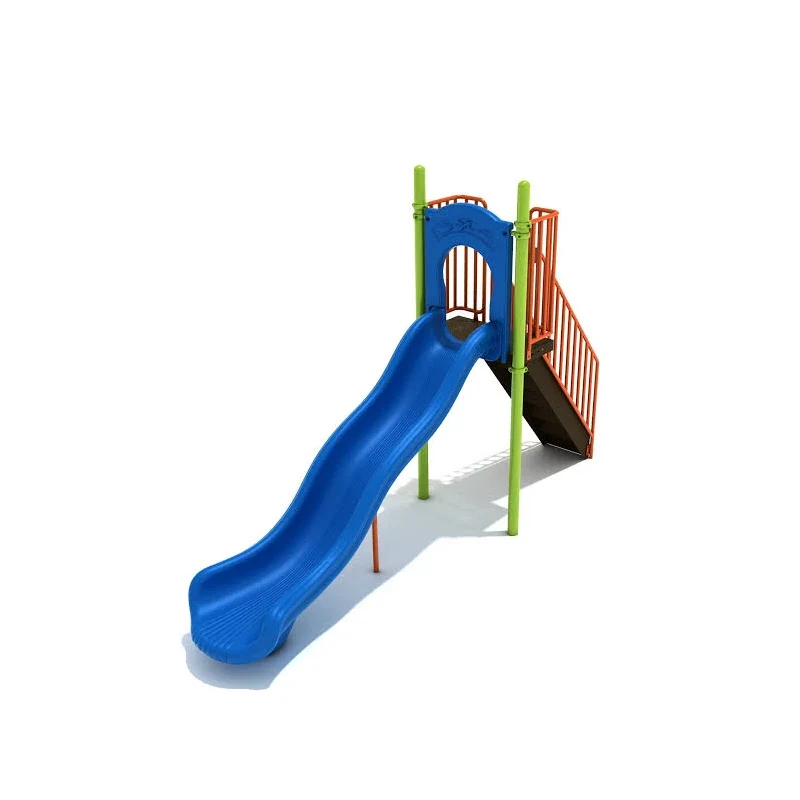
| Hips and Legs | Standing balance, stepping, running, jumping, pedaling, and direction control | Preschool tricycles, balance bikes, low slides, obstacle-course pieces, and stepping paths | Children push through their legs, climb steps, pedal, change direction, and control takeoff and landing. |
| Whole Body | Motor planning, coordination, spatial awareness, speed control, and movement sequencing | Modular soft play sets, low climbers, playground structures, and obstacle courses | Children combine crawling, climbing, balancing, |
West Shore Furniture offers several product ranges that can support active movement in preschool environments:
- Soft Play Equipment: Soft climbers, tunnels, mats, and modular play pieces
- Preschool Tricycles and Ride-On Toys: Equipment for pedaling, steering, balance, and leg strength
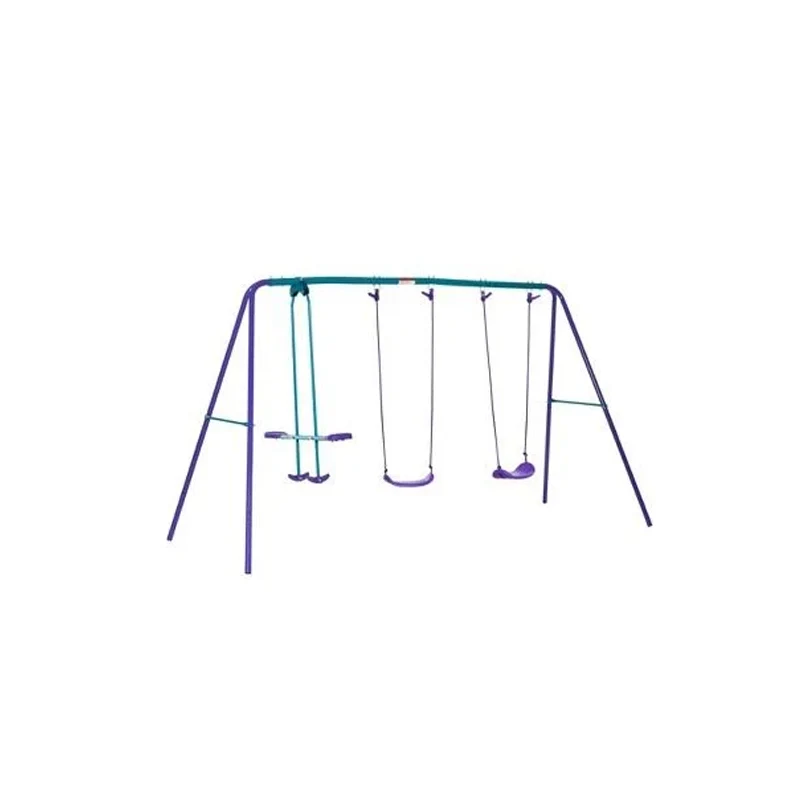
- Freestanding Playground Equipment: Slides, climbers, swings, and balance equipment
- Outdoor Active Play Equipment: Equipment for running, jumping, climbing, and group movement activities
What Is Gross Motor Delay?
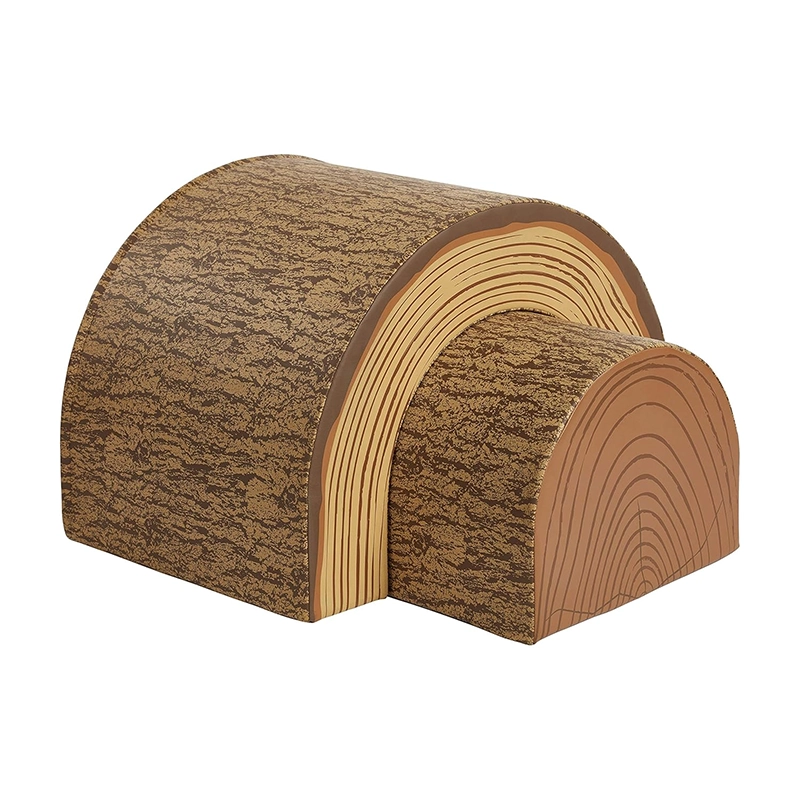
A developmental delay happens when a child does not reach physical milestones within the expected time frame. When this delay involves large body movements, it is called a gross motor delay. Children with this delay may take longer than peers to sit without support, crawl, walk, or climb stairs. While some variation is normal, a consistent gap in gross motor development may signal a need for further evaluation.
Causes of Gross Motor Delay
There are many possible reasons for a delay in gross motor skills. Some children simply develop at a slower rate, while others may be affected by:
- Premature birth, which can impact early muscle tone and strength
- Neurological or genetic conditions such as cerebral palsy or Down syndrome
- Muscle weakness or low muscle tone that limits control over movement
- Sensory processing issues or poor balance
- Environmental factors like lack of space or opportunity to practice movement
- Medical conditions, such as vision or orthopedic problems, that make physical activity harder
Symptoms and Signs
Signs of a gross motor delay vary by age. Common symptoms include:
- Trouble holding the head up steadily after 3 months
- Not sitting without support for 9 months
- Not crawling or moving toward objects by 12 months
- Difficulty walking independently by 18 months
- Poor balance, frequent falls, or limited interest in active play
- Avoiding stairs, climbing, or running compared to peers
When these challenges persist and interfere with everyday activities like playing, self-care, or preschool participation, it may be time to consult a pediatrician or therapist. Early support can make a significant difference in helping a child build strength and confidence.
How to Support Children with Gross Motor Delays
When you notice that a child is having persistent difficulty with balance, coordination, climbing, running, or other large movements, the first step is to record what you observe and provide suitable support. Gross motor development can be strengthened through professional guidance, regular movement practice, and an environment that allows the child to participate safely and confidently.
Seek professional guidance
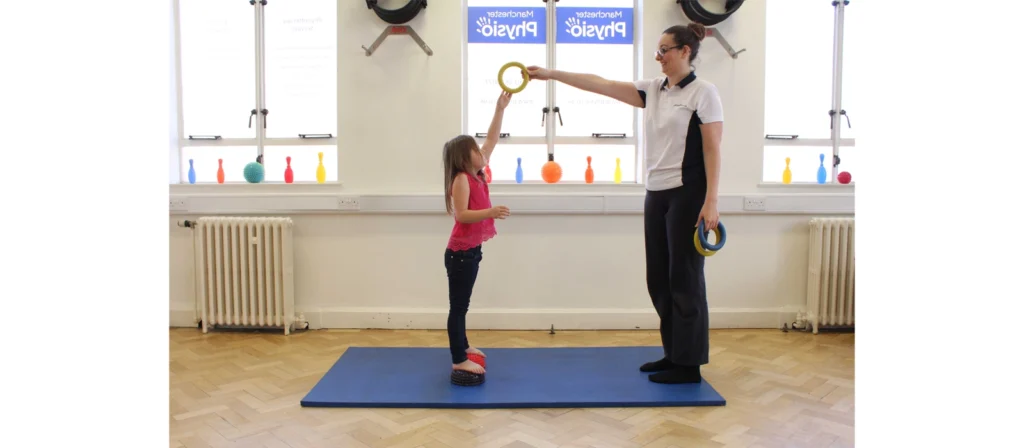
If you are concerned about your child’s gross motor development, start by speaking with your pediatrician. A doctor can assess overall progress, rule out underlying issues and help decide if a referral is needed. Many children with gross motor delays benefit from working with a pediatric physical therapist, who can design fun, movement-based activities to build strength, coordination and balance.
If your child is already in preschool or kindergarten, ask the school about available supports. Some children may qualify for services through early intervention programs, an Individualized Education Program (IEP) or a 504 plan. These programs help ensure your child receives structured support during the school day.
To better understand early intervention services and eligibility, visit the CDC’s developmental monitoring and screening guide for parents.

Use active play and movement at home
Just like professional therapy, movement at home plays a key role in building gross motor skills. The focus should be on play, not pressure. Climbing at the playground, running in the yard, and jumping over soft cushions can help develop strength and balance. Even everyday routines offer chances to practice, such as walking up stairs, helping carry groceries, or pulling a wagon.
Other fun ideas include building an obstacle course with pillows, crawling under tables, tossing and catching soft balls, or playing movement games like animal walks and freeze dance. These activities help children gain control over their bodies in a low-stress, enjoyable way.

Create a safe and supportive environment
A child’s environment matters just as much as the exercises they do. Encouragement, patience, and praise go a long way. Focus on small improvements rather than perfection, and give your child plenty of chances to try again. Most children benefit from short, frequent practice sessions built into daily routines.
Limit screen time to make more space for hands-on, whole-body play. Make sure areas used for movement are safe, free from clutter, and age-appropriate. Always supervise activities that involve climbing, running, or balance to prevent injuries. With the right mix of structure, freedom, and positivity, children with gross motor delays can thrive physically and emotionally.
Conclusion
Gross motor skills support how children move, participate, and become more independent throughout the preschool day. You can support this development through regular movement opportunities, suitable challenges, and a safe environment. West Shore Furniture can help you select age-appropriate active play equipment and plan a practical layout that fits your space and daily routine.
Frequently Asked Questions (FAQs)
How much gross motor activity should preschoolers have each day?
Preschoolers should be active throughout the day. Aim for about three hours of total physical activity across the full day, including at least 60 minutes of energetic movement for children aged three to four. Spread these opportunities across daily routines instead of placing them in one long session.
How much space does an indoor gross motor area need?
There is no single size that works for every preschool. The area should fit the number of children, planned activities, equipment footprint, and required safety clearance. Keep movement routes separate from doors and quiet areas, maintain clear teacher sightlines, and follow local licensing rules and the equipment manufacturer’s spacing requirements.
How can teachers reduce unsafe running and climbing indoors?
Start by reviewing the environment rather than relying only on repeated reminders. Break up long, open pathways, move climbable storage away from active routes, and provide a clearly defined area where children are allowed to move and climb. Position staff so they can see, anticipate, and redirect unsafe behavior early.
How can gross motor activities be adapted for different abilities?
Keep the activity goal but adjust the challenge. Lower the climbing height, widen the balance surface, shorten the route, use larger or lighter equipment, or provide additional adult support. Offering simple and advanced versions of the same activity allows more children to participate successfully.