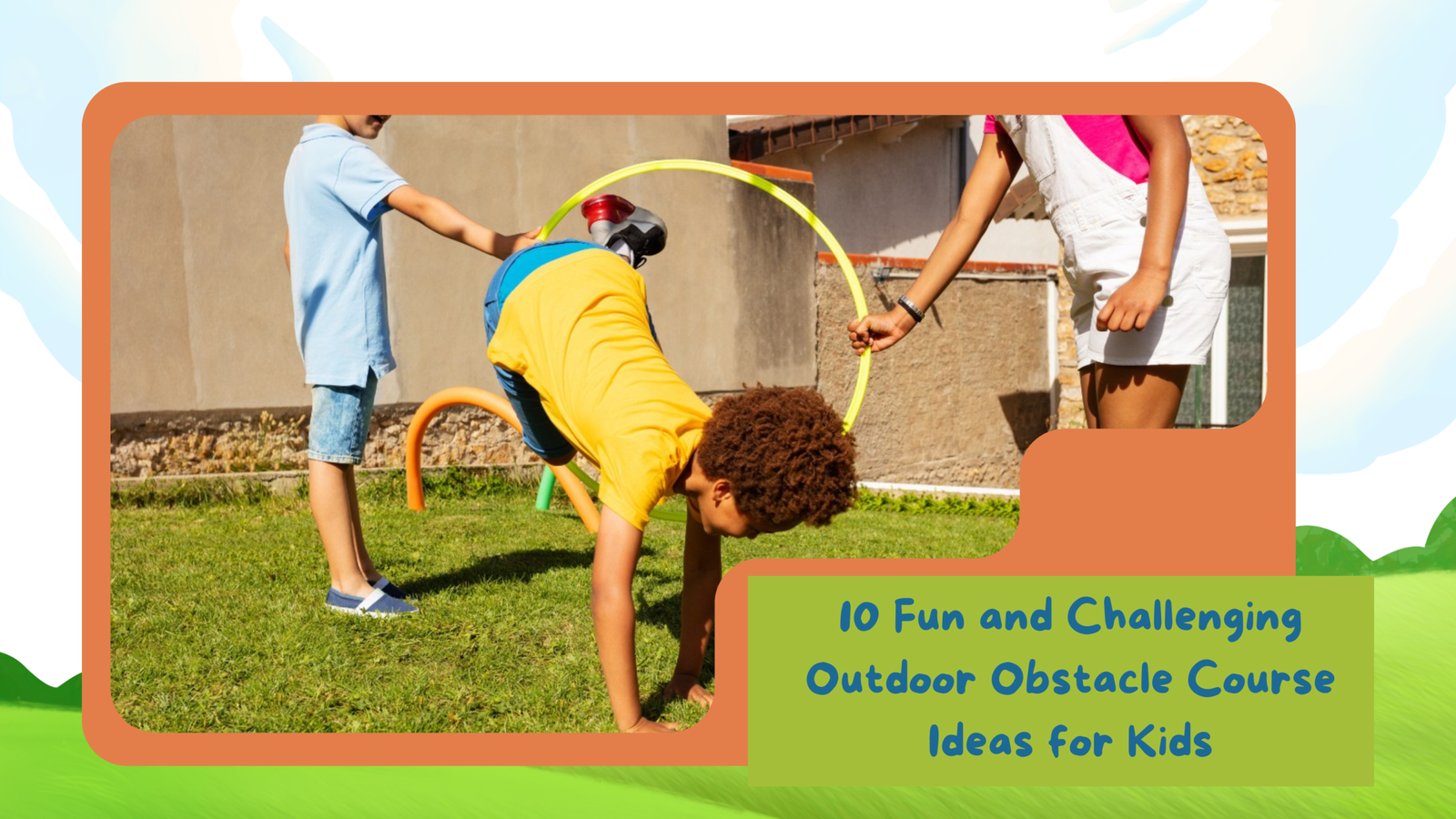
Obstacle courses are a fun and engaging way to keep kids active and healthy. These dynamic activities help children develop motor skills, coordination, and strength while having a blast outdoors. Whether they’re climbing, jumping, or crawling, kids naturally gravitate toward these physical movements, making obstacle courses an ideal way to get them moving and learning.
Beyond physical development, obstacle courses teach kids important life skills like resilience and perseverance. As children navigate challenges and complete each task, they gain confidence in their abilities and learn the value of persistence.
The great thing about obstacle courses is their flexibility. They can be set up with minimal preparation, using everyday items you already have at home. Whether you’re creating a simple backyard course or a more elaborate setup, the options are endless.
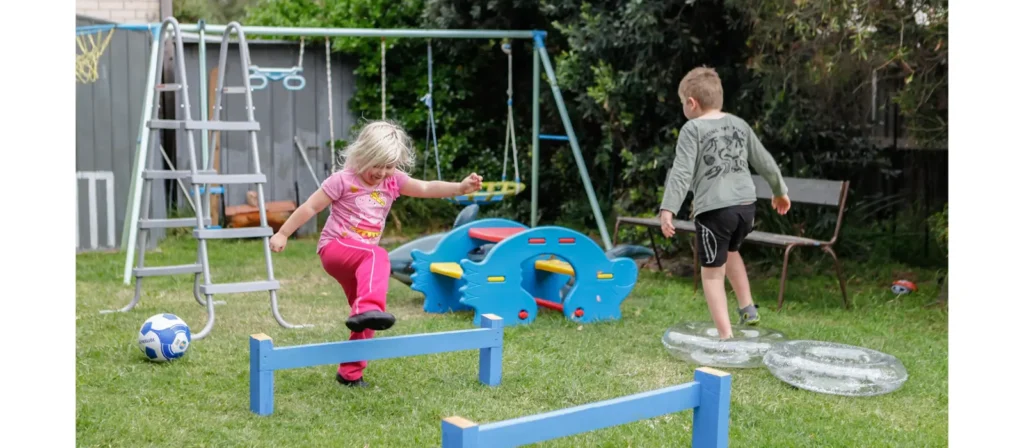
The Benefits of Obstacle Courses for Children’s Development
Obstacle courses are not just about physical activity; they offer numerous developmental benefits that contribute to a child’s overall growth. These courses help children improve not only their physical skills but also cognitive, emotional, and social abilities.
- Développement physique: As children navigate an obstacle course, they practice essential skills like coordination, balance, and agility. Climbing, crawling, and jumping challenge their motricité and help build strength and flexibility. Regular physical challenges also contribute to better posture and body awareness.
- Cognitive Growth: Obstacle courses often require kids to think strategically, solve problems, and plan their movements ahead. These activities stimulate cognitive development by promoting critical thinking and decision-making. They also encourage children to adapt to obstacles and think creatively to overcome them.
- Emotional and Social Benefits: Obstacle courses build confidence by allowing children to face and conquer challenges. Successfully completing a course can foster a sense of pride and boost self-esteem. Additionally, when done in groups, obstacle courses promote teamwork, communication, and collaboration, helping kids develop important social skills.
- Resilience and Perseverance: Failure is a natural part of obstacle courses, but it’s how children respond to failure that matters. These activities teach resilience, helping kids understand that it’s okay to stumble or fall as long as they keep trying. This lesson in perseverance is valuable for overcoming challenges in all areas of life.
Creative Outdoor Obstacle Course Ideas for Kids
Designing an obstacle course for preschoolers requires keeping things simple, fun, and safe while promoting physical activity. These activities will help young children improve their basic motor skills, coordination, and balance. Below are 10 detailed obstacle course ideas that are perfect for preschool-aged kids.
1. Hula Hoop Jumping
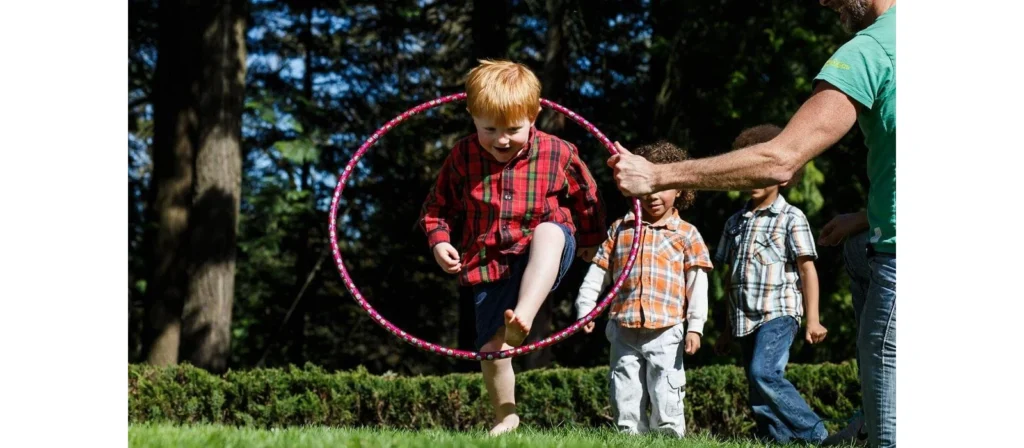
Materials Needed: Hula hoops
Setup:
Lay several hula hoops flat on the ground, spaced about 12-20 inches apart. Kids will need to jump through each hoop without stepping inside.
Challenge:
This activity helps improve balance and coordination. To increase the difficulty, you can adjust the spacing between the hoops or encourage kids to jump with one foot or alternate feet.
How to Play:
- Set a starting point and finish line.
- Kids will jump through each hoop in sequence, trying not to touch the inside of the hoop.
- You can time the kids to see who can complete the course the fastest or have them repeat the course to improve their jumping technique.
Age Range: 3-5 years
2. Crawl Under the Table
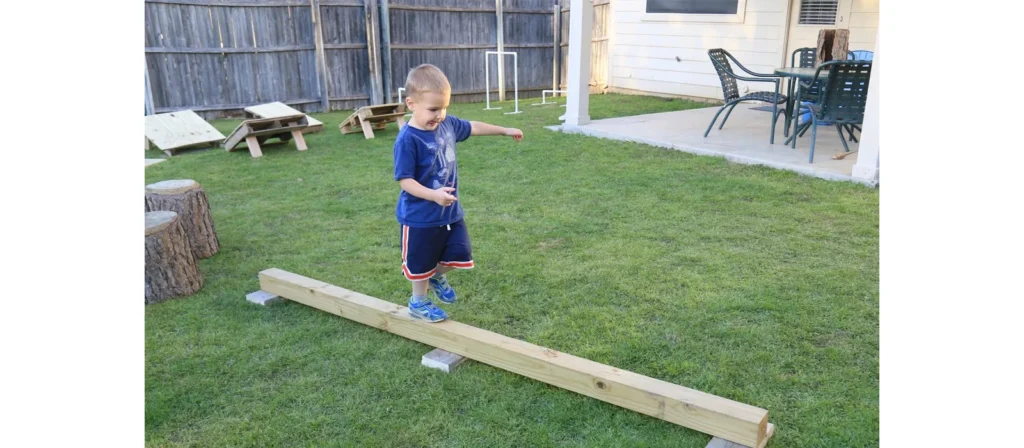
Materials Needed: Tables or chairs
Setup:
Place a few tables or set up chairs at a low height (about 12-18 inches off the ground). Children will need to crawl under them to complete the obstacle.
Challenge:
This activity strengthens core muscles and improves flexibility and coordination. You can adjust the height of the tables to make the crawling challenge easier or harder.
How to Play:
- Set up the tables or chairs in a line.
- Kids will start from one end and crawl under the tables or chairs, trying not to bump into the furniture.
- You can add more tables or create a path that winds in and out of the obstacles for added difficulty.
Age Range: 2-4 years
3. Balloon Toss
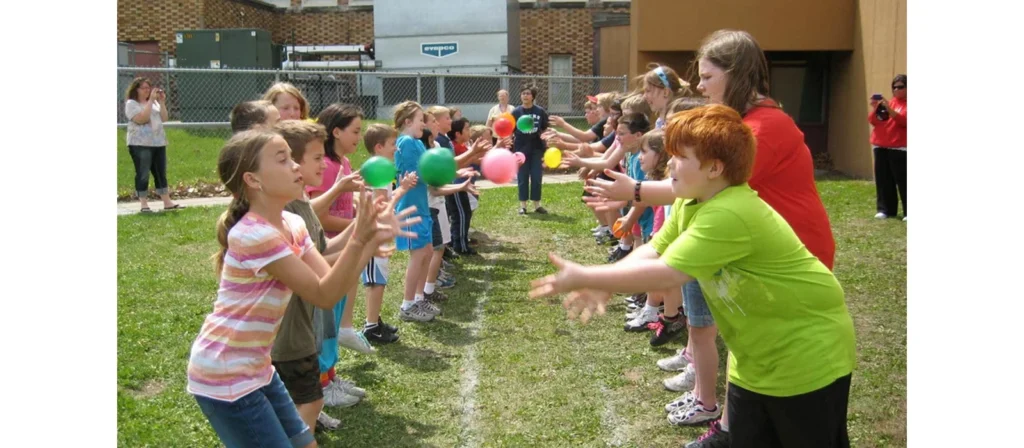
Materials Needed: Balloons
Setup:
In pairs or small groups, kids will toss a balloon back and forth without letting it touch the ground. You can set up small target areas or obstacles for extra fun.
Challenge:
This game promotes hand-eye coordination and helps develop quick reflexes. Children can be encouraged to catch the balloon using just one hand or to bounce the balloon in a particular way.
How to Play:
- Children stand a few feet apart and toss the balloon back and forth.
- They must keep the balloon in the air and try not to let it drop.
- Add challenges like moving while tossing or bouncing the balloon through a hoop.
Age Range: 3-5 years
4. Soft Ball Toss into Bucket
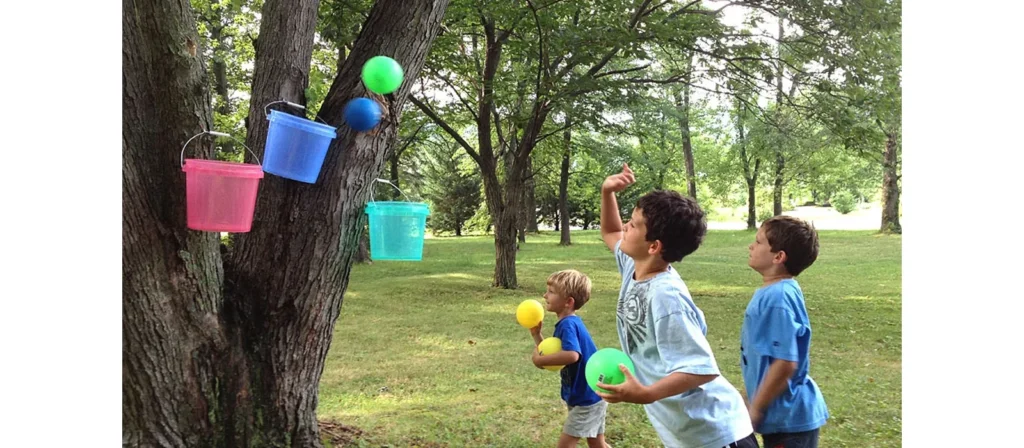
Materials Needed: Soft balls, buckets or large bowls
Setup:
Place a bucket or large bowl a few feet away from the children. Kids need to throw soft balls into the bucket from a set distance.
Challenge:
This activity helps with throwing accuracy and hand-eye coordination. You can adjust the distance or size of the bucket to increase or decrease difficulty.
How to Play:
- Set up the bucket in front of the kids.
- Kids will take turns tossing the soft balls into the bucket.
- You can time them or have a competition to see who can make the most successful tosses in a row.
Age Range: 3-5 years
5. Zig-Zag Path
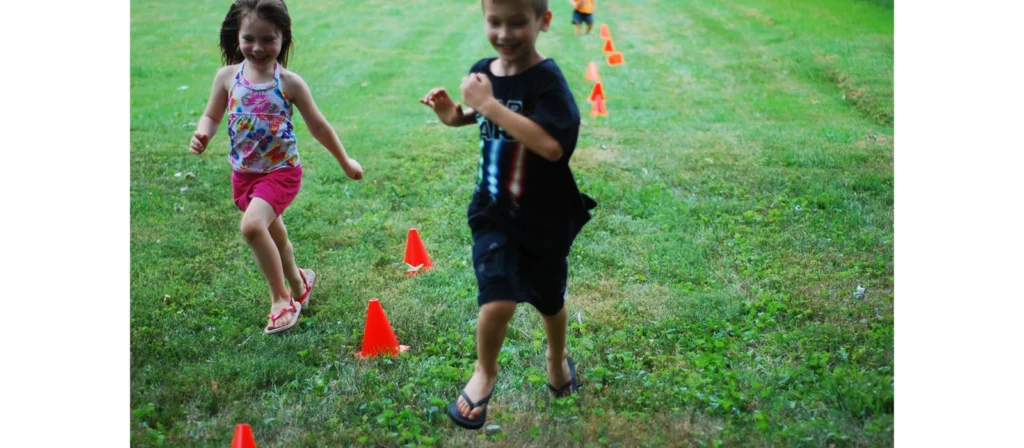
Materials Needed: Cones, flags, or tape
Setup:
Mark a zig-zag path on the ground using cones, flags, or tape. Children will walk or run along the path, making sharp turns as they go.
Challenge:
This activity enhances balance, agility, and coordination. You can vary the difficulty by widening or narrowing the turns.
How to Play:
- Set up the zig-zag path with the markers.
- Kids will walk or run along the path, following the turns without stepping off the designated path.
- You can race them against time or see who can complete the course without missing a turn.
Age Range: 3-4 years
6. Tunnel Crawl
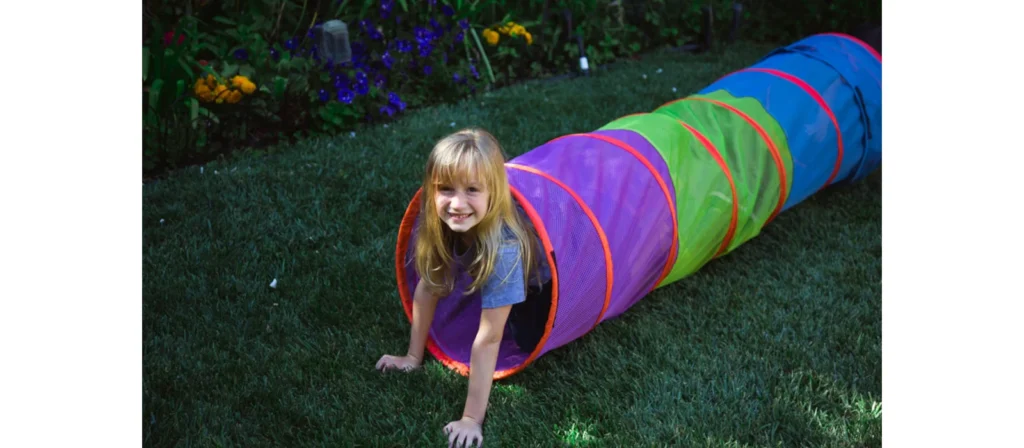
Materials Needed: Play tunnel or large cardboard boxes
Setup:
Use a play tunnel or connect several large cardboard boxes to create a tunnel. Children need to crawl through the tunnel to reach the other side.
Challenge:
This activity helps strengthen core muscles and promotes spatial awareness. You can add more tunnels to increase the course’s length and challenge.
How to Play:
- Set up the tunnel or boxes in a straight line.
- Kids will crawl through the tunnel from one end to the other.
- You can add more tunnels or change their direction to make the course more complex.
Age Range: 2-4 years
7. Beanbag Balance
Materials Needed: Beanbags (or small soft objects)
Setup:
Place a beanbag on each child’s head. They must walk from the starting point to the finish line without letting the beanbag fall off.
Challenge:
This activity helps develop balance and concentration. You can increase the difficulty by setting up obstacles or narrowing the walking path.
How to Play:
- Kids will balance a beanbag on their head while walking along a straight line.
- If the beanbag falls, they must pick it up and start again.
- You can add more challenges by making them walk faster or around obstacles.
Age Range: 3-5 years
8. Stepping Stones
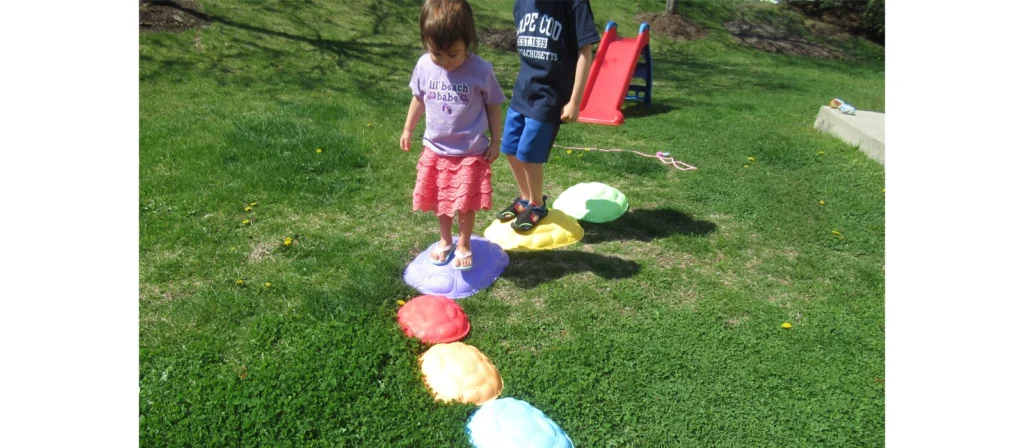
Materials Needed: Small mats, paper plates, or stones
Setup:
Place a series of mats, paper plates, or stones along the ground, spacing them out about a foot apart. Kids must step on each “stone” without touching the ground.
Challenge:
This activity improves jumping skills, balance, and coordination. You can make it more difficult by increasing the spacing between the stones.
How to Play:
- Set up the stepping stones in a path.
- Kids will hop from stone to stone, trying not to step on the ground.
- To increase difficulty, widen the gaps between stones or time the kids.
Age Range: 3-5 years
9. Jump Over the Noodle
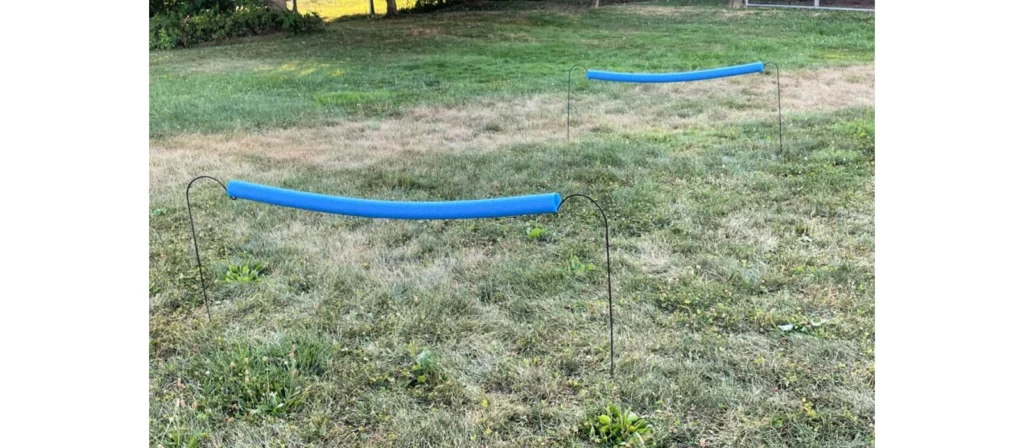
Materials Needed: Pool noodles (or soft plastic tubes)
Setup:
Place several pool noodles on the ground or balance them on low objects like chairs. Kids will need to jump over the noodles without touching them.
Challenge:
This activity helps with jumping, leg strength, and coordination. You can adjust the height of the noodles or add more noodles to make the course more challenging.
How to Play:
- Set up the pool noodles parallel to each other.
- Kids will jump over the noodles, one by one, without touching them.
- You can increase the number of noodles or challenge the kids to jump higher.
Age Range: 3-5 years
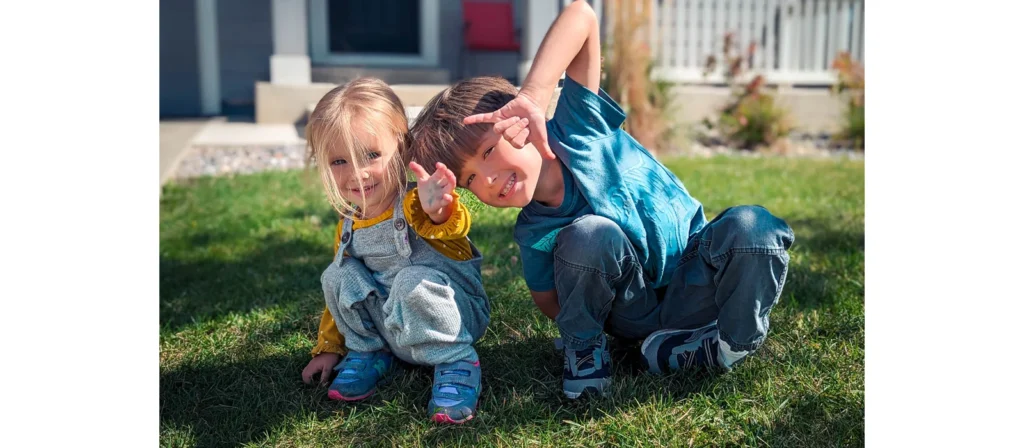
10. Pretend Animal Walks
Materials Needed: None required
Setup:
Have kids pretend to walk like different animals (e.g., hopping like a frog, waddling like a duck, crawling like a bear, etc.).
Challenge:
This activity promotes flexibility, balance, and muscle strength. It’s also a fun way to engage kids in imaginative play.
How to Play:
- Call out an animal, and have kids mimic how that animal would move.
- For added fun, create a mini “obstacle” by having them crawl under tables or jump over objects while pretending to be the animal.
- You can encourage them to move faster or combine different animals for variety.
Age Range: 2-4 years
These obstacle course ideas are simple and fun, perfect for preschool-aged children. They not only keep kids physically active but also help them develop essential skills like coordination, balance, and teamwork. You can adjust each activity based on the space you have and the abilities of the children involved. Let me know if you’d like more ideas or adjustments to any of these activities!
Tips for Designing Fun and Challenging Obstacle Courses
When designing an obstacle course for kids, it’s important to balance fun with challenge. You want to create an experience that is exciting, but also allows kids to develop their physical skills and build confidence. Here are some helpful tips to make sure your obstacle course is both fun and challenging:
- Incorporate a Variety of Obstacles
Mix up the types of obstacles to keep things interesting. Include activities that require different skills, such as jumping, balancing, crawling, and climbing. By offering a range of challenges, kids can work on multiple aspects of physical fitness at once, like strength, endurance, and coordination. - Adjust Difficulty Based on Age and Skill Level
An obstacle course should be adaptable to suit the age and skill level of the participants. For younger kids, keep the obstacles low to the ground and less complex, such as crawling under tables or stepping over low hurdles. For older kids, you can add more complex elements, like higher balance beams, rope climbs, or tire jumps. - Create a Clear Starting and Finishing Point
Having a clear start and finish helps children understand the structure of the obstacle course. Mark these points with flags, cones, or tape so that kids know exactly where to begin and end. This adds a sense of accomplishment when they complete the course, motivating them to improve their time or performance. - Use Safe and Durable Materials
Safety is crucial when setting up an obstacle course. Make sure all obstacles are sturdy, and avoid using materials that could break easily or cause injury. If you’re using things like ropes or tires, check for any signs of wear and tear before the kids use them. - Encourage Friendly Competition
To add excitement, you can time the kids or set up a race format. This can motivate them to push their limits and try to improve their performance. For an added twist, consider creating different levels or variations of the course, so kids can compete in teams or individually at different skill levels.
Get the Right Equipment for Your Obstacle Course – Shop Now!
Creating the perfect obstacle course for your kids is easier than ever with the right equipment! From balance beams to tunnels, tires, and ropes, having the right tools can make all the difference in designing a fun and challenging course. Whether you’re looking for durable mats for safe landings or creative obstacles to keep the kids engaged, we have everything you need to get started.
Browse our selection of obstacle course gear here!
Make sure your course is safe, engaging, and ready for hours of fun. Click the link above to find the best products and start building your outdoor adventure today. With our high-quality equipment, your kids will be ready to take on any challenge with confidence!
Conclusion: Encouraging Physical Activity through Outdoor Obstacle Courses
Outdoor obstacle courses provide a fantastic way to encourage physical activity in kids while promoting important developmental skills. By incorporating a variety of fun, challenging, and age-appropriate obstacles, parents and caregivers can create an engaging outdoor experience that not only improves children’s physical fitness but also fosters creativity, problem-solving, and teamwork.
Remember, the key to a successful obstacle course is ensuring safety, adapting it to suit different age groups, and making sure the experience remains fun and rewarding. By setting up a course that is both challenging and enjoyable, you’re providing children with the opportunity to develop confidence, resilience, and essential life skills.
So, gather some materials, get creative, and set up a course that will have your kids excited to get outside and active. The benefits go far beyond just physical fitness. Outdoor obstacle courses encourage kids to think, work together, and, most importantly, have fun while staying active!