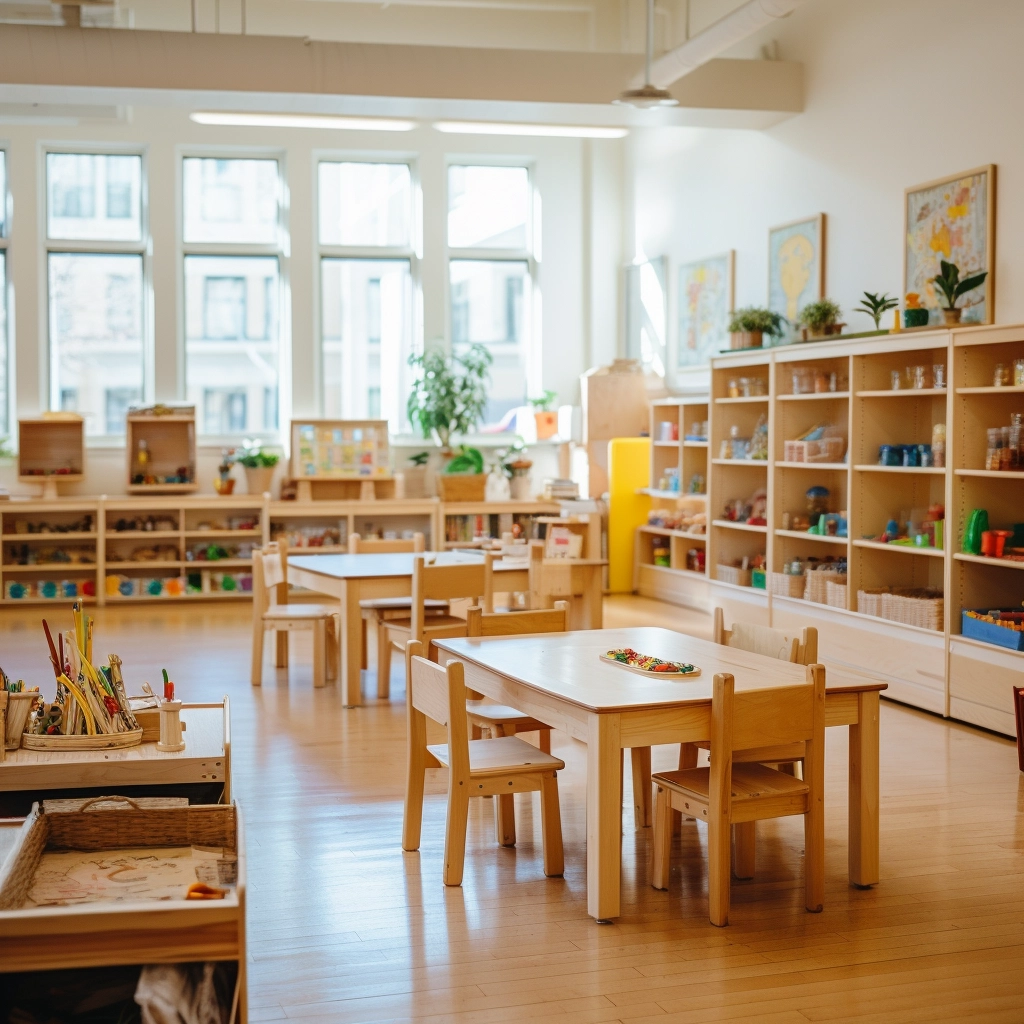
Birch plywood is widely used in modern furniture because it offers a dependable structure and a clean, natural look at a reasonable cost. Compared with many common sheet materials used in cabinets and interior fittings, Birch Plywood provides better dimensional stability and a more refined grain, which makes it suitable for wardrobes, kitchen cabinets, shelves, office furniture, and custom storage solutions.
What Is a Birch Plywood Sheet?
A birch plywood sheet is a high-grade engineered wood panel made from multiple thin layers of birch veneer, bonded together with strong adhesive and arranged with the grain of each layer crossing the next. This cross-laminated structure gives birch plywood excellent strength, dimensional stability, and a smooth, fine-grained surface that looks and feels more premium than many standard plywood options.
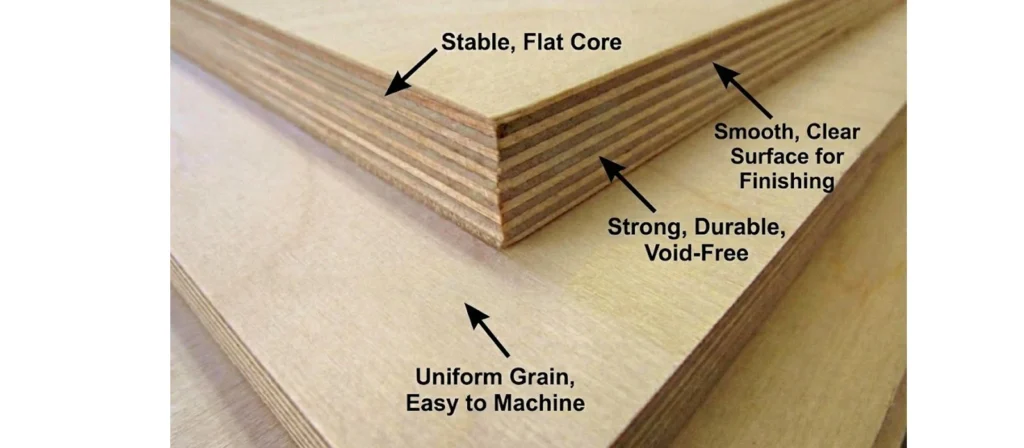
Because of its durability, refined appearance, and reliable performance, birch plywood is widely chosen for demanding interior applications such as kindergarten furniture, Montessori classroom shelving and learning materials, and modern home furniture for families. In these environments, designers and manufacturers value birch plywood for its combination of safety, stability, and high-quality finish.
Grades and Thickness Options
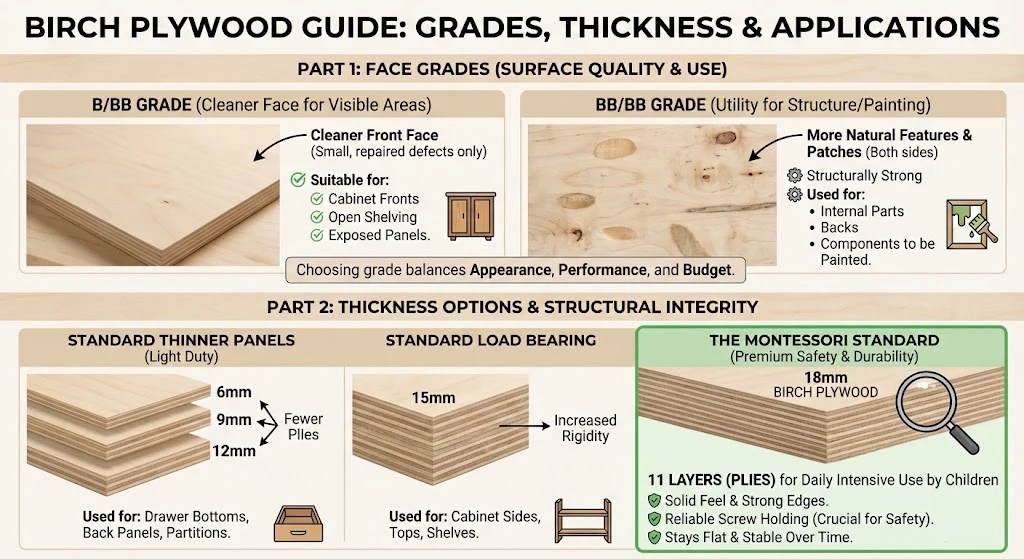
Birch plywood sheets are produced in different face grades so you can match the surface quality to the final use. Common options include B/BB et BB/BB. A B/BB panel has a cleaner front face with only small, carefully repaired defects, which makes it suitable for visible areas such as cabinet fronts, open shelving, or exposed side panels. A BB/BB panel allows more natural features and patches on both sides, but it remains structurally strong and is often used for internal parts, backs, or components that will be painted or are not directly in view. Choosing the right grade helps balance appearance, performance, and budget for each project.
Standard thicknesses for birch plywood typically include 6 mm, 9 mm, 12 mm, 15 mm, and 18 mm. Thinner panels are often used for drawer bottoms, back panels, and lightweight partitions, while 15–18 mm panels are preferred for load bearing furniture parts such as cabinet sides, tops, and shelves, where extra rigidity and durability are required. In high quality birch plywood, these thicknesses are built up from multiple cross laminated veneers, and the number of layers increases as the panel gets thicker. For example, thinner sheets usually have fewer plies, while thicker sheets contain more layers to keep the panel stable and strong.
Benefits of Using Birch Plywood for Furniture
1. High Strength and Long-Term Stability
Birch plywood is built from multiple cross-laminated birch veneers, which creates a dense and well-balanced core. This structure helps furniture resist bending, sagging, and twisting under everyday loads. Compared with many lower-grade sheet materials, quality birch plywood keeps its shape more reliably, which is important for items such as cabinets, shelves, and tables that are expected to stay flat and stable for many years.
2. Smooth, Refined and High-End Appearance
Birch plywood has a naturally light color and fine, even grain, which gives furniture a clean and high-end look. The surface sands very smooth and works well with a variety of finishing systems: clear coats to highlight the natural birch grain, light stains for warmer tones, or solid colors for minimalist interiors. On well-manufactured panels, the edges can also be left visible after proper sanding and finishing, becoming a simple, modern design feature instead of something that must be covered or hidden.
3. Reliable Screw Holding and Clean Joinery
Because the core of birch plywood is made from multiple layers of hardwood birch with very few voids, screws and fasteners can grip with almost all of their threads. This leads to strong hinges, drawer slides, and shelf supports that stay tight over time instead of working loose. The uniform core also allows clean dadoes, rabbets, grooves, dovetails, and other joints without unexpected gaps or weak spots. This predictable joinery performance is a major advantage in precise furniture construction and assembly.
4. Safe, Smooth Surfaces
One reason birch plywood is widely used in interior furniture is its naturally smooth and splinter-resistant surface. After proper sanding and finishing, birch plywood panels have no rough fibers or sharp edges, and they do not easily develop jagged areas or loose knots over time. This makes the material comfortable to touch and suitable for furniture that people come into contact with every day, such as tabletops, handrails, and seating surfaces.
5. Easy to Machine and Customize
Birch plywood is predictable and forgiving to work with using both standard woodworking tools and CNC equipment. Its consistent density means cutting, drilling, and routing produce clean edges with minimal tear-out, which is essential for precise joints and tight-fitting parts. High-quality birch plywood can also be used for more detailed work such as small components, cut-outs, or decorative panels, because the panel is dense and uniform through its thickness. This makes it a flexible material for both structural elements and finer design details.
6. Durable Faces with Thicker Veneers
Compared with many cabinet-grade plywoods that use very thin face veneers, birch plywood typically offers noticeably thicker outer layers. Thicker veneers are less likely to be sanded through during surface preparation and can better withstand day-to-day wear and cleaning. As a result, doors, tabletops, and visible side panels maintain their appearance longer, even in areas that are cleaned frequently or see regular contact. For manufacturers and installers, this also reduces the risk of damaging the face veneer during sanding and finishing.
7. Good Value Compared to Solid Wood
While birch plywood is usually more expensive than basic sheet materials, it remains more affordable than solid birch lumber for larger surfaces and complete furniture systems. At the same time, it delivers much of the look and performance that people expect from solid hardwood, including strength, a refined grain, and a reliable finish. For projects that require many cabinets, shelves, panels, or built-in units, birch plywood offers an attractive balance of quality and cost per square meter.
8. Environmentally Responsible Choice
Birch is a relatively fast-growing species and is often harvested from well-managed forests, which makes birch plywood a more sustainable option than many slow-growing hardwoods. The plywood manufacturing process also uses logs efficiently by peeling them into veneers, helping to maximize the yield from each tree. When combined with appropriate adhesive systems and responsible sourcing, birch plywood can meet modern expectations for environmental responsibility in furniture and interior design.
Kindergarten and Montessori Furniture Applications
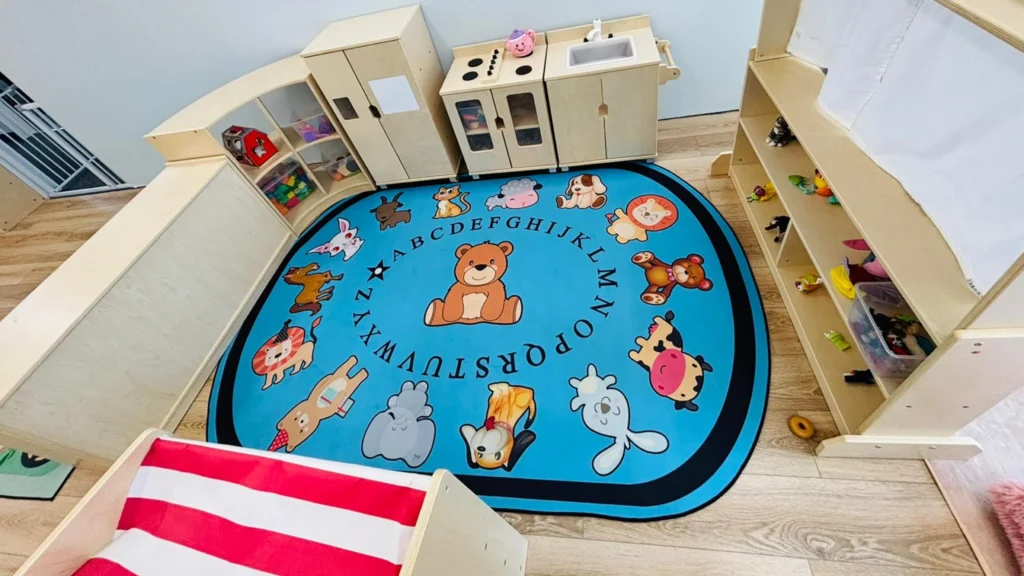
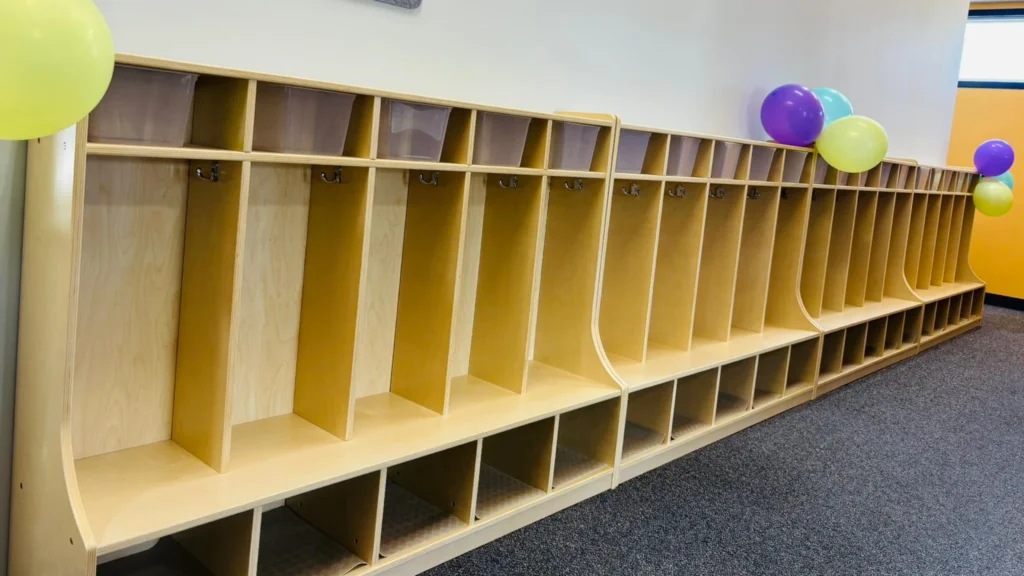
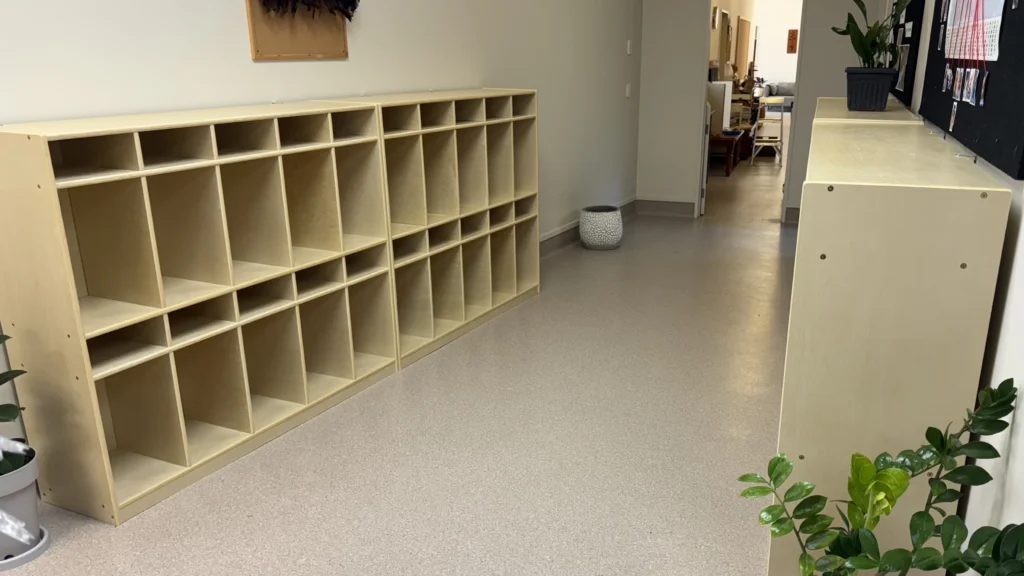
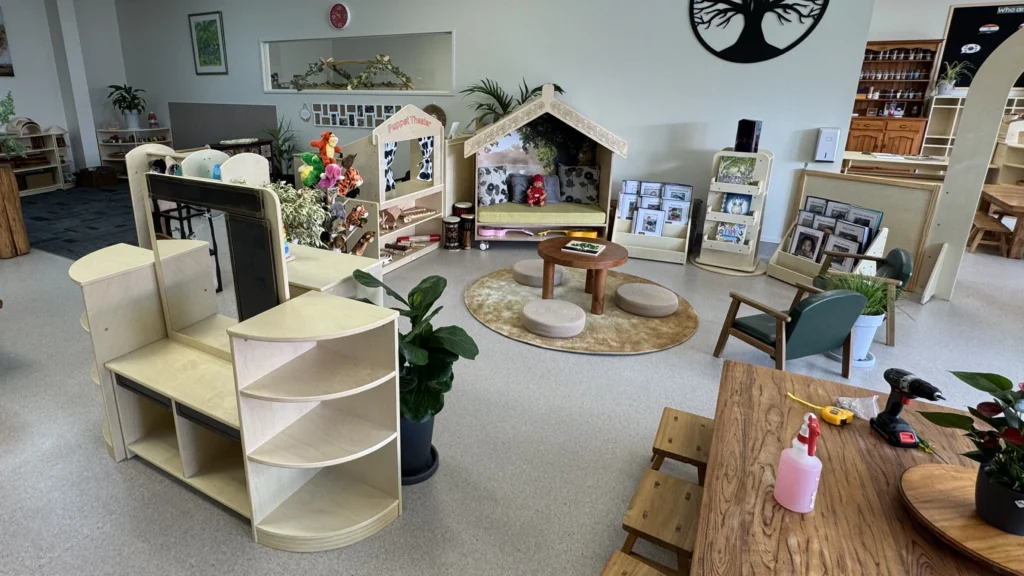
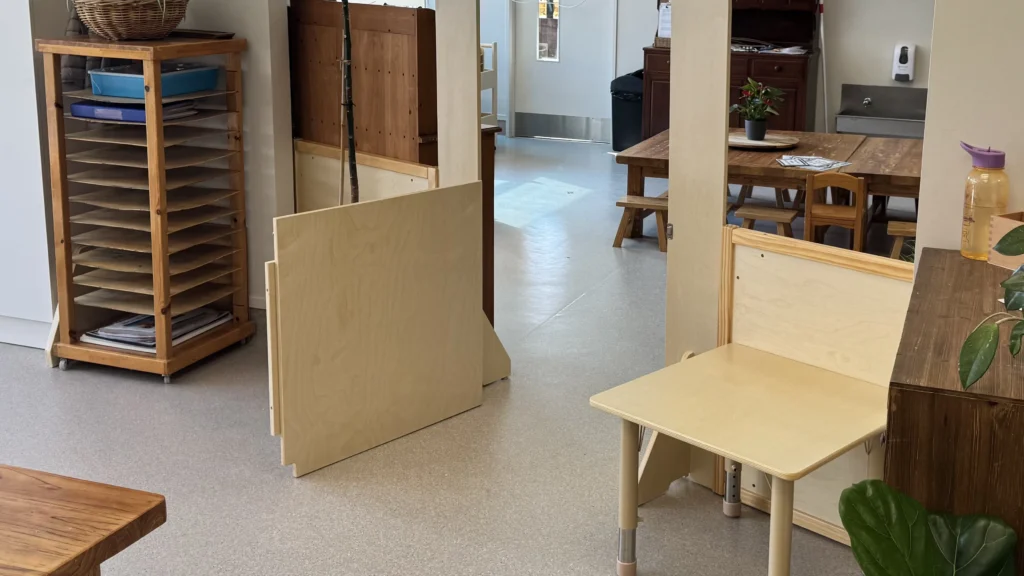
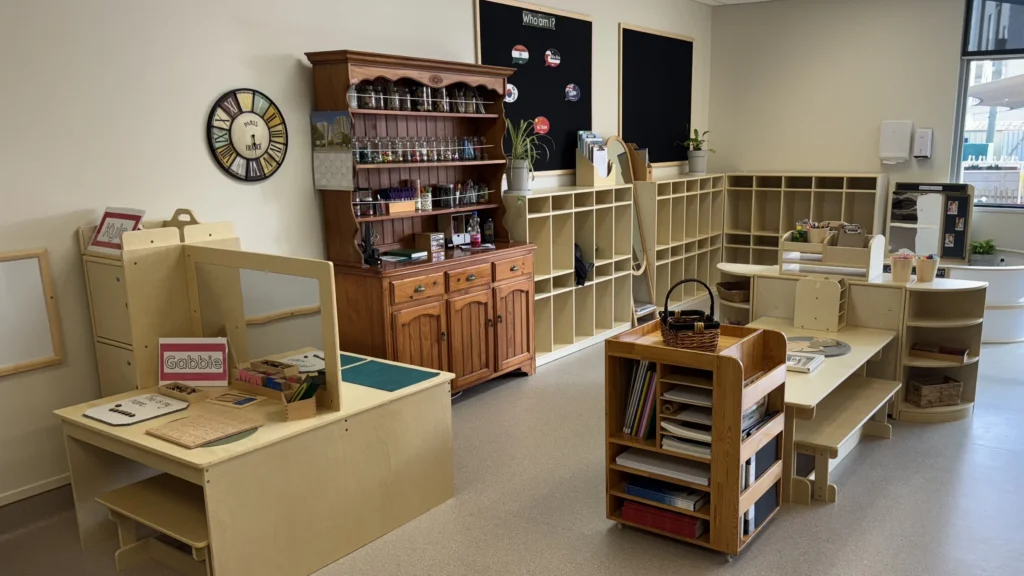
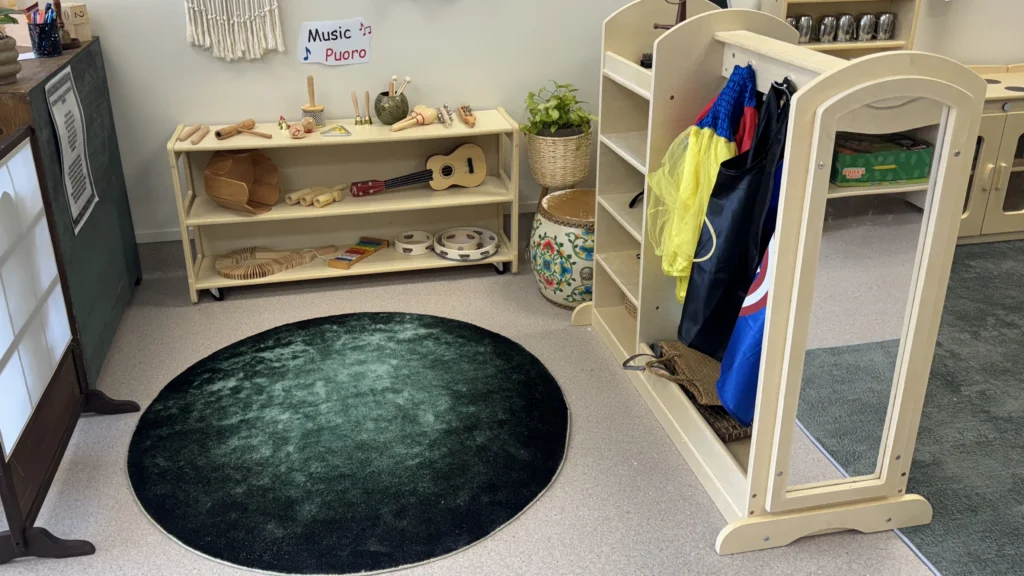
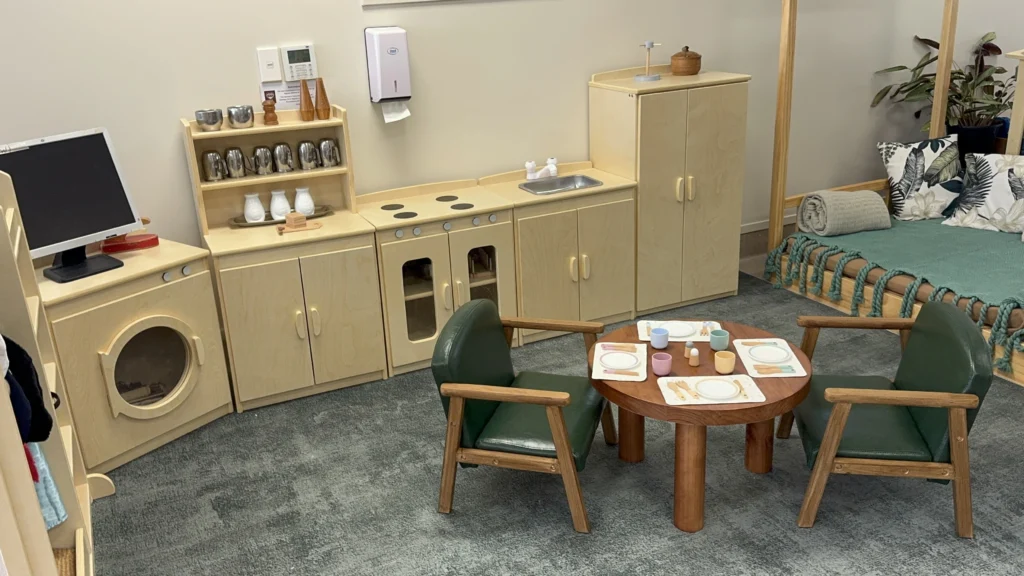
In our kindergarten and Montessori furniture projects, birch plywood is used to create calm, child-friendly spaces with soft lines and warm, natural tones. Open shelves, reading corners, storage units, and child-sized tables are all designed to look visually clean and simple, so the focus stays on the children and their activities. The light birch grain helps the whole classroom feel bright and organized, which you can clearly see from the project photos in this section.
How to Care for Birch Plywood Furniture?
Birch plywood furniture is easy to maintain with simple, regular care. For daily cleaning, use a soft cloth with a little mild cleaner or just a slightly damp cloth, then wipe dry, and avoid harsh chemicals or very wet cleaning. Try to keep the furniture away from standing water, strong direct sunlight, and high heat, and wipe spills quickly to prevent stains or swelling at the edges.
Conclusion
Birch plywood combines strength, stability, and a calm, high-quality look, which makes it very suitable for furniture in homes, kindergartens, and Montessori classrooms. Its smooth surface and light grain help create warm, organized spaces, while the material remains reliable under daily use.
À Meubles West Shore, we focus on using birch plywood in a careful way for cabinets, shelves, and children’s furniture, so every piece looks clean and modern and also feels safe and solid in real life. If you are planning a Montessori classroom, a kindergarten space, or custom furniture for your home and would like to use birch plywood, you are welcome to contact West Shore Furniture for material suggestions and project support that match your design, budget, and installation needs.
Questions fréquemment posées
Can birch plywood be used safely in children’s spaces?
Yes, birch plywood is a popular choice for children’s furniture and classroom interiors thanks to its smooth, splinter-resistant surface and stable structure. As long as the edges are well sanded and finished with safe coatings, it works very well in kindergartens, Montessori classrooms, and kids’ rooms at home.
Does birch plywood need special maintenance?
Birch plywood does not require any complicated care. A soft cloth with mild cleaner or slightly damp water, followed by drying, is usually enough, and avoiding standing water, harsh chemicals, and strong direct sunlight will help the furniture keep its color and shape for a long time.
What is the main difference between birch plywood and cheaper plywood?
Compared with many low-end plywoods, birch plywood usually has a denser, more uniform core with fewer voids and thicker face veneers. This gives it better screw holding, cleaner joinery, and a more refined appearance, which is why it is often chosen for higher quality furniture projects.
Is birch plywood an environmentally friendly choice?
Birch is a relatively fast-growing species and is often sourced from well-managed forests, which makes birch plywood more sustainable than many slow-growing hardwoods. Because the logs are peeled into veneers, the manufacturing process also uses the raw material efficiently, helping to reduce waste while still providing a strong and durable panel for long-lasting furniture.
Why choose West Shore Furniture for birch plywood school and home furniture?
West Shore Furniture focuses on birch plywood as the core material, matching grades, thicknesses, and construction details to the real demands of classrooms and family spaces. This means you get furniture that is not only visually clean and modern, but also engineered for daily use, safety, and easy cleaning.
How can I start a birch plywood furniture project with West Shore Furniture?
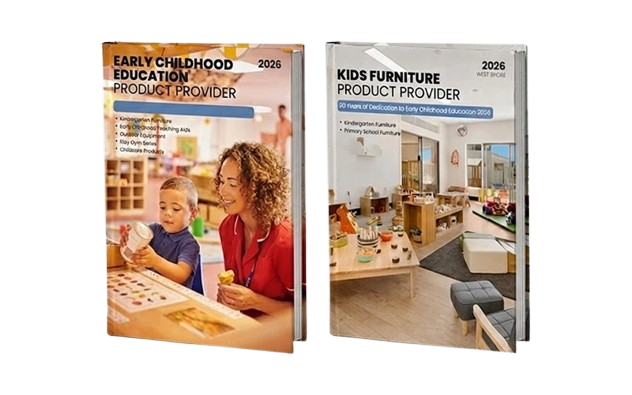
You can start by requesting our free furniture catalog and sharing basic project details such as the number of classrooms or rooms, the type of furniture you need, and your preferred timeline. From there, West Shore Furniture can suggest suitable birch plywood specifications, provide layout ideas, and guide you step by step from initial concept to final installation.
Still Choosing Birch Plywood Furniture?
Book a quick 1:1 consultation and tell us your space, age group, and rough budget. Our team will suggest practical birch plywood furniture combinations you can use right away in your next classroom or home project.

 French
  English
  Korean
  Japanese
  Italian
  German
  Arabic
  Spanish
  Thai
Thai