Why do some preschoolers show little interest in books, even in a classroom filled with learning opportunities? Often, the problem is not the books themselves, but the environment around them. When the reading area feels too busy, difficult to use, or disconnected from children’s daily routines, they are less likely to slow down, explore stories, and build positive reading habits.
This is where a well-designed preschool library center makes a real difference. Instead of being just another classroom corner, it becomes a calm and inviting space where children feel comfortable choosing books, looking through stories at their own pace, and developing confidence as early learners. In this guide, you’ll learn how to create a preschool library center that is simple, practical, and engaging, with strategies that help children enjoy books naturally and use the space with confidence.
What Is a Preschool Library Center?
A preschool library center is a dedicated, child-friendly area in the classroom where children can explore books on their own and begin developing early literacy skills. It is designed to be accessible, comfortable, and easy for young learners to use independently, even if they are not yet able to read.
In this space, children interact with stories, pictures, and printed text in simple but meaningful ways. As they look through books, turn pages, and revisit familiar titles, they begin to build vocabulary, recognize patterns, and understand how books work.
Even at an early stage, this type of environment helps children grow in confidence and independence. They learn how to choose books, use them carefully, and return them when they are finished. Over time, these small habits support the development of early reading behaviors and create a strong foundation for future learning.
Why a Preschool Library Center Matters?
Supports Early Literacy Development
A preschool library center gives children daily opportunities to interact with books, pictures, and print in a natural way. Even before they can read words on their own, they begin to understand how stories work, how pages move from beginning to end, and how pictures help tell meaning. These early experiences strengthen vocabulary, listening skills, print awareness, and story understanding, all of which are important foundations for future reading success.
Encourages Independence and Responsibility
A library center helps children practice making simple choices and managing small responsibilities on their own. Choosing a book, finding a place to read, handling materials carefully, and putting everything back in the right place all support independence in the classroom. These routines also teach respect for shared spaces and help children develop confidence in using learning materials without constant teacher guidance.
Creates a Calm and Screen-Free Learning Space
Preschool classrooms are often full of movement, noise, and active play, so children also need a quieter area where they can slow down and focus. A library center provides a peaceful space for quiet reading, reflection, and imagination without the distractions of screens or busy classroom activity. This kind of environment supports concentration, emotional regulation, and helps children feel secure during transitions or independent learning time.
Builds Long-Term Reading Habits and Social Skills
When books are easy to access and reading feels enjoyable, children are more likely to return to the library center again and again. This repeated experience helps build positive reading habits and creates a stronger connection with books from an early age. At the same time, children also learn valuable social skills such as taking turns, sharing materials, and respecting quiet spaces, which makes the library center an important part of both academic and social development.
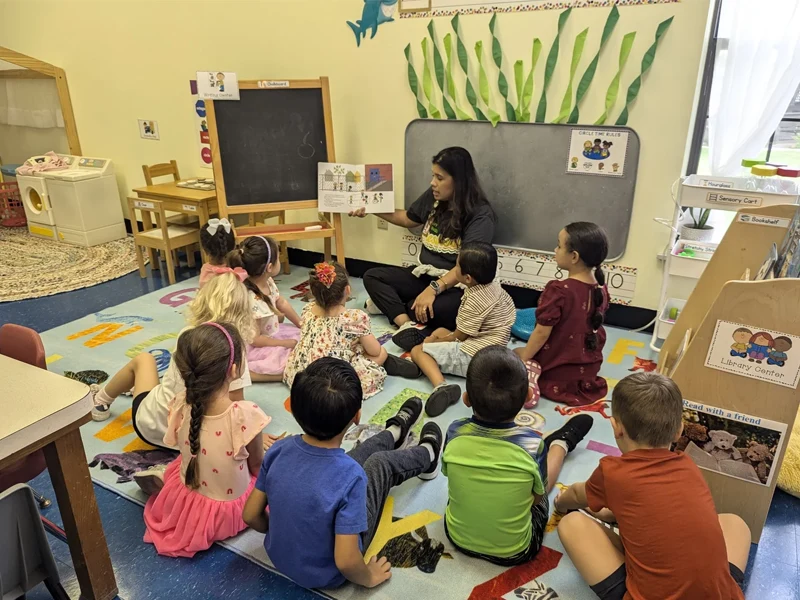
How to Set Up a Preschool Library Center (Step-by-Step)?
Choose the Best Location
The first step in creating a preschool library center is choosing a space that feels calm and easy for children to use. A quiet corner of the classroom usually works best because children need a place where they can slow down, focus, and enjoy books without too many distractions. Areas near blocks, dramatic play, or other busy centers are often too loud for meaningful reading time.
Many teachers also place the library near the writing center because books can naturally inspire drawing, storytelling, and early writing. A clearly defined space helps children understand that this area is meant for quiet learning and independent exploration.
Gather Essential Items
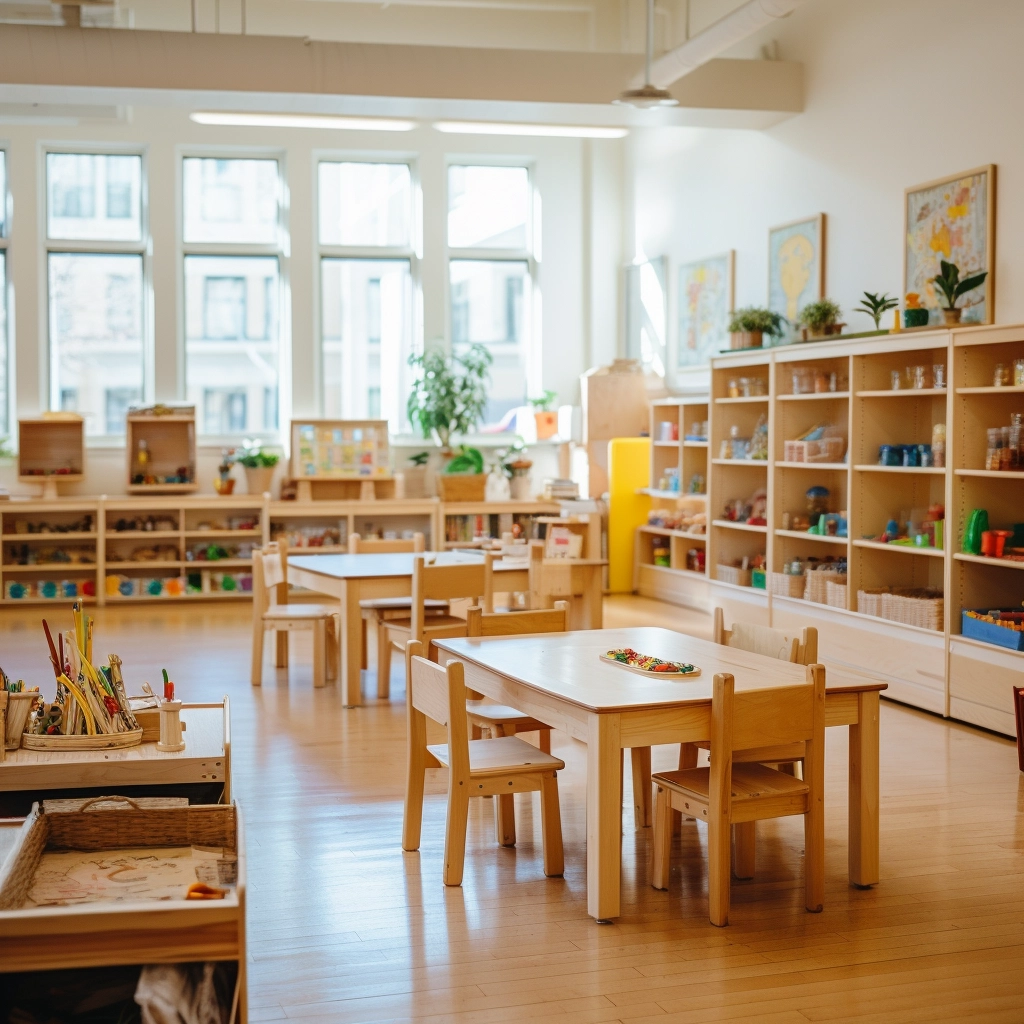
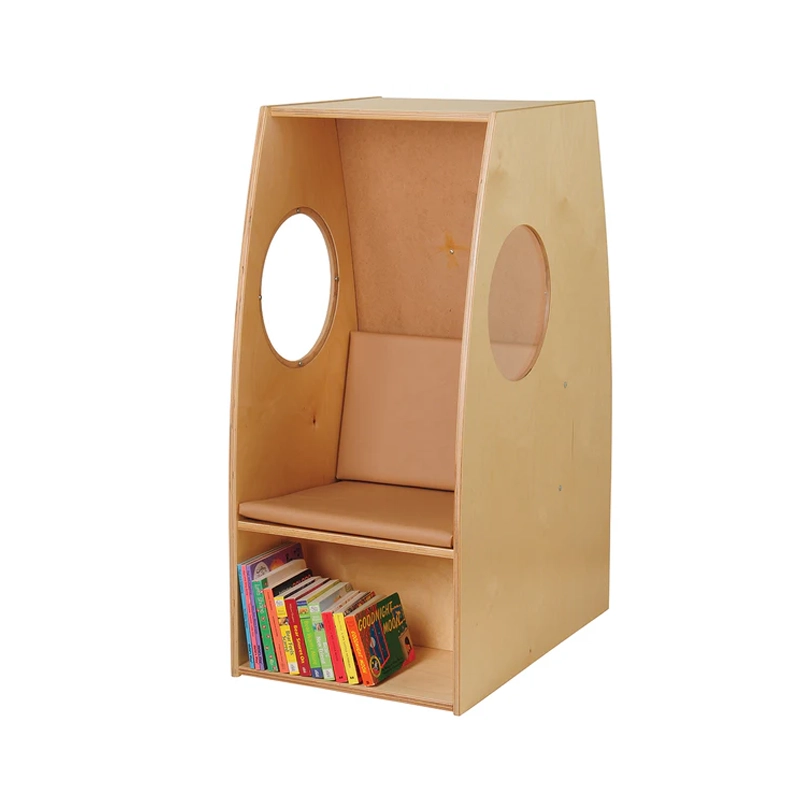
A successful preschool library center does not need expensive furniture or a large budget. Low shelves, book bins, baskets, and child-sized seating are often enough to create a functional space. Children should be able to see books easily, reach them without help, and return them independently after use.
Comfort also matters during setup. Rugs, pillows, bean bags, cushions, or a small child-sized couch can help make the area feel warm and welcoming. A simple setup usually works better than an overcrowded one, especially in a preschool classroom where accessibility matters more than decoration.
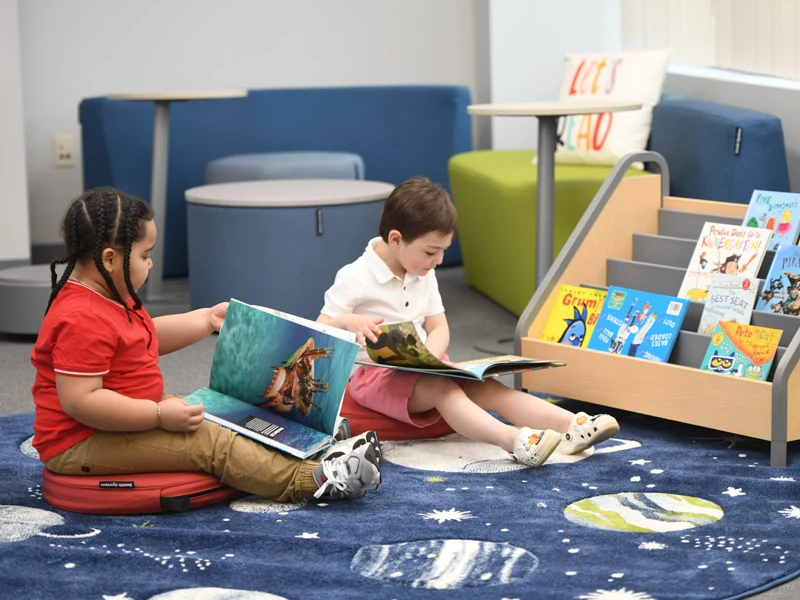
Decide How to Display Books
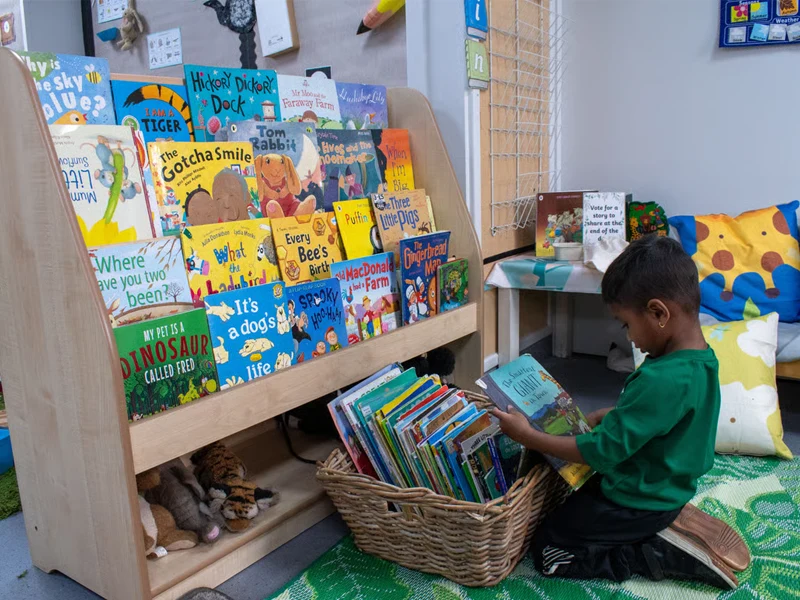
The way books are displayed has a big impact on how often children use the space. Preschoolers are much more likely to choose books when they can clearly see the front covers rather than only the spines. Front-facing displays make browsing easier and help children make choices more independently.
Book display should also match the size and ability of young children. Books need to be placed low enough for easy access and arranged in a way that makes putting them back manageable. A display that looks neat but is hard for children to use will not work as well in daily classroom routines.
Select the Right Books
Choosing the right books is one of the most important parts of building a strong preschool library center. Picture books with clear illustrations, simple stories, rhyming books, and nonfiction books with engaging visuals are often a good fit for young learners. Books about emotions, family life, animals, seasons, and daily routines are especially effective because children can connect them to familiar experiences.
A balanced collection usually works better than trying to place every book in the classroom library at once. Keeping some familiar favorites available while changing others based on themes, seasons, or current topics helps create a collection that feels both comforting and fresh.
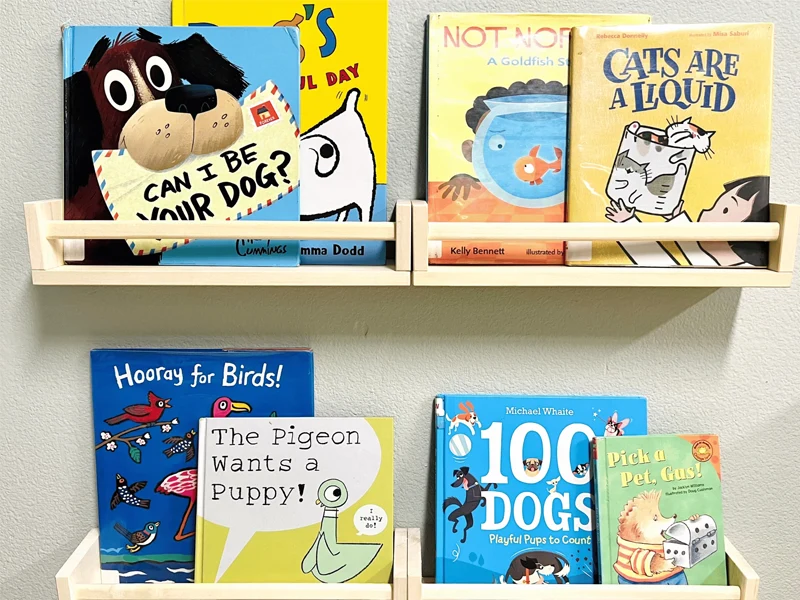
Organize the Space Effectively
Good organization helps children use the library center with confidence. Books can be sorted into simple baskets by topic, theme, author, or type, depending on what works best in the classroom. Labels with both pictures and words make it easier for children to find books and return them to the correct place.
Books also do not need to stay in one single corner. Small book bins placed in other classroom areas can help extend reading opportunities throughout the room. When the space is organized in a clear and child-friendly way, children are more likely to use it independently and consistently.
Preschool Library Center Tips for Success
Make the Space Cozy and Inviting
Children are more likely to use a library area when it feels warm, comfortable, and clearly designed for quiet reading. A soft rug, small pillows, bean bags, child-sized chairs, or a cozy corner can help create a space that feels different from the rest of the classroom. Simple details like a center sign, soft lighting if possible, and enough room to sit comfortably make the area feel welcoming and encourage children to stay longer with books.
Establish Clear Rules and Routines
Simple routines help children understand how to use the preschool library center successfully every day. Teaching how to choose a book, turn pages carefully, use quiet voices, and return books to the correct place builds responsibility and helps protect materials. Modeling these behaviors from the beginning is much more effective than only explaining rules, because young children learn best by watching and practicing.
Rotate Books to Keep Interest High
Children quickly notice when the same books stay on the shelves for too long, and interest often drops when nothing changes. Rotating books regularly keeps the library fresh and gives children new reasons to return. Seasonal themes, current classroom topics, and student interests are all helpful guides for choosing what to switch, while keeping a few familiar favorites available helps maintain comfort and encourages repeated reading.
Add Literacy Materials Beyond Books
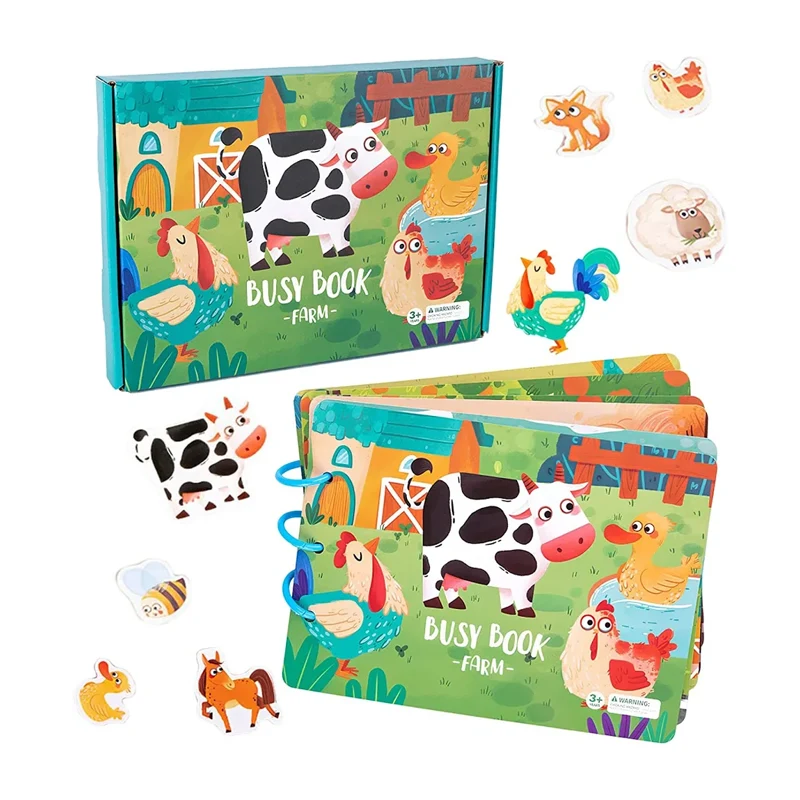
A strong preschool library center can include more than just books. Simple materials like puppets, flannel board pieces, story props, puzzles, or listening activities can help children connect stories to play and conversation. These extra materials support vocabulary growth, storytelling, and comprehension while making the reading space feel more interactive and engaging for different types of learners.
Design for Small Spaces
A successful preschool library center does not need a large classroom or expensive furniture. Even a small corner can work well when books are easy to reach and the layout feels organized. Low baskets, wall-mounted displays, portable book bins, and simple floor seating can help maximize limited space without creating clutter. A smaller setup often works better when children can use it confidently and independently.
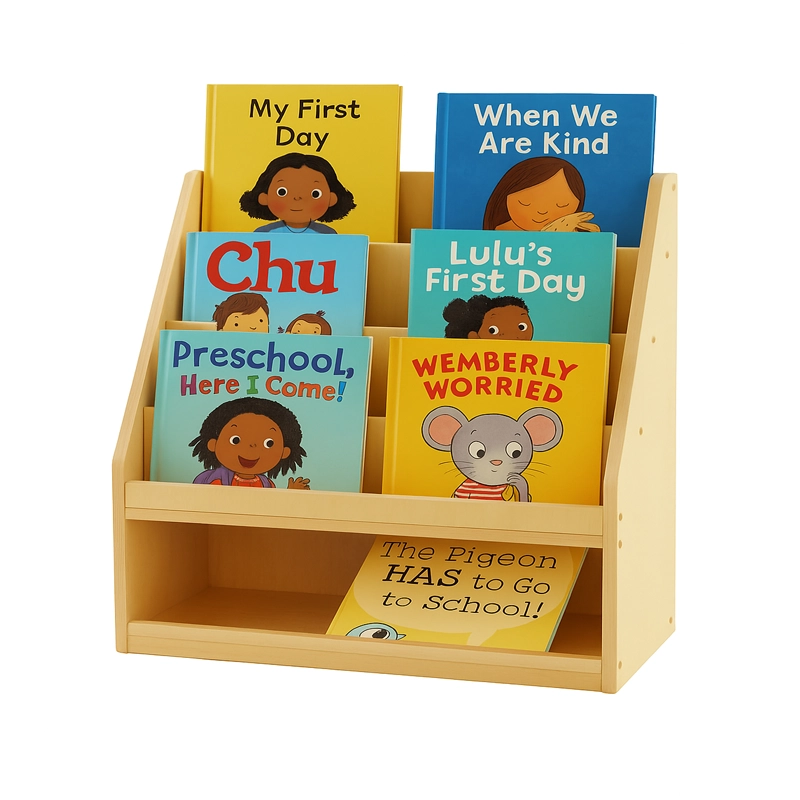
Popular Products



Final Thoughts
A well-designed preschool library center can become one of the most meaningful spaces in the classroom. Children do not need a large area or expensive materials to benefit from it. A quiet location, thoughtful book choices, simple organization, and a comfortable setup can all work together to create a space that supports early literacy in a natural way.
Strong library spaces also grow with the class. Teachers can adjust the book selection, add new materials, or change the layout based on children’s interests and needs. Small changes often make a big difference over time, especially when the goal is to create a space that children use regularly and enjoy.
When books are easy to reach and the environment feels welcoming, children begin to build habits that support future learning. A preschool library center may look simple, but the routines, choices, and experiences it offers can have a lasting impact.
FAQ
How do you make a preschool library center on a budget?
Creating a preschool library center does not require expensive furniture or a large budget. Low book bins, floor cushions, simple rugs, and repurposed shelves can work just as well as costly classroom furniture. Many teachers also use donations, library sales, and seasonal discounts to build their book collection over time.
How can teachers teach preschoolers to take care of books?
Children learn book care best through daily modeling and simple routines. Teachers can show how to turn pages gently, carry books with care, keep books off the floor, and return them to the correct basket after reading. Clear expectations and repeated practice help children treat books with respect and responsibility.
How do you make a preschool library center more engaging?
A more engaging setup usually starts with books children actually want to explore. Front-facing displays, cozy seating, simple book baskets, and regular book rotation can all help. Activities such as picture walks, partner reading, and story retelling also encourage children to spend more time in the space.
Should a preschool library center include materials besides books?
Yes, adding simple literacy materials can make the space more interactive and meaningful. Puppets, flannel board pieces, listening activities, story props, and picture cards help children connect reading with play and conversation. These materials support vocabulary growth, storytelling, and stronger comprehension skills.