Wall Toys Manufacturer for Children’s Learning Spaces

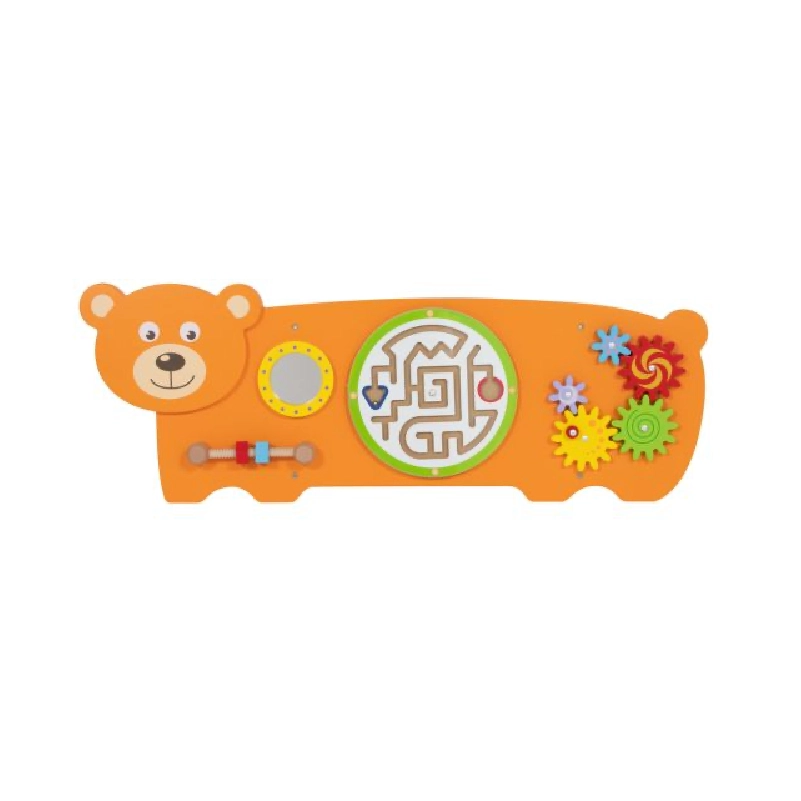
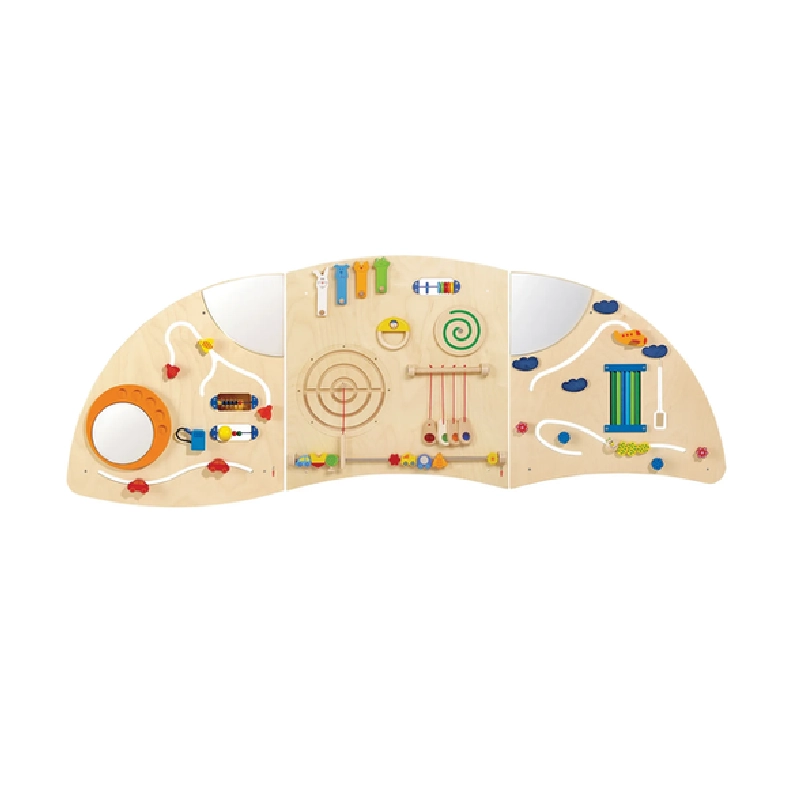
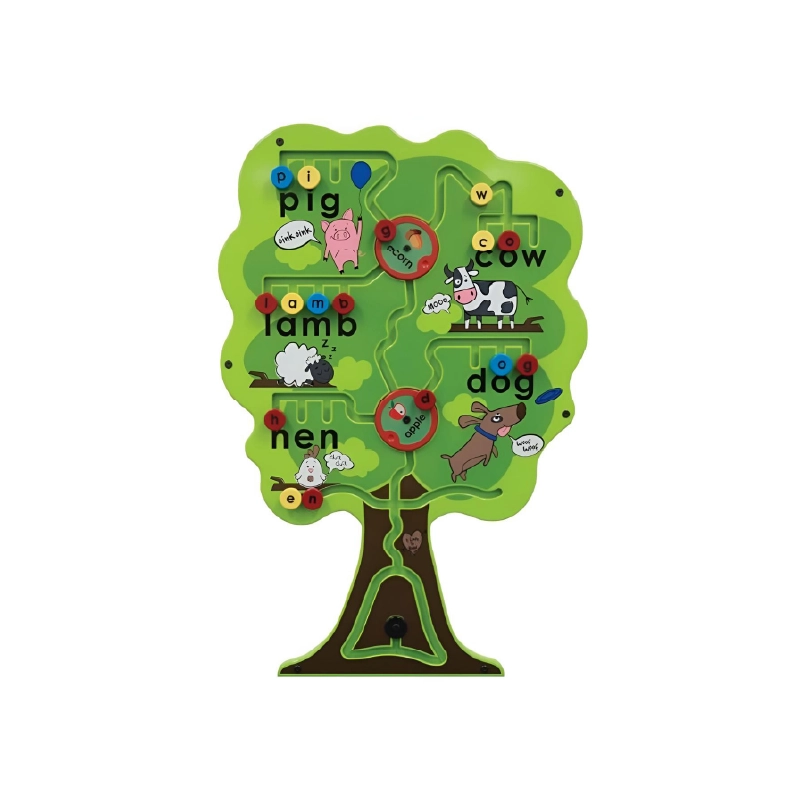
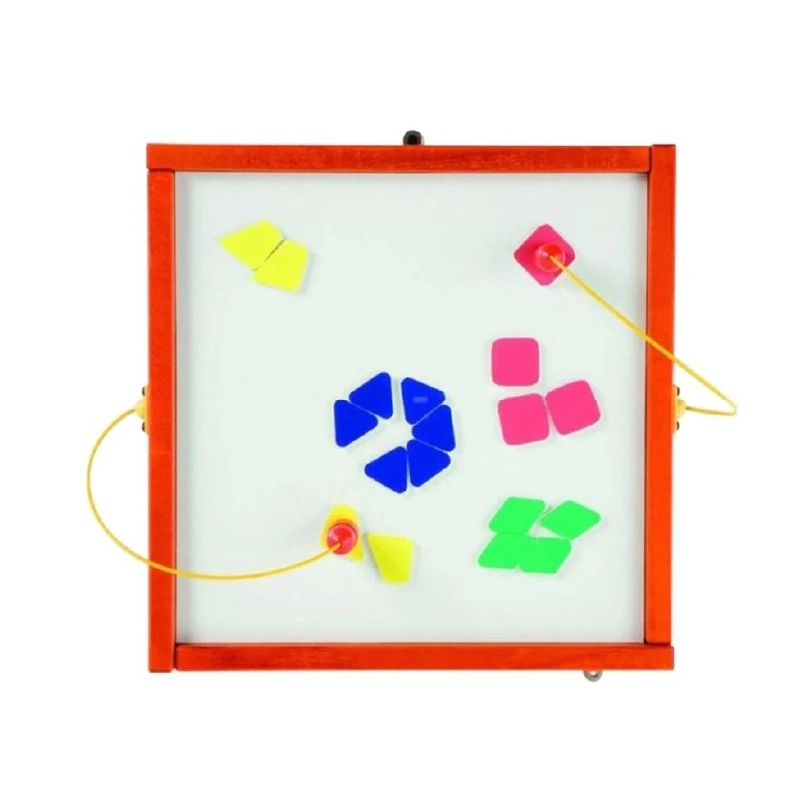
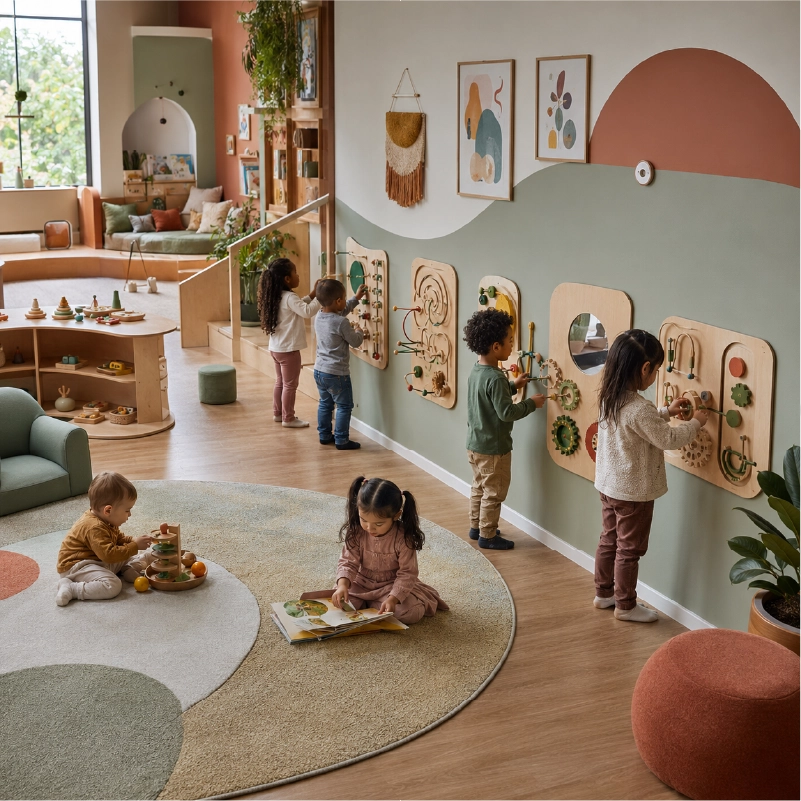
Wall toys help maximize the utilization of otherwise unused wall space by incorporating simple, fixed play features directly onto the walls. By shifting play activities from the floor to the wall, they help keep the space neater, safer, and easier to manage during daily use.

West Shore Furniture specializes in manufacturing a wide variety of interactive wall panels for wholesale clients. We offer comprehensive services—including custom sizing, color schemes, themes, interactive features, and wall layout adaptations—tailored to meet your specific product requirements and order specifications.

Explore Our Wall Toys Range

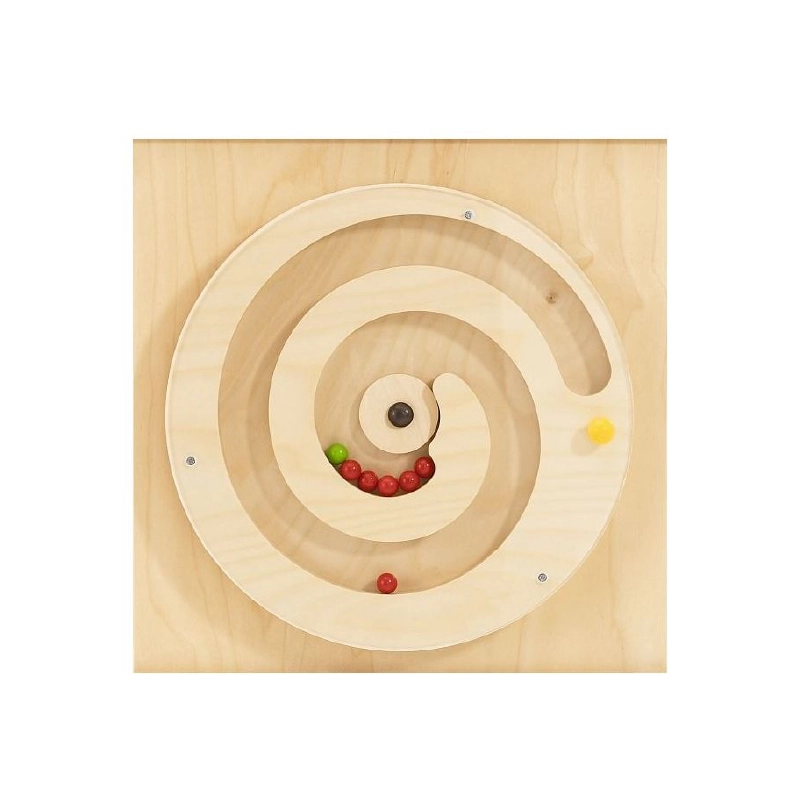
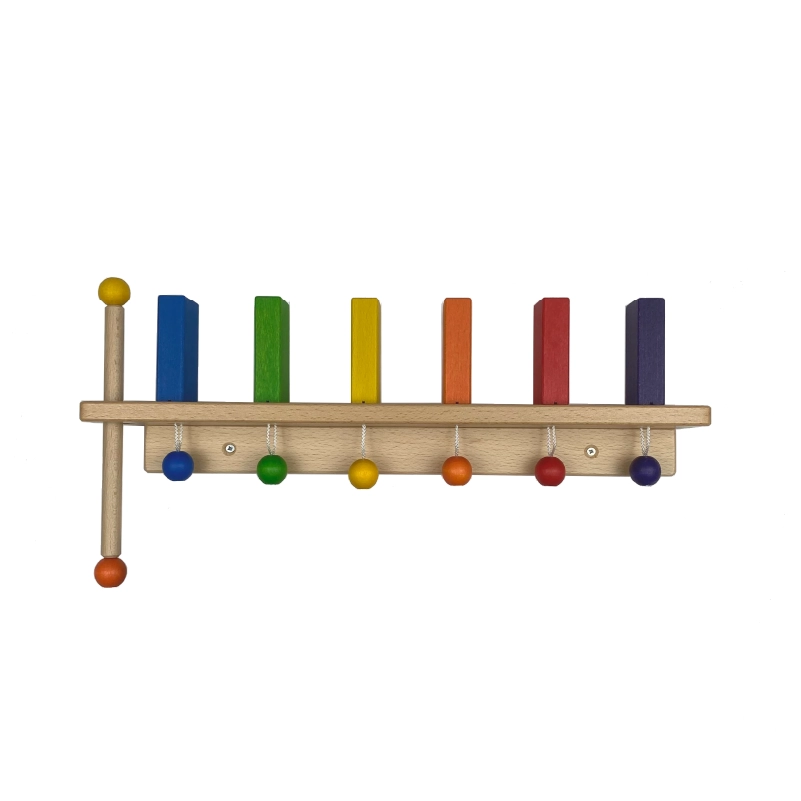
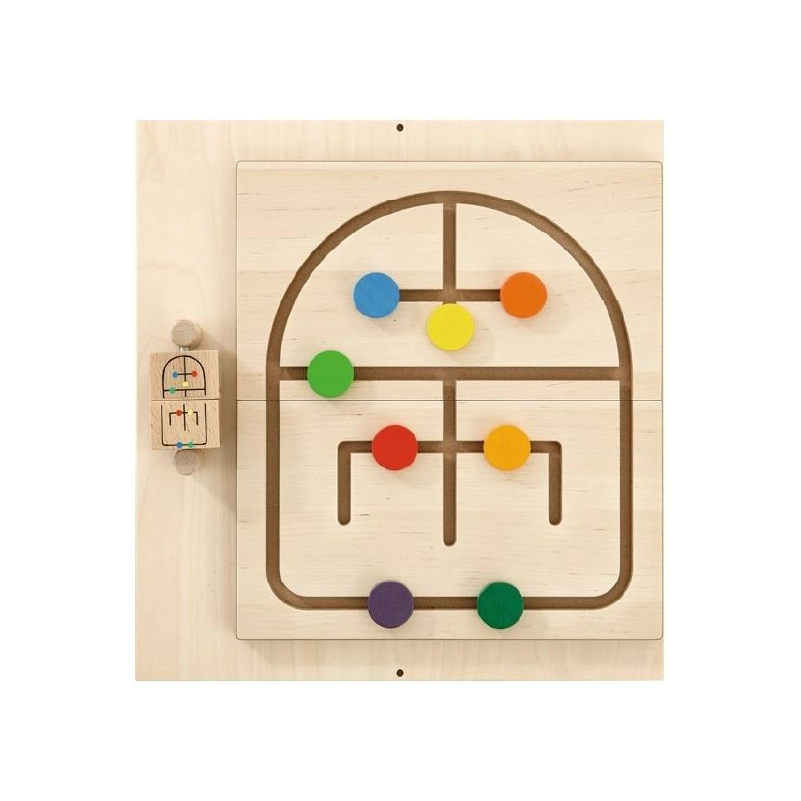
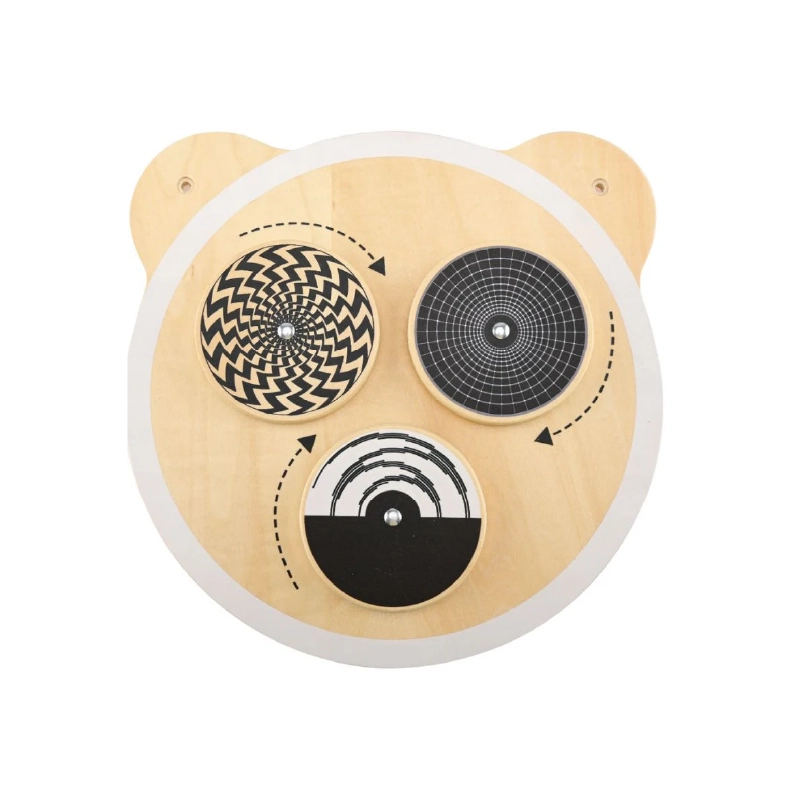
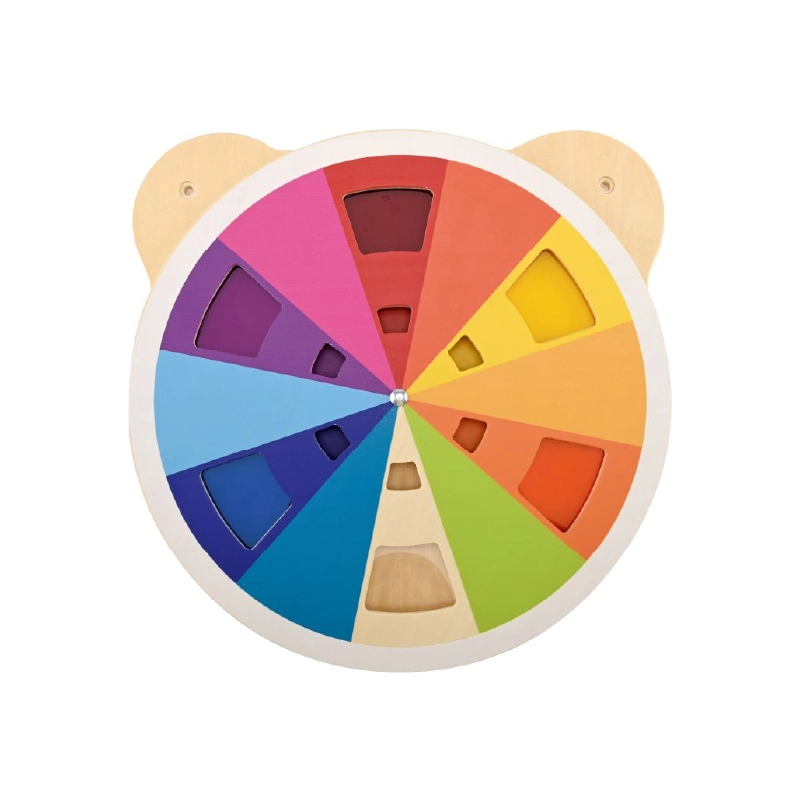
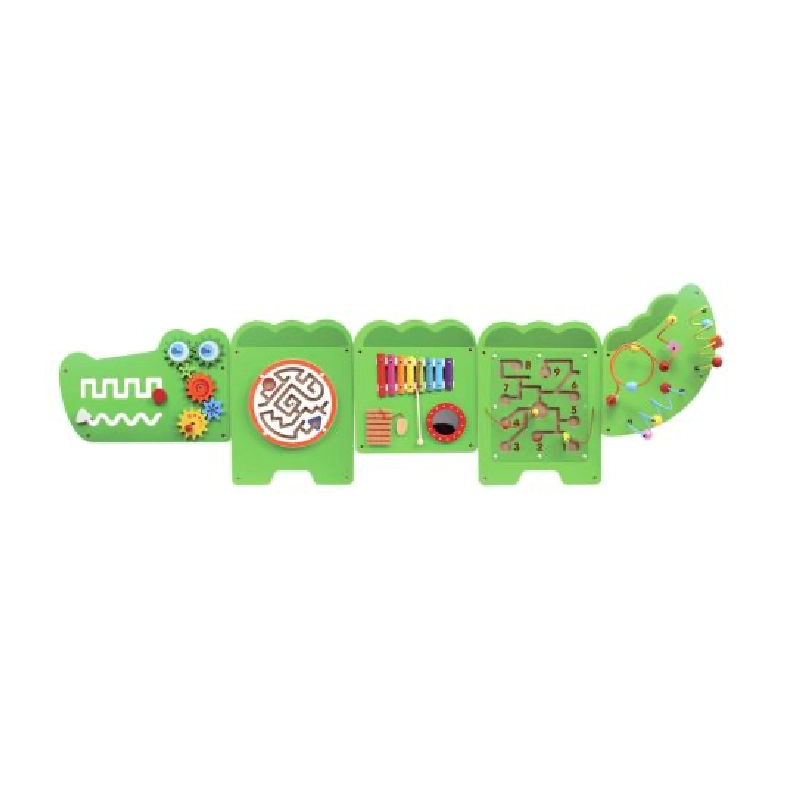
Our wall toys include a range of wall mounted activity panels for children’s spaces. Popular options include sensory panels, gear panels and multi activity designs for different wall sizes and project needs.

Sensory Toys Manufacturer and Export Supplier – WestShore Furniture

At West Shore Furniture, we see wall toys as part of a real children’s space. A wall toy should fit the wall, match the room, support daily use, and make the space easier to manage after installation. With experience in children’s furniture and learning space products, we help connect product design with actual space needs, so the final panels are easier to place, use, clean.

Long Term Supply | Support Wall Layout | Matching OEM Product Development | Private Label Support

Key Features of Our Wall Toys

Our wall toys are developed for shared children’s spaces where products need to stay stable, clean, safe, and easy to manage through daily use. Each panel is designed with practical details that support classrooms and indoor play environments.

Commercial Grade Construction

Built for frequent use in shared environments, our wall toys use stable panel structures and durable activity parts to support daily touching, sliding, turning, pressing, and repeated play by children.

Secure Activity Components

Each activity component is designed to stay stable during repeated use, helping the panel remain reliable after daily touching, turning, sliding, and hands on play.

Smooth Edges and Rounded Corners

The edges and corners of each wall toy are carefully finished to reduce roughness and sharp points. This gives the panel a smoother touch and makes it more suitable for children’s close daily use.

Quiet Play for Calm Environments

Wall toys give children a focused activity point without adding floor movement or scattered play materials. This makes them suitable for spaces that need a calmer play experience.

Designed for Shared Use by Multiple Children

Many wall toys are designed with several activity points on one panel, allowing more than one child to play at the same time. This makes them suitable for group areas where children can explore side by side without needing extra floor toys.

How to Choose Sensory Wall Toys for Your Classroom

Choosing sensory wall toys depends on how your classroom is used, the age of the children, and the wall space available. The right panels should fit the room, support daily activities, and remain easy for teachers to manage.

How to Choose Sensory Wall Toys
  • Check the Classroom Size For smaller classrooms, choose compact wall panels that save floor space. For larger rooms, several panels can be arranged together to create a sensory wall or activity corner.
  • Match the Age Group Younger children usually need simple movements, larger parts, and clear visual feedback. Older children may need more interactive designs, such as matching activities, puzzles, gears, or problem-solving panels.
  • Consider Daily Use Choose panels that can handle frequent classroom use, especially in shared spaces where many children may use the same wall toy throughout the day.
  • Look at Safety Details Smooth edges, rounded corners, secure moving parts, and stable mounting are important when children use the panel at close range.
  • Choose Easy-to-Clean Surfaces Classroom wall toys should be easy to wipe and maintain, especially when they are used by different children every day.
  • Select the Right Activity Function Sensory panels, mirrors, bead mazes, gears, and matching panels can support different classroom goals. Choose the function based on whether the space needs quiet play, sensory exploration, or fine motor practice.

Perfect for These Children’s Spaces

Different children’s spaces use wall toys in different ways. Some need short waiting activities, some need quiet transition support, and some need fixed play options that keep the floor clear. Understanding how the space is used helps you choose the right wall toy design, size, and activity function.

Classrooms and Early Learning Centers

Classrooms and Early Learning Centers

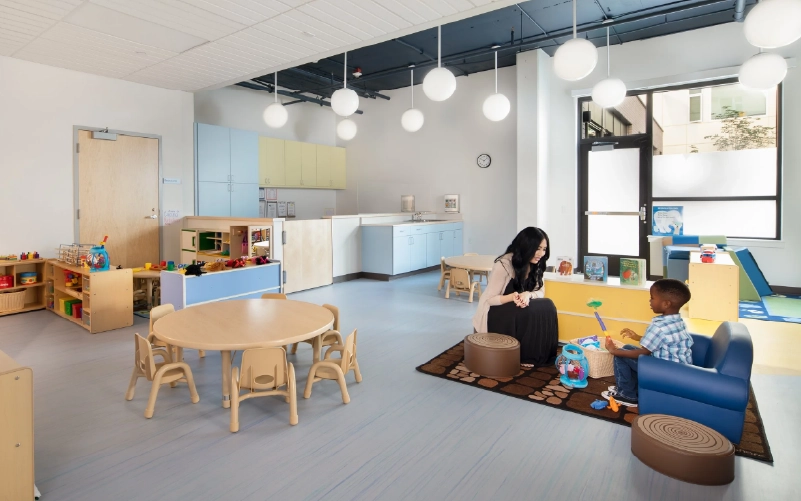
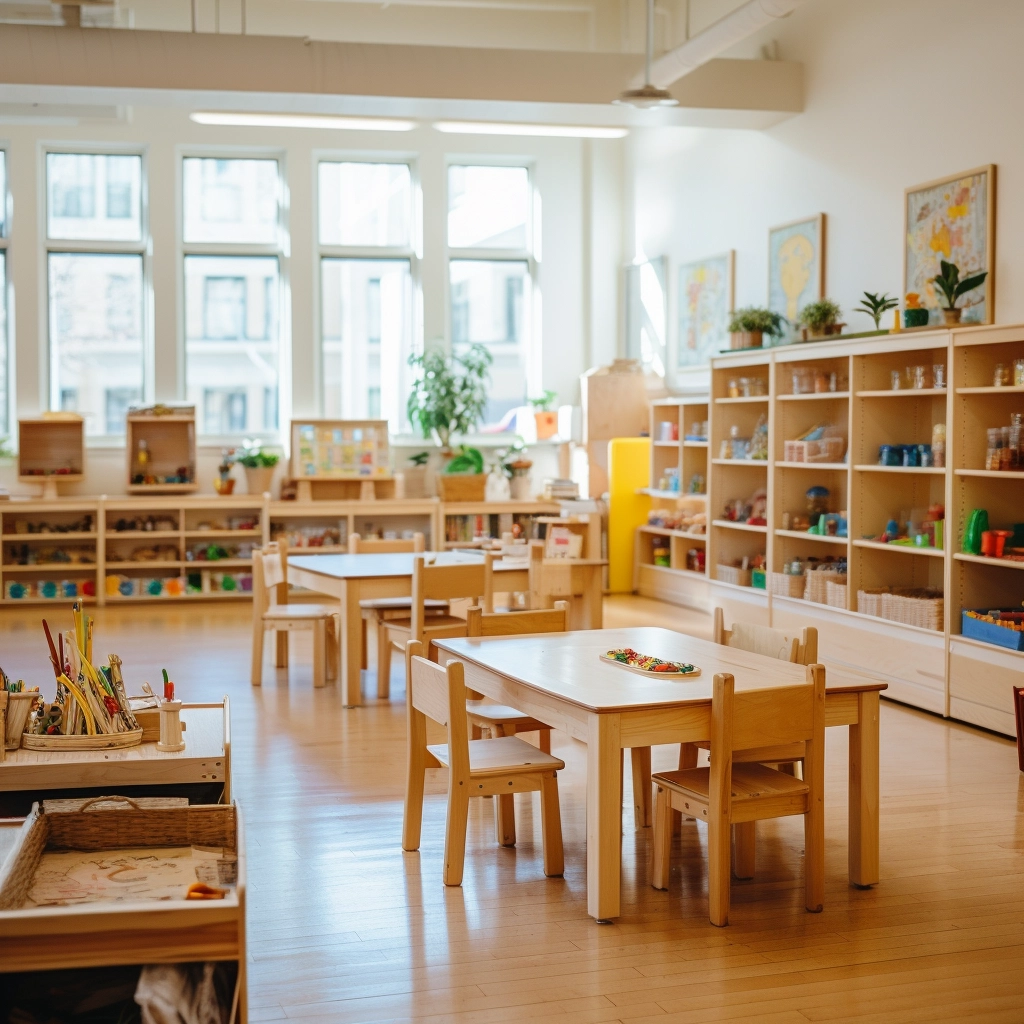
In classrooms, wall toys are useful during transitions, free choice time, and quiet activity periods. They give children a fixed play option that stays in place and can be used throughout the day.
Corridors and Transition Areas

Corridors and Transition Areas

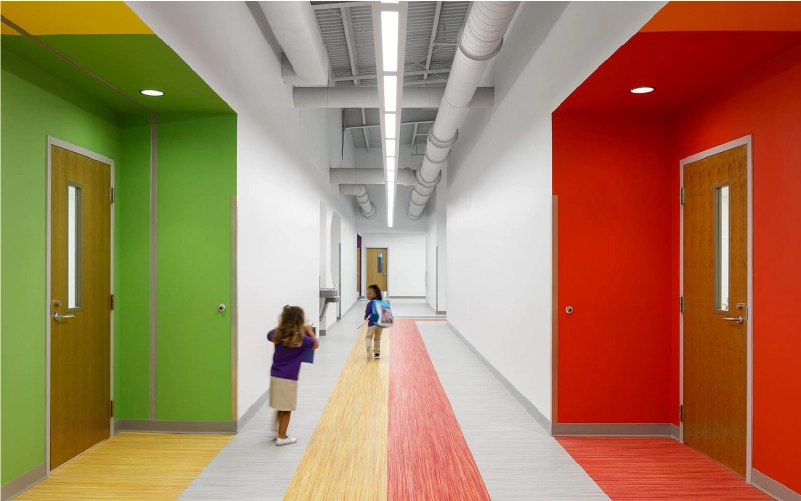
Corridors are often used for lining up, waiting, and moving between rooms. Wall toys make use of empty wall space without blocking the walking area.
Pediatric and Medical Waiting Rooms

Pediatric and Medical Waiting Rooms

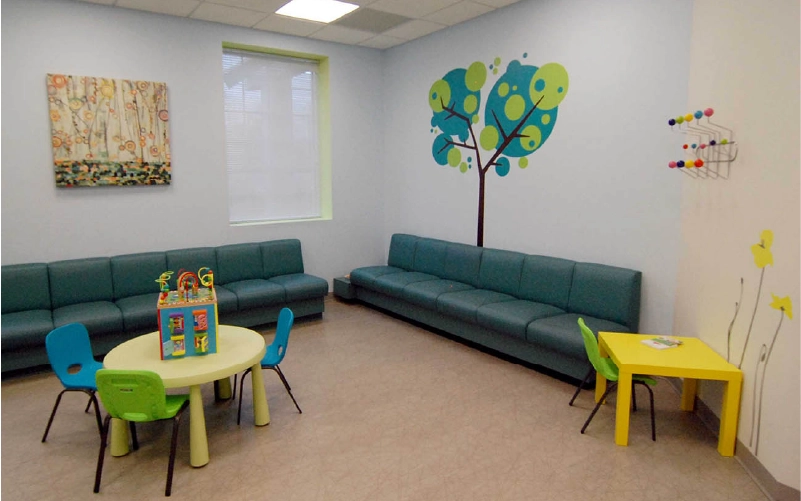
Waiting rooms need activities that keep children occupied while the space remains clean and professional. Wall toys help create a simple play point without adding loose toys to the floor.
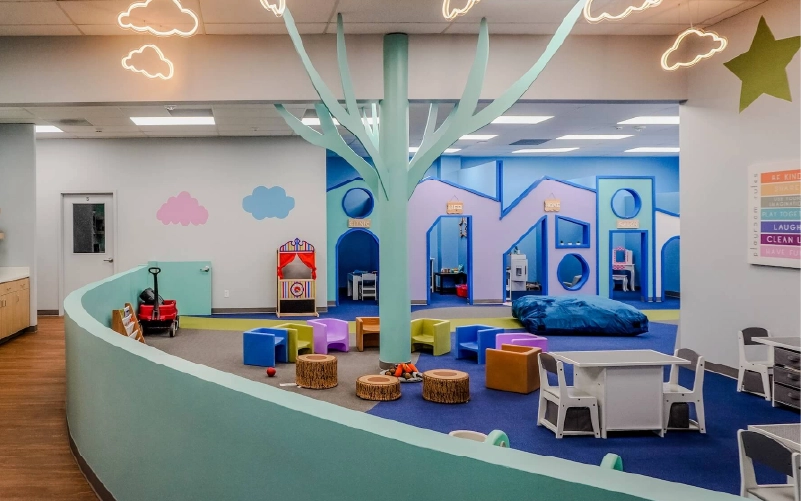
Sensory Rooms and Therapy Clinics

Sensory Rooms and Therapy Clinics

Sensory and therapy spaces need activities that are easy to access and simple to guide. Wall toys provide a fixed surface for focused hands-on exploration during short structured activities.

Ready to PlanYour Wall Toy Project?

Share your wall size, space type, and project requirements. Our team will recommend suitable panels, quantities, and customization options within 24 hours.

FAQ

Wall toys should be securely installed, checked regularly, and used under adult supervision, especially in spaces with younger children. Stable mounting, smooth edges, secured activity parts, and proper installation all help support safer daily use.

Staff should check whether the panel is firmly mounted, whether screws or fittings feel loose, and whether any activity parts show damage. Moving parts such as gears, sliders, knobs, and mirrors should also be checked to make sure they work smoothly.

Younger children usually need simple actions, larger grip parts, clear shapes, and easy movement. Older children can use panels with matching, sorting, problem solving, gears, sliders, and multi-step activities. The best choice depends on children’s reach height, hand control, and activity level.

Wall toys should be checked regularly based on usage frequency. High-traffic spaces may need more frequent checks for screws, mounting points, moving parts, surface wear, and loose accessories. Damaged parts should be removed from use until repaired or replaced.

Wall toys can be made with plywood, MDF, solid wood, acrylic, mirror acrylic, plastic activity parts, fabric textures, and metal hardware. The right material depends on the panel design, usage frequency, budget, surface finish, and target market. For project orders, we can recommend suitable material options based on the space, age group, and product function.

Yes. You can send us the wall length, height, space photos, or project drawings. We can help suggest suitable panel sizes, product quantities, activity functions, and layout options, so the wall toys fit the available space and installation plan more clearly.

Bénéficiez de services gratuits de conception de garderie et de mobilier sur mesure ! Agissez maintenant !

Remplissez le formulaire dès maintenant et nous vous contacterons dans les 24 heures ! Saisissez cette opportunité, ne la manquez pas !

meubles-catalogue-westshorefurniture-2026

Demandez le catalogue préscolaire maintenant !

Remplissez le formulaire ci-dessous et nous vous contacterons dans les 24 heures.


Entrer en contact

Remplissez le formulaire ci-dessous et notre équipe se fera un plaisir de vous aider

Découvrez des meubles exceptionnels pour votre espace éducatif !

Transformer les espaces d'apprentissage