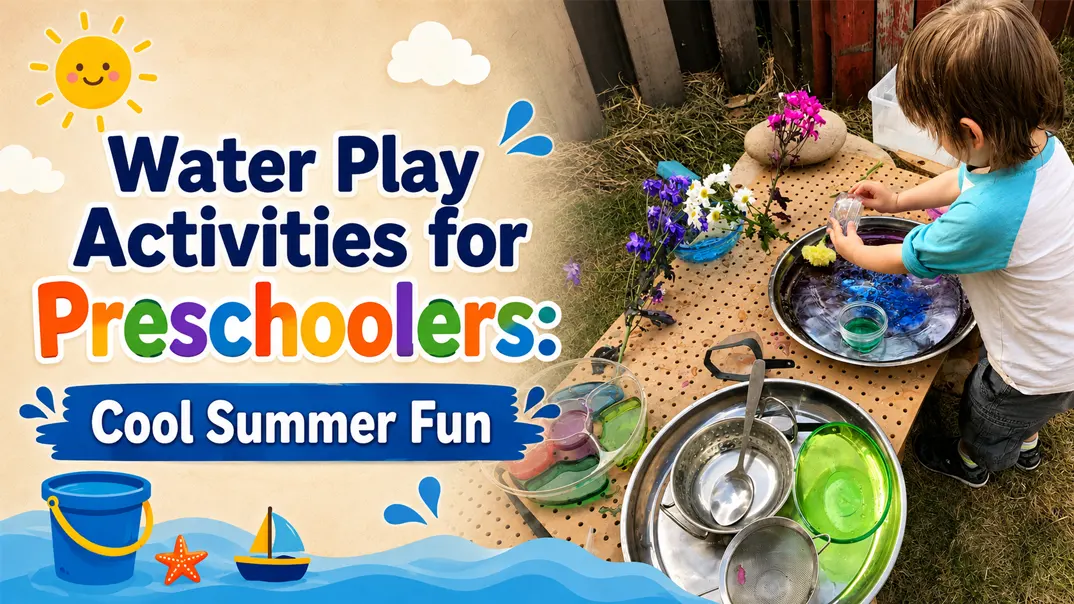
Summer is a season of curiosity and cooling off. Bringing water play into your preschool environment is one of the most rewarding ways to support sensory development while keeping your students engaged. When children interact with water, they naturally develop the fine motor skills and social cooperation they need for future success.
This guide introduces a range of simple water play activities suitable for preschoolers, as well as water tables designed specifically for preschool settings. You can also check out the water play collection from West Shore Furniture at the end to help children enjoy the fun of playful learning.
Why Water Play Is a Fantastic Choice for Summer Fun?
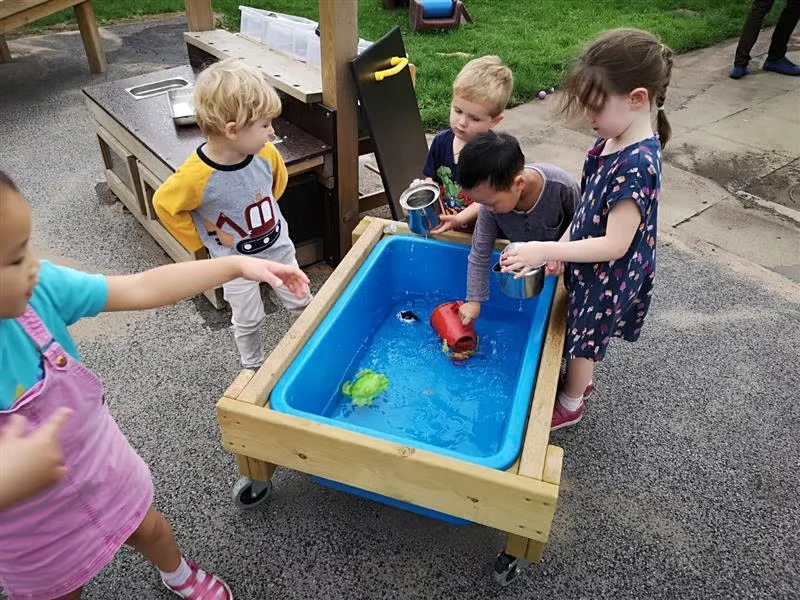
For preschoolers, water play is exciting because it is simple, dynamic, and offers limitless possibilities. Children can experiment on their own without needing complex instructions or setups.
Moreover, water play helps foster a variety of early learning skills. When children pour water from one cup to another, they explore concepts of volume and practice motor control; when testing which toys float or sink, they begin to grasp cause-and-effect relationships. These seemingly simple activities actually provide valuable learning opportunities.
Before you start, remember that water play does not need to be complicated. A few simple tools can already keep preschoolers busy, happy, and curious. You can guide the activity with simple questions, give children time to try things by themselves, and let them explore water through pouring, squeezing, washing, scooping, and splashing.
15 Easy Water Play Activities for Preschoolers
The following water games and creative ideas are perfect for any kindergarten’s outdoor play area. Let’s explore these activity ideas to ensure your children have a summer full of fun.
1. Water Sensory Bins
재료:
- Shallow water bin or water table
- Spoons and scoops
- Cups or small containers
- Sea animal toys, shells, sponges, or floating balls
- Optional: food coloring or bubbles
How to play:
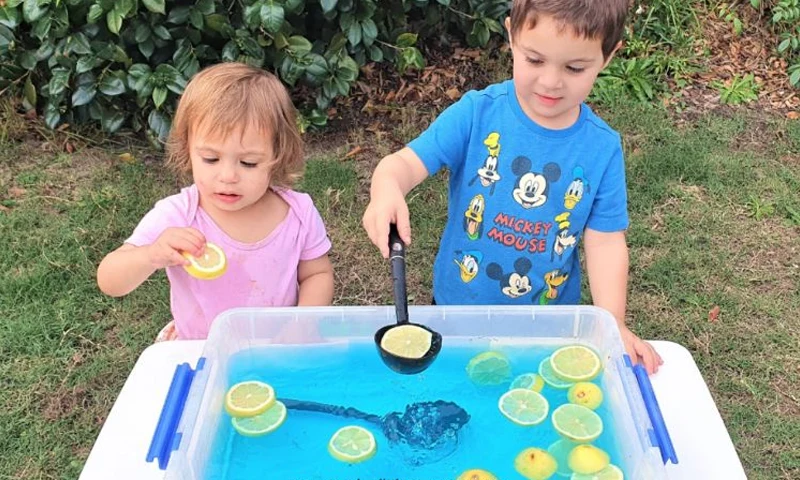
Fill a shallow container with water and add a few simple items—such as toy animals, seashells, sponges, floating balls, or small spoons. Children are free to pour, scoop, wash, sort, and explore.
The best part is that you can choose from a wide variety of themes. For an ocean-themed setup, for example, you can mix light blue food coloring into the water to create an ocean-like look and then add sea creatures. As they play, children can also learn a great deal about the ocean.
2. Sponge Walk
재료:
- Large soft sponges
- Shallow tray or outdoor mat
- Bucket of water
- Towels
- Non-slip outdoor surface
How to play:
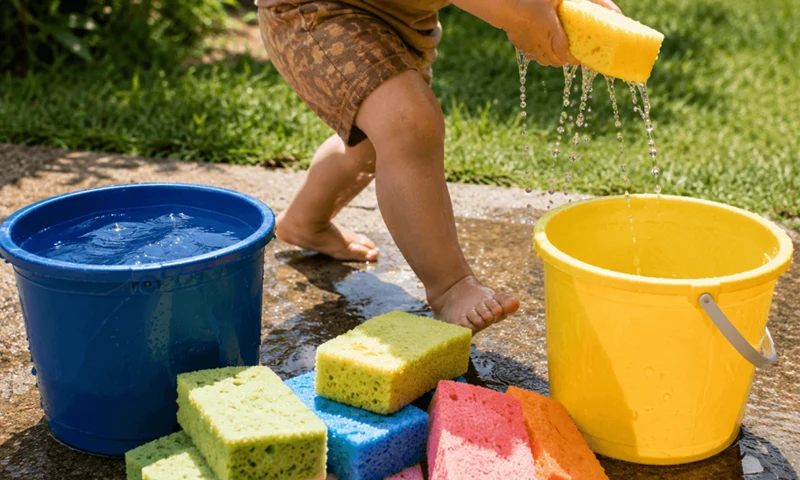
You can soak a few large sponges in water and place them on a safe outdoor surface. Children can step on the sponges, squeezing them with their feet, or slowly walk from one sponge to another.
Sometimes, you can line the sponges up, allowing the children to walk across them as if traversing a small waterway.
3. Spray and Squeeze Bottles
재료:
- Child-safe spray bottles
- Squeeze bottles
- Clean water
- Outdoor wall, plants, stones, chalk drawings, or washable toys
- Optional: large target shapes
How to play:
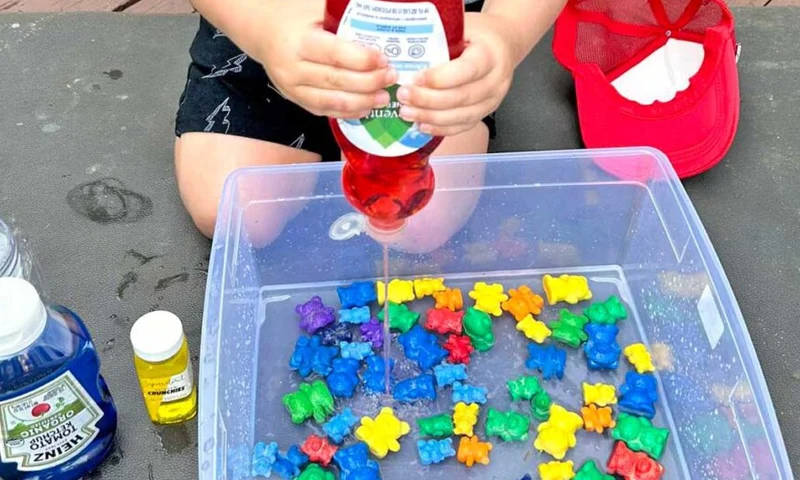
Fill spray bottles or squeeze bottles with clean water. Children can use them to spray plants, stones, outdoor walls, or chalk drawings. You can also set up a simple car wash by placing toy cars on a tray or outdoor table. Let children spray the cars, squeeze water over the wheels, scrub them with small brushes, and rinse them clean.
For a more creative idea, add a small amount of washable paint or liquid watercolor to the squeeze bottles. Children can squeeze colored water onto paper, pavement, or a large outdoor painting board to create lines, dots, streams, and splash patterns.
4. Go Fish
재료:
- Water bin or water table
- Toy fish or floating animals
- Small nets, scoops, or tongs
- Small baskets or bowls for sorting
How to play:
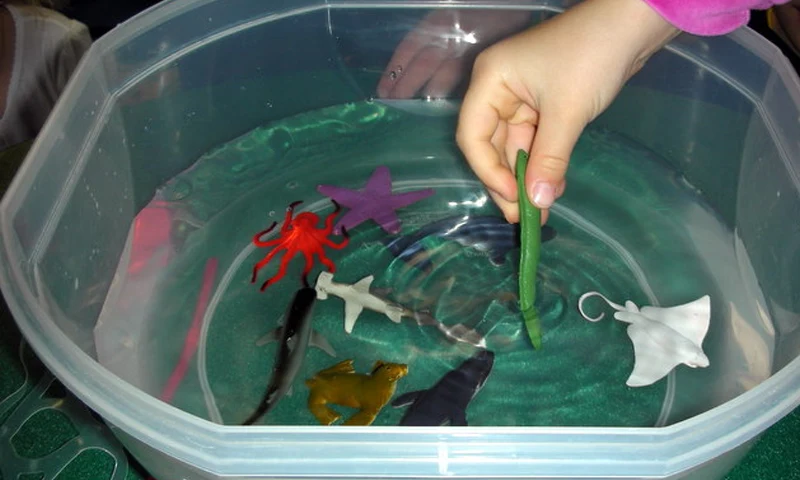
This game is simple and fun; you just need to place toy fish or floating animals into a shallow container of water. Children can use nets, spoons, or tongs to catch them.
As they play, you can ask open-ended questions and have the children sort the fish they catch by color, size, or type.
5. Sink or Float?
재료:
- Clear water bin
- Leaves, stones, plastic animals, toy boats, corks, shells, spoons, or blocks
- Two trays or baskets for sorting
How to play:
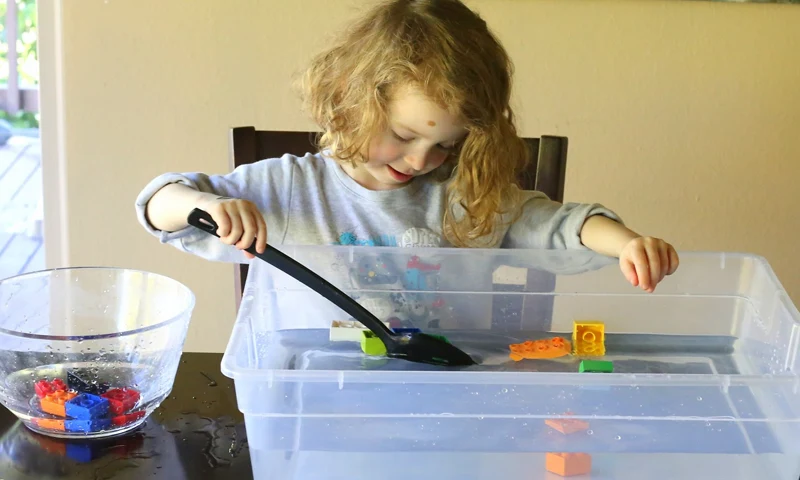
Sink or float is a simple water activity that always keeps preschoolers curious. You can prepare a small collection of everyday objects, such as leaves, stones, corks, toy boats, shells, spoons, or blocks, and let children place them into the water one by one.
Instead of turning it into a formal science lesson, let children watch what happens and sort the objects naturally. This type of exploration creates unexpected literacy opportunities as children describe textures, weight, and reactions. Some items will stay on top of the water, while others will drop to the bottom. After a few tries, children may begin to notice patterns on their own, such as light objects floating more easily or heavy objects sinking faster.
6. Scoop and Pour Station
재료:
- Water table or shallow bin
- Cups, scoops, spoons, and ladles
- Small pitchers
- Funnels
- Clear bottles or measuring cups
How to play:
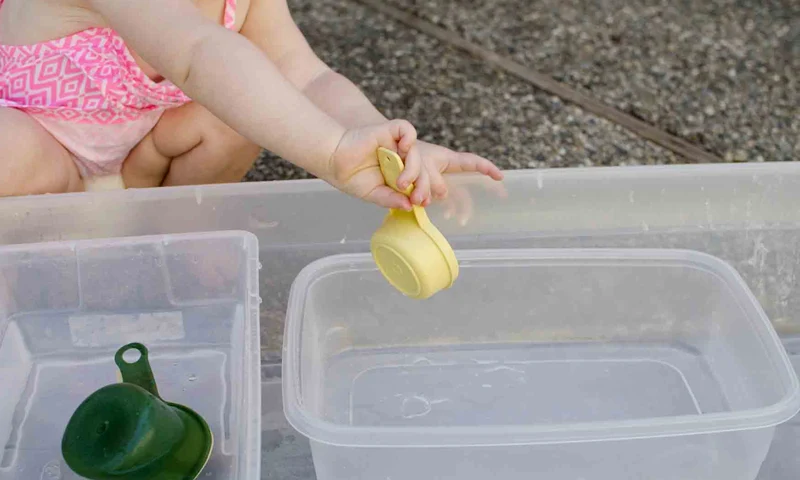
Set up containers in different sizes and let children move water from one cup to another. They can pour through funnels, fill bottles, and watch the water flow.
You can guide them by asking, “Which cup holds more water?” “Can you fill this bottle?” or “What happens when you pour slowly?” This is simple, but it gives children lots of practice with control, balance, and early math ideas.
7. Toy Washing Station
재료:
- Water bin or water table
- Washable toys
- Small brushes
- Sponges
- Towels
- Optional: mild child-safe soap
How to play:
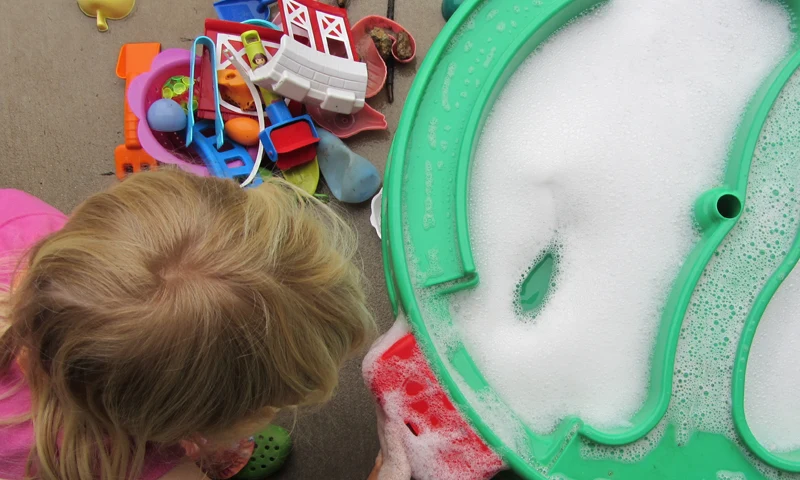
Set up a washing station with toy cars, plastic animals, pretend dishes, or outdoor toys. Children can dip, scrub, rinse, and dry the toys.
You can make it feel like pretend play by saying, “This car is dirty. Can you wash the wheels?” or “Which animal needs a bath?” You can also create a car wash, pet wash, dishwashing station, or baby doll bath.
8. Water Painting
재료:
- Bucket of clean water
- Paintbrushes, foam brushes, or rollers
- Outdoor pavement, wooden boards, stones, fence, or chalkboard
How to play:
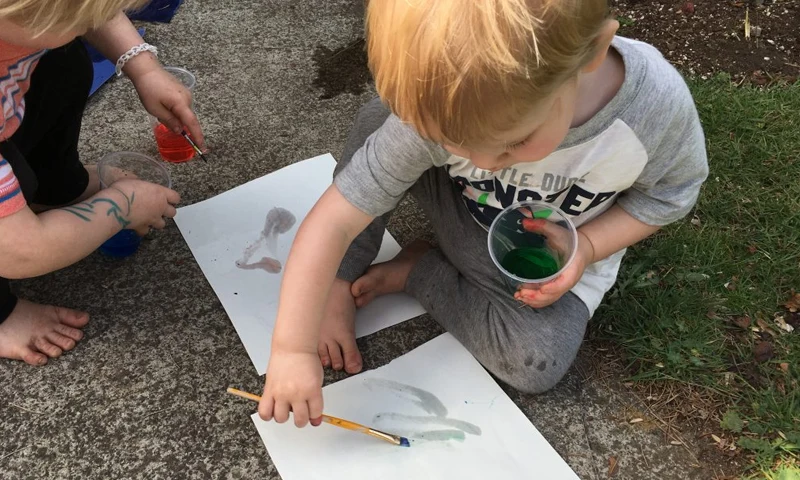
Give children brushes and a bucket of water, then let them “paint” on outdoor surfaces. The water marks will appear first and then slowly disappear as they dry.
You can guide them by asking them to paint lines, circles, roads, rivers, letters, or big shapes. This activity feels creative, but it has almost no cleanup.
9. Ice Cube Rescue
재료:
- Ice cubes or ice blocks
- Small preschool-safe toys
- Droppers, spray bottles, or small cups
- 따뜻한 물
- Tray or water table
How to play:
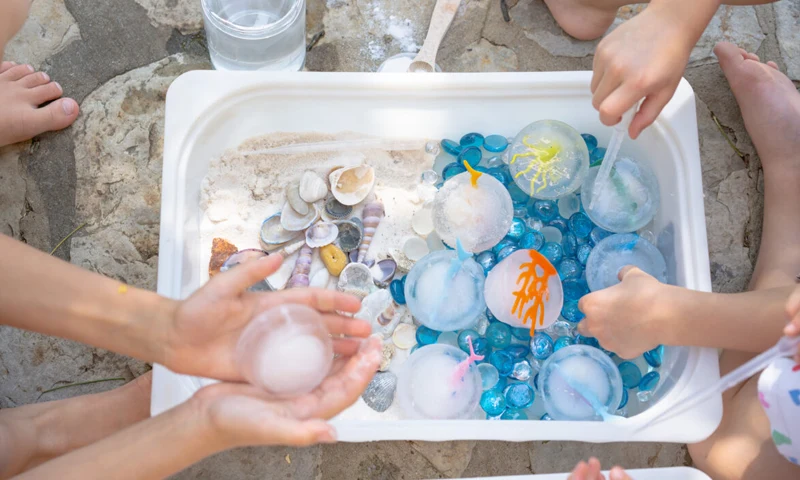
Freeze small toys inside ice cubes or larger ice blocks. Children can use droppers, spray bottles, or small cups of warm water to melt the ice and rescue the toys.
You can ask, “What is happening to the ice?” “Where is the toy hiding?” or “Does warm water help it melt faster?” You can also try themes like frozen dinosaurs, ocean animals, flowers, or colored ice blocks.
10. Bubble Wash Station
재료:
- Water bin or water table
- Child-safe soap
- Sponges and brushes
- Washable toys
- Towels
How to play:
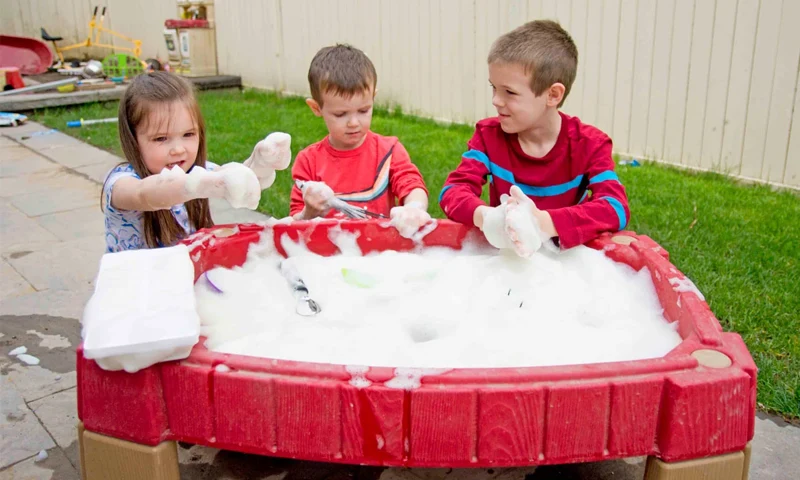
Add a small amount of child-safe soap to water and create a bubble wash station. Children can wash toy cars, balls, plastic animals, pretend dishes, or outdoor play tools.
You can guide them with questions like, “Can you make more bubbles?” “Which toy is the cleanest?” or “Can you rinse and dry this one?” This activity works well as a car wash, pet wash, or pretend kitchen cleanup game.
11. Nature Soup Station
재료:
- Water bin, mud kitchen, or outdoor table
- Leaves, flowers, grass, sticks, stones, or pinecones
- Large spoons, bowls, and cups
- Optional: toy pots and pans
How to play:
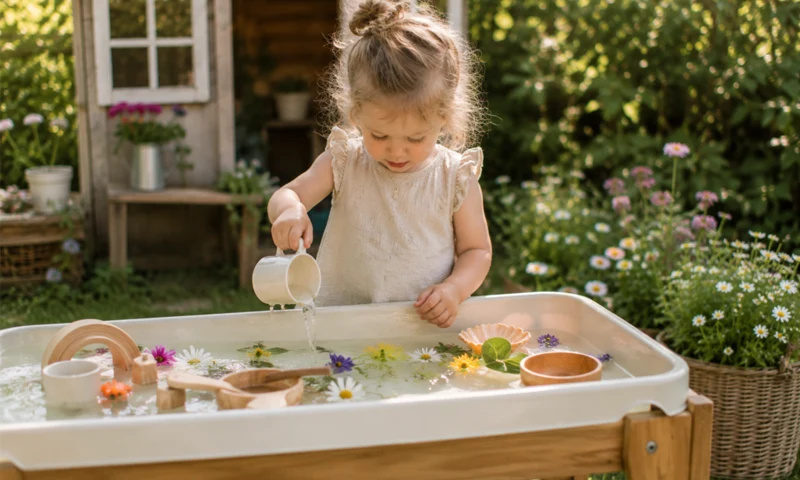
Add water to a bin or mud kitchen and offer safe natural materials. Children can mix leaves, petals, grass, and stones to make their own “soup,” “tea,” or “magic water.”
You can ask, “What are you cooking today?” “What color is your soup?” or “What happens when you stir it?” This activity is great for outdoor learning because children can use nature materials in pretend play.
12. Water Treasure Hunt
재료:
- Shallow water bin
- Large waterproof items, such as shells, smooth stones, toy gems, plastic animals, or colored blocks
- Scoops, tongs, or small nets
- Small sorting bowls
How to play:
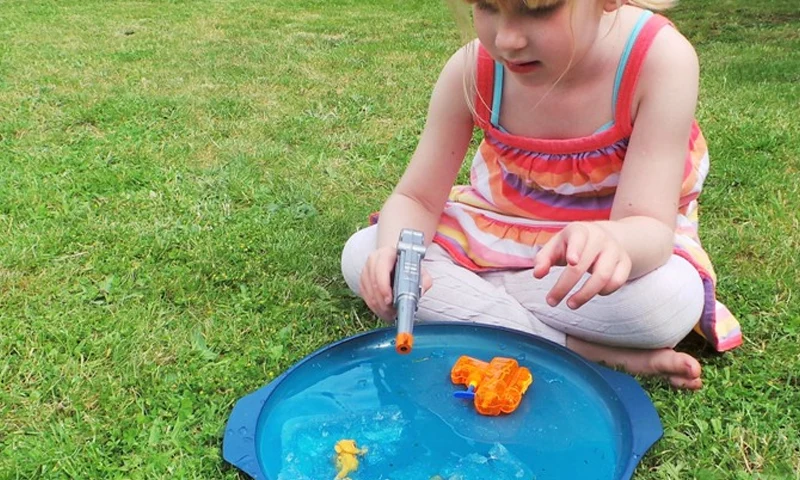
Place waterproof “treasures” in a shallow bin of water. Children can use scoops, tongs, or nets to find them.
You can give simple challenges like, “Can you find something blue?” “Can you find all the shells?” or “Can you collect three treasures?” After the hunt, children can sort the treasures by color, size, shape, or type.
13. Color Mixing Water Play
재료:
- Clear cups or small containers
- 물
- Washable food coloring or liquid watercolor
- Droppers, spoons, or small pitchers
- Tray or water table
How to play:
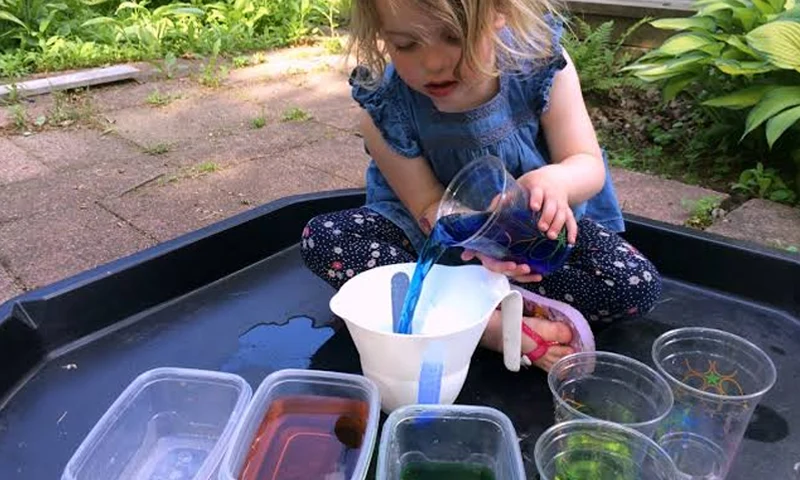
Prepare a few cups of colored water and let children mix them in clear containers. They can use droppers, spoons, or small pitchers to move the water.
You can ask, “What happens when blue and yellow mix?” or “Can you make a lighter color?” Keep the water amount small so children can experiment freely without making the setup hard to clean.
14. Rain and Cloud Play
재료:
- Water bin
- Sponges, strainers, cups with small holes, or watering cans
- Cotton balls or foam pieces
- Toy houses, animals, or plants
How to play:
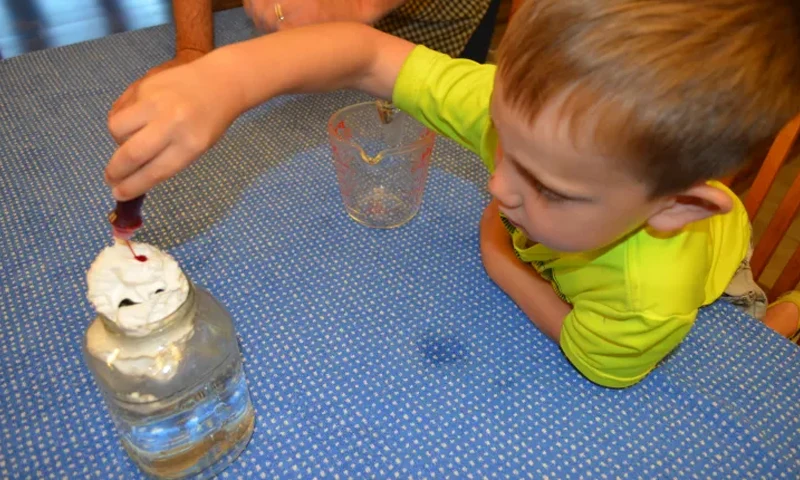
Let children create pretend rain using strainers, watering cans, or sponges. They can pour water through holes and watch it fall like raindrops.
You can guide them by saying, “Can you make gentle rain?” “Can you make a big storm?” or “What happens when the cloud gets full?” If you use sponges as clouds, children can squeeze them and watch the water drip down.
15. Water Relay Game
재료:
- Two buckets
- Small cups, ladles, or sponges
- 야외 공간
- Towels
How to play:
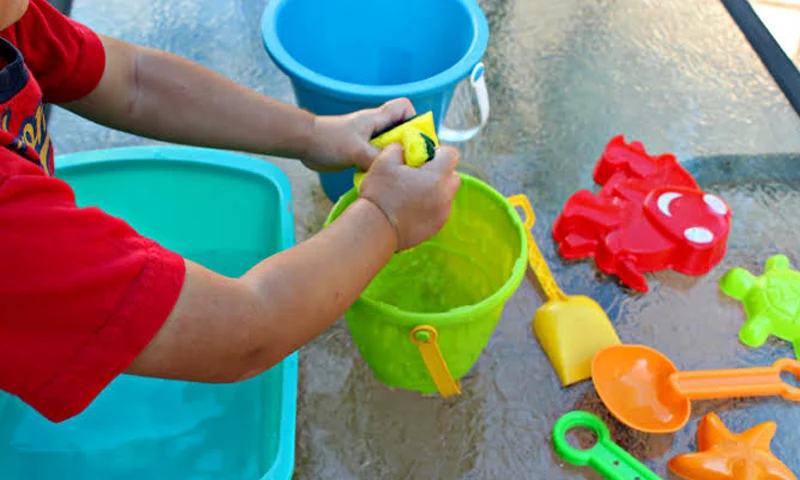
Place one bucket filled with water at the starting point and an empty bucket a short distance away. Children carry water from one bucket to the other using cups, ladles, or sponges.
Keep it cooperative instead of competitive. You can say, “Can we fill the bucket together?” or “Which tool carries the most water?” Try different tools in each round so children can compare what works best.
Outdoor Water Play Products for Preschool Summer Activities
Beyond fun water games, what other furniture and toys are suitable for children’s water play? A well-designed outdoor water play area can also feature sand and water stations, mud kitchens, water walls, water pump tables, storage carts, shaded areas, and easy-to-clean play surfaces.
At West Shore Furniture, we offer a wide range of outdoor learning products designed to support water play, sensory exploration, and summer activity planning for preschoolers.
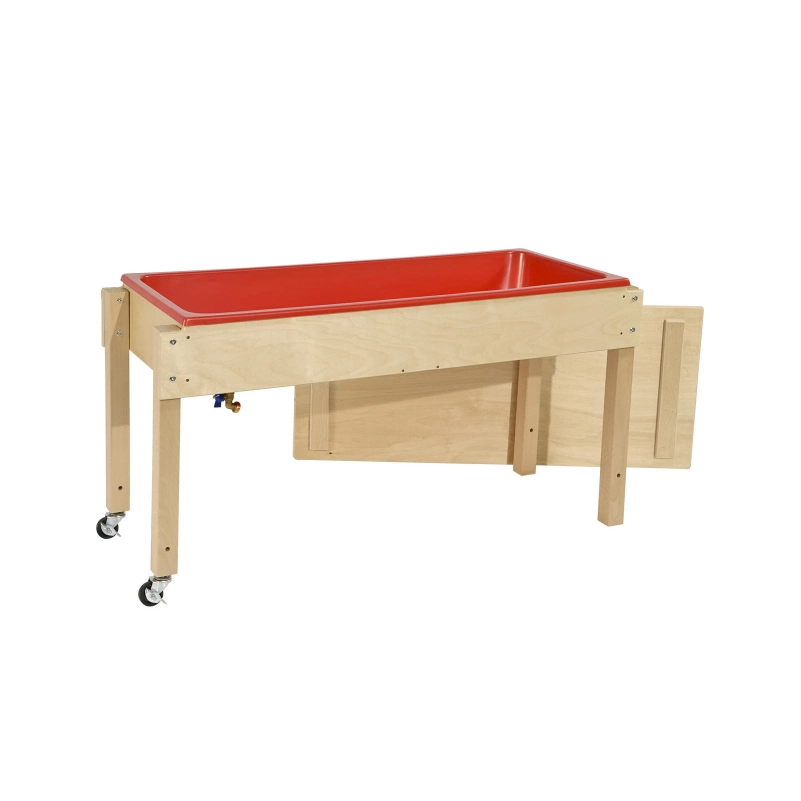
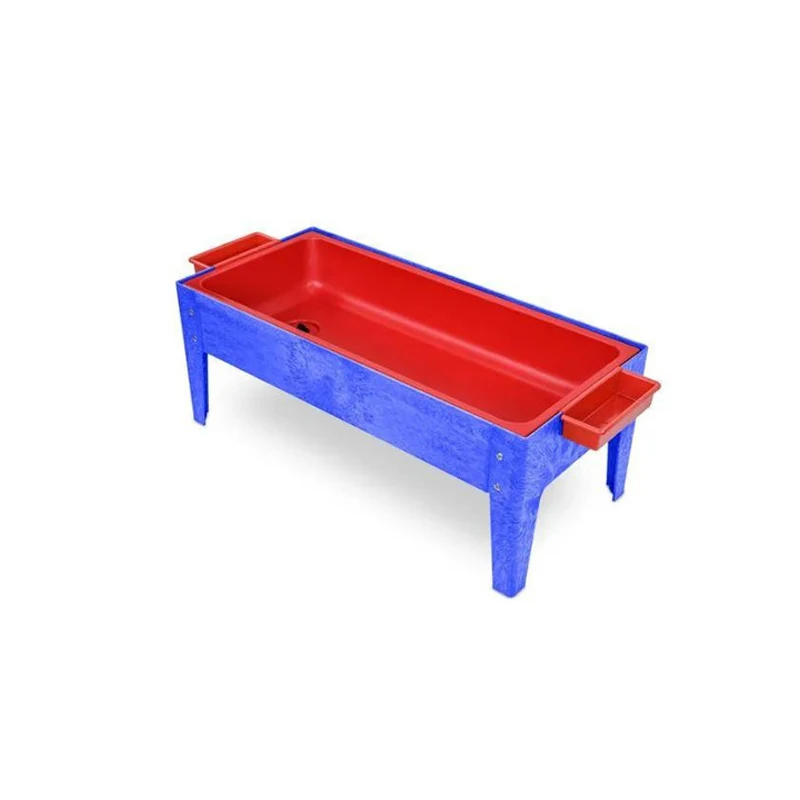
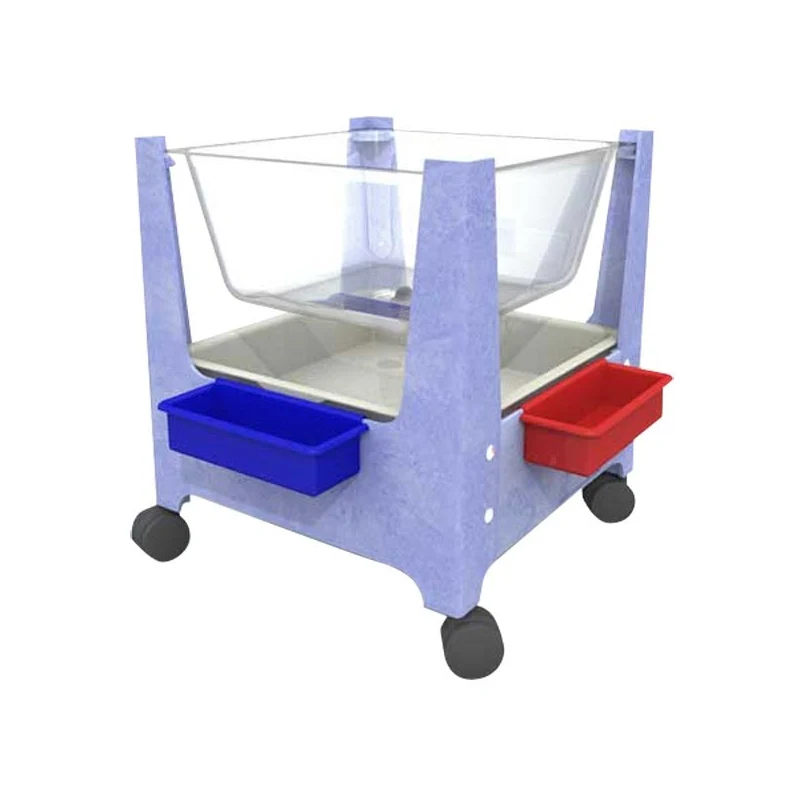
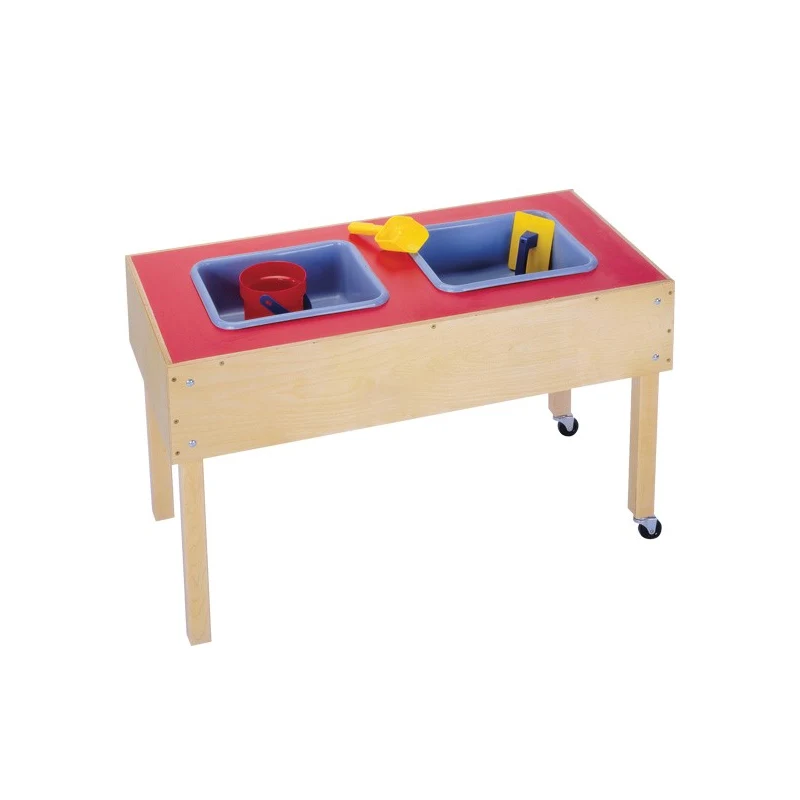
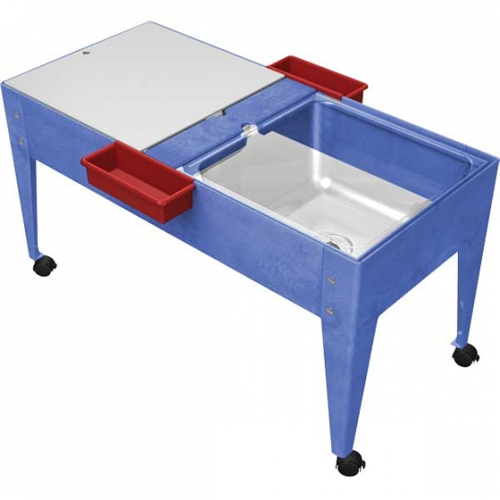
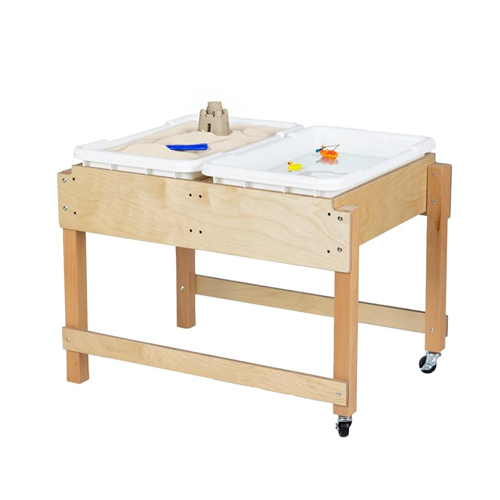
The water tables and containers manufactured by West Shore Furniture, as mentioned above, better support children’s water play.
You can also choose from more of our outdoor collections listed below.
Safety Guideline
Water play should feel fun, safe, and easy to accept. The goal is not to stop children from splashing and exploring, but to give them clear boundaries, clean routines, and a prepared space where teachers can manage the activity with confidence.
Set Simple Rules Children Can Remember
Before water play begins, use short and positive rules that children can understand quickly. Keep the same wording each time, so the rules become part of the routine.
Simple rules can include:
- “Keep the water in the table.”
- “Walk near the water.”
- “Pour gently.”
- “Tools are for pouring, not splashing friends.”
- “Wait for your turn.”
- “Tell a teacher if water spills.”
Keep Hygiene Habits Clear and Consistent
Water can get dirty quickly when several children share the same station, so hygiene needs to be simple and consistent. Teachers do not need complicated steps, but the same routine should happen every time.
Good hygiene habits include:
- Wash hands before water play.
- Wash hands again after water play.
- Start with fresh water when a new group begins.
- Change the water when it becomes cloudy, soapy, muddy, or full of outdoor materials.
- Clean shared tools such as cups, funnels, droppers, brushes, sponges, and scoops.
- Let tools dry fully before storing them.
- Avoid adding food items unless you can clean the area right after the activity.
- For children who still put objects in their mouths, use larger tools and supervise more closely.
These small routines help keep water play clean, especially during toy washing, nature play, bubble activities, and mud kitchen play.
Prepare Before Play Starts
A little preparation before the activity can prevent water play from becoming a cleanup battle. Before children come to the station, set up the space, prepare the tools, and make cleanup easy to reach.
Before water play, prepare:
- A waterproof mat or towel under the station
- Extra towels near the play area
- A small mop or absorbent cloth
- Smocks, aprons, or play clothes
- A basket for clean tools
- A separate bin for wet or used tools
- A place for children to dry their hands
- A clear path around the water play area
- Drinking water for outdoor summer play
- Shade if the activity is outdoors
You can also plan cleanup as part of the activity. Children can help wipe small spills, return scoops to the basket, place wet towels in a bin, or dry toy cars and animals after washing. When cleanup is built into the routine, children learn that play also includes caring for the space and materials.
FAQs About Water Play Activities for Preschoolers
How can I set up water play indoors without a huge mess?
Use a small setup, such as a shallow tray, small bin, or preschool water table, and place a waterproof mat or towel underneath. Keep the water level low, prepare extra towels nearby, and choose calm activities like scooping and pouring, toy washing, Sink or Float, or small sensory bins. It also helps to limit the group size to two or three children at a time, so teachers can manage spills before they spread.
How do I keep the water play clean and hygienic?
Start with fresh water and ask children to wash their hands before and after water play. Change the water when it becomes cloudy, soapy, muddy, or full of outdoor materials, especially when several children share the same station. After the activity, empty the water, clean shared tools such as cups, scoops, funnels, brushes, and toy animals, and let everything dry fully before storing.
What can I put in a preschool water table?
You can put cups, scoops, measuring containers, sponges, toy animals, shells, floating toys, nets, brushes, and large waterproof materials in a preschool water table. Choose items that are safe, washable, and suitable for the children’s age.
How do I plan a preschool water play day?
Choose 3–5 simple stations, such as sponge walk, water painting, Go Fish, toy washing, and a water sensory bin. Keep each station easy to explain, prepare towels and cleanup supplies in advance, and rotate children in small groups so the day stays fun and organized.
Are water play activities suitable for toddlers?
Yes, but toddler water play should be very simple and closely supervised. Use shallow water, large washable tools, soft sponges, cups, and simple pouring activities. Avoid small parts, deep containers, and activities that require too many steps.
결론
Water Play Activities for Preschoolers can turn a hot summer day into a meaningful play experience. From sensory bins and water games to outdoor water play, water table activities, and simple science exploration, these activities help children stay cool, active, and curious while giving teachers flexible ideas for daily preschool routines.
To make preschool water play work well, the setup matters just as much as the activity itself. A clear play area, shallow water, washable tools, simple safety rules, and easy cleanup routines can help teachers manage water activities with less stress. For preschools and daycare centers planning a more complete outdoor learning space, child-sized water tables, storage units, mud kitchens, and other kindergarten furniture from 웨스트 쇼어 가구 can also help create a safer and more organized environment for summer play.
When water play is planned with the right activities, products, and routines, it becomes much more than a way to cool down. It becomes a hands-on learning experience where children can pour, splash, observe, cooperate, and enjoy the simple happiness of playing with water.