If you are building a budget, childcare startup cost New Zealand figures usually start with service type. Home-based ECE typically costs $10,000 to $55,000 NZD to launch. A centre-based education and care service usually costs $180,000 to $750,000 NZD or more, depending on facility size, region, fit-out scope, licensed places, and whether you phase equipment purchases across rooms.
Startup costs depend on whether you open home-based ECE or a centre-based education and care service. Home-based educators typically use existing residential space, while centre operators need an approved commercial facility, more qualified staff, Ministry of Education licensing, and a larger equipment budget.
There is no single price tag for opening a childcare centre in New Zealand. A home-based educator setting up a dedicated play space may spend far less than an operator leasing a commercial building for four rooms in Auckland or Wellington. Yet both face the same core cost categories: Ministry of Education licensing, facility preparation, furniture and equipment, staffing under the ECECA, insurance, marketing, and working capital.
Is $250,000 enough to open a centre? Which costs are fixed, and which can be phased? What should you budget for furniture before requesting supplier quotes? This guide answers those questions with a practical 2026–2027 cost breakdown you can use for business planning, bank discussions, investor conversations, and supplier quotes.
Note: Early childhood education in New Zealand is regulated by the Ministry of Education under the Early Learning regulatory framework. The figures below reflect national planning ranges in NZD; always confirm requirements with the Ministry and your local council before committing to a lease. For New Zealand-specific product ranges, project galleries, and local enquiry, see our dedicated site childcarefurniture.co.nz.
How Much Does It Cost to Start a Childcare Centre in New Zealand in 2026–2027?
The biggest difference between home-based ECE and centre-based education and care is facility cost. Home-based educators avoid commercial rent and major fit-out work, though they still need safety upgrades, insurance, and program materials that meet licensing standards. Centre operators must budget for lease deposits, code-compliant renovations, classroom furniture, outdoor play areas, and several months of payroll before occupancy stabilizes.
For planning purposes, many first-time centre operators in New Zealand underestimate three areas:
- Facility fit-out — washroom ratios, fire safety, accessibility, flooring, kitchen upgrades, and secure entry often cost more than expected in leased commercial space.
- Furniture and equipment — cots, tables, chairs, storage, playground equipment, and learning materials add up quickly across multiple rooms.
- Working capital — payroll, rent, utilities, and food costs continue even when enrollment is still growing, especially in competitive metro markets.
What Is Included in New Zealand Childcare Startup Costs?
A complete childcare startup budget in New Zealand usually covers ten core areas:
- Regulatory approval and registration — probationary licence application ($2,817.50 incl. GST, 2026), business registration, educator checks, First Aid, and ECE qualifications
- Facility costs — lease deposit, rent prepayment, renovation, washrooms, flooring, and fire/safety upgrades
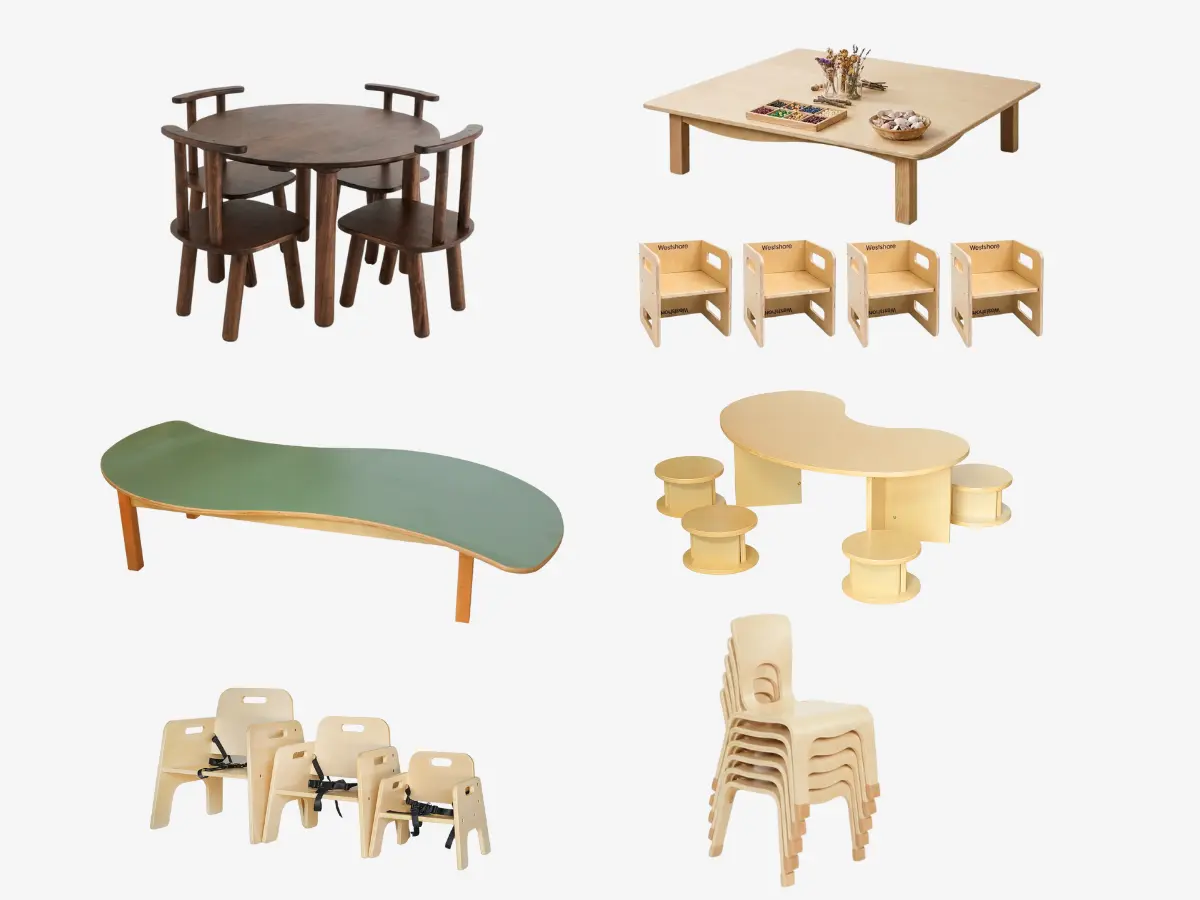
- Classroom furniture and storage — tables, chairs, shelving, cubbies, cots, rest mats, and educator storage
- Learning materials and toys — blocks, loose parts, dramatic play, art supplies, books, and Montessori or Reggio-specific materials
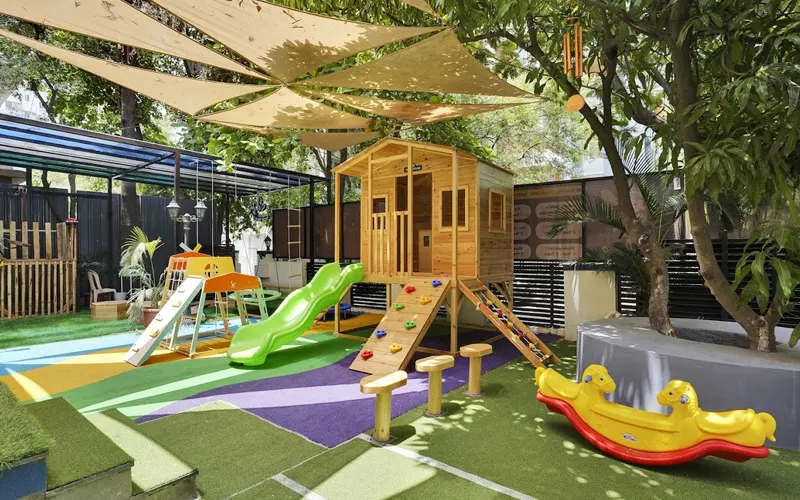
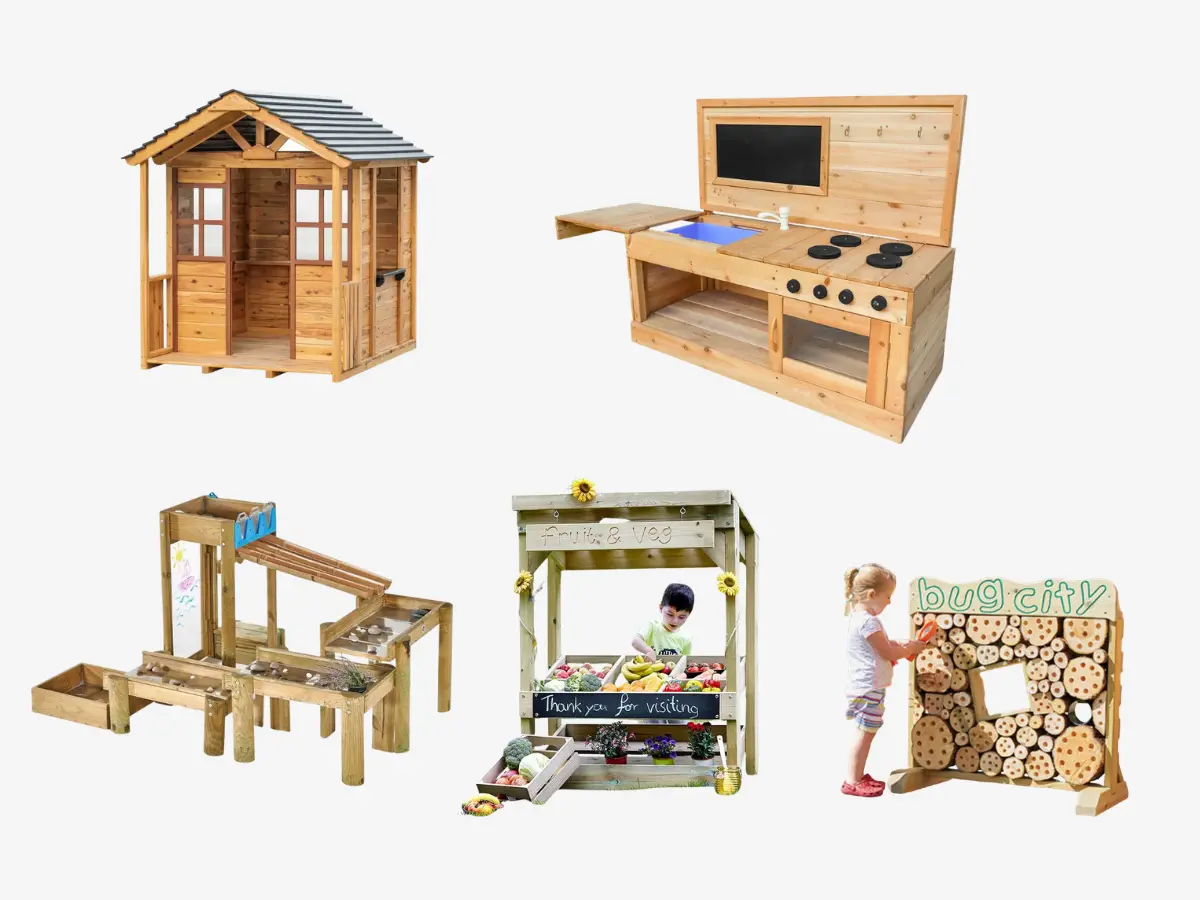
- Outdoor equipment — climbing structures, safety surfacing, fencing, shade, and outdoor learning resources
- Kitchen and daily operations — refrigerators, sinks, dish storage, food prep tools, laundry, and cleaning systems
- Technology and admin — enrolment software, security cameras, phone/internet, accounting, and subsidy payment setup
- Insurance — public liability, property, ACC levies, and professional indemnity where required
- Marketing and enrollment — website, signage, local advertising, and open-day events
- Working capital — 3–6 months of operating reserve for payroll, rent, food, utilities, and supplies
Childcare Startup Cost New Zealand: Breakdown by Category
The tables below show typical budget shares for a centre-based education and care service opening a 4-room facility for approximately 80 licensed places in a major New Zealand city. Adjust the numbers based on your region, facility condition, and enrollment target.
Overall Budget Example: $320,000 NZD Centre-Based Startup
| Cost Category | Typical Share | Example Budget (NZD) | What It May Include |
|---|---|---|---|
| Facility lease and fit-out | 28%–42% | $100,000 | Deposit, first month’s rent, renovation, washrooms, flooring, fire safety |
| Furniture and classroom equipment | 12%–20% | $55,000 | Tables, chairs, storage, cubbies, cots, educator cabinets, room dividers |
| Outdoor play area | 8%–14% | $32,000 | Play structure, surfacing, fencing, shade, site prep |
| Approval, legal, and insurance | 5%–10% | $20,000 | Licence fee, legal review, first insurance premiums |
| Learning materials and toys | 5%–8% | $16,000 | Blocks, loose parts, dramatic play, art, books, STEM materials |
| Technology and admin setup | 3%–5% | $11,000 | Enrolment software, cameras, computers, phones |
| Marketing and pre-opening | 3%–5% | $11,000 | Website, signage, ads, open day |
| Staff hiring and training (pre-opening) | 5%–8% | $17,000 | Recruitment, onboarding, First Aid, orientation |
| Kitchen, cleaning, and daily ops | 3%–5% | $11,000 | Appliances, dish storage, laundry, janitorial setup |
| Working capital reserve | 15%–25% | $60,000 | 3–4 months payroll, rent, food, utilities, supplies |
| Total | — | $320,000 | A standard multi-room centre opening budget |
Methodology note: This example uses planning ranges from West Shore APAC childcare fit-out projects and operator benchmarks. Your actual budget depends on lease terms, room count, philosophy, and whether furniture is sourced locally or imported.
New Zealand Childcare Startup Budget Estimator (2026–2027)
Select your centre scope to see planning ranges for total startup budget, furniture, and a suggested order timeline. Figures are indicative—not a quote.
New Zealand enquiry: childcarefurniture.co.nz · Or use the APAC furniture planning page—include your room count and target opening date.

APAC Project Reference: What Multi-Room Budgets Look Like
West Shore has delivered furniture and learning environments for early learning centres across Australia and the wider APAC region. While we do not publish named New Zealand centre case studies with project-specific numbers, operators on similar multi-room programs commonly compare their budgets against established APAC reference projects.
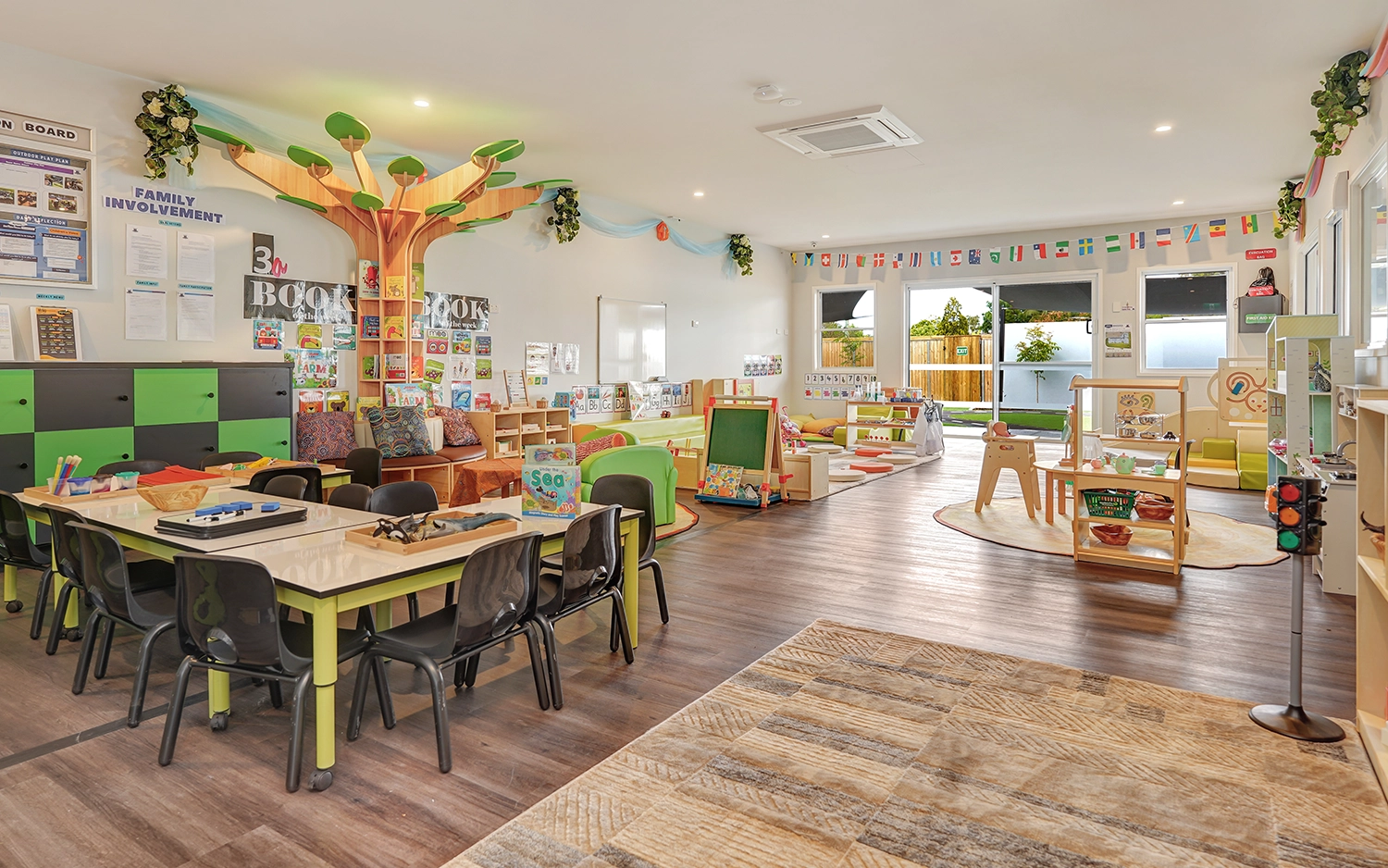
This Queensland Reggio-inspired centre illustrates how a large-scale fit-out across multiple learning environments is coordinated as one furniture program—rather than room-by-room local orders. See more projects on our APAC childcare furniture page.
| Scope highlight | Typical pattern (West Shore APAC projects) |
|---|---|
| Load planning | One 40HQ container often holds 4–5 classrooms of indoor furniture; compact outdoor scope can ship in the same load |
| Customization | Non-standard dimensions, finishes, and logo/branding on selected panels |
| Reported savings | Clients commonly cite 30–50% lower cost vs comparable local quotes on full-room packages* |
| Best fit | New centres with a confirmed floor plan and 10–14 weeks before opening |
*Before freight, GST and inland delivery. View APAC projects and request planning support →
Landed Cost Reality: Importing Furniture to New Zealand
Comparing a factory quote to a local showroom price is not apples-to-apples until you include landed cost: FOB product price + ocean freight + insurance + customs clearance + GST/duties + inland delivery + assembly time.
Typical Timeline (Factory to Centre)
| Stage | Typical Duration | Notes |
|---|---|---|
| Production after order confirmation | 4–6 weeks | Custom sizes or branding may add time |
| Ocean transit to NZ ports | 2–5 weeks | Auckland, Tauranga, Lyttelton—seasonal congestion varies |
| Customs clearance + inland delivery | 1–2 weeks | Documentation, biosecurity checks if applicable, last-mile access |
| Total planning window | 10–14 weeks | Add buffer for peak shipping and council fit-out delays |
Under the China–New Zealand Free Trade Agreement, many Chinese-origin furniture items enter at 0% duty with a valid Certificate of Origin. Without it, standard tariff rates may apply. 15% GST is calculated on the customs value plus duty, freight, and insurance—not on the goods value alone. Confirm classification with your broker or New Zealand Customs rather than relying on generic calculators.
Plan backwards from your opening date
Share your target fit-out date, region and room scope on our APAC enquiry form—we plan production and shipping backwards from opening day.
Open APAC planning form →When Importing May Not Be the Best Fit
- Opening in under 10 weeks with no buffer for production and shipping
- Furnishing one room only or a small top-up order where freight dominates unit cost
- Need for immediate local warranty replacement with no spare stock on site
Furniture and Classroom Equipment Costs
| Room Type | Typical Capacity | Furniture Budget (NZD) | Cost per Child (NZD) | Main Items |
|---|---|---|---|---|
| Nursery / infant | 8–12 children | $13,000–$22,000 | $1,100–$1,500 | Cots, low shelves, changing storage, feeding chairs, soft seating |
| Toddler | 10–15 children | $10,000–$18,000 | $600–$950 | Small tables and chairs, open shelving, cubbies |
| Preschool / kindergarten | 16–22 children | $11,000–$20,000 | $500–$800 | Activity tables, chairs, storage, dramatic play, art storage |
| Shared spaces | — | $9,000–$22,000 | — | Reception, staff storage, laundry, hallway cubbies |
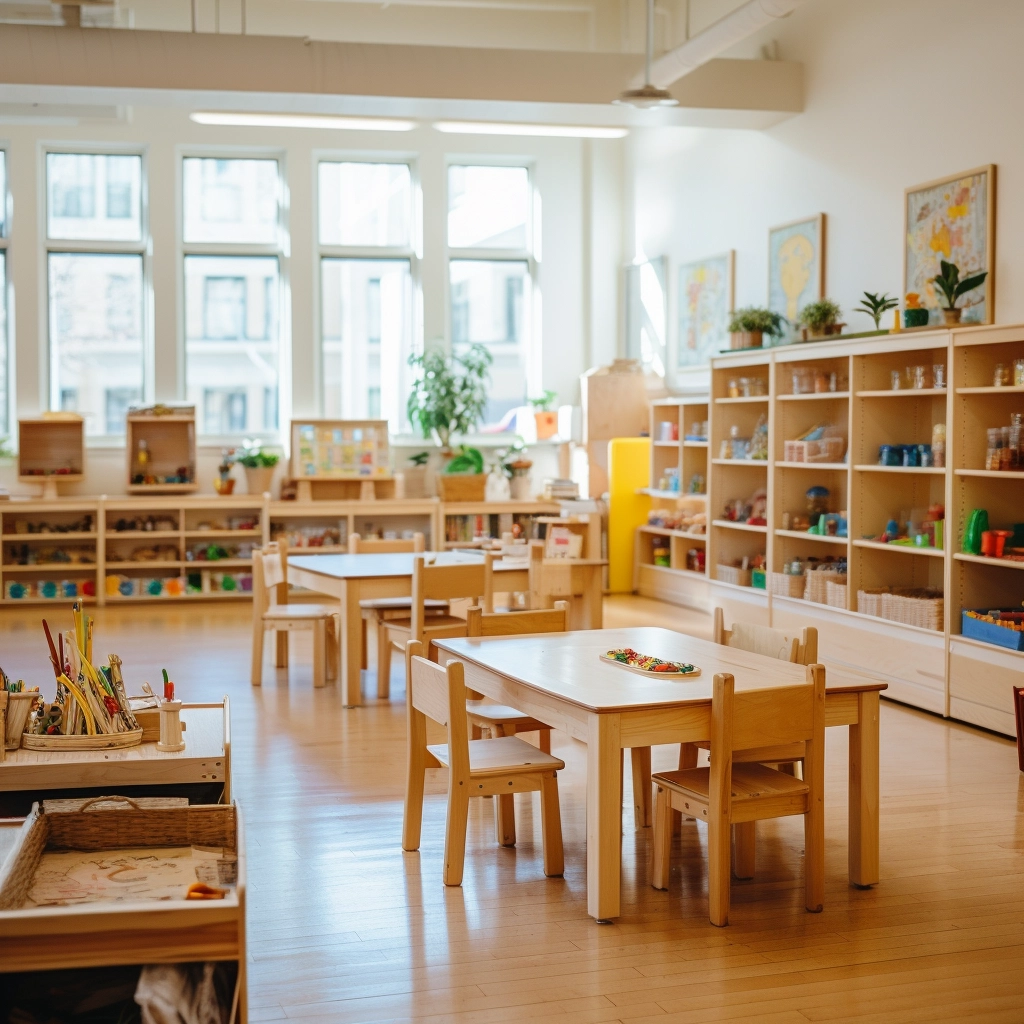
For a 4-room centre, a practical furniture budget is often $50,000–$95,000 NZD. Montessori, Reggio, and nature-play programs may run 15–25% higher due to specialized shelving, loose-parts storage, and atelier equipment.
Want this table as an editable budget sheet?
Download planning support via our APAC centre form—tell us your room mix and we will help turn these ranges into a line-item list.
Get editable NZD budget sheet →Related reading: Standard Daycare Locker & Cubby Dimensions
Phased Furniture Purchase: What to Buy First
| Phase | Share of Furniture Budget | Priority Items | 타이밍 |
|---|---|---|---|
| Phase 1 — Licensing essentials | 60%–70% | Cots, tables, chairs, core storage, cubbies, educator cabinets | Before licensing visit / opening |
| Phase 2 — Program enrichment | 20%–25% | Dramatic play, art storage, STEM units, additional loose parts | 0–3 months after opening |
| Phase 3 — Differentiation | 10%–15% | Custom branding, specialty Montessori/Reggio pieces, outdoor learning furniture | After enrollment stabilizes |
Download the Phase 1 licensing checklist
Phase 1 items are what licensing advisors and parents notice first—cots, core tables, storage and cubbies. Request a checklist aligned to your room ages.
Get Phase 1 checklist →Space and Ratio Requirements That Drive Your Furniture Quantities
Under the Education (Early Childhood Services) Regulations 2008, indoor and outdoor space minimums and educator-to-child ratios directly determine how many cots, tables, chairs, and storage units you need—not just how large the building feels. Licensed indoor space is measured at 2.5 m² per child and outdoor at 5 m² per child, excluding fixed fittings, toilets, stored goods, and passageways. Your furniture choices affect how many licensed places a floor plan can support.
| Age group | Ratio (centre-based, Schedule 2) | Indoor / outdoor minimum | Furniture planning note |
|---|---|---|---|
| Under 2 years | 1 : 5 | 2.5 m² indoor / 5 m² outdoor per child | Highest cot, change-table and low-shelf count |
| 2 years and over | ~1 : 10 (planning benchmark) | 2.5 m² indoor / 5 m² outdoor per child | Activity tables, open shelving, cubbies |
| Mixed-age rooms | Apply strictest ratio | Exclude fixed fittings from m² count | Mobile storage preserves usable play space |
Confirm current ratios in Schedule 2 of the Education (Early Childhood Services) Regulations before signing a lease. A floor plan that meets m² rules but fails ratio staffing is one of the most expensive mistakes in startup budgeting.
Turn ratios into a furniture list
Once you know licensed places per room, request an editable room-by-room budget sheet for New Zealand centres.
Get editable NZD budget sheet →Childcare Centre Fit-Out Costs in New Zealand
Childcare centre fit-out (also called build-out or refurbishment) is usually the largest startup line after working capital. Searchers using childcare centre fitout cost New Zealand are often past the idea stage—they have a site or builder and need realistic NZD ranges.
| Fit-out component | Typical range (NZD) | Notes |
|---|---|---|
| Lease deposit + first month | $18,000–$55,000+ | Auckland and Wellington commercial rent drives this |
| Washrooms, kitchen, fire & accessibility upgrades | $45,000–$140,000 | Former retail/office sites often need the most work |
| Flooring, paint, secure entry | $22,000–$70,000 | Non-toxic finishes and durable surfaces for licensing |
| Outdoor play (structure, surfacing, fence) | $22,000–$100,000 | Playground cost guide |
| Total fit-out (leased shell, 4-room centre) | $70,000–$220,000+ | Excludes furniture and working capital |
Need supplier-ready documentation for fit-out planning? See our childcarefurniture.co.nz or our APAC centre furniture enquiry form—share room ages, scope and target fit-out date.
Licensing, Staffing, and Operating Funding (Summary)
Licensing: The Ministry of Education probationary licence application fee is $2,817.50 incl. GST (2026). Plan additional budget for legal support, educator checks, first aid, and first-year insurance—often $12,000–$30,000 NZD in total for approval-related costs.
Staffing: Wages for certificated teachers typically follow the Early Childhood Education Collective Agreement (ECECA). Entry certificated teacher rates on the P1–P3 scale start from about $27.58/hour (2026). Pay parity attestation varies by employer—budget against licensed maximum places, not day-one occupancy.
Operating funding: 그만큼 ECE Funding Subsidy supports approved services once operating—it is not startup capital. Do not count subsidy income toward furniture or fit-out purchases before you are licensed and enrolled.
Regional Considerations Across New Zealand
Auckland and Wellington
- Highest commercial rent and fit-out competition—budget longer pre-opening marketing and working capital
- Strong demand for quality outdoor play and natural-material classrooms in parent tours
- Port delivery to Auckland is straightforward; allow extra time for CBD or suburban last-mile access
Regional North Island
- Lower rent than metro centres but similar licensing and ratio requirements
- Hamilton, Tauranga, and Palmerston North markets may have shorter enrollment ramp-up timelines
- Freight from Auckland port to regional sites adds modest inland delivery cost
South Island
Christchurch, Dunedin, and Queenstown operators should factor South Island freight premiums into landed furniture cost—factor port and inland delivery into quotes early. Confirm space and ratio rules with the Ministry of Education before finalizing room layouts.
Related Startup Guides
Explore more planning resources
West Shore’s dedicated New Zealand site covers AS/NZS-aligned furniture, local project support, and centre enquiry. You can also use our wider APAC planning form for factory-direct quotes and layout assistance.
Where are you in the opening journey?
Choose the stage that fits—you will land on our APAC planning form with the right context.
Prefer a quick call? Email sales@westshorewood.com to book a 15-minute planning chat.
결론
Your final childcare startup cost New Zealand total in 2026–2027 will depend on service type, region, facility condition, licensed places, and how you phase equipment purchases. Home-based ECE may launch with $10,000–$55,000 NZD, while centre-based projects often require $180,000–$750,000 NZD or more once fit-out, furniture, outdoor play, staffing, and working capital are included.
The most reliable budget starts with a category breakdown—not a single estimate. Confirm probationary licence costs ($2,817.50 incl. GST), renovation scope, furniture lists, playground requirements, ECECA wages, and at least three months of operating reserve before you commit to a lease or supplier contract.
This guide is part of our international startup cost hub. See the United States guide · See the Canada guide · See the Australia guide