A home-based daycare in the United States typically costs $10,000 to $50,000 to launch. A center-based childcare program usually costs $80,000 to $300,000 or more, depending on facility size, renovation scope, enrollment capacity, and local licensing requirements.
Startup costs depend on whether you open a home-based program or a commercial childcare center. Home-based daycares typically cost $10,000 to $50,000, while center-based programs often require $80,000 to $300,000 or more.
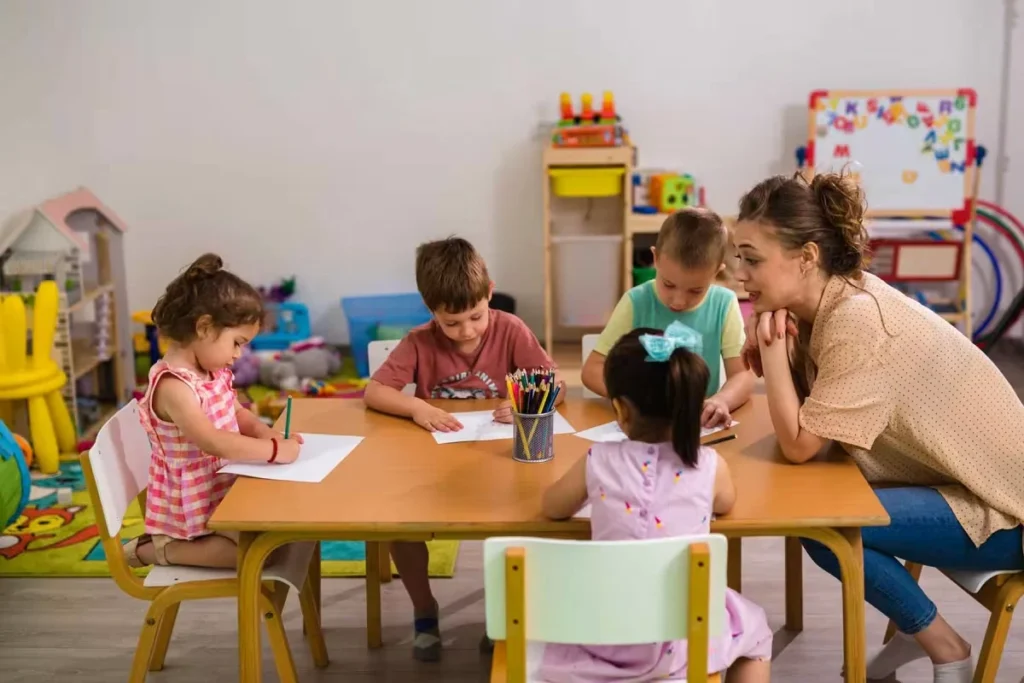
There is no single price tag for opening a daycare. A home provider converting a spare room may spend far less than a center opening four classrooms in a leased commercial building. Yet both operators face the same core cost categories: licensing, facility preparation, furniture and equipment, staffing, insurance, marketing, and working capital.
Is $100,000 enough to open a center? Which costs are fixed, and which can be phased? What should you budget for furniture before requesting supplier quotes? This guide answers those questions with a practical 2026 cost breakdown you can use for business planning, loan applications, and supplier discussions.
How Much Does It Cost to Start a Daycare in 2026?
The biggest difference between home-based and center-based models is facility cost. Home-based operators avoid commercial rent and major build-out work. Center-based operators must budget for lease deposits, code-compliant renovations, classroom furniture, outdoor play areas, and several months of payroll before enrollment stabilizes.
For planning purposes, many first-time center owners underestimate three areas:
- Facility build-out — electrical, plumbing, fire safety, restroom ratios, and accessibility upgrades often cost more than expected.
- Furniture and equipment — tables, chairs, storage, cribs, playground equipment, and teaching materials add up quickly across multiple rooms.
- Working capital — payroll, rent, utilities, and food costs continue even when enrollment is still growing.
The sections below break each category down so you can see where your budget may go and which items should be confirmed before signing a lease or approving a furniture quote.
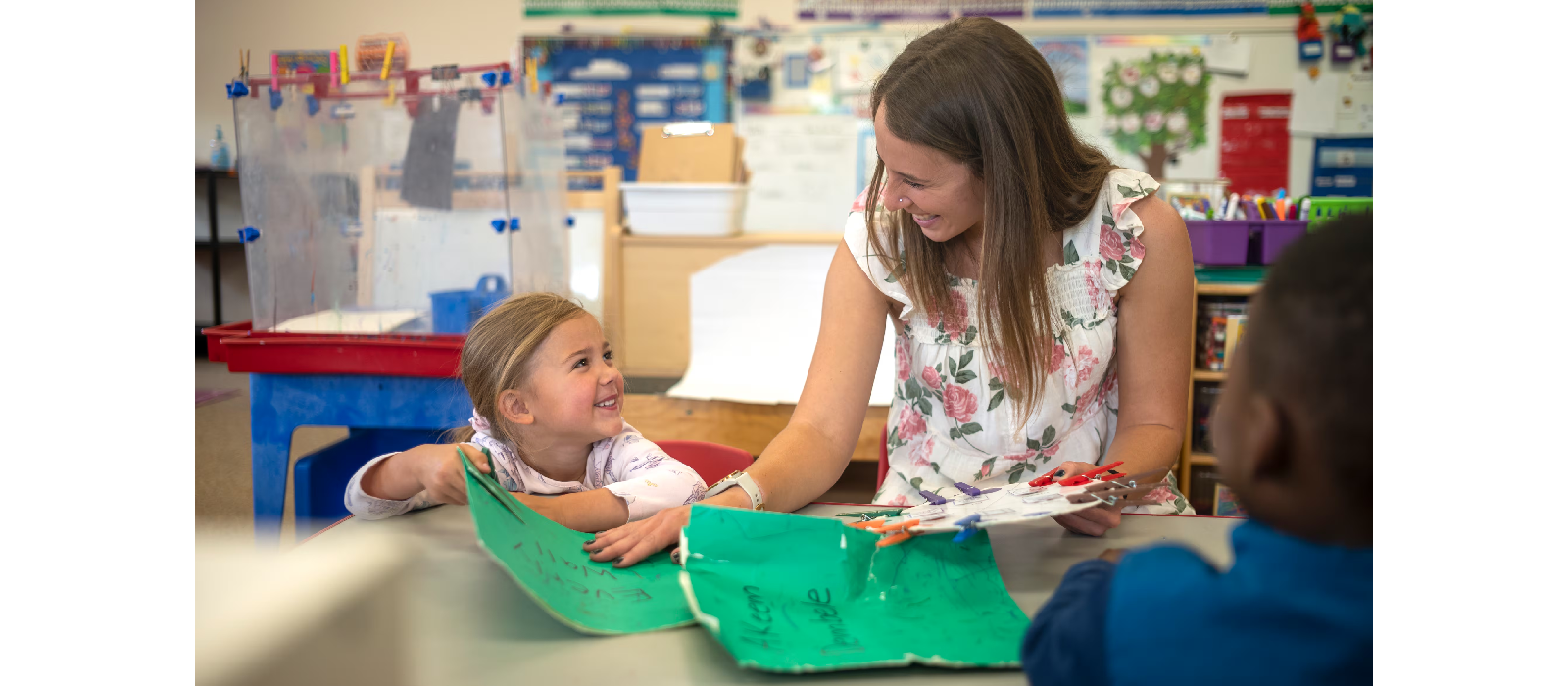
What Is Included in Daycare Startup Costs?
A complete daycare startup budget usually covers ten core areas:
- Licensing and registration — state childcare license, business registration, background checks, CPR/first aid, and required trainings
- Facility costs — lease deposit, rent prepayment, renovation, ADA adjustments, restrooms, flooring, and fire/safety upgrades
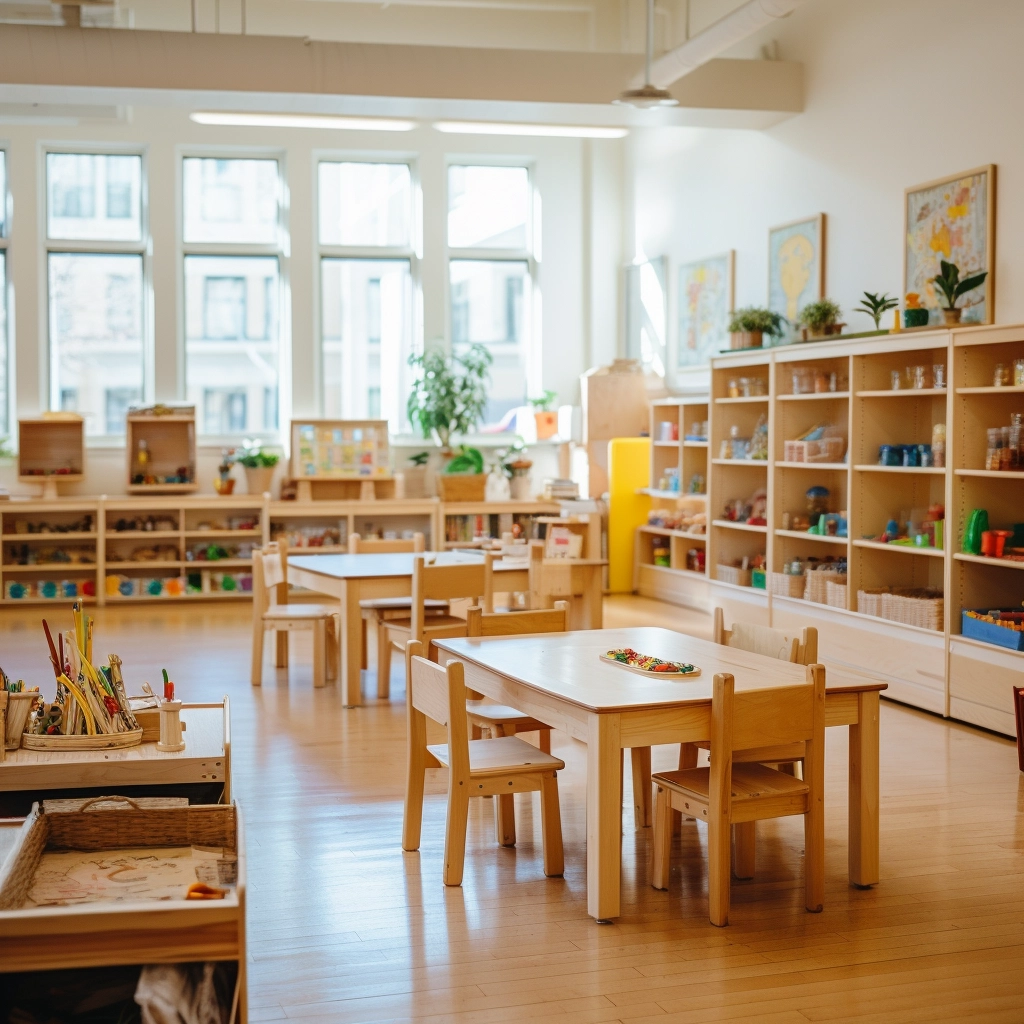
- Classroom furniture and storage — tables, chairs, shelving, cubbies, cribs, nap mats, and teacher storage
- Learning materials and toys — blocks, puzzles, dramatic play items, art supplies, books, and Montessori or curriculum-specific materials
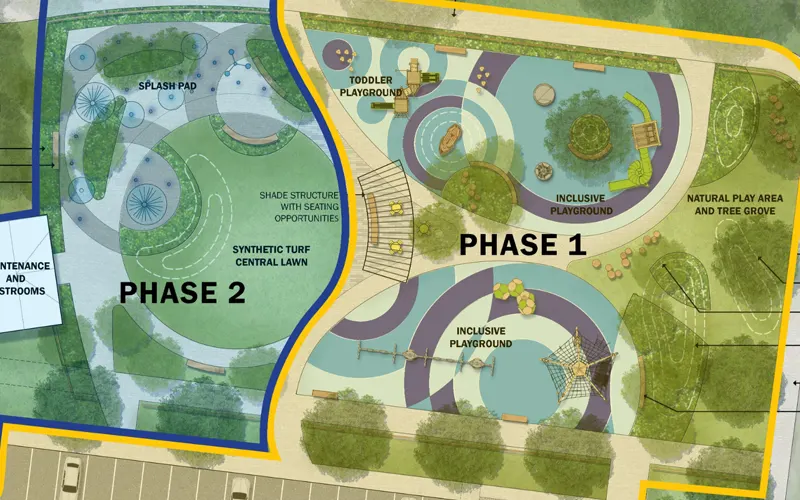
- Outdoor equipment — playground structures, safety surfacing, fencing, shade, and outdoor learning tools
- Kitchen and daily operations — refrigerators, sinks, dish storage, food prep tools, laundry, and cleaning systems
- Technology and admin — enrollment software, security cameras, phone/internet, accounting, and payment systems
- Insurance — general liability, property, workers’ compensation, and sometimes abuse and molestation coverage
- Marketing and enrollment — website, signage, local advertising, and open-house events
- Working capital — 3–6 months of operating reserve for payroll, rent, food, utilities, and supplies
Reviewing these categories separately makes it easier to compare quotes, identify missing line items, and decide what can be purchased in phases.
Daycare Startup Cost Breakdown by Category
The tables below show typical budget shares for a center-based daycare opening a 4-classroom facility for approximately 80 children. Adjust the numbers up or down based on your city, facility condition, and enrollment target.
Overall Budget Example: $200,000 Center-Based Startup
| Cost Category | Typical Share | Example Budget | What It May Include |
|---|---|---|---|
| Facility lease and build-out | 25%–40% | $60,000 | Deposit, first month’s rent, renovation, restrooms, flooring, fire safety |
| Furniture and classroom equipment | 12%–20% | $30,000 | Tables, chairs, storage, cubbies, cribs, teacher cabinets, room dividers |
| Outdoor play area | 8%–15% | $20,000 | Play structure, surfacing, fencing, shade, site prep |
| Licensing, legal, and insurance | 5%–10% | $12,000 | License fees, LLC setup, legal review, first insurance premiums |
| Learning materials and toys | 5%–8% | $10,000 | Blocks, puzzles, dramatic play, art, books, STEM materials |
| Technology and admin setup | 3%–5% | $6,000 | Enrollment software, cameras, computers, phones |
| Marketing and pre-opening | 3%–5% | $6,000 | Website, signage, ads, open house |
| Staff hiring and training (pre-opening) | 5%–8% | $10,000 | Recruitment, onboarding, CPR, orientation before opening day |
| Kitchen, cleaning, and daily ops | 3%–5% | $6,000 | Appliances, dish storage, laundry, janitorial setup |
| Working capital reserve | 15%–25% | $40,000 | 3–4 months payroll, rent, food, utilities, supplies |
| Total | — | $200,000 | A standard multi-classroom center opening budget |
Methodology note: Percentages in the table above reflect typical U.S. center-based projects reviewed by West Shore Furniture, cross-checked against Child Care Aware of America planning resources and SBA small-business guidance. Your state may differ—confirm licensing and ratio rules locally.
As the table shows, facility and working capital often consume more than half the total budget. Furniture and outdoor equipment are smaller shares individually, but they are critical for licensing inspections, parent tours, and daily classroom function.
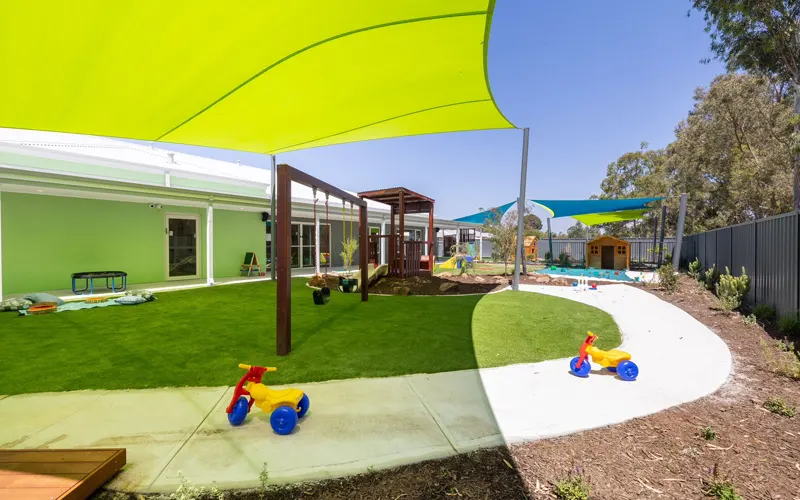
The good news: furniture, toys, storage, and outdoor equipment are categories where planning quality has the biggest impact on overspending. A $200,000 startup budget feels overwhelming—but the $30,000–$55,000 furniture line is something you can control with a room-by-room list and phased purchasing.
Real U.S. Project Costs: What Actual Centers Spent on Furniture
Most startup guides use model estimates. The two U.S. projects below come from 웨스트 쇼어 가구 installations completed in recent years. They show what real Montessori and early-learning centers budget for furniture, storage, and learning materials—not theoretical ranges.
Case 1: Capstone Montessori Preschool, San Clemente, California
캡스톤 몬테소리 유치원 serves children from 6 weeks through 5 years in a 7,772 sq ft facility with 7 classrooms and capacity for 200+ children. West Shore furnished infant, toddler, early primary, and primary rooms plus outdoor play areas.
| Metric | Project Data |
|---|---|
| Classrooms furnished | 7 (1 infant, 2 toddler, 2 early primary, 2 primary) |
| Licensed capacity | 200+ children |
| Furniture pieces supplied | 300+ |
| Educational toys / materials | 800+ |
| Production lead time | 35 days (order to factory completion) |
| Indicative furniture package | ~$40,000 (project reference) |
| Cost per child (furniture package ÷ capacity) | ~$200 at full enrollment—higher in infant-heavy mixes |
Capstone needed Montessori-specific shelf heights, prepared-environment layouts, and age-zoned outdoor areas. The project included room-by-room quotations before production—so the school could align furniture spend with licensing tours and investor planning.
Case 2: Montessori School in the United States
This U.S. Montessori school project covers a multi-classroom fit-out: customized Montessori shelving and tables, learning materials, and selected outdoor pieces—coordinated as one purchase program rather than room-by-room local orders.
| Scope Highlight | Typical Pattern (West Shore U.S. projects) |
|---|---|
| Load planning | One 40HQ container often holds 4–5 classrooms of indoor furniture; compact outdoor scope can ship in the same load |
| Customization | Non-standard dimensions, finishes, and logo/branding on selected panels |
| Reported savings | Operators commonly cite at least 40% lower cost vs comparable local retail or custom-fabrication quotes |
| Best fit | New centers with a confirmed floor plan and 10–14+ weeks of lead time before opening |
What These Projects Tell You About Startup Budgeting
On both U.S. projects, operators reported saving at least 40% compared with comparable local quotes—mainly by combining factory-direct pricing, consolidated shipping, and room-by-room planning before production.
- Furniture is usually 12–20% of a six-figure startup—not half the budget.
- Infant and toddler rooms drive a higher share of furniture spend per child than preschool rooms.
- A lump-sum quote without a room-by-room list often hides duplicate storage, wrong table sizes, or missing outdoor items.
- Custom Montessori dimensions and branded finishes are achievable when you work directly with a manufacturer—not only through expensive local millwork.
Facility and Build-Out Costs
Facility costs are usually the largest startup expense for a center-based program. Expect 1–2 months’ rent as a security deposit, plus first month’s rent, before any renovation work begins. If rent is $8,000/month, that alone can mean $16,000–$24,000 upfront.
Childcare build-out often requires extra restrooms, fire and ADA upgrades, secure entry, durable flooring, kitchen or food-prep work, and handwashing stations near classrooms. Typical range: $30,000–$150,000+ for a leased commercial unit, depending on size and local code. Walk the space with a contractor who knows childcare rules before signing a lease—a cheap base rent can disappear into compliance work.
For a broader opening checklist, see How to Start a Daycare. This guide focuses on where furniture and equipment fit inside your total budget.
Furniture and Classroom Equipment Costs
Furniture is one of the most visible costs—and one of the easiest to underbudget if you price room by room instead of center-wide.
What to Budget by Classroom Type
| Room Type | Typical Capacity | Furniture Budget Range | Cost per Child | Main Items |
|---|---|---|---|---|
| Infant room | 8–12 children | $8,000–$15,000 | $900–$1,300 | Cribs, rocking chairs, low shelves, changing storage, feeding chairs |
| Toddler room | 10–14 children | $6,000–$12,000 | $500–$860 | Small tables and chairs, low open shelving, cubbies, soft seating |
| Preschool room | 16–20 children | $7,000–$14,000 | $400–$700 | Activity tables, chairs, storage units, dramatic play furniture, art storage |
| Pre-K room | 18–22 children | $7,000–$14,000 | $370–$640 | Flexible tables, chairs, library shelving, STEM storage, teacher cabinets |
| Shared spaces | — | $5,000–$15,000 | — | Reception seating, staff storage, laundry, hallway cubbies |
For a 4-classroom center, a practical furniture budget is often $30,000–$55,000, depending on quality, customization, and whether furniture is sourced locally or from an international supplier. Cost per child is the figure most operators use in business plans—infant rooms usually run higher per child than preschool rooms because of cribs, changing stations, and lower ratios.
This is also where planning quality protects your budget and your timeline. Instead of guessing quantities or splitting orders across several vendors, 웨스트 쇼어 가구 provides a room-by-room list from your floor plan—helping you save money on the purchase, save time on vendor coordination, and save effort on pre-opening logistics. One contact handles furniture, toys, storage, and outdoor planning instead of juggling incompatible quotes.
For a 4-classroom U.S. center, working with one manufacturer and supplier can simplify budgeting for:
- Infant, toddler, preschool, and pre-K furniture packages
- Cubbies, lockers, and hallway storage
- Learning materials and classroom toys
- Outdoor play equipment and site-related product planning
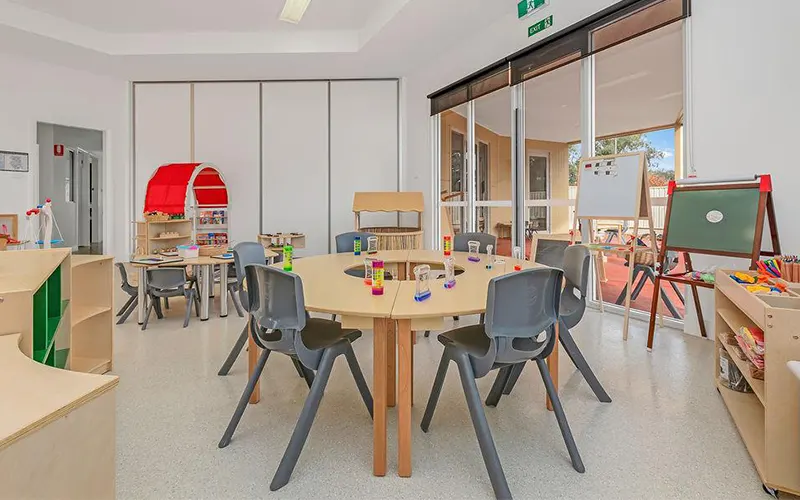
Sample Preschool Room Line Items
Below is a simplified one-room example—not a full center quote. Use it to check whether a supplier quote includes the basics or only furniture subtotals.
| Item | Typical Qty (16–20 children) | Budget Range |
|---|---|---|
| Activity tables (22″ height) | 4 | $800–$1,200 |
| Child chairs | 18 | $900–$1,400 |
| Open shelving units | 3 | $1,200–$2,000 |
| Art / utility storage | 2 | $600–$1,200 |
| Dramatic play pieces | 1 set | $800–$1,500 |
| Teacher storage cabinet | 1 | $500–$900 |
| Room subtotal | — | $4,800–$8,200 |
Montessori, Reggio, or branded custom finishes usually add 15–25% over a standard preschool package. See our locker and cubby dimensions guide for shared-space planning.
Related reading: Daycare Locker & Cubby Dimensions: The 2026 Buying Guide
Landed Cost Reality: What U.S. Buyers Actually Pay for Imported Furniture
A factory quote (FOB) is not your final invoice. For a multi-classroom center, the gap between product cost and delivered-to-site price often runs 25–40% once freight, duties, clearance, and inland delivery are included. Understanding that gap helps you compare import quotes fairly against local suppliers.
FOB vs Landed: Where the Extra Cost Goes
| Cost Layer | Typical Impact | Notes |
|---|---|---|
| Ocean freight (40HQ container) | 8–15% of FOB | Flat-pack classroom furniture ships more efficiently than bulky pre-assembled pieces |
| Import duty (HTS 9403.60.xxxx) | Varies by origin | Verify your 10-digit HTS code and current rates at USITC; China-origin goods may face Section 301 surcharges—confirm with a licensed customs broker |
| Customs broker + clearance | 1–3% of FOB | Standard for commercial imports |
| Inland delivery + unloading | 5–10% of FOB | Distance from port and site access matter |
| Assembly / placement | 5–15% | Lower with flat-pack; higher for large playground items |
Last reviewed: August 2026. Tariff schedules change—always confirm duty treatment before you sign a purchase order.
How Much Fits in One 40-Foot Container?
Based on West Shore shipping experience, one 40HQ container typically holds indoor furniture for 4–5 classrooms, and can include outdoor furniture when the outdoor scope is compact. Larger playground structures or extensive outdoor zones may require a separate shipment or a mixed load plan—another reason to finalize your floor plan before ordering.
Typical U.S. Timeline: Order to Delivery
| Phase | Typical Duration |
|---|---|
| Layout confirmation + purchase order | 1–2 weeks |
| Production (after order confirmed) | ~35 days |
| Ocean freight to U.S. port | ~35–45 days |
| Customs clearance + inland delivery | ~1–2 weeks (varies by port and destination) |
| Total (typical) | ~11–14 weeks — plan backward from your opening date |
Capstone Montessori completed production in 35일; total door-to-door time depends on port, season, and whether you choose consolidated or expedited freight. Build at least 12–16 weeks of lead time into a new-center schedule if furniture is imported.
Why Operators Still Choose Import—Despite Landed Cost
- Cost: U.S. clients commonly report saving at least 40% versus comparable local quotes for the same scope.
- Customization: non-standard dimensions, finishes, and logo/branding on furniture panels.
- One-stop scope: infant through pre-K furniture, storage, toys, and selected outdoor items in one program.
- Flat-pack efficiency: more classrooms per container than pre-built local alternatives.
When Direct Import Is NOT Worth It
Import makes less sense if you are:
- Opening in less than 10–12 weeks and cannot absorb production + ocean time
- Furnishing one room or a home-based program (freight dominates unit cost)
- Ordering a small add-on batch instead of a planned center-wide list
- Still changing your floor plan—buying before layout confirmation usually costs more in rework
Saying when import is a poor fit builds a more useful budget guide than treating every project the same. If your timeline or scope matches the list above, a local phased purchase may be smarter—even if your long-term plan includes import for the full center.
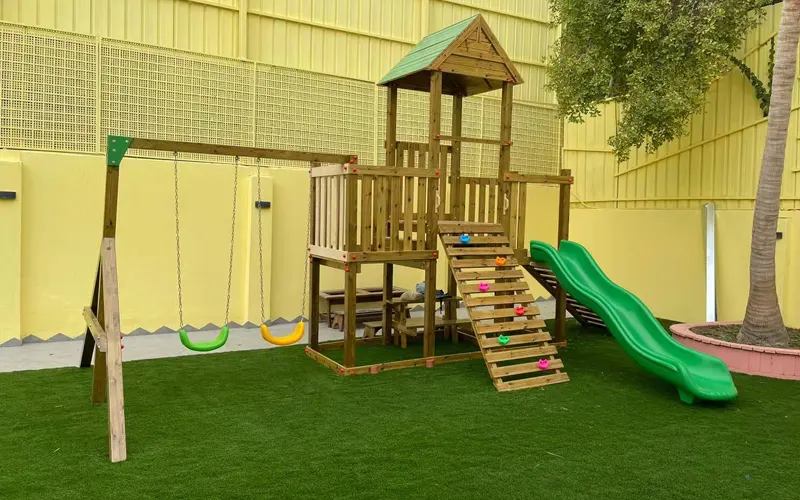
Outdoor Play Area Costs
Outdoor space is often required for licensing, and it strongly influences parent enrollment decisions.
- Climbing and sliding structure or freestanding play units
- Impact-absorbing safety surfacing
- Fencing and secure gates
- Shade structures or trees
- Storage for tricycles, sand toys, and maintenance tools
Typical range: $10,000–$60,000 for a standard center, and up to $100,000+ for a larger custom playground with extensive site work.
Related reading: How Much Does a Preschool Playground Cost?
Licensing, Legal, and Insurance Costs
These costs are required before opening but vary significantly by state. Budget $5,000–$15,000 for licensing, legal, and first-year insurance in most center-based projects. Confirm exact fees with your state licensing office, and use Child Care Aware of America for local planning resources. The SBA childcare business guide is also useful for registration and insurance basics.
| 범주 | Typical Range | Notes |
|---|---|---|
| State license + inspections | $300–$2,500 | Varies by capacity and program type |
| Business registration + legal review | $1,050–$5,500 | LLC/Corp setup, lease review |
| First-year insurance | $1,500–$5,000+ | General liability; workers’ comp varies by payroll |
Staffing, Marketing, and Working Capital
Staffing, marketing, and working capital are operating costs, but they still affect your startup budget. Pre-opening recruitment, training, and early payroll often run alongside $3,000–$10,000 for technology setup and $3,000–$15,000 for marketing. Most center-based startups should reserve 3–6 months of operating expenses—often $30,000–$80,000 or more—for payroll, rent, food, utilities, and supplies while enrollment grows. Calculate staffing against licensed capacity, not opening-day enrollment.
Home-Based vs. Center-Based Startup Costs
| Cost Area | Home-Based Daycare | Center-Based Daycare |
|---|---|---|
| Facility | Low — existing home space | High — lease, deposit, renovation |
| Licensing | Lower fees, fewer classrooms | Higher fees, stricter inspections |
| 가구 | $2,000–$10,000 | $30,000–$55,000+ |
| Outdoor play | $1,000–$5,000 | $10,000–$60,000+ |
| Staff | Often owner-operated at start | Multiple teachers from opening |
| Working capital | $5,000–$15,000 | $30,000–$80,000+ |
| Typical total | $10,000–$50,000 | $80,000–$300,000+ |
Related reading: How to Start a Daycare: Foundational Steps
Phased Furniture Purchase: What to Buy First
Most new centers do not need every shelf, toy, and outdoor item on opening day. Phasing protects cash flow while keeping licensing tours credible.
| Phase | When | What to Include | Typical Share of Furniture Budget |
|---|---|---|---|
| Phase 1 — Opening essentials | Before licensing inspection | Core tables/chairs, cribs, cubbies, basic storage, reception seating | 60–70% |
| Phase 2 — Enrollment build | Months 1–3 after opening | Dramatic play, STEM materials, specialty shelving, hallway upgrades | 20–25% |
| Phase 3 — Expansion | Months 4–12 | Outdoor add-ons, branding touches, replacement / second classrooms | 10–15% |
Always confirm with your state licensing office before delaying items required for initial approval or ratio compliance.
How to Reduce Daycare Startup Costs Without Cutting Safety
- Choose the right facility first. A space that already meets many childcare code requirements will save more money than buying cheaper furniture.
- Plan the full layout before purchasing. Free classroom planning helps you buy the right quantities and avoid duplicate or unusable items.
- Buy essential furniture first. Open with core tables, chairs, storage, cribs, and cubbies; add specialty pieces after enrollment grows.
- Use one supplier for multiple rooms. One-stop procurement can reduce coordination time, shipping costs, and specification mismatches across classrooms.
- Phase outdoor play if licensing allows. Complete fencing, surfacing, and one main play structure first; add smaller activity stations later.
- Keep safety and compliance non-negotiable. Do not reduce budget by skipping anchoring, safe surfacing, non-toxic finishes, or required staff ratios.
Opening a daycare in the U.S. is expensive—but overspending on furniture is optional. West Shore Furniture helps you plan each room, prepare a practical item list, and source classroom furniture, storage, toys, and outdoor equipment through one supplier. Send your floor plan and we will help you build a budget you can actually use.
결론
Daycare startup costs in 2026 depend on program type, facility condition, enrollment capacity, and local regulations. Home-based programs may launch with $10,000–$50,000, while center-based projects often require $80,000–$300,000 or more once facility work, furniture, outdoor play, staffing, and working capital are included.
Use this page as your hub overview: confirm licensing and build-out with local authorities, then zoom in on the categories you can plan precisely—especially furniture per child, import lead times, and phased purchasing. Real U.S. project data shows furniture is a controllable slice of the budget when you start with a floor plan and room-by-room list.
When you are ready for numbers tied to your rooms, send your floor plan for a free layout review and furniture budget. West Shore Furniture supports U.S. centers with customized Montessori and early-learning packages, consolidated shipping, and opening-day timelines built around production and ocean lead times.