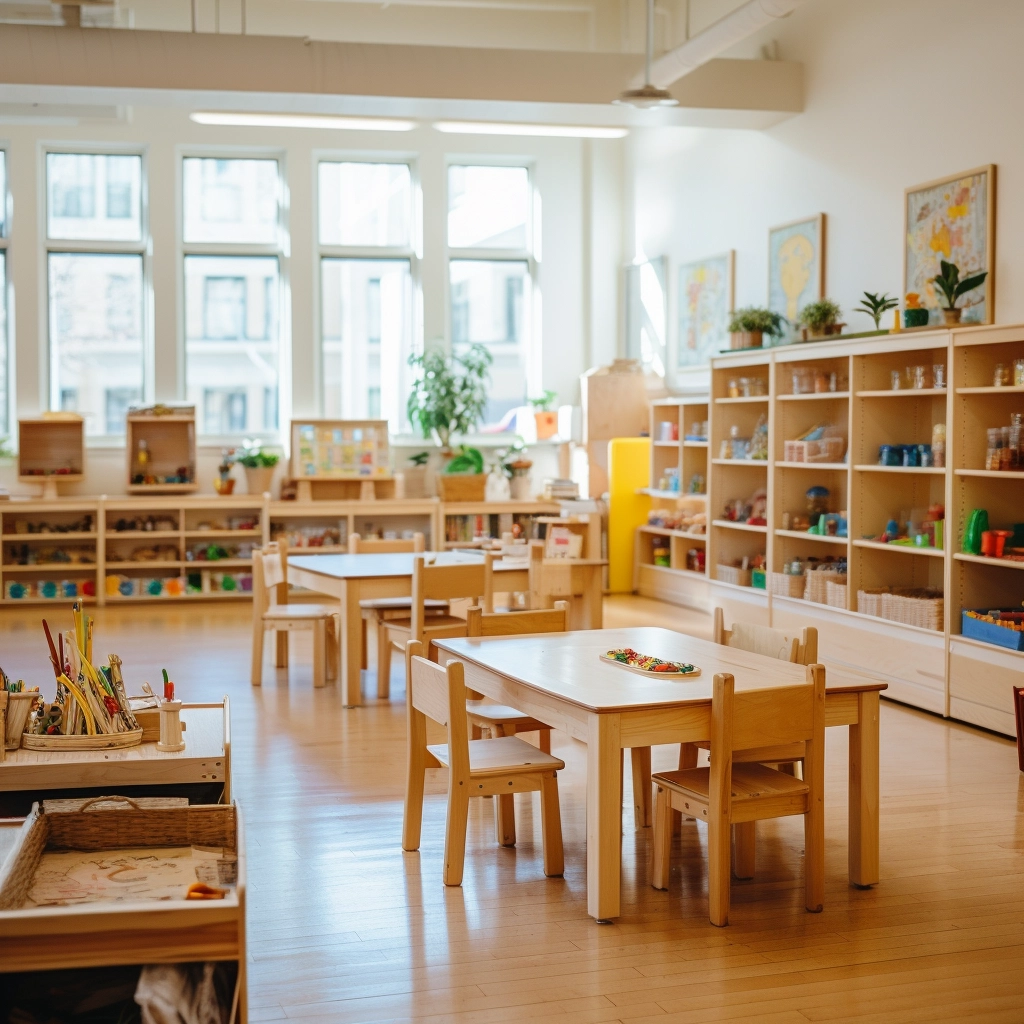
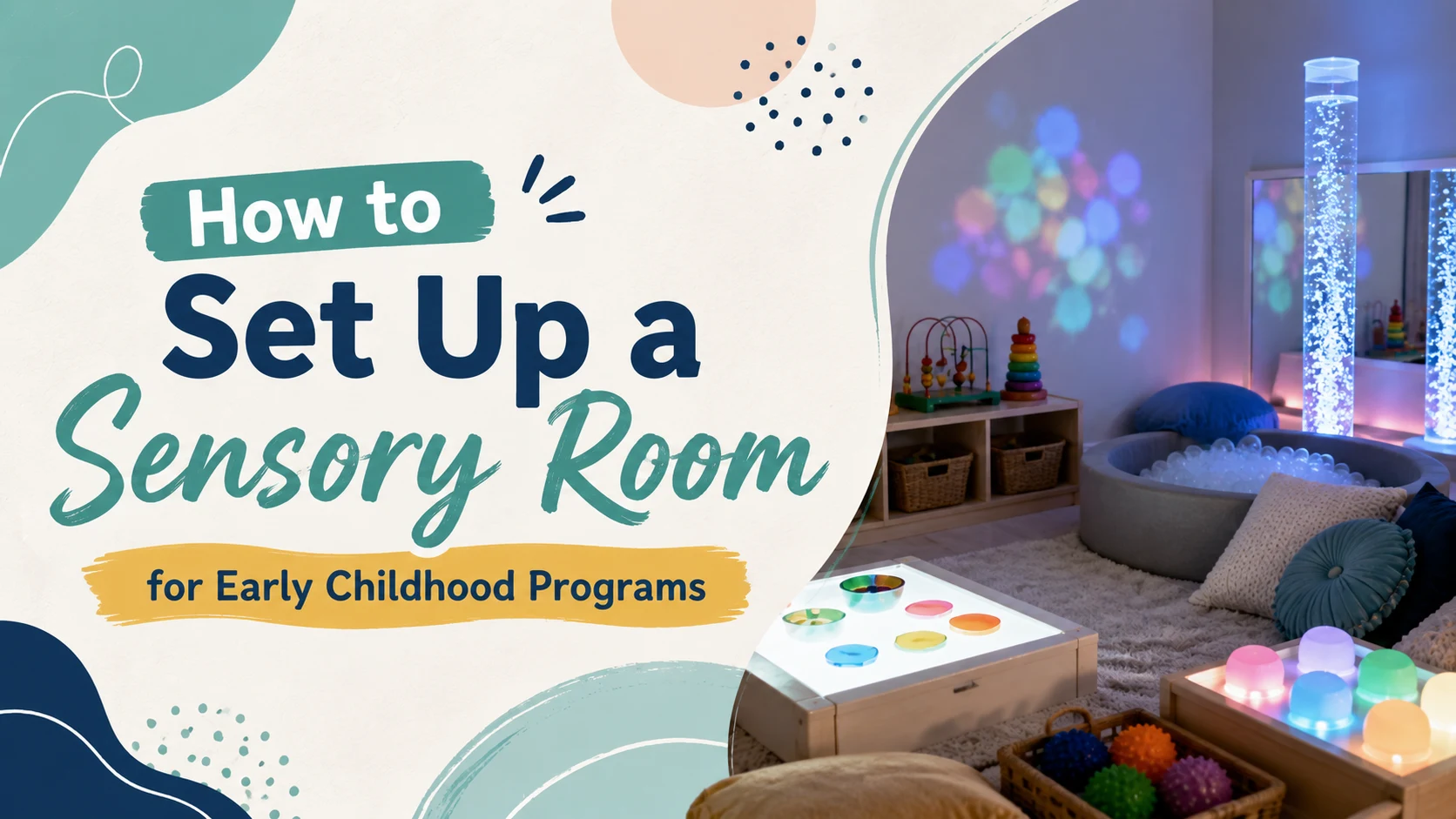
In early childhood programs, young children are still learning how to manage emotions, handle transitions, and respond to the world around them. Busy classrooms, loud sounds, bright lights, and constant activity can sometimes feel overwhelming, especially for children with sensibilités sensorielles or strong movement needs. A sensory room gives children a safe and calming space where they can pause, reset, and feel more regulated before returning to learning and play. In this guide, we’ll look at what a sensory room is, why it matters in preschool settings, and how to create one that truly supports young children.

What Is a Sensory Room? What Does “Sensory-Friendly” Mean?
A sensory room is a space designed to support children’s sensory and emotional needs through calming, movement-based, or hands-on activities. In early childhood programs, it may be a full room, a small calming corner, or a simple sensory space inside the classroom.
The term “sensory-friendly” means the environment is designed in a way that helps children feel comfortable instead of overwhelmed. Young children can be sensitive to noise, lighting, crowded spaces, or constant activity, especially during busy classroom routines. A sensory-friendly sensory room uses softer lighting, cozy seating, calming colors, gentle sounds, and sensory tools to create a space where children can relax, regulate emotions, and feel more in control of their bodies and surroundings.
What Are the Benefits of a Sensory Room?
A sensory room can support young children in many practical ways, especially in busy early childhood programs where routines, noise, movement, and social interaction can feel like a lot.
Improves Focus
A well-planned sensory room can help children settle their bodies and focus on one activity at a time. For preschoolers who are easily distracted or need extra movement, simple sensory room items like fidget toys, balance cushions, sensory bins, or soft seating can help them slow down and pay attention before returning to classroom activities.
Supports Emotional Regulation
One of the biggest sensory room benefits is helping children manage big feelings. When a child feels upset, overstimulated, or tired, a calming sensory space gives them a safe place to pause, breathe, and reset. Over time, this helps children learn what their bodies need when they feel overwhelmed.
Encourages Communication Skills
Sensory rooms can also support verbal and non-verbal communication. A child may point to a sensory toy, choose a texture, ask for a break, or show through body language what feels helpful. For children who are still developing language, this kind of choice-making can be a big step.
Promotes Social Interaction
A sensory room does not always have to be used alone. In a preschool setting, children can use the space in pairs or small groups with teacher support. Shared sensory activities can help children practice taking turns, noticing others, and understanding how their actions affect the people around them.
Supports Movement and Body Awareness
Many young children need movement to feel organized and ready to learn. A sensory room can include movement-based tools such as soft mats, balance beams, rocking chairs, or therapy balls. These activities support balance, coordination, spatial awareness, and both fine and gross motor development.
Creates a More Inclusive Classroom
A sensory-friendly space can support children with autism, ADHD, anxiety, sensory sensitivities, or physical challenges. But it is not only for children with specific diagnoses. When designed well, a sensory room can help every child feel safer, calmer, and more ready to take part in daily learning.
Types of Sensory Rooms for Early Childhood Programs
Because every child’s sensory needs are different, there is no single “best” sensory room setup. Some children need more movement and stimulation to feel organized, while others need a quieter space to reduce sensory overload. Before creating a sensory room, think about who will use the space, the children’s ages, their sensory preferences, and how much room is available. Once you understand the children’s needs and set clear goals for the space, you can decide what type of sensory room will work best.
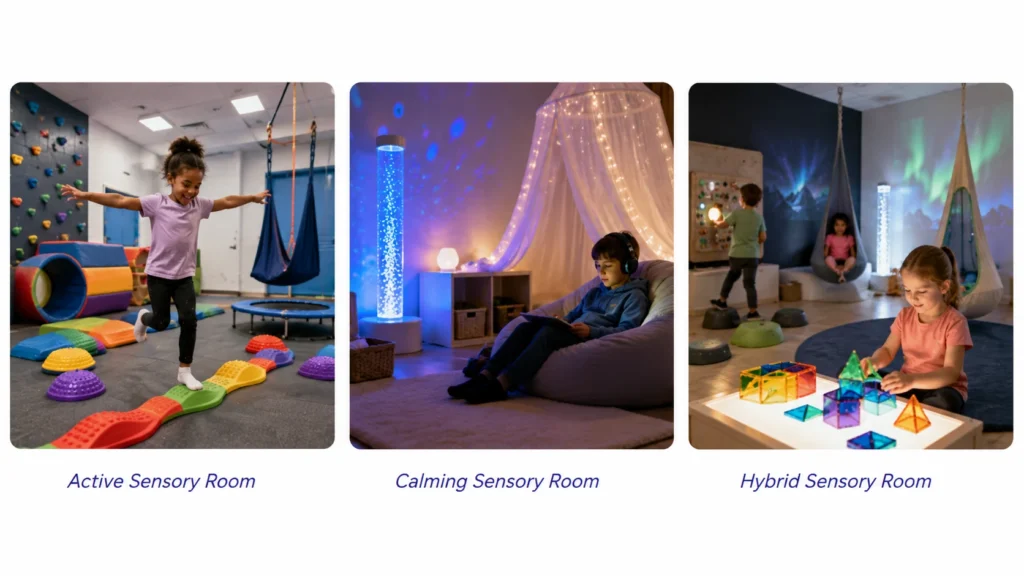
Sensory rooms are generally divided into three types:
- Active Sensory Room
- Calming Sensory Room
- Hybrid Sensory Room
An active sensory room is a great fit for sensory seekers or children who seem low-energy and need more stimulation to feel alert. Movement activities that involve proprioceptive and vestibular input can help children organize their bodies and nervous systems. Activities such as climbing, swinging, crawling through obstacle courses, pushing, pulling, or jumping can support motor planning, body awareness, and focus.
A calming sensory room is designed for children who avoid sensory input or become overstimulated easily. Gentle music, soft lighting, cozy seating, calming visuals, and deep-pressure tools can help children feel safe and settled. Slow rhythmic movement and weighted sensory items may also help children relax and regain focus.
A hybrid sensory room combines active and calming sensory input in one space. This type works especially well in early childhood programs where children may have different sensory needs throughout the day. Children can first use movement-based activities and then transition into quieter calming areas before returning to the classroom.
Design Your Sensory Room
When designing a sensory room for early childhood programs, the goal is not to fill the space with as many sensory items as possible. The room should feel safe, comfortable, and easy for children to use. A well-designed sensory space can help children calm down, focus, move their bodies, and feel more regulated throughout the day.
Location
Choose a quieter area whenever possible, away from busy hallways, loud play zones, or heavy classroom traffic. The space should feel calm without completely isolating children from the classroom environment.
Comfort
Comfort is one of the most important parts of a sensory-friendly space. Soft bean bags, floor cushions, cozy rugs, small sofas, or padded seating can help children feel safe and relaxed.
Lighting, Colors, and Visuals
Use soft lighting instead of bright fluorescent lights. Warm neutral colors, gentle sensory lighting, and simple visual decorations can create a calmer atmosphere. Avoid overcrowding the room with too many bright colors or busy wall displays.
Materials and Textures
Children experience sensory input through touch, so include a variety of safe textures. Soft blankets, textured pillows, sensory mats, fabric panels, or tactile boards can give children calming hands-on experiences.
Movement Activities
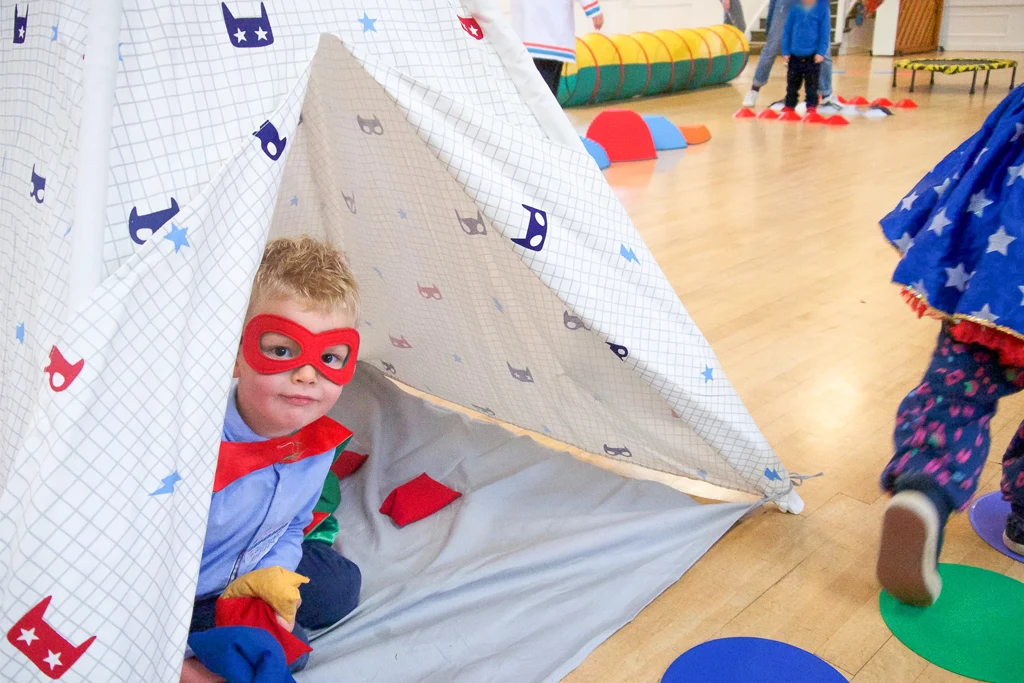
Some children regulate best through movement. Include simple movement-based sensory activities such as rocking chairs, balance cushions, therapy balls, tunnels, stepping stones, or soft climbing equipment when space allows.
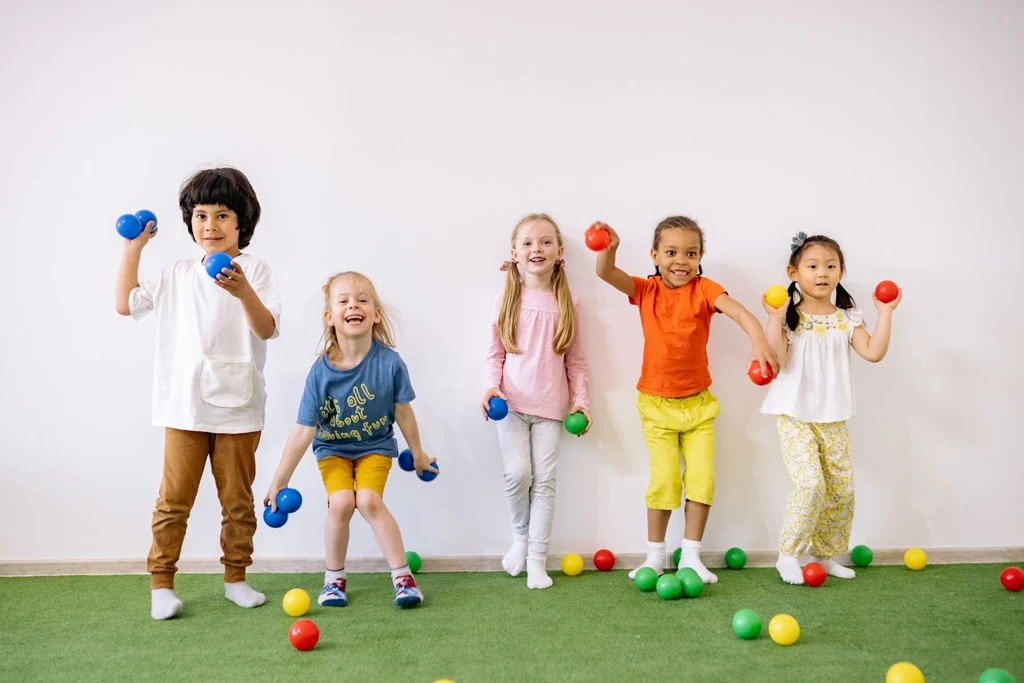
Jouets sensoriels
Choose sensory room items that help children focus and regulate emotions. Fidget toys, sensory bins, weighted lap pads, pop tubes, stress balls, and calm-down bottles are all useful options for preschool sensory spaces.
Visual Effects
Gentle visual effects can help create a soothing environment. Bubble tubes, soft projectors, fiber optic lighting, lava lamps, or nature-themed visuals can help children feel calm without becoming overstimulated.
Son
Sound can strongly affect how children feel in a space. Soft music, white noise, nature sounds, or noise-reduction headphones may help reduce classroom distractions and create a more peaceful sensory environment.
Aromatherapy
Some early childhood programs may choose to use mild calming scents, such as lavender or chamomile, to help create a relaxing atmosphere. Always check for allergies or sensitivities before using scented products around children.
How to Use a Sensory Room
A sensory room works best when children understand how and when to use the space. In early childhood programs, the goal is to help children feel safe, supported, and more aware of what their bodies need.
Introduce the Space
Start by calmly introducing the sensory room to children. Show them the different sensory tools, explain what the space is for, and model how to use the room safely. Keep instructions simple and positive.
Create Clear Guidelines
Children should understand basic expectations for the sensory room. For example, teachers may explain how many children can use the space at one time, which sensory toys are available, and how to use movement equipment safely.
Encourage Children to Use the Space
Help children recognize when they may need a sensory break. Some signs include frustration, difficulty focusing, covering ears, excessive movement, or emotional overload. Over time, children can begin learning which sensory activities help them feel calmer or more organized.
Model Sensory Regulation Strategies
Teachers can guide children toward different sensory tools based on their needs:
- Touch: weighted lap pads, soft pillows, sensory bins, or textured toys
- Visual: dim lighting, bubble tubes, calming projectors, or soft visuals
- Sound: white noise, gentle music, nature sounds, or noise-reduction headphones
- Movement: rocking chairs, therapy balls, stretching, or balance activities
Simple breathing exercises and quiet moments inside the sensory room can also help children slow down and reset.
Observe and Adjust
Every child responds differently to sensory input. Watch how children interact with the space and make changes when needed. Some children may need more movement activities, while others may benefit from fewer visual distractions or quieter sensory tools.
Sensory Furniture and Sensory Toy Ideas for Movement and Regulation
Choosing the right sensory room items can make the space more calming, engaging, and useful for young children. In early childhood programs, sensory furniture and sensory toys should support movement, focus, hands-on exploration, and emotional regulation.
With years of experience serving kindergartens and early childhood programs, Meubles West Shore provides a wide range of sensory room solutions that help educators create safer, more engaging, and sensory-friendly learning spaces for young children.
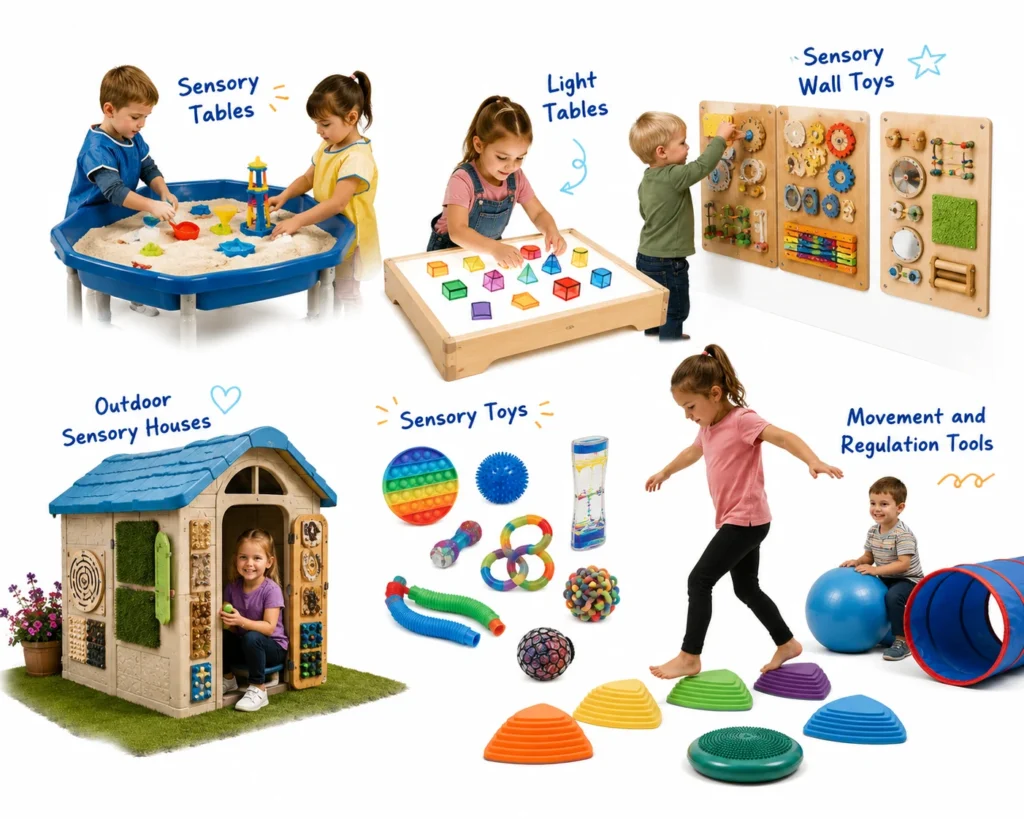
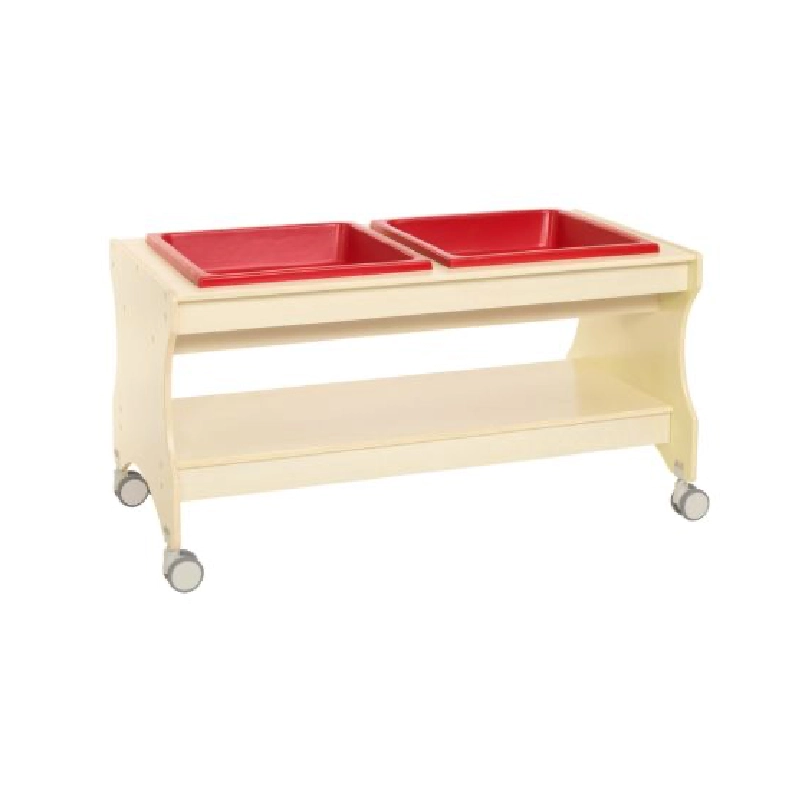
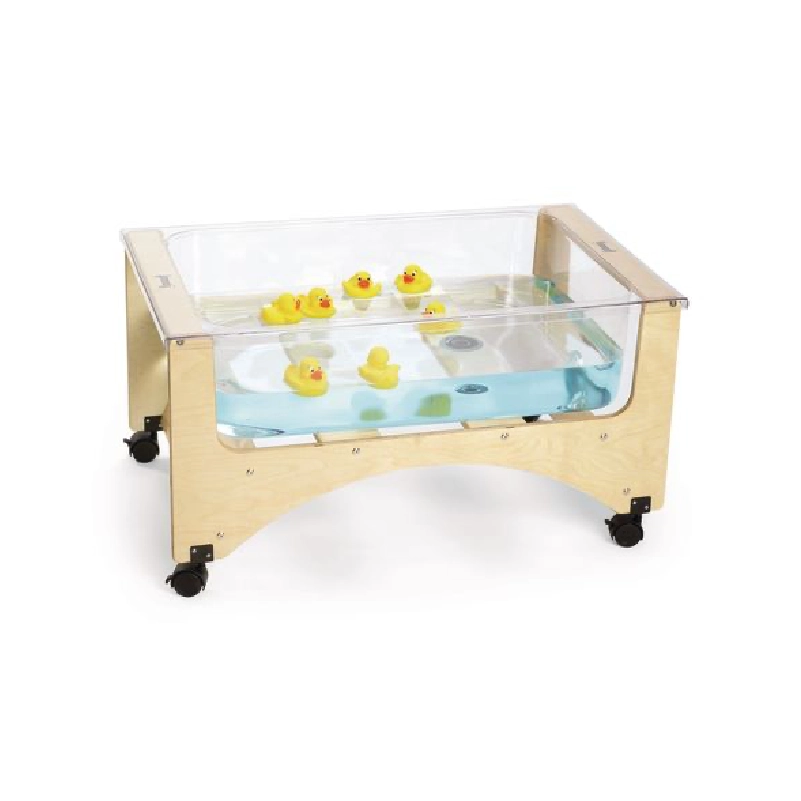
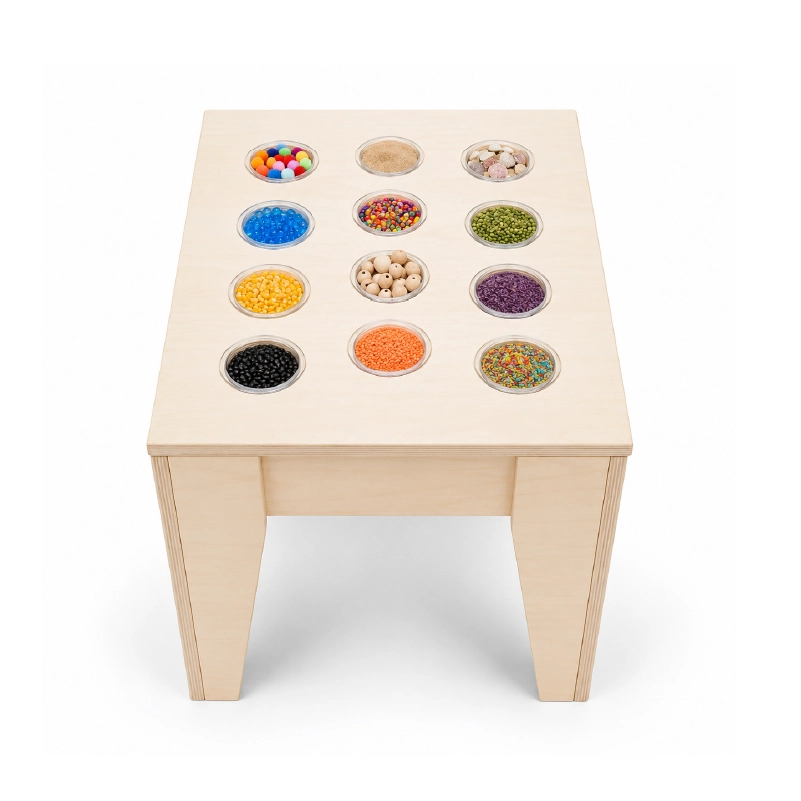
Sensory Tables
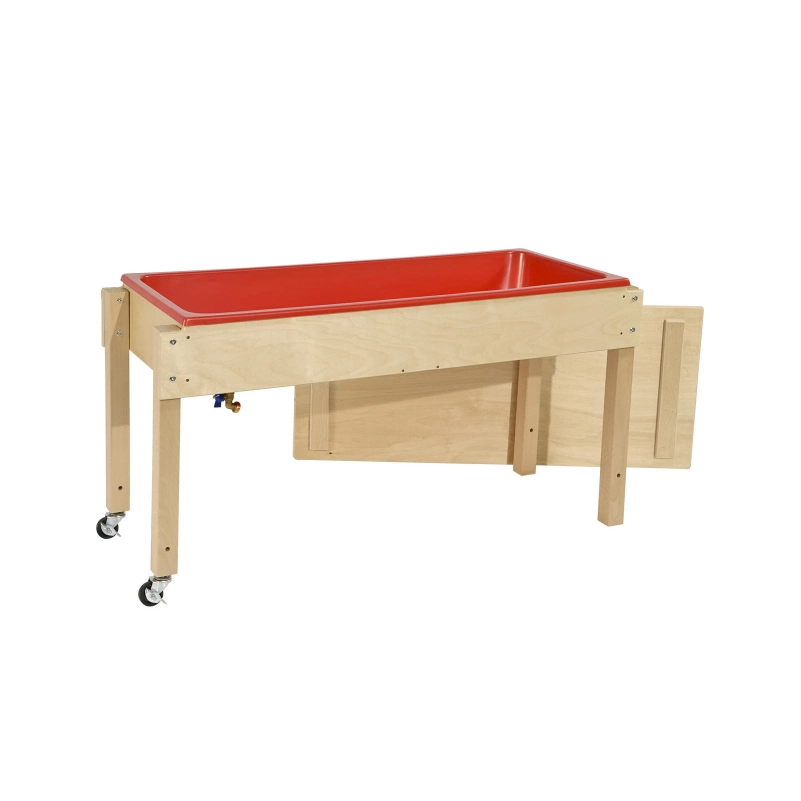
Sensory tables are one of the most popular sensory room ideas for preschool classrooms. Children can explore water, sand, rice, foam, or textured materials through sensory play. These activities support fine motor skills, focus, creativity, and hands-on learning while helping children feel more regulated.
Light Tables
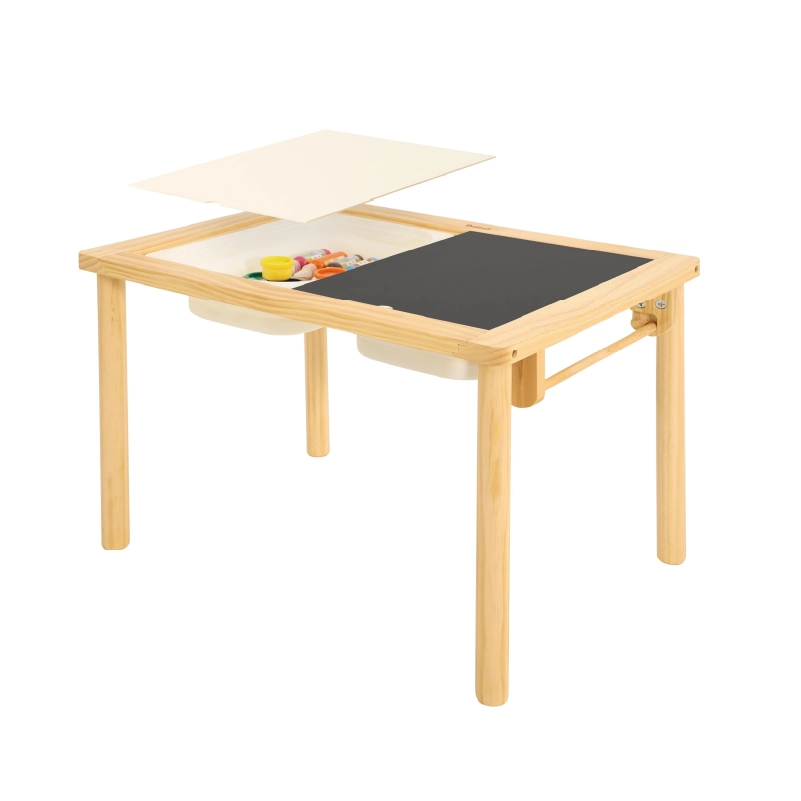
Light tables create gentle visual sensory experiences that encourage curiosity and calm attention. Preschoolers can use translucent blocks, letters, shapes, or natural materials on the light surface for quiet sensory exploration and early learning activities.
Sensory Wall Toys
Sensory wall toys are great for smaller sensory spaces because they do not take up much floor space. Busy boards, spinning panels, textured wall activities, mirrors, or interactive sensory walls encourage touch, movement, coordination, and independent play.
Outdoor Sensory Houses
Outdoor sensory houses or sensory play huts give children a quiet retreat during outdoor play. These spaces can include textured panels, calming seating, sensory toys, or imaginative play activities that help children regulate while still staying connected to outdoor learning.
Jouets sensoriels
Simple sensory toys can support both calming and active sensory needs. Fidget toys, sensory bins, stress balls, textured toys, calm-down bottles, pop tubes, and weighted sensory items all give children safe ways to explore movement, touch, sound, and visual input.
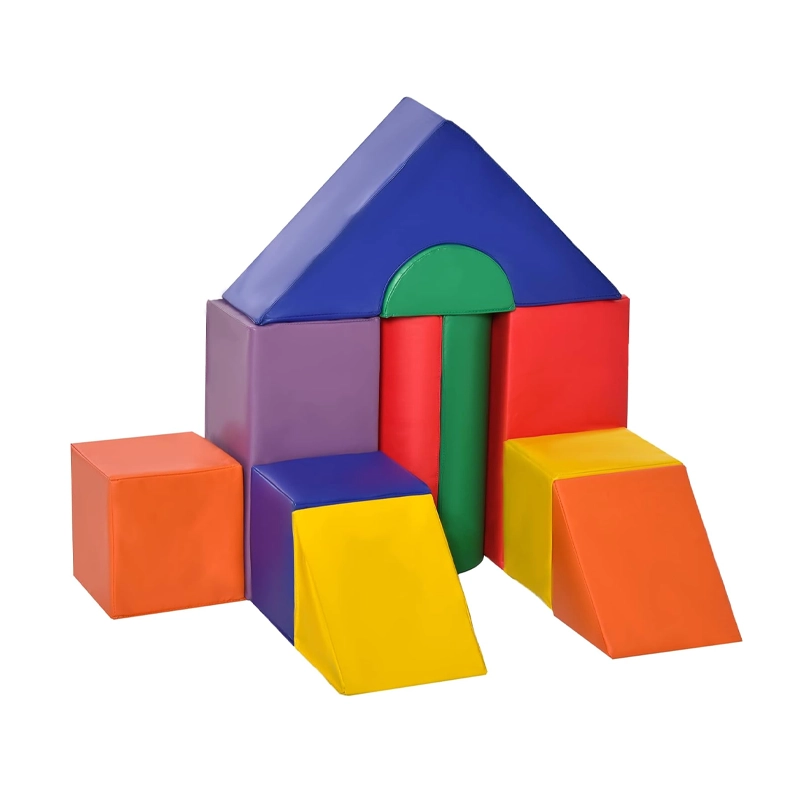
Movement and Regulation Tools
Movement-based sensory equipment helps children organize their bodies and release energy in healthy ways. Balance cushions, rocking toys, therapy balls, stepping stones, tunnels, or soft climbing equipment can support coordination, balance, and self-regulation throughout the school day.
Conclusion
Setting up a sensory room for early childhood programs starts with one simple idea: children need different kinds of support to feel calm, focused, and ready to learn. Some children need movement, some need quiet, and many need a mix of both throughout the day. Whether you choose an active sensory room, a calming sensory room, or a hybrid setup, the best design should always match the real needs of the children using it.
With thoughtful planning and the right sensory room items, early childhood programs can create a space where young children can reset, regulate emotions, build body awareness, and return to learning with more confidence.