Are you looking for preschool themes by month that are easy to plan, fun for children, and flexible enough for a real classroom? Do you need a monthly list of themes for preschool that connects books, art, sensory play, math, science, and dramatic play without making your lesson plans feel scattered?
The best preschool theme plan gives each month a clear focus and breaks it into simple, hands-on activities children can understand right away. Strong monthly preschool themes help teachers save planning time, build vocabulary naturally, support early learning skills, and keep children engaged through repeated play-based experiences.
This guide walks through planning tips, activity-based monthly themes, learning-area ideas, classroom use, evaluation methods, and practical ways to make your preschool themes for the year easier to teach.
What Are Preschool Themes?
Planning preschool lessons gets much easier when activities connect instead of feeling random. Teachers need a simple way to link stories, songs, art, sensory play, math, science, and classroom routines around one clear focus.
That is where preschool themes come in. A theme gives learning a child-friendly topic, such as apples, weather, friendship, animals, or community helpers. For example, an apple theme can include apple counting, apple tasting, apple stories, apple painting, and a pretend farm stand.
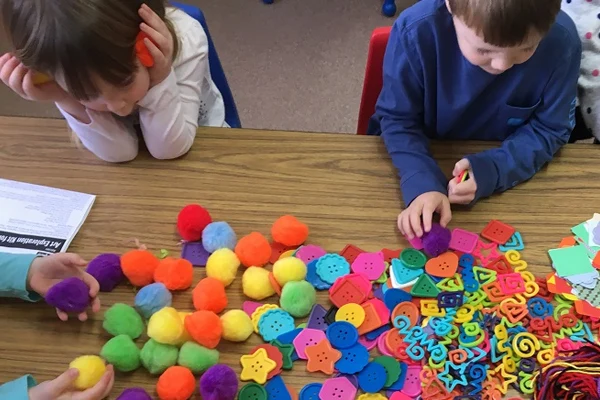
Using preschool themes by month helps teachers match lessons with the season, school calendar, and children’s real-life experiences. It saves planning time, makes learning easier to follow, and prepares readers for the monthly planning ideas below.
Why Preschool Themes Work Well
Preschool themes work well because they turn scattered activities into connected learning. Young children learn best when ideas are repeated through play, conversation, hands-on materials, and caring teacher guidance, which aligns with pratiques adaptées au développement in early childhood education.
This works in daily classroom moments. During a weather theme, children can check the weather at circle time, read a rainy-day story, count paper raindrops, paint clouds, and test what sinks or floats in water play. The theme connects literacy, math, science, art, and conversation without making learning feel forced, helping teachers connect play and learning in natural ways.
For teachers, monthly preschool themes reduce planning stress because the topic guides book choices, songs, centers, crafts, sensory bins, and group activities. For children, the benefit is stronger engagement: Head Start notes that hands-on learning experiences build on children’s natural interests and curiosity, which fits well with theme-based preschool planning.
That is the real value of using preschool themes by month. They save teachers time, give children a clearer learning structure, and make preschool lessons feel more organized, playful, and purposeful.
How to Plan Preschool Themes for the Year
Before choosing themes, be clear about the age group, school calendar, and learning goal. These three decisions help you choose topics that fit your real classroom instead of filling the year with random cute ideas.
Step 1: Set Your Planning Frame
Start with the basic limits of your plan. This keeps you from choosing themes that sound fun but do not match your children, schedule, or teaching goals.
Confirm:
- Age group: toddlers, preschoolers, pre-K, or mixed ages
- Time frame: school year, calendar year, summer program, or seasonal unit
- Theme length: weekly, biweekly, or monthly
- Main goal: routines, vocabulary, social skills, early math, science, or creative play
This step is complete when you can summarize the plan in one sentence, such as: “This is a school-year plan for 4-year-olds, with one monthly theme and four weekly topics.”
Step 2: Choose Broad Monthly Themes
Next, choose one broad theme for each month. This is where preschool themes by month become useful because they connect classroom learning with seasons, routines, weather, and children’s everyday experiences.
The key is to keep each monthly theme broad enough for several weeks, but still easy for children to recognize. For example, “fall” works better as a monthly theme than “acorns” because fall can include leaves, apples, pumpkins, harvest, animals, and weather. “Acorns” may still work, but it fits better as a weekly topic or center activity.
| Time of Year | Strong Theme Direction | Why It Works |
|---|---|---|
| Start of school | All About Me, family, friends, routines | Helps children feel safe and settled |
| Fall | Apples, leaves, pumpkins, farms | Connects to visible seasonal changes |
| Winter | Weather, clothing, kindness, arctic animals | Fits colder months and indoor routines |
| Spring | Plants, bugs, rain, baby animals | Supports nature and science learning |
| Summer | Ocean, camping, water play, outdoor fun | Matches active, hands-on summer energy |
A good monthly theme should be easy to explain, connected to real life, and wide enough to support several weekly lessons.
Step 3: Break Each Month Into Weekly Topics
This is the core planning step. A monthly theme gives the big direction, but weekly topics make the plan teachable.
A theme like “spring” is too broad on its own, so break it into concrete weekly topics children can see, touch, discuss, and play with. For example:
- Spring weather
- Seeds and plants
- Bugs and butterflies
- Earth Day and caring for nature
Now the month has a clear path. Children first notice weather changes, then learn about growth, then observe small living things, and finally connect those ideas to caring for the world around them.
How to Check
A weekly topic is strong if you can quickly name at least five hands-on activities for it. For example, “apples” can support tasting, counting, painting, sorting, stories, songs, and pretend market play. If you can only think of one craft, the topic is too narrow. If the ideas feel unrelated, the topic needs a clearer focus.
Step 4: Build Activities Around Learning Areas
After choosing weekly topics, connect each one to the main learning areas in your classroom. This keeps monthly preschool themes from becoming just decorations or craft ideas.
For example, an ocean theme can appear across the classroom like this:
| Learning Area | Ocean Theme Example |
|---|---|
| Literacy | Read sea animal books and introduce words like shell, wave, fish, and whale |
| Math | Count fish, sort shells, or make blue-and-white patterns |
| Science | Test which objects sink or float |
| Art | Paint waves or create paper plate fish |
| Jeu dramatique | Set up a pretend aquarium or beach shop |
The theme does not need to appear everywhere every day, but children should be able to read about it, count it, build it, move with it, or pretend with it during the week.
Step 5: Prepare Materials You Can Reuse
Once your weekly topics are clear, prepare simple materials that can work across several activities. This keeps planning realistic and helps you avoid buying or creating too many single-use items.
Choose flexible materials first: picture books, toy animals, blocks, baskets, scarves, sensory bin fillers, counting objects, vocabulary cards, art supplies, and real objects from nature. Blue fabric can become water for ocean, pond, rain, or winter themes. Pom-poms can become apples, snowballs, flowers, or ice cream scoops.
A practical rule is simple: if a material can be used in at least three ways, it is worth preparing. If it only works for one quick project, keep it optional.
Step 6: Adjust the Plan for Your Actual Class
A yearly plan should guide your teaching, not lock you into a script. The best preschool themes for the year leave room for children’s interests, local weather, school events, available materials, and classroom energy.
For example, you might plan a transportation week, but the children become fascinated by garbage trucks. Instead of forcing the original plan, shift the week toward community vehicles. You can still teach sorting, counting, vocabulary, safety, and helper roles, but through a topic children already care about.
Use this adjustment rule: keep the learning goal, but change the topic angle when needed. If a theme is too hard, simplify it. If children are deeply engaged, extend it. If the materials are not working, replace them with more hands-on options.
Best Preschool Themes by Month
This section organizes preschool themes by month because that is how teachers usually plan in real classrooms. Each month includes four theme ideas that can be used as a sample four-week plan. You can follow the order as written, swap topics around, or stretch one theme longer if children are especially engaged.
January
January works best with calm, hands-on activities that help children return to routine after the holiday season. These four ideas can be used as a sample monthly plan, and each one is specific enough for teachers to prepare materials, set up the activity, and use it directly in the classroom.
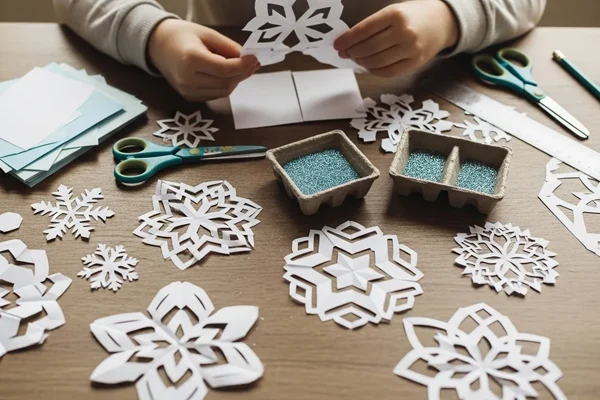
Cotton Ball Snowflake Collage
Overview:
Cotton Ball Snowflake Collage is a simple winter art activity for preschoolers who are practicing fine motor skills, texture words, and winter vocabulary. It works well for art centers, small groups, or a quiet table activity after circle time.
Matériels:
Prepare blue construction paper, cotton balls, glue sticks or liquid glue, white crayons, paper snowflake outlines, and optional silver stickers or tissue paper.
How to Use It:
Give each child a blue sheet of paper with a simple snowflake shape drawn or printed on it. Children can pull apart cotton balls, glue them along the snowflake lines, and add white crayon marks or tissue paper around the page. While they work, use words like soft, fluffy, white, cold, snowflake, and winter.
Learning Value:
This activity supports fine motor strength, hand-eye coordination, texture exploration, winter vocabulary, and creative expression.
Ice Cube Melting Experiment
Overview:
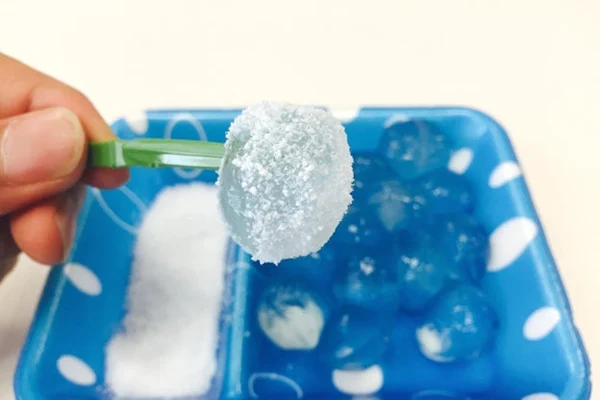
Ice Cube Melting Experiment is a hands-on science activity that helps children observe how ice changes. It is a good fit for small-group science time or sensory tables.
Matériels:
Use ice cubes, small trays, warm water, cold water, droppers, spoons, paper towels, and optional food coloring.
How to Use It:
Place ice cubes on trays and let children touch them briefly, describe how they feel, and predict what will happen. Give children droppers with warm water and cold water, then let them test which one melts the ice faster. Keep the questions simple: “What do you see?” “Is it still hard?” “Where did the water come from?”
Learning Value:
This activity builds observation skills, cause-and-effect thinking, early science language, and sensory awareness.
Penguin Waddle Movement Game
Overview:
Penguin Waddle Movement Game is an active winter animal activity for children who need movement during the day. It fits well after a read-aloud about penguins or during gross motor time.
Matériels:
Prepare a picture of a penguin, beanbags or soft balls, painter’s tape for a simple path, and optional music.
How to Use It:
Show children how penguins waddle with small steps. Then place a beanbag between each child’s knees and invite them to waddle along a taped path without dropping it. You can add simple directions like stop, go, slow, fast, turn, and freeze.
Learning Value:
This activity supports gross motor control, balance, listening skills, positional language, and animal vocabulary.
Mitten Matching Basket
Overview:
Mitten Matching Basket is a practical winter sorting activity that helps children practice matching, visual discrimination, and clothing vocabulary. It works well as a math center or morning table activity.
Matériels:
Use real mittens, paper mitten cutouts, patterned mitten cards, a basket, clothespins, and optional color labels.
How to Use It:
Place mixed mittens in a basket and invite children to find matching pairs. Start with color matches, then add patterns such as stripes, dots, stars, or snowflakes. Older preschoolers can clip pairs together with clothespins or sort them by color, size, or pattern.
Learning Value:
This activity builds matching skills, sorting, fine motor control, winter clothing vocabulary, and independence with everyday items.
January works best when the activities are tactile, calm, and easy to connect to children’s real winter routines. Teachers can use these four activity themes as ready-to-go classroom ideas or swap in local weather activities if snow and ice are not familiar to their students.
February
February is a good month for practical social-emotional and self-care activities. These four ideas are specific enough to use in centers, small groups, or circle time, while still supporting the broader February focus on friendship, feelings, kindness, and health.
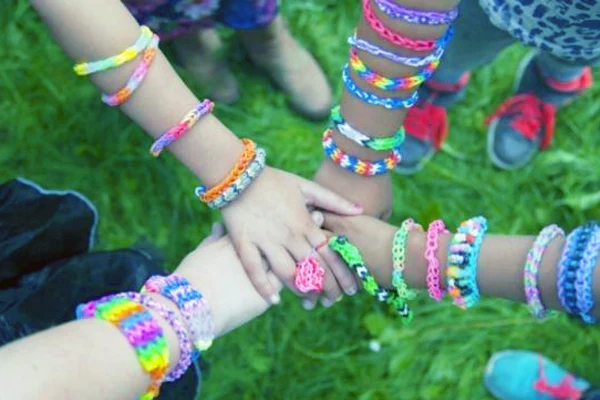
Friendship Bracelet Patterning
Overview:
Friendship Bracelet Patterning is a simple fine motor and early math activity that also supports social language. It works well for small groups, especially when children are practicing turn-taking, color naming, and making something for a friend.
Matériels:
Prepare pipe cleaners, large beads, pony beads, paper name tags, small bowls, and optional pattern cards.
How to Use It:
Give each child a pipe cleaner and a small bowl of beads. Model a simple pattern, such as red-blue-red-blue, then invite children to make their own bracelet. Children can make one for themselves or choose a classmate to give it to. Use phrases like “This is for my friend,” “Can I have a turn?” and “I made a pattern.”
Learning Value:
This activity builds fine motor control, patterning, color recognition, social language, and positive peer connection.
Emotion Face Playdough Mats
Overview:
Emotion Face Playdough Mats help children practice naming feelings in a hands-on way. This activity is useful for classrooms working on emotional vocabulary, self-regulation, or smoother peer interactions.
Matériels:
Use laminated blank face mats, playdough, emotion cards, mirrors, and dry-erase markers.
How to Use It:
Show children one emotion card at a time, such as happy, sad, mad, scared, excited, or calm. Invite them to use playdough to make the mouth, eyebrows, tears, or cheeks on the face mat. After they finish, ask simple questions like “How does this face feel?” or “What can help when someone feels mad?”
Tip:
Keep the focus on naming feelings, not forcing children to talk about personal situations. Some children may prefer to point, copy a face, or use a puppet instead of speaking.
Learning Value:
This activity supports emotional vocabulary, facial expression recognition, fine motor skills, and early self-awareness.
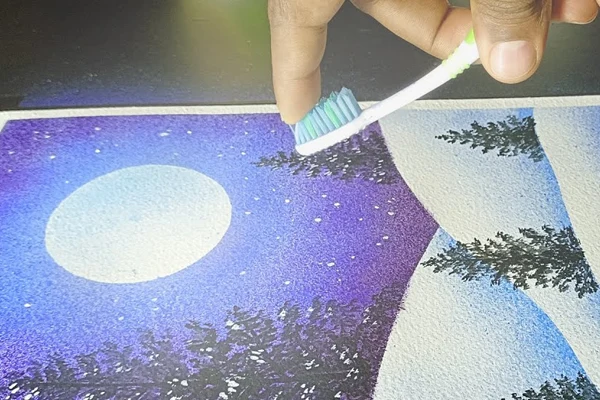
Toothbrush Painting
Overview:
Toothbrush Painting is a dental health activity that turns a familiar self-care tool into an art and conversation prompt. It is a good choice for February dental health lessons or health-themed centers.
Matériels:
Prepare clean toothbrushes, washable paint, white paper, tooth-shaped paper cutouts, trays, smocks, and wipes.
How to Use It:
Place paint on trays and let children use toothbrushes as paintbrushes on tooth-shaped paper. While they paint, talk about brushing teeth, moving the brush up and down or in small circles, and keeping teeth clean. You can also pair the activity with a short book about visiting the dentist.
Learning Value:
This activity supports fine motor movement, self-care vocabulary, dental health awareness, and creative expression.
Healthy Food Sorting Plates
Overview:
Healthy Food Sorting Plates help children sort foods in a visual, hands-on way. This activity is useful for teaching food vocabulary, colors, categories, and simple health habits without making food rules feel negative.
Matériels:
Use paper plates, food picture cards, play food, grocery ads, glue sticks, scissors for teacher use, and optional color labels.
How to Use It:
Give children food pictures or pretend foods and invite them to sort by fruit, vegetable, grain, protein, or dairy. For younger children, sort by color or “foods we eat at breakfast/lunch/snack.” Keep the language neutral and practical: “Some foods help our bodies grow,” “Some foods give us energy,” and “We eat many kinds of foods.”
Learning Value:
This activity builds sorting, food vocabulary, color recognition, health awareness, and decision-making.
February works best when activities help children practice real classroom skills: sharing, naming feelings, caring for their bodies, and using kind words. These four activity themes give teachers ready-to-use options that are playful, simple to prepare, and easy to connect with everyday routines.
March
March is a good month for active, hands-on activities because children can notice changing weather, brighter colors, rain, wind, and movement around them. These four activity ideas work well for preschool classrooms that need practical monthly topics for preschool with art, science, building, and dramatic play.
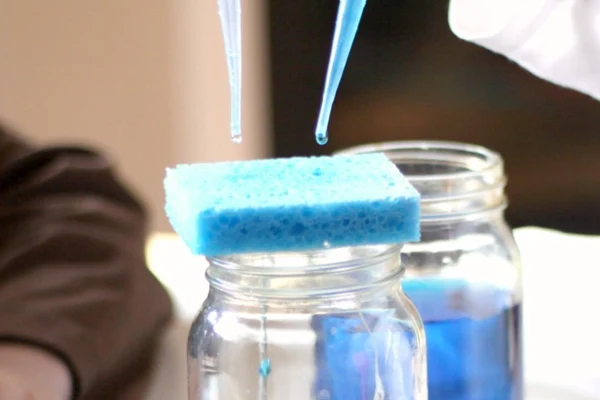
Rain Cloud Dropper Experiment
Overview:
Rain Cloud Dropper Experiment is a simple weather science activity that helps children see how “rain” falls from a cloud. It works well for small-group science time or a weather-themed sensory table.
Matériels:
Prepare clear cups or jars, water, shaving cream, blue food coloring mixed with water, droppers or pipettes, trays, and paper towels.
How to Use It:
Fill each cup with water and add shaving cream on top as the “cloud.” Children use droppers to add blue water onto the shaving cream. As the cloud gets heavy, the blue drops fall through into the water like rain. Ask simple questions such as “What happened?” “Where did the blue water go?” and “Did the cloud get full?”
Learning Value:
This activity supports observation, cause-and-effect thinking, fine motor control, weather vocabulary, and early science curiosity.
Rainbow Color Sorting Tray
Overview:
Rainbow Color Sorting Tray is a bright, low-prep activity for color recognition, sorting, and early classification. It works especially well for younger preschoolers or mixed-age groups.
Matériels:
Use colored cups, pom-poms, buttons, counting bears, rainbow cards, tongs, and a tray.
How to Use It:
Place small colored objects on a tray and invite children to sort them into matching cups. Older preschoolers can use tongs for extra fine motor practice or create simple color patterns after sorting. Add color words during the activity: red, orange, yellow, green, blue, purple.
Learning Value:
This activity builds color recognition, sorting, fine motor strength, vocabulary, and early math thinking.
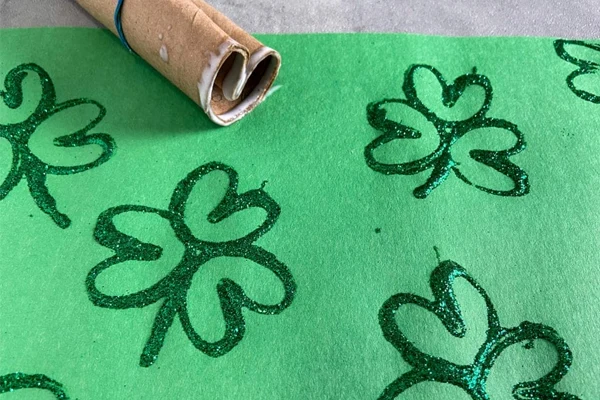
Shamrock Stamping
Overview:
Shamrock Stamping is a March art activity that works well for classrooms using seasonal or St. Patrick’s Day-inspired themes. It gives children a simple way to create repeated shapes while practicing color, pattern, and hand control.
Matériels:
Prepare green paint, white paper, heart-shaped sponges or toilet paper rolls shaped into hearts, trays, smocks, wipes, and optional shamrock outlines.
How to Use It:
Show children how three heart stamps can form one shamrock shape. Let them dip the sponge or cardboard stamp into green paint and press it onto paper. Younger children can stamp freely, while older children can try making three leaves and adding a stem with a crayon or marker.
Tip:
If your classroom avoids holiday-specific activities, frame this as a “green shape stamping” or “spring plant stamping” activity instead.
Learning Value:
This activity supports fine motor control, shape recognition, color vocabulary, patterning, and creative expression.
Build-a-Road Transportation Center
Overview:
Build-a-Road Transportation Center is a block and dramatic play activity for children who love cars, trucks, buses, and construction vehicles. It works well during center time and can stay open for several days.
Matériels:
Use toy cars, trucks, road tape, blocks, cardboard tubes, traffic signs, small people figures, ramps, and pretend tickets.
How to Use It:
Create a simple road area with tape or let children build their own roads with blocks. Add vehicles, signs, bridges, tunnels, and ramps. Encourage children to sort vehicles, count wheels, test ramps, or pretend to drive to school, the store, or the fire station.
Learning Value:
This activity supports problem-solving, counting, sorting, positional language, cooperative play, and real-world transportation vocabulary.
March activities should feel lively and easy to observe. These four ideas give teachers a ready-to-use mix of weather science, color sorting, seasonal art, and transportation play while keeping the month flexible and practical.
April
April is ideal for nature-based preschool activities because children can often see real signs of spring around them. These four activity ideas work well for classrooms focusing on plants, insects, growth, and caring for the environment.
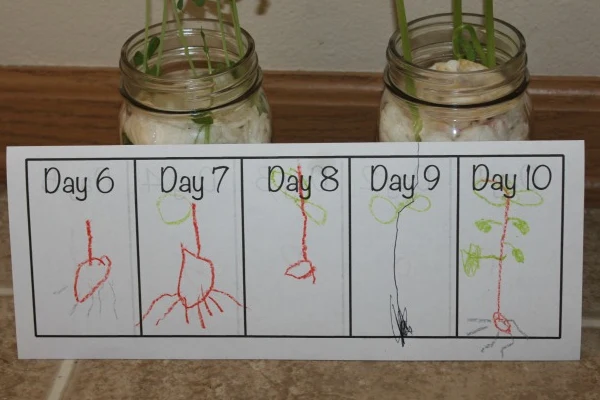
Seed Jar Observation
Overview:
Seed Jar Observation is a simple plant science activity that lets children watch seeds sprout over several days. It works well for small groups, science centers, or a classroom observation station.
Matériels:
Prepare clear jars or plastic cups, paper towels, bean seeds, water, spray bottles, labels, and a marker.
How to Use It:
Place a damp paper towel inside each jar, then slide a bean seed between the towel and the side of the jar so children can see it. Label each jar with the child’s name or group name. Check the jars daily and invite children to notice roots, stems, and leaves as they appear.
Learning Value:
This activity supports observation, patience, plant vocabulary, sequencing, and early science thinking.
Butterfly Symmetry Painting
Overview:
Butterfly Symmetry Painting is a spring art activity that introduces symmetry in a simple, visual way. It is a good fit for art centers or small-group lessons about butterflies.
Matériels:
Use white paper folded in half, washable paint, paintbrushes or spoons, butterfly outlines, trays, smocks, and wipes.
How to Use It:
Fold the paper in half, open it, and let children add paint to one side. Then fold the paper again and press gently. When children open it, they can see matching colors and shapes on both wings. Use simple language like same, both sides, wings, and butterfly.
Learning Value:
This activity supports color mixing, fine motor control, visual observation, early math language, and creative expression.
Worms in the Soil Sensory Bin
Overview:
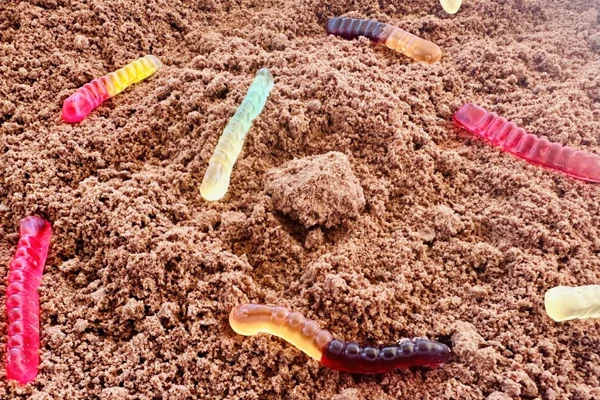
Worms in the Soil Sensory Bin is a tactile activity that helps children learn about soil, worms, and garden life. It works well for sensory centers, especially when children are interested in digging, scooping, and hiding objects.
Matériels:
Prepare a bin with brown shredded paper, dry black beans, cocoa-scented playdough, rubber worms, scoops, cups, small rakes, and magnifying glasses.
How to Use It:
Place the “soil” materials and worms in the bin. Children can dig, scoop, count worms, hide them, or move them into small cups. Add words like soil, worm, garden, dig, under, over, long, short, and wiggly.
Tip:
If using real soil or live worms, check school rules and allergies first. For most classrooms, pretend worms are easier, cleaner, and more predictable.
Learning Value:
This activity supports sensory language, counting, fine motor practice, nature vocabulary, and curiosity about living things.
Recycled Art Collage
Overview:
Recycled Art Collage is an Earth Day activity that helps preschoolers reuse safe classroom materials creatively. It is a practical choice for talking about caring for the environment without making the topic too abstract.
Matériels:
Use cardboard scraps, paper tubes, fabric pieces, bottle caps, magazine paper, glue, child-safe scissors, trays, and large construction paper.
How to Use It:
Set out clean recycled materials and invite children to create a collage, robot, garden scene, or free-choice design. Talk briefly about using materials again instead of throwing them away. Keep the message simple: “We can reuse this.”
Learning Value:
This activity supports creativity, fine motor skills, problem-solving, environmental awareness, and flexible thinking.
April works best when children can observe real growth and touch natural materials. These four activities give teachers a practical mix of plant science, spring art, sensory play, and Earth Day creativity.
May
May works well for hands-on activities that connect to animals, outdoor learning, and classroom reflection. For many preschool programs, this month also brings the end of the school year, so the activities should feel active, familiar, and easy to celebrate.
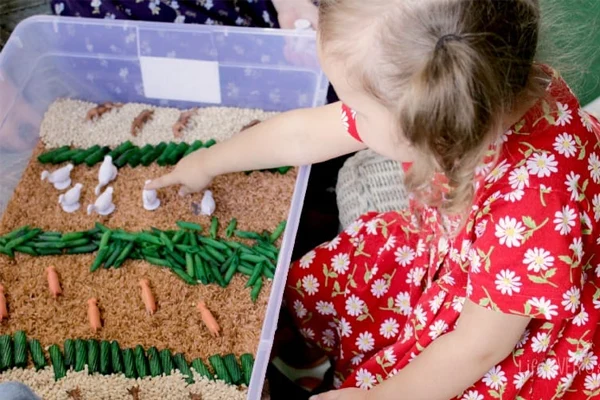
Farm Animal Sorting Mats
Overview:
Farm Animal Sorting Mats help children group animals by type, sound, size, or where they live. This activity works well for math centers, small groups, or a farm-themed dramatic play area.
Matériels:
Prepare farm animal figures or picture cards, sorting mats, baskets, barn pictures, and optional sound cards.
How to Use It:
Invite children to sort animals into simple groups, such as big and small, animals with wings, animals with four legs, or animals that give milk or eggs. You can also ask children to match each animal to its sound: cow/moo, sheep/baa, pig/oink, duck/quack.
Learning Value:
This activity supports classification, animal vocabulary, listening skills, early math thinking, and language development.
Pet Clinic Dramatic Play
Overview:
Pet Clinic Dramatic Play gives children a real-life pretend play setup where they can care for animals, use new vocabulary, and practice social roles. It works especially well for children who love pets or need more cooperative play practice.
Matériels:
Use stuffed animals, toy doctor tools, bandages, clipboards, appointment cards, baskets or pet beds, pretend food bowls, and name tags.
How to Use It:
Set up a small “pet clinic” with animals waiting for checkups. Children can pretend to be veterinarians, pet owners, helpers, or receptionists. Add simple prompts like “What does the pet need?” “Is the puppy hungry?” or “Can you help the kitten feel better?”
Learning Value:
This activity builds empathy, role-play language, problem-solving, turn-taking, and care routines.
Garden Watering Station
Overview:
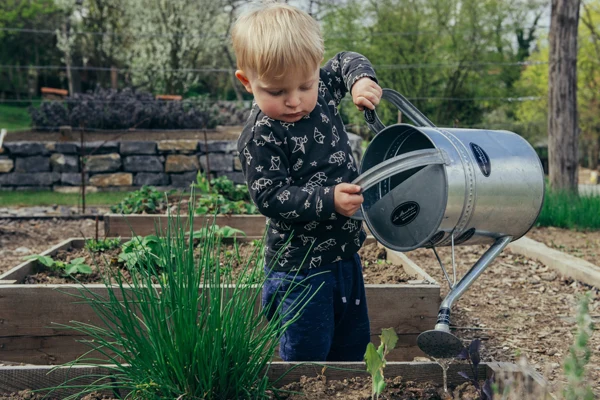
Garden Watering Station is a practical outdoor or sensory activity that helps children understand plant care. It is a good choice if your class has planted seeds in April or has access to a school garden.
Matériels:
Prepare small watering cans, spray bottles, seedling cups, plastic flowers, soil bins, garden gloves, labels, and towels.
How to Use It:
Let children water real or pretend plants, spray leaves, refill small watering cans, and check whether the soil feels dry or wet. If using real seedlings, show children how to water gently near the soil instead of pouring too much at once.
Tip:
For indoor classrooms, use plastic flowers in a sensory bin or small cups of soil with pretend plants. This keeps the activity clean and manageable.
Learning Value:
This activity supports responsibility, sensory awareness, plant vocabulary, fine motor control, and cause-and-effect thinking.
My Preschool Memory Book
Overview:
My Preschool Memory Book is an end-of-year reflection activity that helps children look back on what they enjoyed and learned. It works well for classrooms ending the school year in May or preparing for a small celebration.
Matériels:
Use blank booklets, children’s drawings, photos, name cards, crayons, stickers, glue sticks, and simple prompts.
How to Use It:
Give each child a small booklet with prompts such as “My favorite center,” “My favorite book,” “A friend I played with,” and “Something I learned.” Children can draw, dictate answers, add photos, or decorate pages.
Learning Value:
This activity supports self-expression, memory, language development, confidence, and a positive sense of growth.
May works best when activities combine movement, care, and reflection. These four ideas give teachers practical options for animal learning, garden routines, pretend play, and meaningful end-of-year conversations.
June
June works best with active, hands-on activities that can move between the classroom and outdoor play. These ideas are useful for summer programs, end-of-year enrichment, or any preschool class that needs lighter monthly topics for preschool with plenty of movement, sensory play, and pretend play.
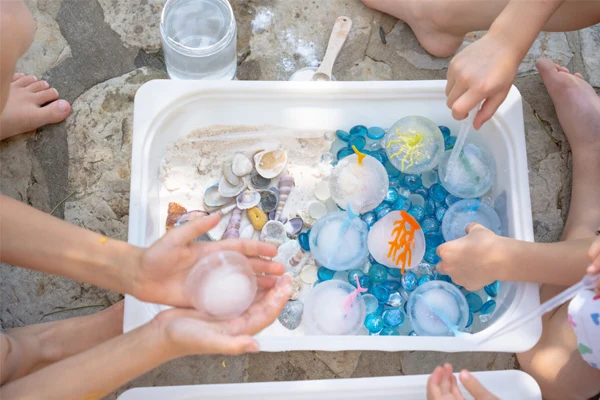
Ocean Animal Rescue Bin
Overview:
Ocean Animal Rescue Bin is a sensory and fine motor activity where children “rescue” sea animals from water, blue rice, or shredded paper. It works well for ocean themes, summer centers, or small-group play.
Matériels:
Prepare plastic ocean animals, a sensory bin, blue water or blue shredded paper, scoops, tongs, small nets, towels, and animal picture cards.
How to Use It:
Place ocean animals in the bin and invite children to rescue them with tongs, nets, or scoops. After each rescue, children can name the animal, match it to a picture card, or sort animals by size, color, or type.
Learning Value:
This activity supports fine motor control, ocean vocabulary, sorting, matching, sensory exploration, and cooperative play.
Seashell Counting Tray
Overview:
Seashell Counting Tray is a simple math activity that helps children practice counting, matching quantities, and comparing groups. It works well for math centers or quiet table time.
Matériels:
Use clean seashells, number cards, small trays, cups, ten-frame mats, and optional sand-colored paper.
How to Use It:
Place number cards on trays and invite children to count the matching number of shells. Younger children can match one shell to each dot on a card. Older preschoolers can compare which tray has more, fewer, or the same number of shells.
Tip:
Use large shells for younger children and avoid small pieces if your class still mouths objects.
Learning Value:
This activity builds counting, one-to-one correspondence, number recognition, comparison language, and fine motor practice.
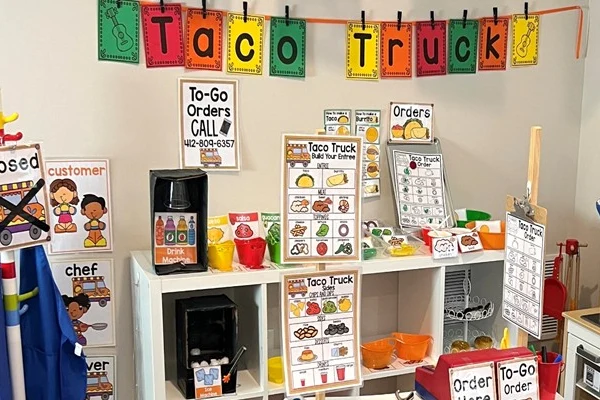
Build-a-Campsite Dramatic Play
Overview:
Build-a-Campsite Dramatic Play gives children a pretend outdoor experience inside the classroom. It is a strong June activity because it supports imagination, language, cooperation, and problem-solving.
Matériels:
Prepare a small play tent or blanket, flashlights, pretend campfire, paper logs, toy food, backpacks, maps, stuffed animals, and picnic supplies.
How to Use It:
Set up a simple campsite area with a tent, pretend fire, and picnic materials. Children can pack bags, cook pretend food, read maps, care for stuffed animals, or tell stories around the “campfire.” Add simple safety language such as stay with the group, put out the fire, and use a flashlight.
Learning Value:
This activity supports dramatic play, social language, sequencing, safety awareness, and collaborative problem-solving.
Sponge Water Relay
Overview:
Sponge Water Relay is an outdoor water play activity that helps children move, squeeze, pour, and compare amounts. It works best on warm days or during summer camp-style programming.
Matériels:
Use large sponges, buckets, water, cups, towels, cones, and outdoor space.
How to Use It:
Place one bucket of water at the starting point and an empty bucket a short distance away. Children dip a sponge, carry it carefully, and squeeze water into the empty bucket. Keep the focus playful rather than competitive. Ask questions like “Is the bucket getting fuller?” or “Which sponge holds more water?”
Learning Value:
This activity supports gross motor movement, hand strength, teamwork, measurement language, and cause-and-effect thinking.
June works best when activities feel active, refreshing, and easy to set up. These four ideas give teachers a practical mix of ocean learning, early math, camping pretend play, and outdoor water exploration.
July
July works best with flexible, high-interest activities because summer attendance can be less predictable. These ideas are easy to set up, fun to repeat, and useful for classrooms that need playful monthly preschool themes without heavy preparation.
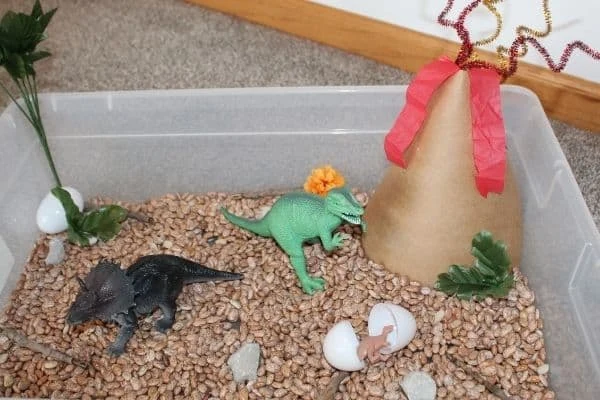
Dinosaur Dig Sensory Bin
Overview:
Dinosaur Dig Sensory Bin is a hands-on activity where children pretend to be paleontologists. It works well for sensory centers, small groups, or summer camp-style preschool programs.
Matériels:
Prepare a sensory bin with sand, dry rice, or shredded paper, plus toy dinosaurs, plastic bones, paintbrushes, scoops, small cups, and magnifying glasses.
How to Use It:
Hide dinosaurs or “fossils” in the bin and invite children to dig carefully with brushes or scoops. After finding each item, children can name it, count it, compare sizes, or match it to a picture card.
Learning Value:
This activity supports sensory exploration, fine motor control, counting, comparison language, pretend play, and early science curiosity.
Ice Cream Scoop Counting
Overview:
Ice Cream Scoop Counting is a summer math activity that helps children practice counting, color recognition, and one-to-one correspondence. It works well as a math center or small-group table activity.
Matériels:
Use paper cones, pom-poms, scoopers or tongs, number cards, colored bowls, and optional flavor labels.
How to Use It:
Place number cards beside paper cones and invite children to add the matching number of pom-pom “scoops.” Younger children can count 1–5, while older preschoolers can count higher, make patterns, or take pretend ice cream orders.
Tip:
Turn the activity into a pretend ice cream shop if children are ready for more social play. One child can order, one can scoop, and another can “pay” with play money.
Learning Value:
This activity builds counting, number recognition, color naming, fine motor skills, and pretend play language.
Picnic Basket Sorting
Overview:
Picnic Basket Sorting is a practical summer activity that helps children classify foods, name familiar items, and practice pretend play. It fits well during snack, dramatic play, or a food-themed center.
Matériels:
Prepare a basket, pretend food, paper plates, napkins, cups, sorting mats, and picnic blanket or fabric square.
How to Use It:
Invite children to pack a picnic basket by sorting foods into simple groups, such as fruits, vegetables, drinks, and snacks. Then they can set up a pretend picnic, pass plates, and talk about what they packed.
Learning Value:
This activity supports sorting, food vocabulary, social language, turn-taking, and daily-life pretend play.
Outdoor Obstacle Course
Overview:
Outdoor Obstacle Course is a gross motor activity that gives children a structured way to run, crawl, jump, balance, and follow directions. It works especially well in July when children need active play.
Matériels:
Use cones, hoops, tunnels, balance beams, chalk lines, beanbags, stepping spots, and open outdoor space.
How to Use It:
Set up a simple course with 4–5 actions, such as jump over a line, crawl through a tunnel, walk around cones, toss a beanbag, and balance on stepping spots. Demonstrate the course first, then let children try it one at a time or in small groups.
Learning Value:
This activity supports gross motor development, listening skills, sequencing, spatial awareness, and confidence.
July works best when activities are playful, simple to repeat, and easy to adjust for changing group sizes. These four ideas give teachers ready-to-use options for sensory play, early math, food sorting, and outdoor movement.
August
August works best with activities that help children feel safe, learn routines, and build classroom confidence. These ideas are especially useful for the beginning of the school year because they support names, families, friendships, transitions, and daily expectations.
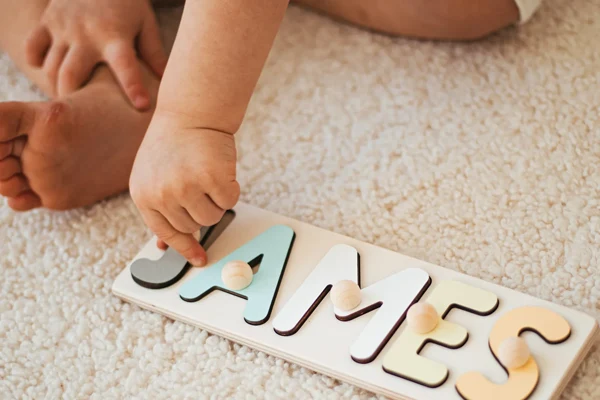
Name Puzzle Matching
Overview:
Name Puzzle Matching helps children recognize their own names and notice letters in a hands-on way. It works well for morning tubs, small groups, or early literacy centers.
Matériels:
Prepare name cards, sentence strips, envelopes or bags, markers, scissors, and optional letter tiles.
How to Use It:
Write each child’s name on a sentence strip, then cut the letters apart to create a simple puzzle. Give children their full name card as a model and invite them to rebuild their name by matching each letter. Younger children can match the whole name card first, while older preschoolers can arrange individual letters.
Learning Value:
This activity supports name recognition, letter awareness, visual matching, fine motor control, and early confidence with print.
All About Me Self-Portrait
Overview:
All About Me Self-Portrait is a simple art and identity activity that helps children talk about themselves. It works well during the first weeks of school when teachers are learning about each child.
Matériels:
Use mirrors, blank face templates or drawing paper, crayons, skin-tone markers, yarn, glue, and name labels.
How to Use It:
Invite children to look in a mirror and notice details such as hair, eyes, smile, and clothing. Then let them draw or build a self-portrait. Teachers can write down children’s words, such as “I have curly hair” or “I like blue.”
Tip:
Focus on observation and self-expression, not making the portrait look “correct.” The goal is to help children feel seen and comfortable.
Learning Value:
This activity supports self-awareness, descriptive language, fine motor skills, identity development, and classroom belonging.
Family Photo Sharing Board
Overview:
Family Photo Sharing Board helps children connect home and school. It is especially useful for easing separation anxiety and helping children talk about people who care for them.
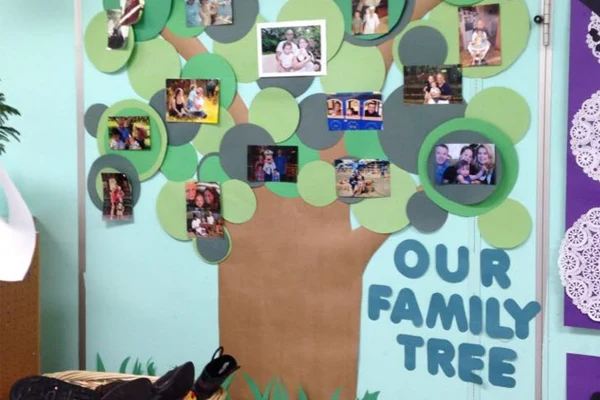
Matériels:
Prepare family photos from home, a bulletin board or poster board, child name labels, tape, and simple sentence prompts.
How to Use It:
Ask families to send one photo or drawing. Add each child’s photo to a board at child height. During circle time or quiet moments, invite children to point to their family and say who is in the picture. Keep language inclusive by saying “people who love and care for you.”
Learning Value:
This activity supports oral language, emotional security, family connection, social awareness, and classroom community.
Classroom Routine Picture Cards
Overview:
Classroom Routine Picture Cards help children understand what happens during the day. This activity is useful for transitions, new students, and classrooms that need more predictable routines.
Matériels:
Use photos or drawings of classroom routines, such as arrival, circle time, snack, centers, cleanup, outdoor play, rest, and goodbye. Add Velcro, magnets, or a pocket chart.
How to Use It:
Display the cards in order and review them briefly each morning. Move a marker or clip as the day progresses. During transitions, point to the next card and say, “Now we clean up. Next we go outside.”
Learning Value:
This activity supports independence, sequencing, transition skills, classroom language, and emotional security.
August works best when activities make the classroom feel predictable and personal. These four ideas give teachers practical ways to support early literacy, self-expression, family connection, and daily routines during the first weeks of school.
September
September works well with familiar, hands-on activities children can taste, touch, smell, see, and talk about. These ideas are useful for early-year classrooms because they support sensory language, classroom community, and simple observation skills.
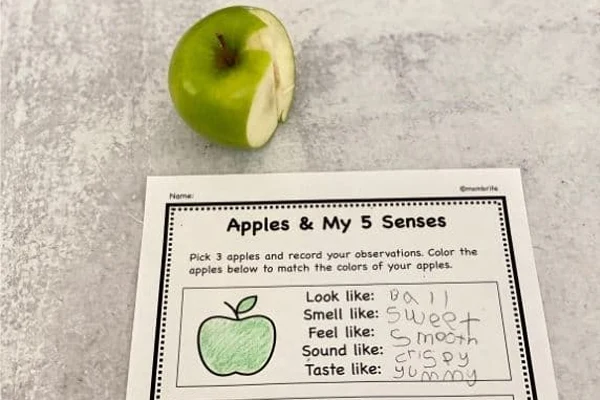
Apple Taste Test Chart
Overview:
Apple Taste Test Chart is a simple food and graphing activity that helps children compare flavors and share opinions. It works well for small groups, snack time, or a September apple theme.
Matériels:
Prepare sliced red, green, and yellow apples, napkins, a simple class chart, name cards or stickers, and allergy information from families.
How to Use It:
Let children taste each apple color, then ask which one they liked best. Children can place a sticker or name card under their favorite apple on the chart. Count the results together and use words like sweet, sour, crunchy, favorite, more, and fewer.
Learning Value:
This activity supports tasting vocabulary, comparison, counting, graphing, turn-taking, and oral language.
Five Senses Mystery Bags
Overview:
Five Senses Mystery Bags help children use touch, smell, and observation to describe objects. It is a strong September activity because it teaches children how to notice details and use descriptive words.
Matériels:
Use paper bags, familiar classroom objects, textured items, scented items in sealed containers, picture cards, and a simple “I notice…” sentence prompt.
How to Use It:
Place one safe object in each bag and invite children to feel it without looking. Ask questions like “Is it soft or hard?” “Is it round or flat?” “What do you think it is?” For smell items, use sealed containers with small holes and familiar scents like lemon, cinnamon, or vanilla.
Tip:
Avoid strong scents and check allergies first. Keep mystery items familiar so children can focus on describing, not guessing something too difficult.
Learning Value:
This activity supports sensory vocabulary, observation, prediction, descriptive language, and confidence in sharing ideas.
Family House Block Center
Overview:
Family House Block Center is a building and pretend play activity that helps children talk about home, family, and people who care for them. It works well in block areas or dramatic play centers.
Matériels:
Prepare wooden blocks, small people figures, family photo cards, fabric scraps, toy furniture, cardboard pieces, and simple house pictures.
How to Use It:
Invite children to build a house, apartment, or neighborhood with blocks. Add people figures and encourage children to talk about who lives there or what the people are doing. Use inclusive language such as family, home, grown-up, caregiver, and people who help us.
Learning Value:
This activity supports social language, family vocabulary, spatial thinking, block building, cooperation, and pretend play.
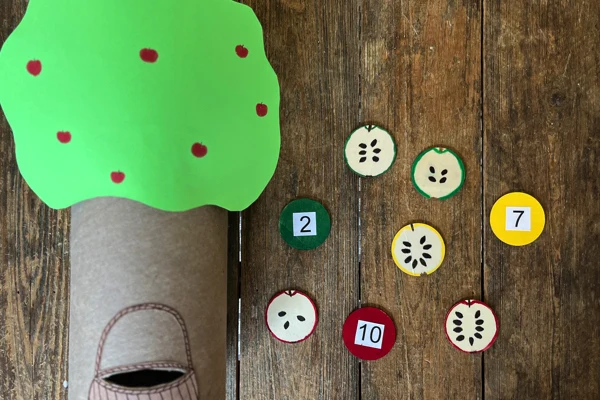
Apple Seed Counting Mats
Overview:
Apple Seed Counting Mats are a low-prep math activity for number recognition and one-to-one counting. They work well as a table activity after an apple story or apple tasting activity.
Matériels:
Use apple-shaped mats, black beans or paper “seeds,” number cards, small cups, and optional tongs.
How to Use It:
Place a number card beside each apple mat and invite children to add the matching number of seeds. Younger children can count 1–5, while older preschoolers can count higher or compare which apple has more seeds.
Learning Value:
This activity supports counting, number recognition, fine motor control, one-to-one correspondence, and apple vocabulary.
September works best when activities feel familiar and sensory-rich. These four ideas help teachers connect early math, language, family themes, and hands-on observation in a way young children can understand right away.
September
September works well with familiar, hands-on activities children can taste, touch, smell, see, and talk about. These ideas are useful for early-year classrooms because they support sensory language, classroom community, and simple observation skills.
Apple Taste Test Chart
Overview:
Apple Taste Test Chart is a simple food and graphing activity that helps children compare flavors and share opinions. It works well for small groups, snack time, or a September apple theme.
Matériels:
Prepare sliced red, green, and yellow apples, napkins, a simple class chart, name cards or stickers, and allergy information from families.
How to Use It:
Let children taste each apple color, then ask which one they liked best. Children can place a sticker or name card under their favorite apple on the chart. Count the results together and use words like sweet, sour, crunchy, favorite, more, and fewer.
Learning Value:
This activity supports tasting vocabulary, comparison, counting, graphing, turn-taking, and oral language.
Five Senses Mystery Bags
Overview:
Five Senses Mystery Bags help children use touch, smell, and observation to describe objects. It is a strong September activity because it teaches children how to notice details and use descriptive words.
Matériels:
Use paper bags, familiar classroom objects, textured items, scented items in sealed containers, picture cards, and a simple “I notice…” sentence prompt.
How to Use It:
Place one safe object in each bag and invite children to feel it without looking. Ask questions like “Is it soft or hard?” “Is it round or flat?” “What do you think it is?” For smell items, use sealed containers with small holes and familiar scents like lemon, cinnamon, or vanilla.
Tip:
Avoid strong scents and check allergies first. Keep mystery items familiar so children can focus on describing, not guessing something too difficult.
Learning Value:
This activity supports sensory vocabulary, observation, prediction, descriptive language, and confidence in sharing ideas.
Family House Block Center
Overview:
Family House Block Center is a building and pretend play activity that helps children talk about home, family, and people who care for them. It works well in block areas or dramatic play centers.
Matériels:
Prepare wooden blocks, small people figures, family photo cards, fabric scraps, toy furniture, cardboard pieces, and simple house pictures.
How to Use It:
Invite children to build a house, apartment, or neighborhood with blocks. Add people figures and encourage children to talk about who lives there or what the people are doing. Use inclusive language such as family, home, grown-up, caregiver, and people who help us.
Learning Value:
This activity supports social language, family vocabulary, spatial thinking, block building, cooperation, and pretend play.
Apple Seed Counting Mats
Overview:
Apple Seed Counting Mats are a low-prep math activity for number recognition and one-to-one counting. They work well as a table activity after an apple story or apple tasting activity.
Matériels:
Use apple-shaped mats, black beans or paper “seeds,” number cards, small cups, and optional tongs.
How to Use It:
Place a number card beside each apple mat and invite children to add the matching number of seeds. Younger children can count 1–5, while older preschoolers can count higher or compare which apple has more seeds.
Learning Value:
This activity supports counting, number recognition, fine motor control, one-to-one correspondence, and apple vocabulary.
September works best when activities feel familiar and sensory-rich. These four ideas help teachers connect early math, language, family themes, and hands-on observation in a way young children can understand right away.
October
October works well with activities children can touch, scoop, sort, build, and act out. These ideas fit fall classrooms, but they also give teachers practical ways to include science, safety, community roles, and sensory play without making the month feel too crowded.
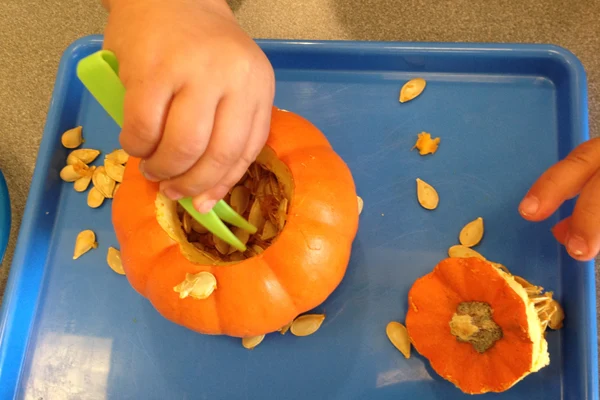
Pumpkin Seed Scooping
Overview:
Pumpkin Seed Scooping is a hands-on sensory and science activity that lets children investigate a real pumpkin. It works well for small groups because children can scoop, count, describe textures, and talk about what they notice.
Matériels:
Prepare a pumpkin cut open by an adult, large spoons, trays, bowls, tweezers or tongs, paper towels, magnifying glasses, and a simple counting mat.
How to Use It:
Let children scoop out the seeds and pulp, then place the seeds in bowls or on trays. Invite them to describe how the inside feels: slimy, wet, stringy, smooth, or sticky. Older preschoolers can count seeds in small groups or compare which bowl has more.
Learning Value:
This activity supports sensory language, counting, observation, fine motor strength, and early science vocabulary.
Leaf Color Sorting
Overview:
Leaf Color Sorting is a simple fall math and observation activity. It is useful for classrooms that want children to notice seasonal changes and practice sorting with real or realistic materials.
Matériels:
Use real leaves, fabric leaves, paper leaves, color sorting mats, baskets, crayons, and magnifying glasses.
How to Use It:
Invite children to sort leaves by color, such as red, yellow, orange, brown, and green. Then they can compare sizes, make leaf rubbings, or arrange leaves into simple patterns. If using real leaves, let children look closely at lines, stems, spots, and edges.
Tip:
If real leaves are not available, use paper or fabric leaves. The activity still works as long as children can compare colors, shapes, and sizes.
Learning Value:
This activity builds sorting, color recognition, observation, comparison language, and nature vocabulary.
Firefighter Role-Play Station
Overview:
Firefighter Role-Play Station is a community helper activity that introduces safety and helping roles through pretend play. It works well in October because many classrooms include fire safety topics during this month.
Matériels:
Prepare firefighter hats, jackets or vests, toy phones, cardboard fire trucks, paper flames, hoses made from pool noodles or cardboard tubes, and picture books about firefighters.
How to Use It:
Set up a pretend fire station where children can answer calls, drive the fire truck, spray pretend water, and help people or animals. Keep the safety language calm and simple: firefighters help, we stay low in smoke, and we listen to trusted adults.
Learning Value:
This activity supports dramatic play, community vocabulary, safety awareness, cooperation, and problem-solving.
Nocturnal Animal Flashlight Hunt
Overview:
Nocturnal Animal Flashlight Hunt is a movement and observation activity that helps children learn about animals active at night. It works well for classrooms that want a fall activity without making it scary.
Matériels:
Use pictures or figures of owls, bats, raccoons, foxes, and moths, plus flashlights, dark paper, tape, and a dim classroom corner or covered table.
How to Use It:
Hide animal pictures around the room or in a small “night forest” area. Children use flashlights to find each animal, name it, and place it on a matching mat. You can add simple questions like “Does this animal fly?” or “Where might it sleep?”
Learning Value:
This activity supports animal vocabulary, visual scanning, movement, classification, and early habitat awareness.
October works best when activities stay concrete and playful. These four ideas give teachers a useful mix of fall science, sensory exploration, community helper play, and animal learning while keeping the month easy to manage.
November
November works well with activities that connect food, family routines, helping, and thankfulness. These ideas keep the month concrete for preschoolers, so gratitude and harvest themes become something children can sort, make, share, and talk about.
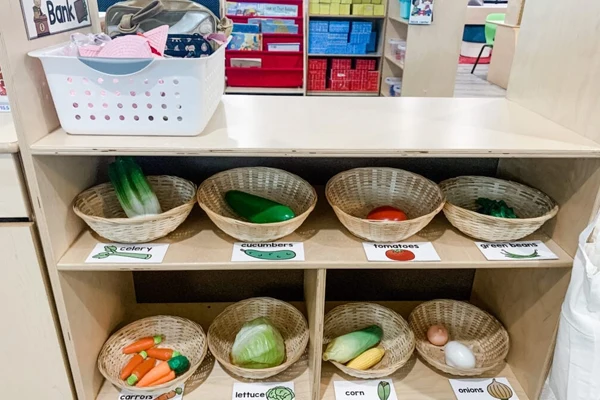
Grocery Store Sorting
Overview:
Grocery Store Sorting is a pretend play and early math activity that helps children classify familiar foods. It works well for a harvest, food, or community helper theme.
Matériels:
Prepare pretend food, grocery bags, baskets, shelves or bins, food picture cards, play money, and simple labels such as fruit, vegetables, bread, and drinks.
How to Use It:
Set up a small grocery store where children can sort food into bins, shop with baskets, and pretend to pay at checkout. Younger children can sort by color or food type. Older preschoolers can match food to labels or count items in a basket.
Learning Value:
This activity supports sorting, food vocabulary, counting, social language, and real-life pretend play.
Thankful Tree Leaves
Overview:
Thankful Tree Leaves is a simple gratitude activity that helps children name people, places, or things they appreciate. It works well for circle time, family connection, or a calm table activity.
Matériels:
Use paper leaves, markers, crayons, glue or tape, a tree poster, child photos, and optional family note cards.
How to Use It:
Ask each child a simple prompt, such as “Who helps you?” or “What makes you happy?” Write their answer on a paper leaf, then let them decorate it and place it on the class tree. Keep answers child-friendly: family, friends, pets, books, playground, snacks, or teachers.
Tip:
Some children may not understand “thankful” yet. Use simpler language like “something you love,” “someone who helps you,” or “something that makes you smile.”
Learning Value:
This activity supports emotional language, gratitude, self-expression, classroom community, and oral language.
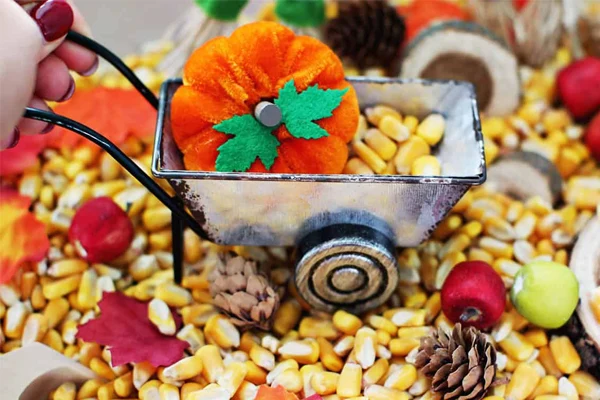
Corn Kernel Sensory Scoop
Overview:
Corn Kernel Sensory Scoop is a harvest-themed sensory activity for scooping, pouring, measuring, and comparing. It is useful for classrooms that want a calm, hands-on center with early math language.
Matériels:
Prepare dry corn kernels, scoops, cups, funnels, small bowls, measuring spoons, trays, and toy farm animals or small pumpkins.
How to Use It:
Place the corn kernels in a sensory bin and add cups, scoops, and funnels. Children can fill containers, pour kernels, compare full and empty, or hide small farm items for a search-and-find activity.
Safety Note:
Use this only with children who no longer mouth small objects, and supervise closely. For younger groups, substitute large pom-poms, fabric leaves, or crumpled paper.
Learning Value:
This activity supports fine motor skills, sensory exploration, measurement language, comparison, and harvest vocabulary.
Family Recipe Picture Book
Overview:
Family Recipe Picture Book is a home-school connection activity that lets children share foods their families enjoy. It works well for November because it connects food, family, culture, and storytelling.
Matériels:
Ask families to send a photo, drawing, or short note about a favorite family food. Prepare blank pages, glue sticks, crayons, labels, and a binder or stapler.
How to Use It:
Create one class book page for each child. Add the food picture or drawing, then write the child’s words underneath, such as “My family makes soup” or “I like rice with chicken.” Read the class book during circle time and place it in the library center.
Learning Value:
This activity supports family connection, cultural awareness, oral language, print awareness, and classroom belonging.
November works best when activities make big ideas like harvest and gratitude feel concrete. These four activities help teachers turn food, family, and thankfulness into hands-on learning children can actually understand and use.
December
December works best with cozy, flexible activities that keep children engaged without overstimulating the classroom. These ideas are useful for winter lessons, inclusive seasonal planning, storytelling, kindness activities, and simple sensory play.
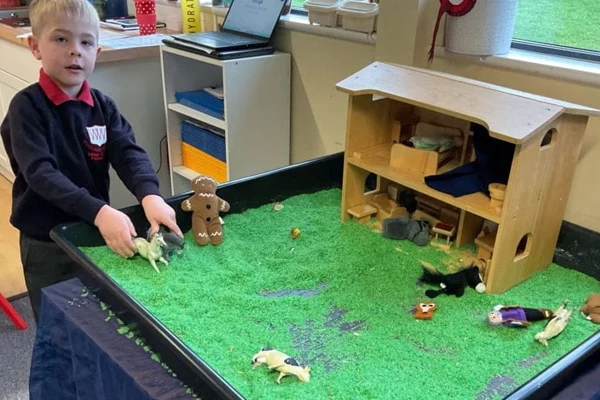
Gingerbread Story Retelling Tray
Overview:
Gingerbread Story Retelling Tray is a literacy activity that helps children retell a familiar story using hands-on props. It works well after reading a gingerbread book during circle time.
Matériels:
Prepare gingerbread character cutouts or figures, a small tray, picture sequence cards, a pretend oven, toy animals or people, and a simple story mat.
How to Use It:
Read a gingerbread story, then place the props on the tray. Invite children to retell what happened first, next, and last. They can move the gingerbread figure across the mat, repeat familiar phrases, or act out the chase with toy characters.
Learning Value:
This activity supports sequencing, oral language, story comprehension, vocabulary, and dramatic play.
Light and Shadow Flashlight Play
Overview:
Light and Shadow Flashlight Play is a simple science activity that lets children explore how shadows appear and change. It works well during December when classrooms often focus on light, dark, winter days, or cozy indoor activities.
Matériels:
Use flashlights, toy animals, blocks, white paper, a wall or screen, and optional shadow puppets.
How to Use It:
Dim part of the room and let children shine flashlights on toys or blocks to make shadows. Move the flashlight closer and farther away so children can notice how the shadow changes. Keep questions simple: “Is the shadow big or small?” “What happens when the light moves?”
Tip:
Use small groups so children have enough time to handle the flashlight safely and take turns.
Learning Value:
This activity supports observation, cause-and-effect thinking, science vocabulary, turn-taking, and visual tracking.
Kindness Card Station
Overview:
Kindness Card Station is a low-prep social-emotional activity where children make simple cards for classmates, family members, school helpers, or community workers. It works well for December giving themes without needing to focus on a specific holiday.
Matériels:
Prepare folded paper, crayons, stickers, stamps, envelopes, name cards, and simple sentence starters such as “Thank you” or “I like you.”
How to Use It:
Set up a table where children can draw or decorate cards. Teachers can help write children’s dictated messages, such as “Thank you for helping me” or “I made this for my friend.” Place finished cards in cubbies, mailboxes, or a pretend post office.
Learning Value:
This activity supports kindness, early writing, fine motor skills, social connection, and expressive language.
Hot Cocoa Sensory Bin
Overview:
Hot Cocoa Sensory Bin is a cozy pretend play activity that lets children scoop, pour, count, and serve. It works well for winter themes and dramatic play centers.
Matériels:
Use brown pom-poms or dry brown rice, white pom-poms for marshmallows, cups, spoons, scoops, trays, pretend mugs, and optional order cards.
How to Use It:
Fill a bin with pretend cocoa materials and invite children to scoop cocoa, add marshmallows, stir, and serve pretend drinks. Older preschoolers can follow order cards, such as “2 marshmallows” or “1 spoon of cocoa.”
Learning Value:
This activity supports fine motor skills, counting, pretend play, social language, and winter vocabulary.
December works best when activities feel calm, warm, and easy to adapt. These four ideas give teachers practical options for storytelling, science, kindness, and sensory play while keeping the month simple and inclusive.
This monthly list of themes for preschool gives teachers a ready-to-use starting point for the year. Use the four activity ideas in each month as a sample four-week plan, then adjust the order, materials, and difficulty based on your children’s age, local seasons, classroom interests, and available supplies. The best plan is not the one with the most activities, but the one children can understand, repeat, and enjoy through hands-on learning.
How to Use Preschool Themes in the Classroom
Preschool themes work best when they turn separate skills into one clear learning story. Instead of teaching math, literacy, science, and art as disconnected activities, a theme gives children a shared topic they can read about, talk about, build, count, draw, and pretend with throughout the day.
Connect Different Skills to One Theme
Start by choosing one theme and using it across several learning areas. For example, during an insects theme, children can count plastic bugs, read a book about butterflies, paint ladybugs, observe worms, and act out how insects move.
This helps children see that learning is connected. They are not just counting objects or listening to a story; they are building a fuller understanding of one topic from different angles.
Make the Theme Visible in Daily Routines
A theme should appear in regular classroom moments, not only in one planned activity. Use it during circle time, centers, transitions, art, sensory play, and dramatic play.
For example, a community helpers theme can include:
- Reading a firefighter story at circle time
- Counting doctor tools in a math center
- Setting up a pretend post office
- Drawing helper vehicles at the art table
- Using words like helper, uniform, mail, rescue, and appointment during play
This structure gives children predictability, which can help them feel more secure and focused.
Use Themes to Build Stronger Vocabulary
Themes give children repeated chances to hear and use the same words in meaningful situations. A space theme might include words like rocket, planet, moon, stars, astronaut, launch, and orbit.
Use these words naturally while reading, building, singing, drawing, and pretending. The more children meet the words in real activities, the more likely they are to remember and use them.
Follow Children’s Curiosity
Themes are more powerful when they connect to children’s interests. If children are excited about construction vehicles, turn that interest into counting wheels, building roads, reading truck books, sorting tools, and pretending to run a construction site.
This makes learning feel like play instead of a task. Children participate more because the topic already matters to them.
Conclusion
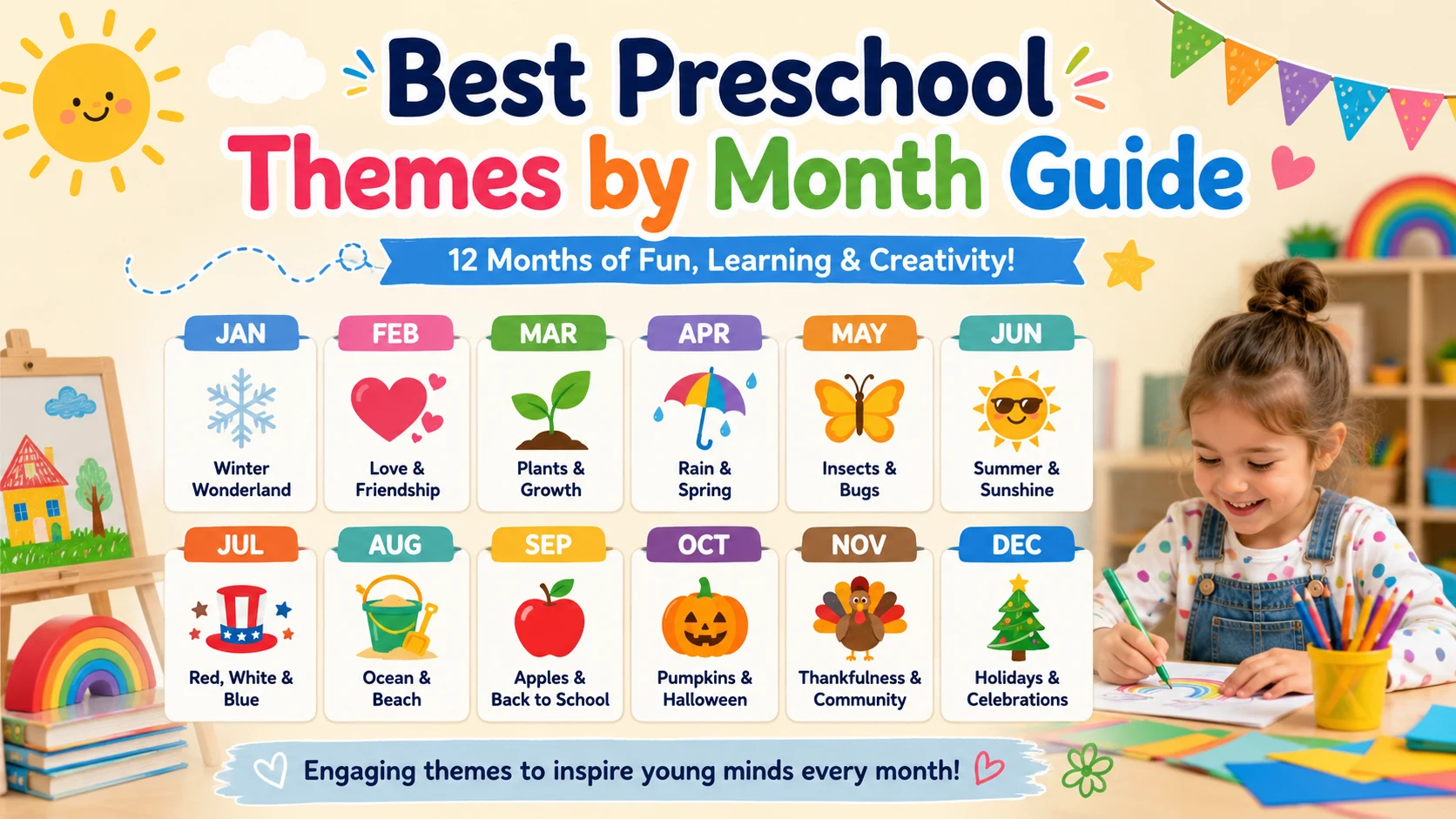
This Best Preschool Themes by Month Guide shows how teachers can turn a full year of planning into clear, hands-on learning. With practical preschool themes by month, each topic can connect books, art, math, science, sensory play, movement, and dramatic play without making the classroom feel scattered.
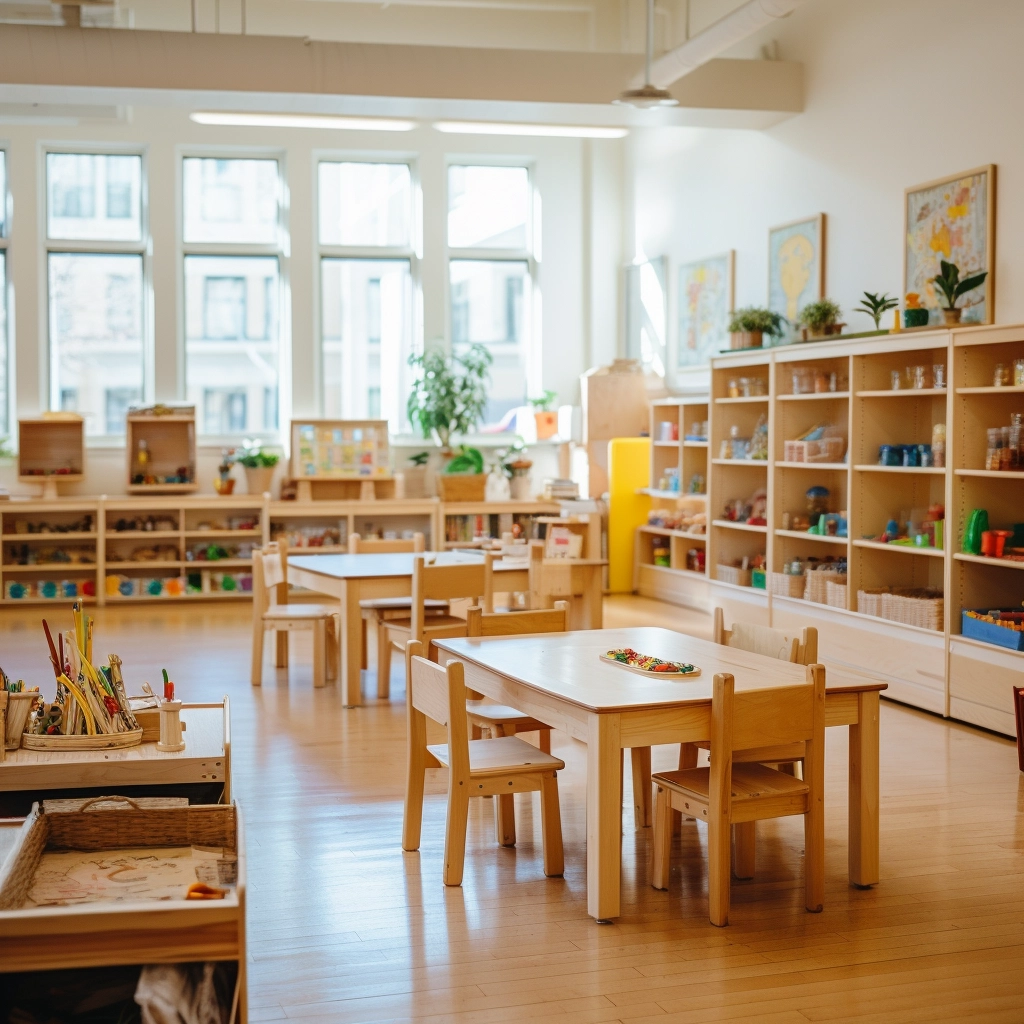
The best plan is not the one with the most activities, but the one children can touch, repeat, and understand. A thoughtful monthly list of themes for preschool works even better when the classroom space supports movement, group work, and independent play. Well-designed kindergarten furniture from brands like Meubles WestShore can help make those daily learning routines feel smoother and more organized.