
To start a daycare, you need to decide its size, meet local licensing requirements, calculate your budget, prepare the space, and hire qualified staff. Read on for the detailed steps and important considerations.

Decide the Size of Your Daycare
The daycare model and enrollment size you choose will affect your licensing requirements, startup budget, location, staffing, and daily operating costs. Start by deciding where you will operate, which age groups you will serve, and how many children you plan to enroll.
Common daycare business types include:
- Home-based daycare programs
- Center-based childcare programs
- Preschool and pre-kindergarten programs
- After-school childcare programs
- Montessori or nature-based programs
- Bilingual daycare programs
- Childcare franchises
After choosing your daycare model, set a realistic enrollment target based on local licensing rules, available space, staff to child ratios, children’s ages, and your budget. Remember that your licensed capacity may be lower than the building’s total size.
Check Local Daycare Licensing Requirements
Daycare licensing rules vary by country, state, and city. They may determine how many children you can enroll, which age groups you can serve, what staff qualifications you need, and how the facility must be designed.
Before signing a lease, renovating the property, or purchasing equipment, confirm the requirements for your daycare type. Check zoning approval, usable classroom space, staff to child ratios, fire safety, sanitation, outdoor play areas, and required records.
Use your local childcare authority’s official checklist and confirm which inspections and approvals are required before opening.
Calculate Your Daycare Startup Costs
Your startup cost will depend on the daycare size, location, property condition, and number of children you plan to serve. Create a budget before signing a lease or purchasing equipment.
Include the main expenses:
- Licensing and registration
- Rent, deposit, or property purchase
- Renovation and safety upgrades
- Insurance
- Furniture and learning materials
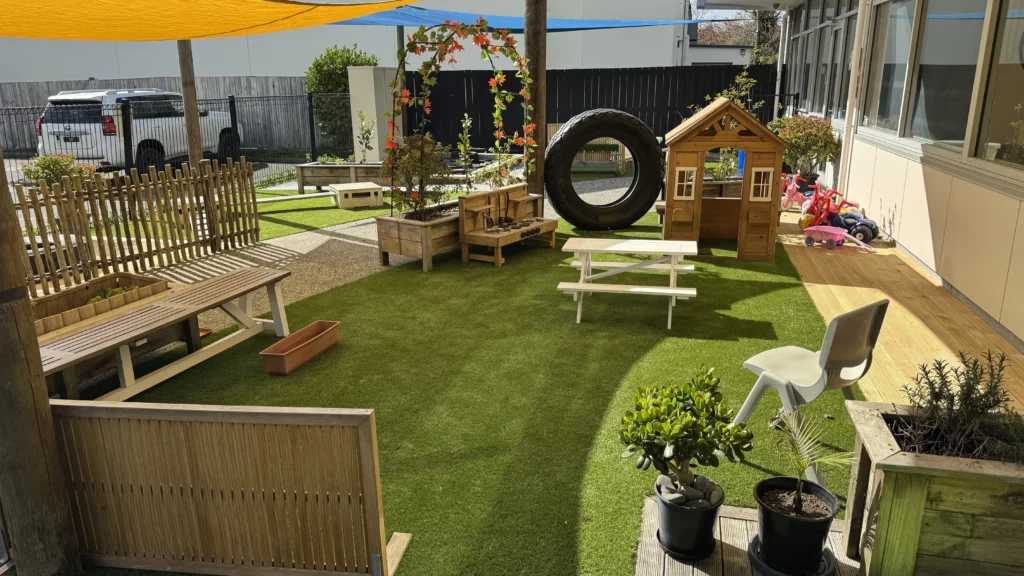
- Outdoor play equipment
- Staff recruitment and training
- Marketing and management software
You should also prepare enough working capital to cover rent, payroll, utilities, food, and supplies while enrollment is still growing. Do not build your budget on the assumption that every place will be filled immediately.
Estimate Whether Your Daycare Can Be Profitable
Daycare revenue depends on enrollment, tuition rates, and the ages of the children you serve. Your main ongoing costs will usually include staff wages, rent, insurance, food, utilities, and supplies.
Estimate your monthly income using:
Monthly Revenue = Number of Enrolled Children × Average Monthly Tuition
Then compare this with your monthly operating costs. Do not assume full enrollment from the beginning, and remember that infant care may require more staff even when tuition is higher.
Create a Daycare Business Plan
A business plan helps you confirm whether your daycare idea is practical before you invest more money. It should clearly define who you will serve, how the daycare will operate, and how it will generate enough revenue.

Include:
- Target age groups
- Planned enrollment
- Services and opening hours
- Local demand and competitors
- Tuition rates
- Startup and monthly costs
- Staffing needs
- Marketing plan
- Break even target
Keep the plan realistic and update it when your licensing limits, property costs, or enrollment goals change.
Find and Verify a Suitable Location
Choose a location that is convenient for families and suitable for childcare use. Before signing a lease, confirm that the property can meet local zoning, licensing, fire safety, and space requirements.
Check:
- Indoor and outdoor space
- Safe entrances and emergency exits
- Toilets and handwashing facilities
- Drop off and pickup access
- Ventilation, lighting, and security
- Renovation costs
- Expected licensed capacity
Do not sign an unconditional lease before confirming that the property can be approved for daycare use.
Set Your Tuition and Payment Policies
Set tuition based on local market rates, children’s age groups, operating hours, and your actual costs. Infant care often costs more because it requires lower staff to child ratios.
Also decide how you will handle registration fees, deposits, absences, holidays, late pickup, meals, and overdue payments. Put every charge and payment rule in the enrollment agreement so families understand the costs before registering.
Plan Your Staffing Needs
Your staffing plan should match the children’s age groups, enrollment target, opening hours, and local staff to child ratios. You may need a director, lead teachers, assistants, substitutes, and support staff.
Plan for staff breaks, absences, opening and closing shifts, and busy drop off periods. Do not set your enrollment target until you know how many qualified employees are needed to supervise children safely throughout the day.
Prepare Insurance and Essential Policies
Before opening, arrange the insurance required for your daycare type and location. This may include general liability, property, workers compensation, professional liability, and commercial vehicle coverage.
You should also prepare clear written policies for payments, illness, medication, emergencies, discipline, drop off and pickup, late collection, allergies, and incident reporting. Include these rules in your parent handbook and enrollment agreement.
Design Your Classroom Environment
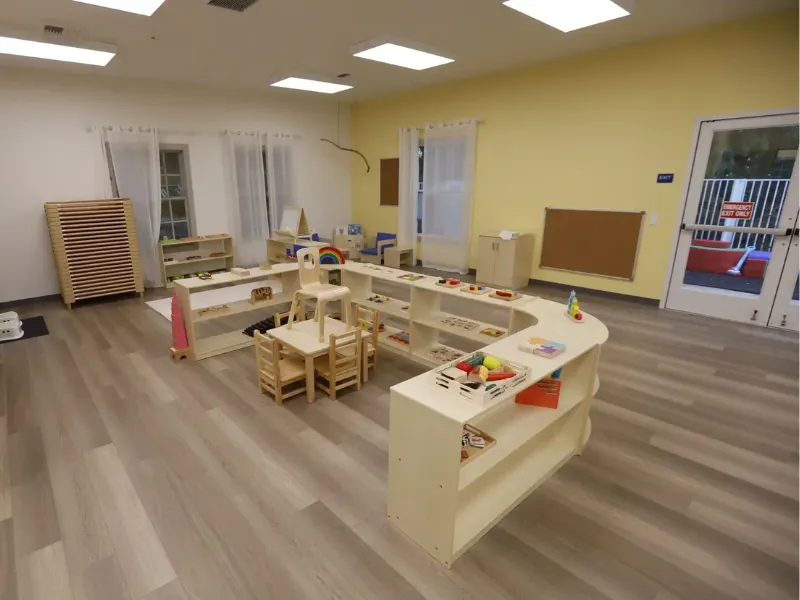
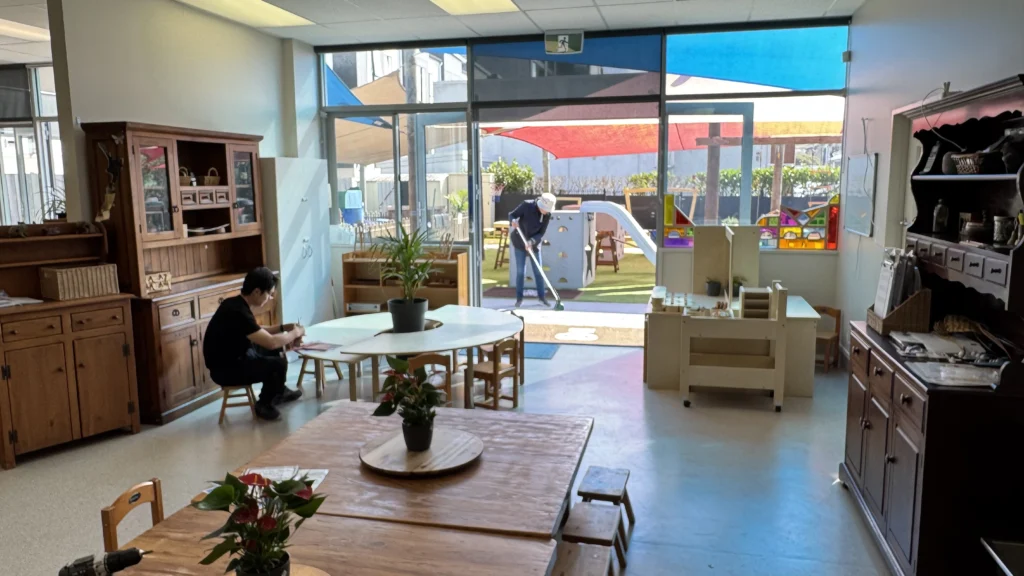
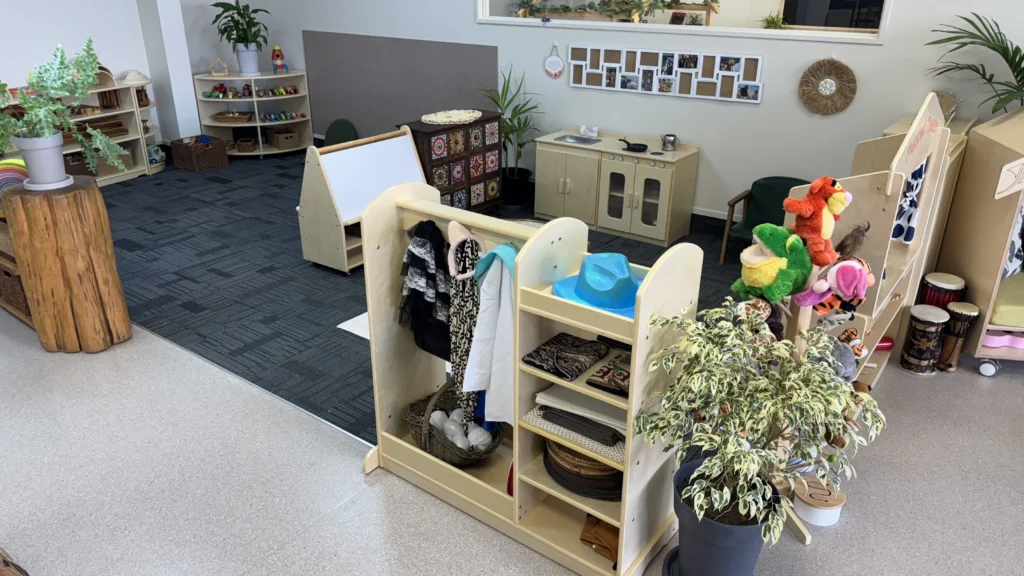
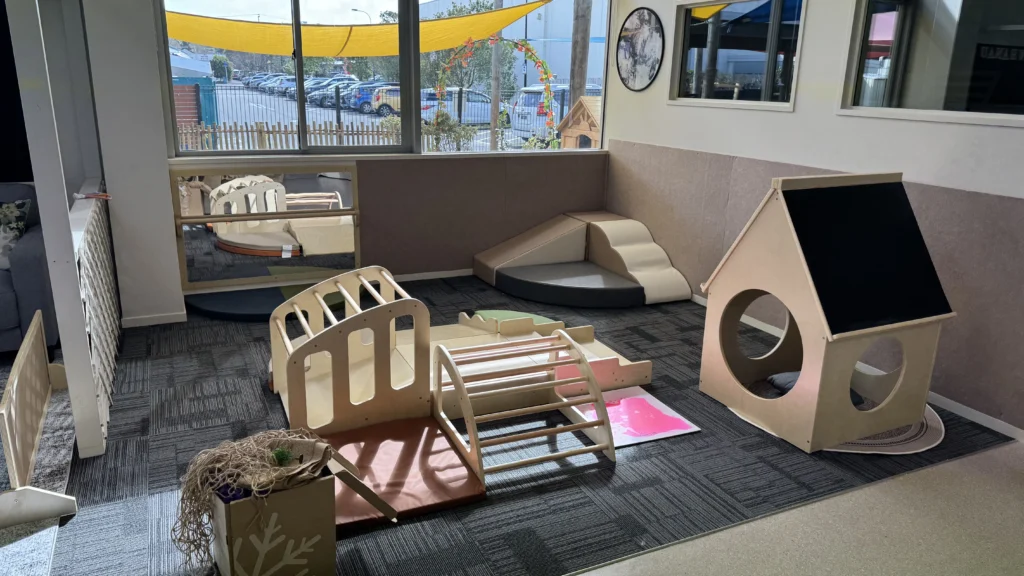
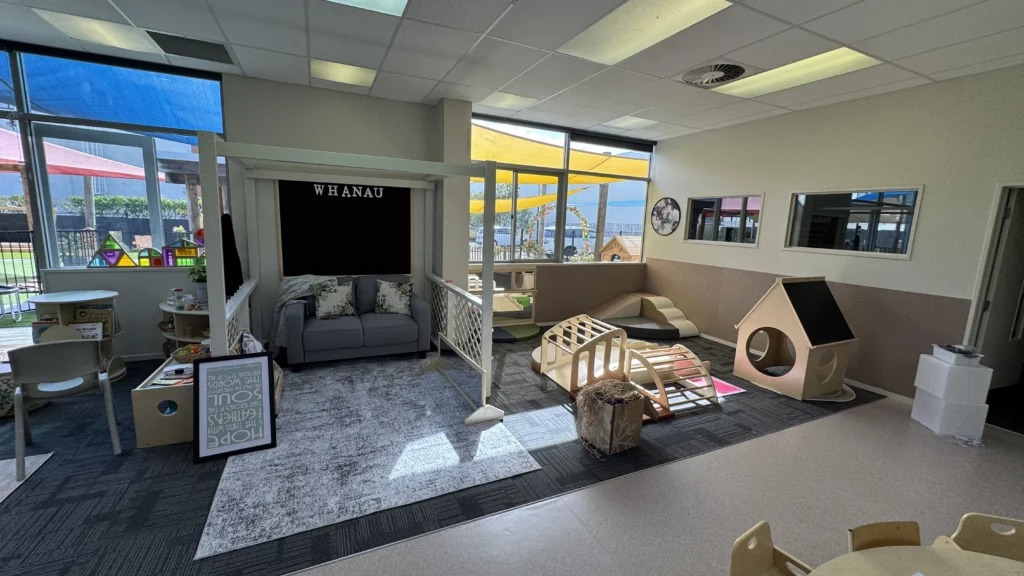
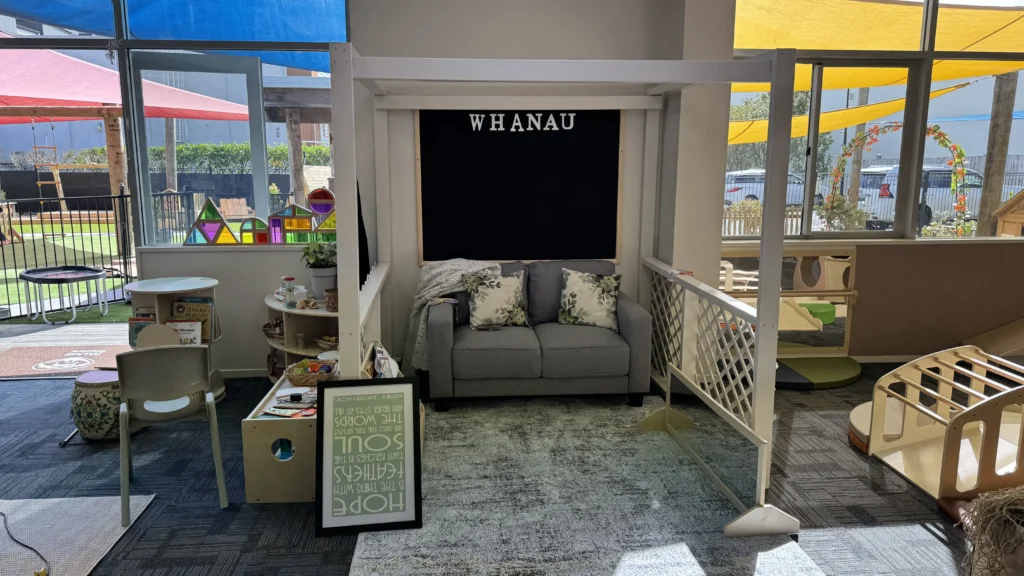
When opening a daycare, classroom design should support more than play and learning. The space also needs to work for supervision, safety checks, daily routines, licensing requirements, and parent confidence during tours.

Plan the Room Around Daily Routines
Start by thinking through how children will move through the day. Your classroom should have clear areas for arrival, play, meals, naps, diapering or bathroom use, and pickup. A layout that supports these routines can make the first weeks of operation smoother for both staff and children.
Make Supervision Easy
Before opening, arrange furniture so staff can see the room clearly from different positions. Avoid hidden corners, blocked sightlines, or crowded areas where children may be difficult to supervise. A classroom that is easy to monitor is safer and usually easier to operate.
Prepare for Licensing Review
Your classroom setup should match local childcare rules before inspection. This may include proper spacing for cribs or nap mats, safe storage for cleaning supplies, accessible handwashing areas, age-appropriate furniture, and clear emergency exits. Check these details before buying too much equipment.
Create a Parent-Friendly First Impression
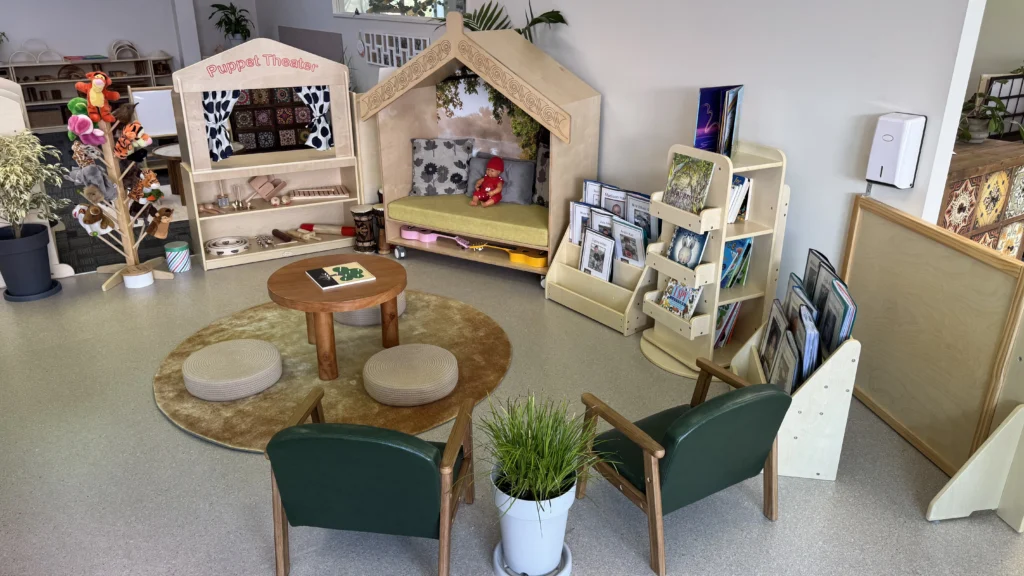
Families often judge a daycare within the first few minutes of a tour. A clean entry area, labeled cubbies, organized shelves, calm colors, and clearly defined activity spaces can make your program feel more trustworthy and prepared.
Leave Room to Adjust After Opening
Your first classroom layout does not need to be perfect. Once children arrive, you may notice traffic jams, noisy areas, unused corners, or routines that need better flow. A strong opening setup should be safe and organized, but flexible enough to improve as your program grows.
Choose Daycare Furniture and Learning Materials
The furniture and materials you choose will directly affect your daycare’s safety, organization, and daily routines. Most daycare programs begin with essential items such as child-sized tables and chairs, storage shelves, nap mats or cribs, books, toys, and sensory materials.
When selecting furniture, focus on safety, durability, and easy-to-clean materials. Open shelving, labeled storage, and age-appropriate furniture can also help children move through the classroom more independently.
Simple learning materials are often more effective than overcrowded classrooms filled with unnecessary equipment. Many daycare providers start with core classroom essentials first, then gradually expand supplies as enrollment grows.
Simplify Your Daycare Setup With ウェストショア家具
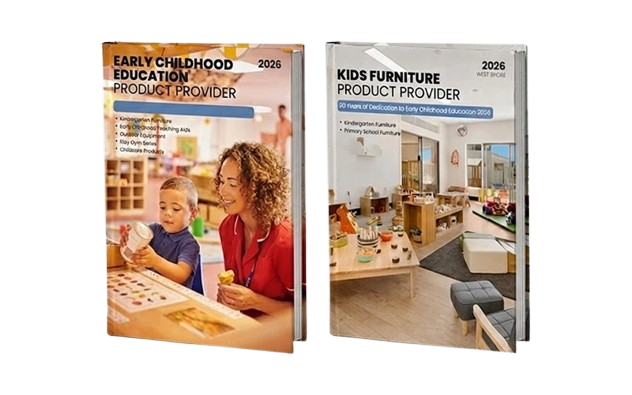
Sourcing daycare furniture and classroom materials from multiple suppliers can quickly become time-consuming and expensive. Many daycare owners choose complete classroom collections and daycare furniture bundles from Westshore Furniture to simplify the setup process and create a more organized learning environment from the beginning.

Market Your Daycare and Build Enrollment
Start promoting your daycare before opening so families have time to learn about your program and join the waiting list. Use a clear website, local parent groups, social media, community partnerships, and referrals to reach nearby families.
Show your licensing status, staff qualifications, classroom environment, daily schedule, safety procedures, tuition, and contact details. Make it easy for parents to book a tour, ask questions, and submit an enrollment application.
Final Checklist Before Opening Your Daycare
Before opening day, your daycare should feel fully operational and organized. Parent enrollment forms, emergency contacts, classroom schedules, and daily procedures should already be prepared and easy to access. Many daycare owners also set up childcare management software before opening to handle attendance tracking, billing, scheduling, and parent communication more efficiently.

Your staff should already understand pickup procedures, classroom routines, emergency response expectations, and communication standards before children arrive. It’s also worth doing a final walkthrough of the facility from a parent’s perspective to identify small issues related to organization, flow, signage, or accessibility. Small operational details often shape how professional and trustworthy your daycare feels during the first few weeks.
結論
Starting a daycare takes careful planning, realistic budgeting, and a clear understanding of local requirements. ウェストショア家具 can support your project with classroom layout planning, custom daycare furniture, production, and delivery solutions for spaces of different sizes.