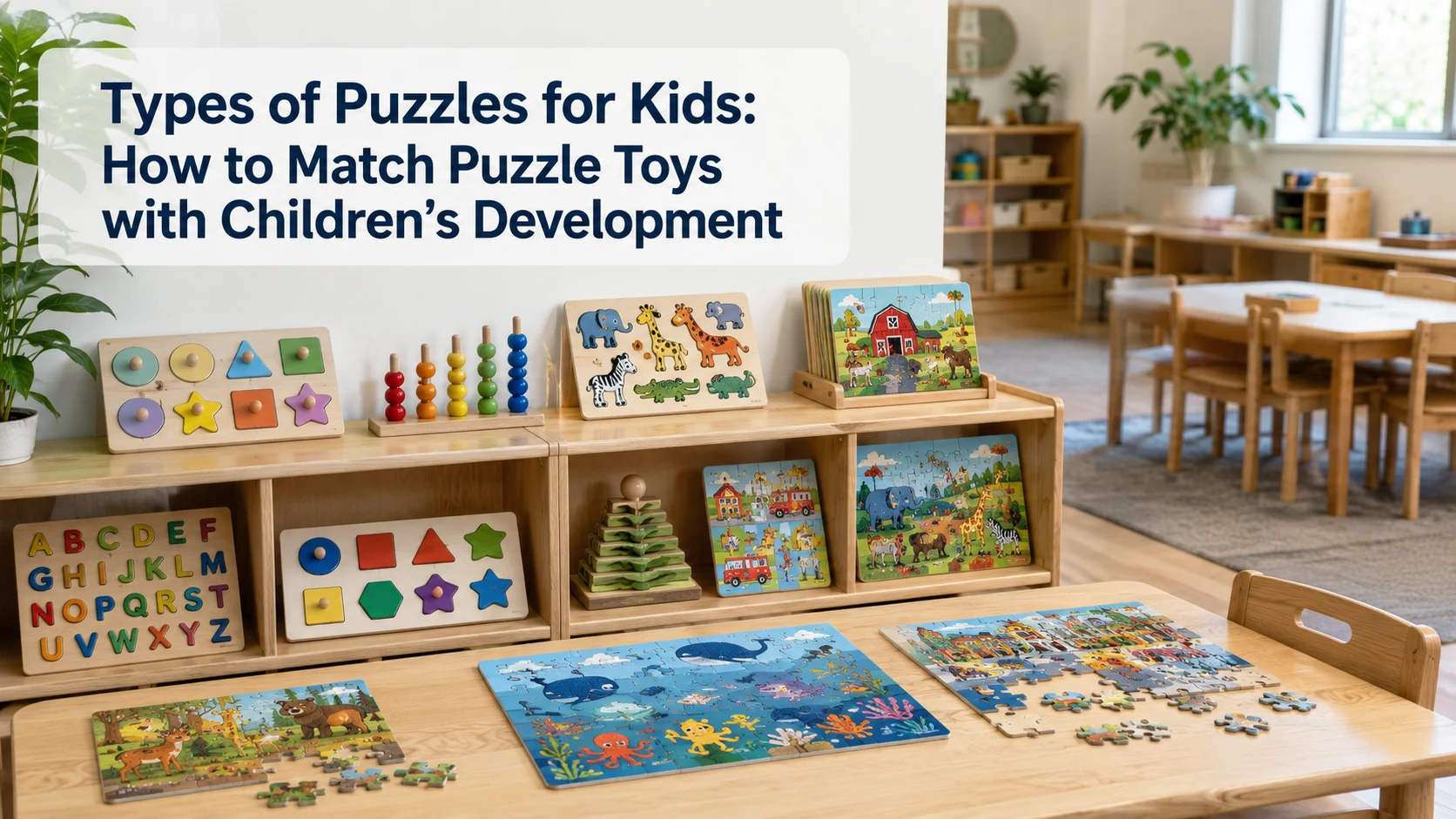
Choosing the right puzzle toys is all about matching the puzzle type with the child’s age, ability, and development stage. A toddler may need chunky wooden puzzles with large pieces, while a preschooler may be ready for jigsaw puzzles, floor puzzles, or simple logic puzzles.
This guide explains the main types of puzzles for kids, how different puzzle types support children’s development, and how to choose suitable puzzle toys by age. It also covers practical questions such as puzzle size by age, how many puzzle pieces a 5 year old should try, and why wooden puzzles for toddlers are a smart choice for early learning spaces.
Why Puzzle Toys Matter for Children’s Development
Puzzle toys are classic learning materials because they give children a simple, hands-on way to think, try, and solve problems. When children match shapes, rotate pieces, and look for visual clues, they are building hand-eye coordination, 細かい運動能力, focus, and early problem-solving skills.
Puzzle play also supports cognitive development. Children learn to observe details, compare shapes and colors, remember where pieces belong, and keep trying when something does not fit the first time. That trial-and-error process is exactly what makes puzzle toys valuable in early childhood learning.
In classrooms, puzzles are easy to connect with different learning goals. Animal puzzles can support vocabulary, alphabet puzzles can support early literacy, number puzzles can support math readiness, and floor puzzles can encourage group play. This makes educational puzzle toys useful for both independent play and guided learning activities.
Different Types of Puzzles for Kids
There are many types of puzzles for kids, but they should not be grouped only by theme, material, or age. A wooden animal puzzle, for example, could be an inset puzzle, a jigsaw puzzle, or a matching puzzle. To make the classification clearer, this guide groups puzzle toys by how children mainly use them.
The classification rule is simple: look at the child’s main action during play. Are they placing pieces into a fixed space, connecting interlocking pieces, matching related items, arranging steps in order, exploring layers, building a 3D structure, or solving a logic challenge? This method keeps the categories clean and avoids repeating the same puzzle in different sections.
1. Inset and Tray Puzzles
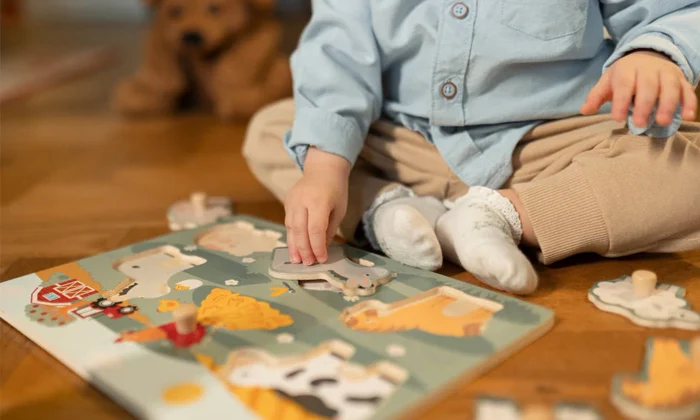
Inset and tray puzzles are usually the first puzzle toys young children use. The main action is simple: children pick up a piece and place it into a matching space, outline, or tray. Because the board gives clear visual guidance, this type of puzzle is friendly for toddlers who are still learning how to control their hands and recognize shapes.
These puzzles are especially useful for building fine motor skills, hand-eye coordination, shape recognition, and early confidence. When a piece fits into the correct space, children get quick feedback, which helps them understand matching through direct action.
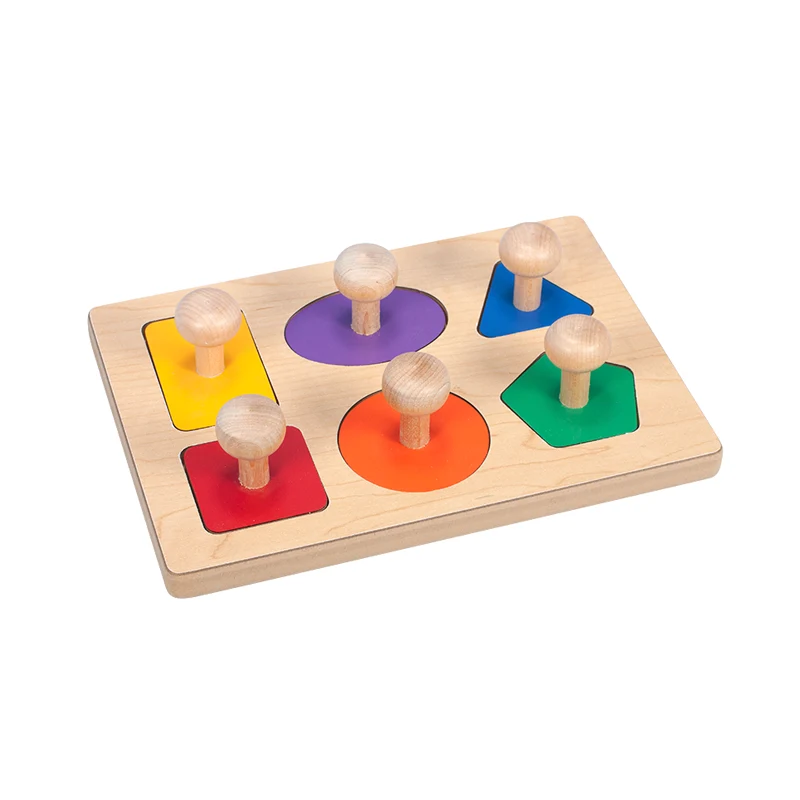
Knob Puzzles
Knob puzzles have large handles on each piece, making them easy for small hands to grasp. They are often used as a child’s first puzzle because the movement is simple and clear.
Benefits: Supports grasping, hand control, object recognition, and early matching.
Suitable age: Around 12 months to 2 years.
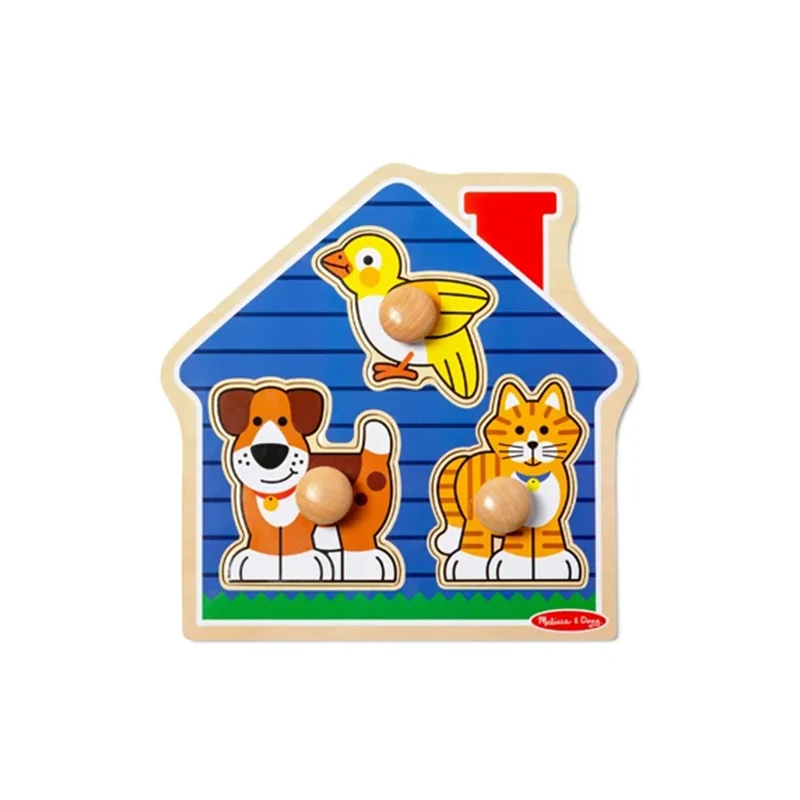
Peg Puzzles
Peg puzzles have smaller handles than knob puzzles, so children need more finger control when lifting and placing each piece. They are a good next step after large knob puzzles.
Benefits: Helps develop pincer grasp, finger strength, visual scanning, and controlled placement.
Suitable age: Around 2 to 4 years.
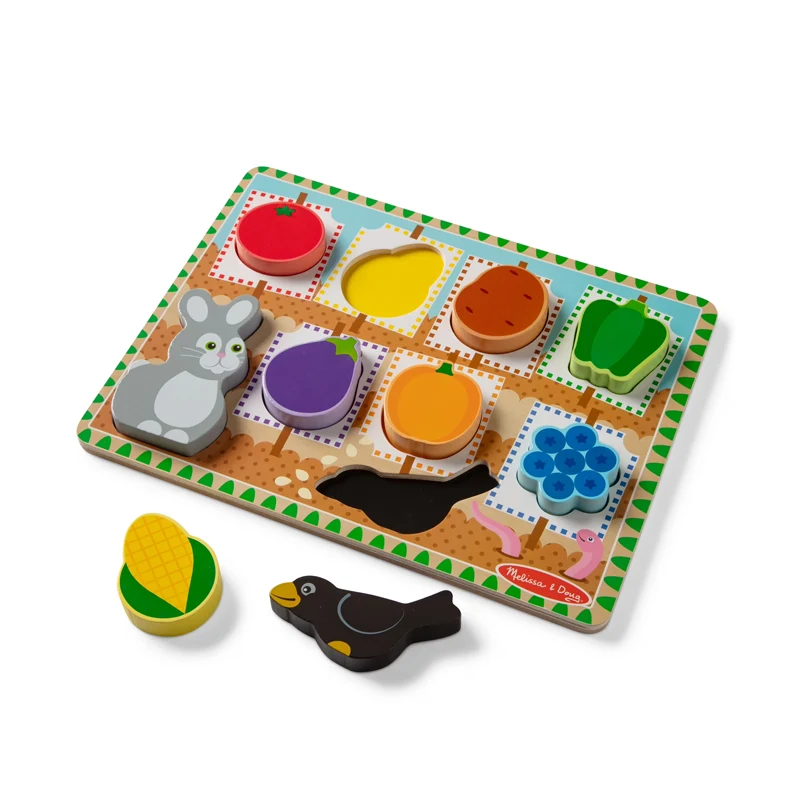
Chunky Puzzles
Chunky puzzles use thick pieces that are easy to hold. Many chunky pieces can also stand upright, so children may use them for pretend play after finishing the puzzle.
Benefits: Builds hand strength, object recognition, vocabulary, and simple storytelling.
Suitable age: Around 18 months to 4 years.
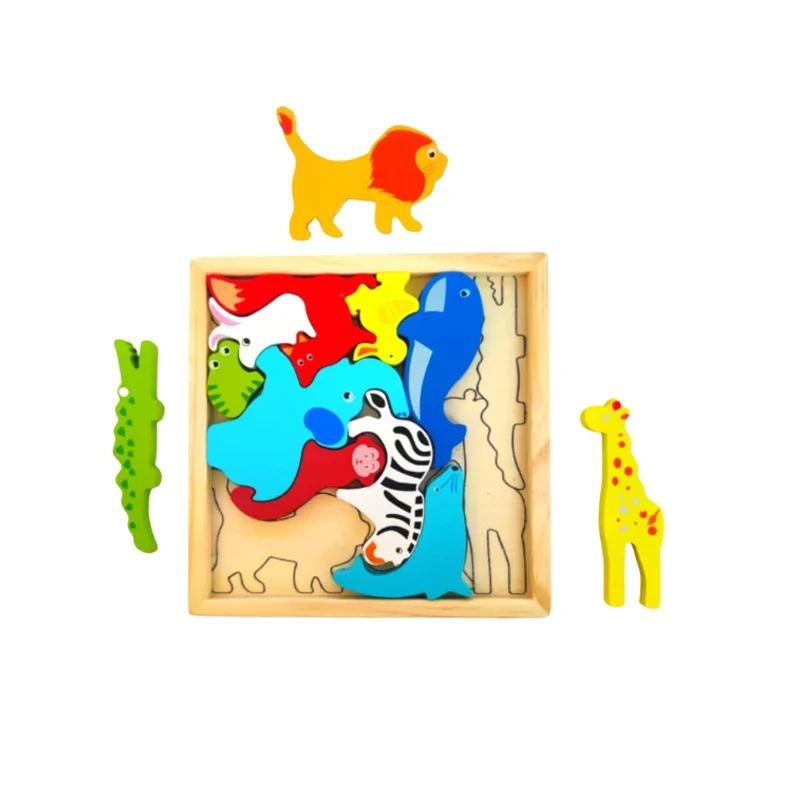
Tray Puzzles
Tray puzzles use a base or frame to show where pieces belong. Some tray puzzles have individual slots, while others guide children toward completing a full picture inside a border.
Benefits: Supports spatial awareness, picture completion, and early problem-solving with more structure.
Suitable age: Around 2 to 5 years.
2. Jigsaw Puzzles
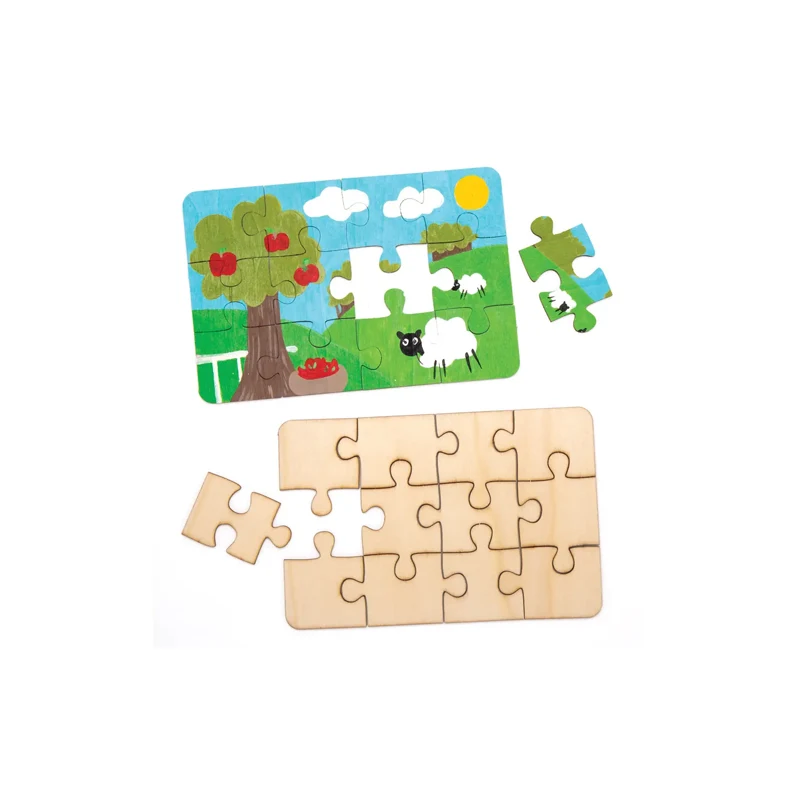
Jigsaw puzzles ask children to connect pieces together to form a complete image. Compared with inset puzzles, they require more observation because children need to look at edges, colors, lines, and picture details to decide where each piece fits.
This type of puzzle is important for preschool development because it helps children understand part-whole relationships. A single piece does not make much sense by itself, but when children connect many pieces together, they begin to see how small parts create a larger picture. This supports visual perception, patience, memory, and problem-solving.
Standard Jigsaw Puzzles
Standard jigsaw puzzles have more pieces and require children to compare shapes, corners, colors, and image details. They are suitable once children can stay focused for a longer time.
Benefits: Builds concentration, visual memory, spatial thinking, and persistence.
Suitable age: Around 4 years and up.
Progressive Jigsaw Puzzles
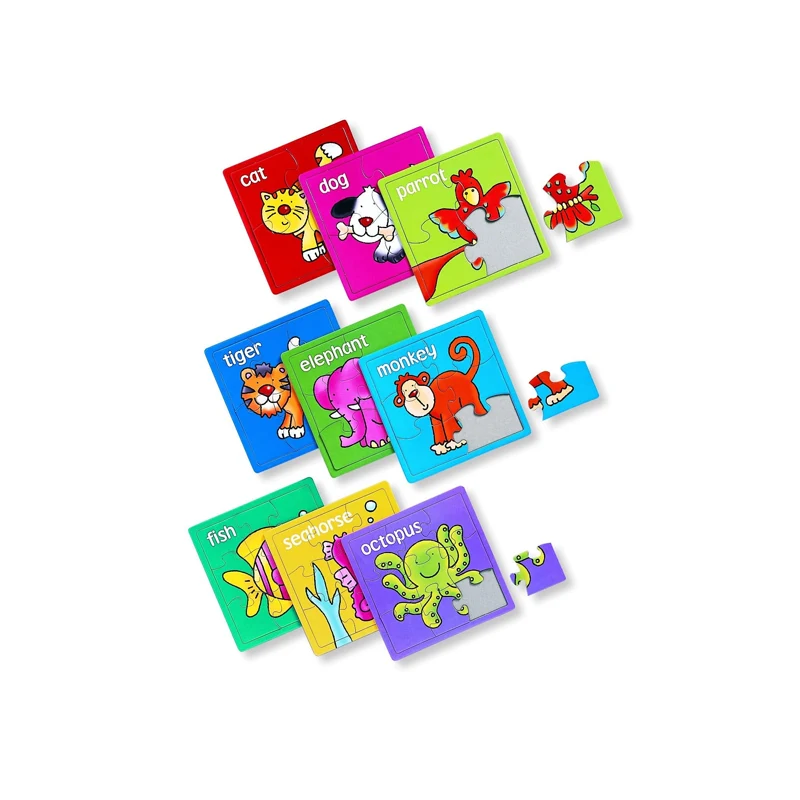
Progressive puzzles come in sets with increasing difficulty. A set may include puzzles with 4, 6, 9, 12, or more pieces, allowing children to move up step by step.
Benefits: Helps children build confidence gradually and prevents frustration from sudden difficulty jumps.
Suitable age: Around 3 to 5 years.
Floor Puzzles
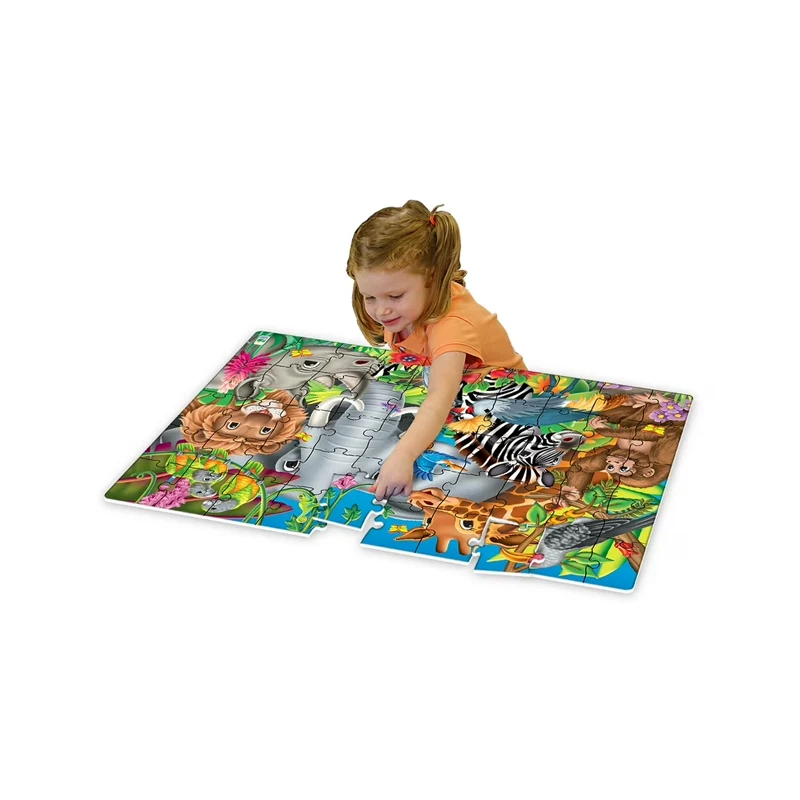
Floor puzzles are large jigsaw puzzles designed to be completed on the floor. The pieces are usually bigger, and the final image is large enough for group play.
Benefits: Encourages teamwork, movement, communication, spatial awareness, and group problem-solving.
Suitable age: Around 3 to 6 years.
3. Matching and Sorting Puzzles
Matching and sorting puzzles focus on comparison. Children may match pieces by shape, color, picture, number, quantity, shadow, or simple pattern. The main goal is not always to complete a picture, but to understand what belongs together and why.
These puzzles are very useful for early thinking because they help children organize information. When children sort shapes, match colors, or connect numbers with quantities, they are practicing early math, language, observation, and classification skills in a hands-on way.
Shape Matching Puzzles
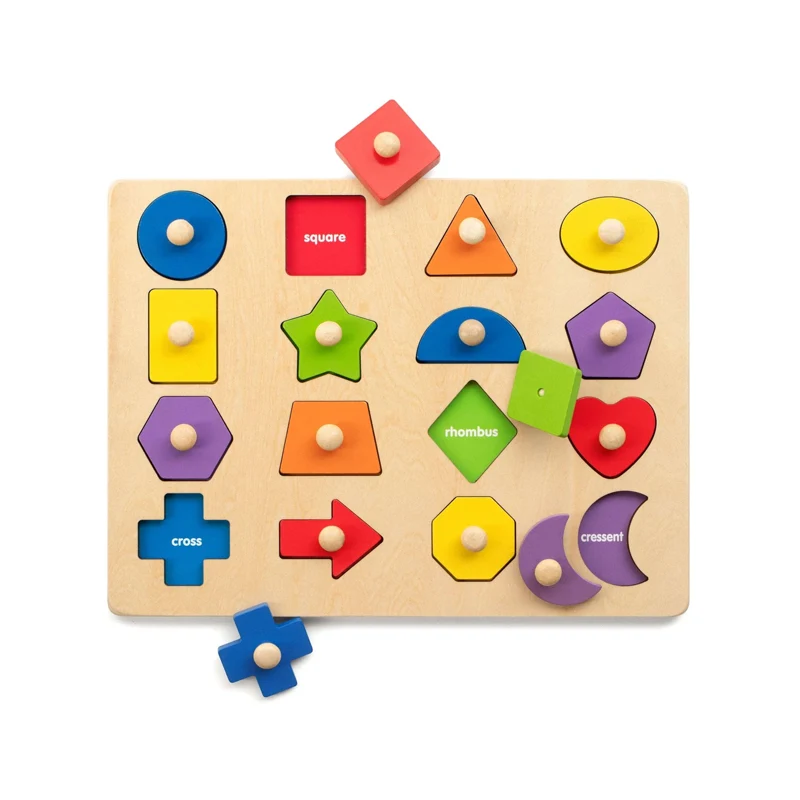
Shape matching puzzles ask children to recognize and match basic shapes such as circles, squares, triangles, and rectangles.
Benefits: Supports shape recognition, spatial awareness, visual comparison, and early geometry thinking.
Suitable age: Around 2 to 4 years.
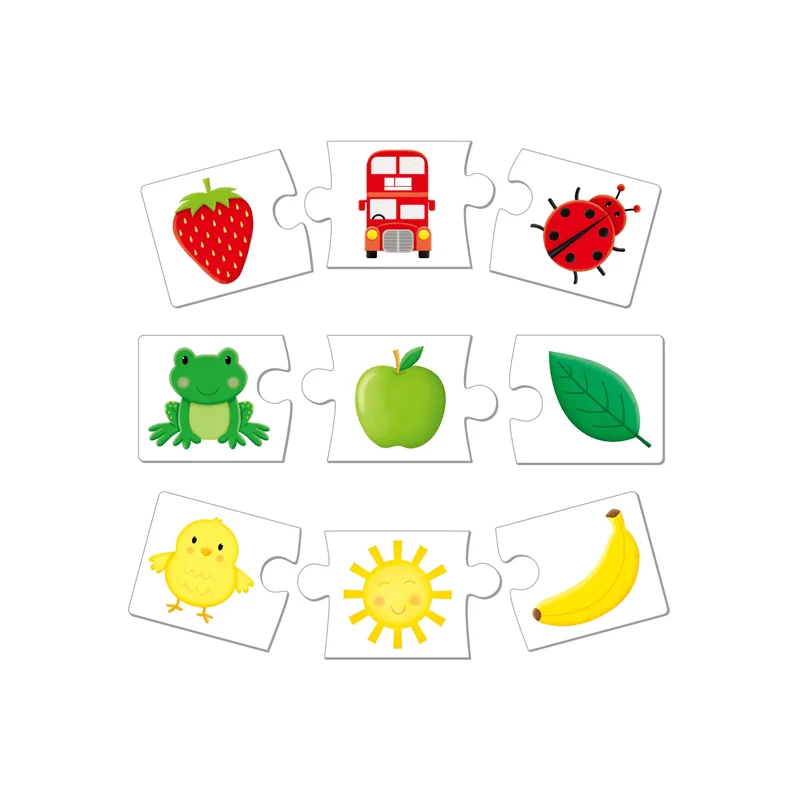
Color Matching Puzzles
Color matching puzzles ask children to group or match pieces by color. They are simple but very effective for toddlers and young preschoolers.
Benefits: Builds color recognition, attention to visual details, and basic vocabulary.
Suitable age: Around 2 to 4 years.
4. Sequencing and Layered Puzzles
Sequencing and layered puzzles help children understand order, process, and structure. They are more advanced than simple matching puzzles because children need to think about what comes first, what comes next, or how different parts are connected.
This type of puzzle is strongly linked to children’s language, science, and reasoning development. It helps children describe steps, understand life processes, recognize internal structures, and build part-whole thinking.
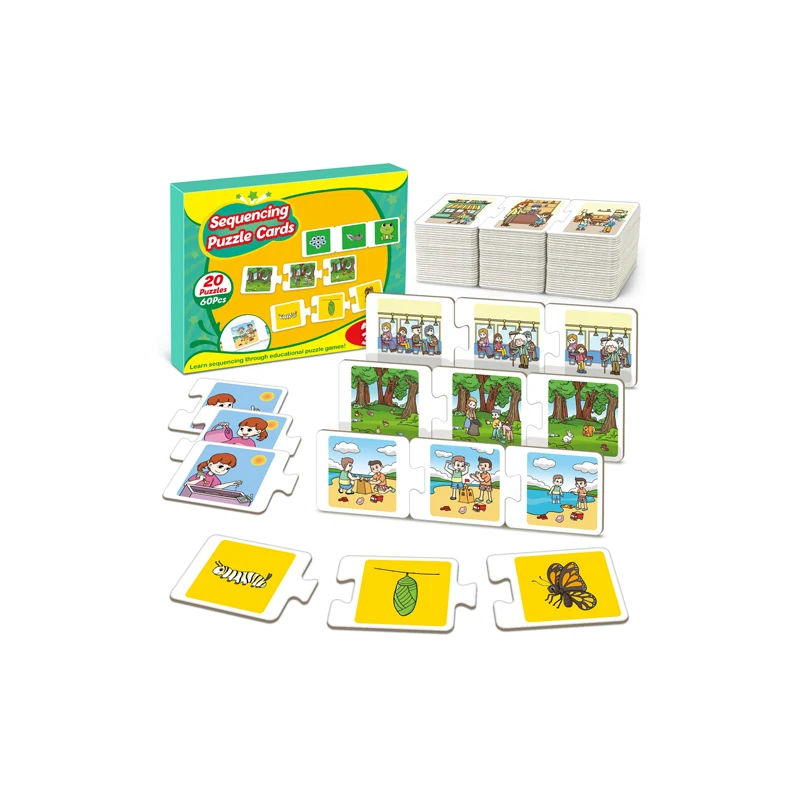
Story Sequencing Puzzles
Story sequencing puzzles ask children to arrange pictures in the correct order to show a simple story.
Benefits: Supports storytelling, memory, language expression, and reading readiness.
Suitable age: Around 4 to 6 years.
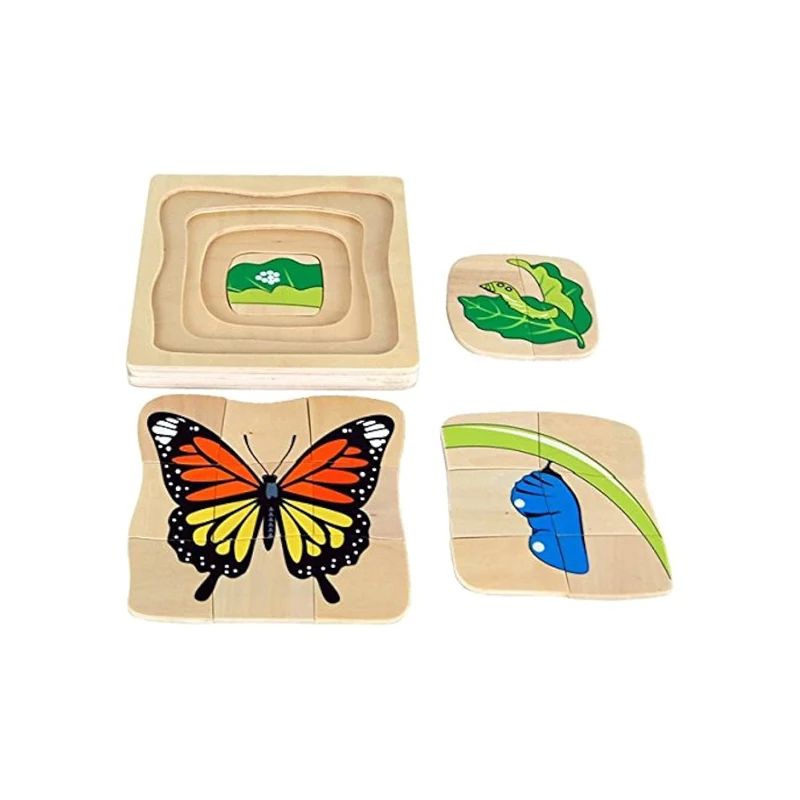
Life Cycle Puzzles
Life cycle puzzles show growth or change, such as the stages of a butterfly, frog, plant, or chicken.
Benefits: Supports science learning, sequence understanding, cause-and-effect thinking, and nature awareness.
Suitable age: Around 4 to 6 years.
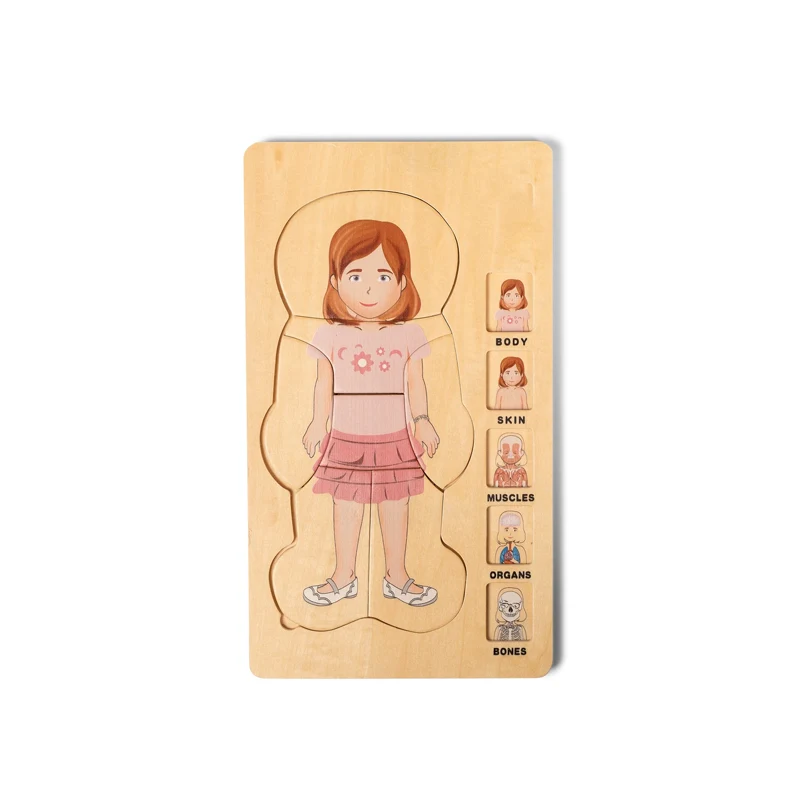
Body and Structure Puzzles
Body and structure puzzles show how something is built in parts or layers. For example, a body puzzle may show clothing, skin, muscles, organs, and bones.
Benefits: Builds body awareness, science vocabulary, part-whole understanding, and structural thinking.
Suitable age: Around 4 to 6 years.
5. Construction and Logic Puzzles
Construction and logic puzzles are more challenging puzzle toys because children need to build, plan, reason, or solve a problem. These puzzles often require stronger spatial thinking and longer focus, so they are usually better for older preschoolers and early school-age children.
This category is useful for children who are ready to move beyond matching and picture completion. It helps them think ahead, test ideas, follow rules, and stay with a challenge for longer.
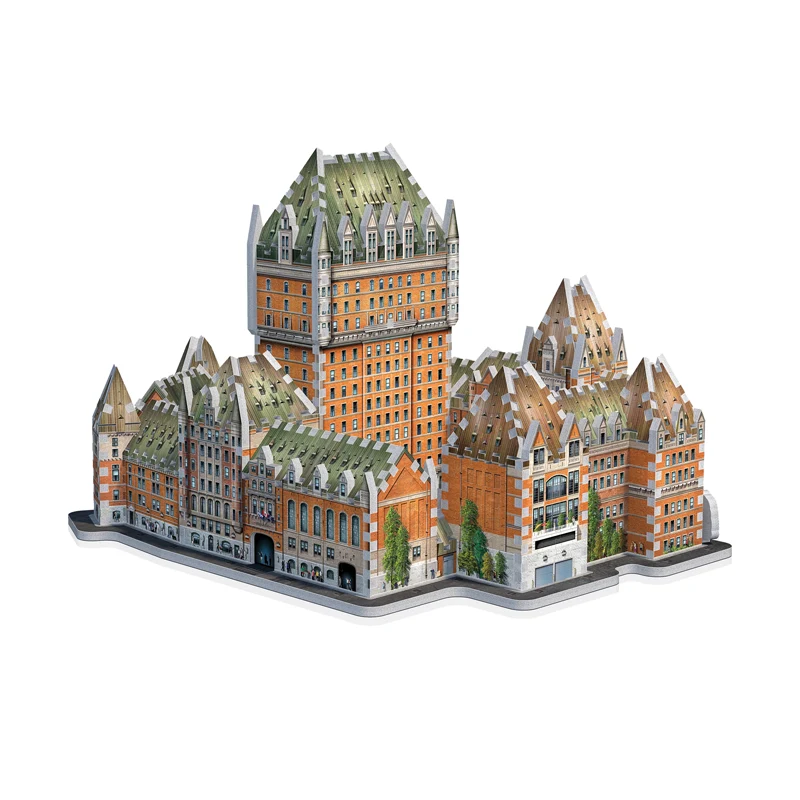
3D Puzzles
3D puzzles ask children to build an object, animal, vehicle, building, or simple model with height and depth.
Benefits: Supports spatial reasoning, structure awareness, planning, and patience.
Suitable age: Around 5 years and up.
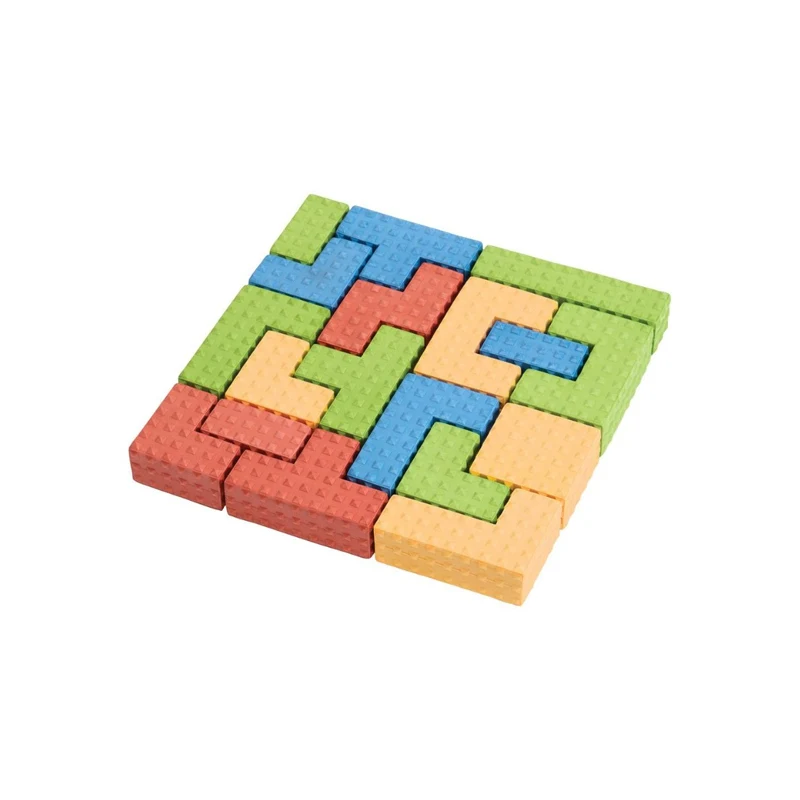
Puzzle Blocks
Puzzle blocks combine block play with puzzle solving. Children may rotate or arrange blocks to complete a picture, pattern, or simple structure.
Benefits: Builds visual memory, hand control, flexible thinking, and construction skills.
Suitable age: Around 3 to 6 years.
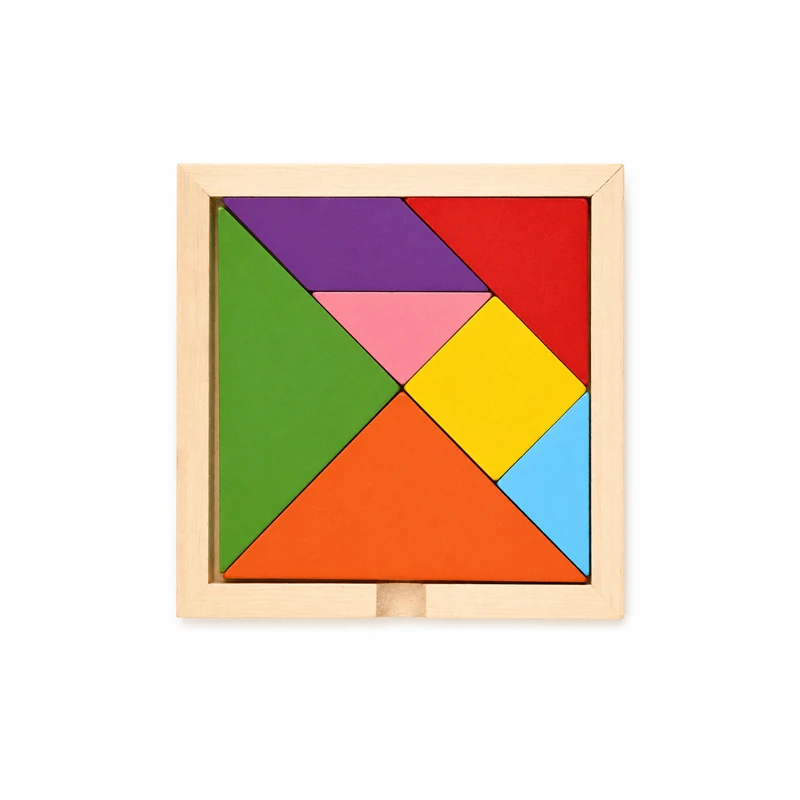
Tangram Puzzles
Tangram puzzles use geometric pieces to create shapes, animals, objects, or patterns.
Benefits: Builds shape awareness, creativity, spatial reasoning, and flexible problem-solving.
Suitable age: Around 5 years and up.
Looking for Puzzle Toys for Your Project?
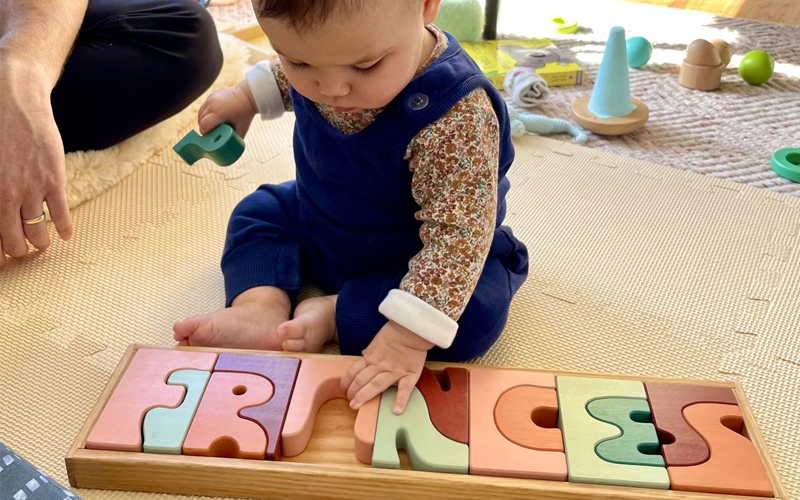
West Shore Furniture offers wooden puzzle toys for early learning, fine motor skills, and hands-on classroom play. We support bulk orders, custom designs, safe materials, and packaging options for schools, wholesalers, and education suppliers.
 View Puzzle Toys
Puzzle Size by Age: How to Choose the Right Difficulty Level
Choosing the right puzzle difficulty depends more on the puzzler’s fine motor skills, patience, and experience than on their actual age. Generally, beginners start with puzzles consisting of 24 to 48 large pieces, while experienced puzzlers might tackle standard puzzles with over 500 pieces. A safe and engaging puzzle offers enough of a challenge to foster a child’s development without causing frustration. You can refer to the following table showing the relationship between age and the number of puzzle pieces:
| 年齢範囲 | Suggested Difficulty | Better Puzzle Choices | What to Watch For |
|---|---|---|---|
| 1–2 years | Very simple, 2–6 large pieces | Knob puzzles, chunky inset puzzles | Pieces should be large, easy to grip, and easy to match |
| 2–3 years | Simple, 4–12 pieces | Peg puzzles, chunky puzzles, tray puzzles | Clear outlines and familiar objects work best |
| 3–4 years | Beginner jigsaw level, 6–24 pieces | First jigsaw puzzles, frame puzzles, simple matching puzzles | Choose clear images with strong color contrast |
| 4–5 years | Moderate challenge, 24–60 pieces | Jigsaw puzzles, floor puzzles, progressive puzzles | Children may need help sorting edges, colors, or picture areas |
| 5–6 years | More detailed challenge, 48–100 pieces | Jigsaw puzzles, sequencing puzzles, map puzzles | Choose based on puzzle experience, not age alone |
| 6–8 years | Advanced child level, 100–300 pieces | Detailed jigsaw puzzles, 3D puzzles, logic puzzles | Look for patience, strategy, and longer focus |
| 8+ years | Higher challenge, 300+ pieces | Advanced jigsaw puzzles, 3D model puzzles, puzzle games | Best for children who enjoy longer tasks and detailed problem-solving |
In daycare classrooms, children in the same age group may have very different puzzle abilities. Some children may already enjoy jigsaw puzzles, while others still need simple inset or matching puzzles. Preparing only one difficulty level can limit how well puzzle toys support the whole group.
How to Choose Puzzle Toys for Classrooms and Learning Spaces
Choosing puzzle toys for classrooms should focus on age fit, learning value, durability, and daily usability. A good puzzle collection should include simple options for independent play, medium-level puzzles for daily practice, and harder challenges for children who are ready to think deeper.
Match the Child’s Development Stage
Puzzle difficulty should match how children use their hands, eyes, and thinking skills. Toddlers need large pieces and clear matching tasks, while preschoolers can move toward jigsaw puzzles, sequencing puzzles, and simple logic challenges.
Connect Puzzles to Learning Goals
Puzzle toys can support literacy, math, science, geography, and life skills when chosen with purpose. Alphabet puzzles, number puzzles, map puzzles, life cycle puzzles, and themed puzzles can all turn classroom topics into hands-on learning.
Choose Durable Classroom Materials
Classroom puzzles need to handle frequent use, repeated cleaning, and many small hands. Wooden puzzles, thick puzzle boards, and magnetic puzzles are practical choices when the pieces are smooth, strong, and easy to manage.
Include Visual Focus Challenges
Search-and-find puzzles and detail-rich picture puzzles help children slow down and look carefully. They are useful for building attention, visual perception, and patience during quiet work or early finisher activities.
Prepare Several Difficulty Levels
Children in the same classroom may have very different puzzle abilities. A balanced puzzle area should include easy puzzles for confidence, medium puzzles for practice, and harder puzzles for children who need more challenge.
結論
Choosing the right puzzle toys starts with understanding how children learn at different stages. Younger children need simple, easy-to-handle puzzles that help them recognize shapes, control their hands, and build confidence through repeated success.
As children grow, puzzle toys can gradually become more challenging. They can support focus, visual thinking, language, early math, patience, and problem-solving as children learn to compare details, follow steps, and complete a task with purpose.
FAQs About Types of Puzzles for Kids
What puzzles are best for preschoolers?
Preschoolers can use a wider range of puzzle toys, including first jigsaw puzzles, floor puzzles, matching puzzles, sequencing puzzles, life cycle puzzles, tangrams, maze puzzles, and simple logic puzzles. The best choice depends on the child’s focus, hand control, and problem-solving ability.
What age is a 100-piece puzzle for?
A 100-piece puzzle is often suitable for children around 5 to 6 years old, but the real difficulty depends on piece size, image clarity, and the child’s puzzle experience. A clear picture with larger pieces will be easier than a busy image with small pieces.
How do I know if a puzzle is too hard for a child?
A puzzle may be too hard if the child becomes frustrated quickly, forces pieces into the wrong place, asks for help constantly, or gives up before making progress. A good puzzle should be challenging enough to make the child think, but still possible to complete with light guidance.