How to start a childcare centre in Australia is a two-approval process under the National Quality Framework, not a single council permit. You choose family day care or centre-based long day care, apply for provider approval and then service approval, match educator ratios and space rules, and only then lock furniture quantities. This guide is the sequence. Dollar totals stay in the startup cost Hub.
Australia planning cluster: How to start a centre (this guide) · Classroom furniture cost · Furniture checklist · Startup cost Hub · Furniture Australia
Cost snapshot only
Family day care typically launches at $8,000–$45,000 AUD. A centre-based LDC service is usually $150,000–$650,000 AUD or more. This article is the process. For the full category table, use the Australia childcare startup cost guide.
Classroom furniture sits in a separate spoke: cost to furnish a childcare classroom in Australia.
How to Start a Childcare Centre in Australia: The Working Sequence
Most delayed openings skip a step rather than fail a form. Work in this order so the assessment visit, payroll, and container timeline do not collide.
- Pick the service type — family day care (FDC) or centre-based long day care (LDC).
- Apply for provider approval with your state or territory regulatory authority.
- Secure the property and confirm 3.25 m² indoor and 7 m² outdoor unencumbered space per child.
- Apply for service approval for that specific site and service.
- Staff to National Regulations ratios under the Children’s Services Award.
- Furnish and kit rooms for the first assessment and parent tours.
- Hold working capital — CCS does not pay your fit-out or the first payroll cycles.
Confirm current forms and fees on ACECQA and your state or territory department. This page is planning guidance, not legal advice.
Family Day Care vs Long Day Care
If you search how to start a childcare centre Australia, Google often mixes home-based and commercial results. The path, capital, and furniture list are different.
| Decision | Family day care | Centre-based LDC |
|---|---|---|
| Typical setting | Residence coordinated by an FDC scheme | Purpose-fitted commercial site |
| Approvals | Educator registration + scheme; provider rules still apply | Provider approval + service approval for the site |
| Launch capital (snapshot) | $8,000–$45,000 AUD | $150,000–$650,000 AUD or more |
| Furniture scope | One home environment, smaller quantities | Age rooms, cubbies, staff storage, outdoor shade |
| Staffing | Educator in the home; scheme support | Award-covered team sized to licensed places |
Choose FDC if you want a faster, lower-capital start and can work within a residence. Choose LDC if you are building licensed places at commercial scale. Do not copy a U.S. home-daycare checklist—Australian FDC sits inside an approved scheme.
Provider Approval, Then Service Approval
Provider approval
Provider approval asks who will operate education and care services: fitness, governance, and financial capacity. A company, partnership, or individual can apply. Get this moving before you pay a large lease deposit you cannot use without approval.
Service approval
Service approval is site-specific. The regulatory authority looks at the premises, proposed ages and places, policies, and whether the physical environment can meet the National Regulations. A beautiful floor plan that undershoots unencumbered space will stall here.
- NSW — NSW Department of Education, Early Childhood Education Directorate.
- Victoria — Department of Education (Victoria).
- Queensland — Queensland Department of Education.
- WA, SA, Tasmania, ACT, NT — the same NQF, local regulatory authority and freight reality.
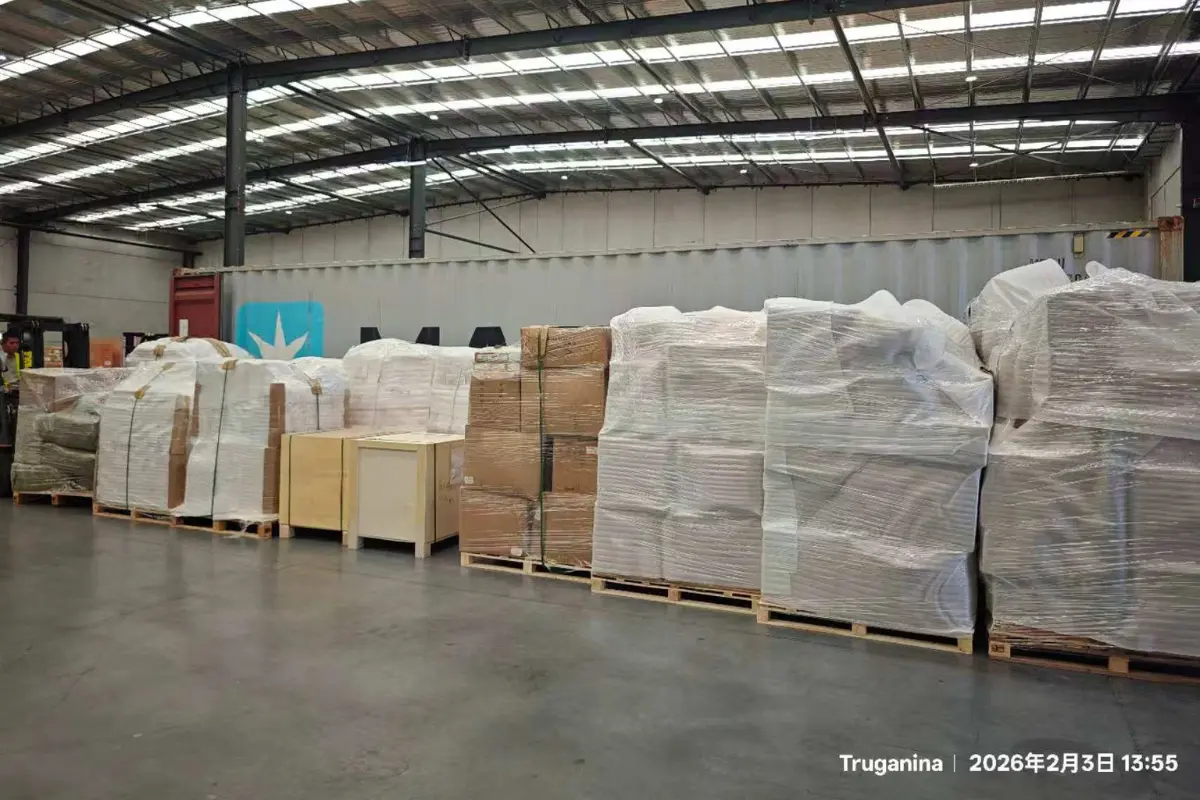
Council planning consent is separate from NQF approval. In Sydney and Melbourne metro, change-of-use and parking conditions regularly add months. Build that into the furniture order window so you are not paying storage on a container while the DA is still open.
Educator Ratios, Space, and the Award
Ratios drive both payroll and how many cots or chairs you buy. National centre-based ratios are commonly:
| Age group | Typical national ratio | Planning note |
|---|---|---|
| Birth to 24 months | 1:4 | Highest furniture cost per child (cots, change area) |
| 24 months to 36 months | 1:5 | Low tables, more cubbies, mobile storage |
| 36 months to preschool age | 1:11 (NSW 1:10) | More chairs/tables; confirm your state table |
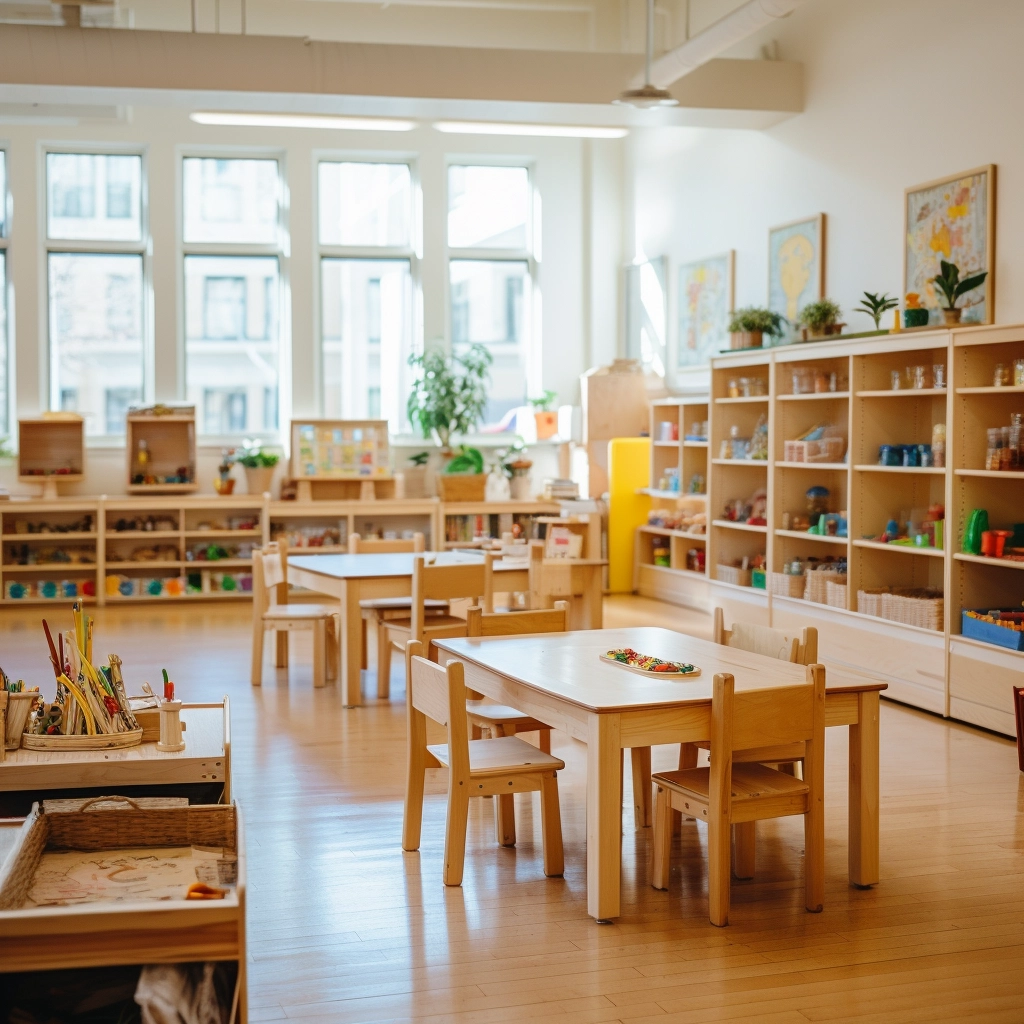
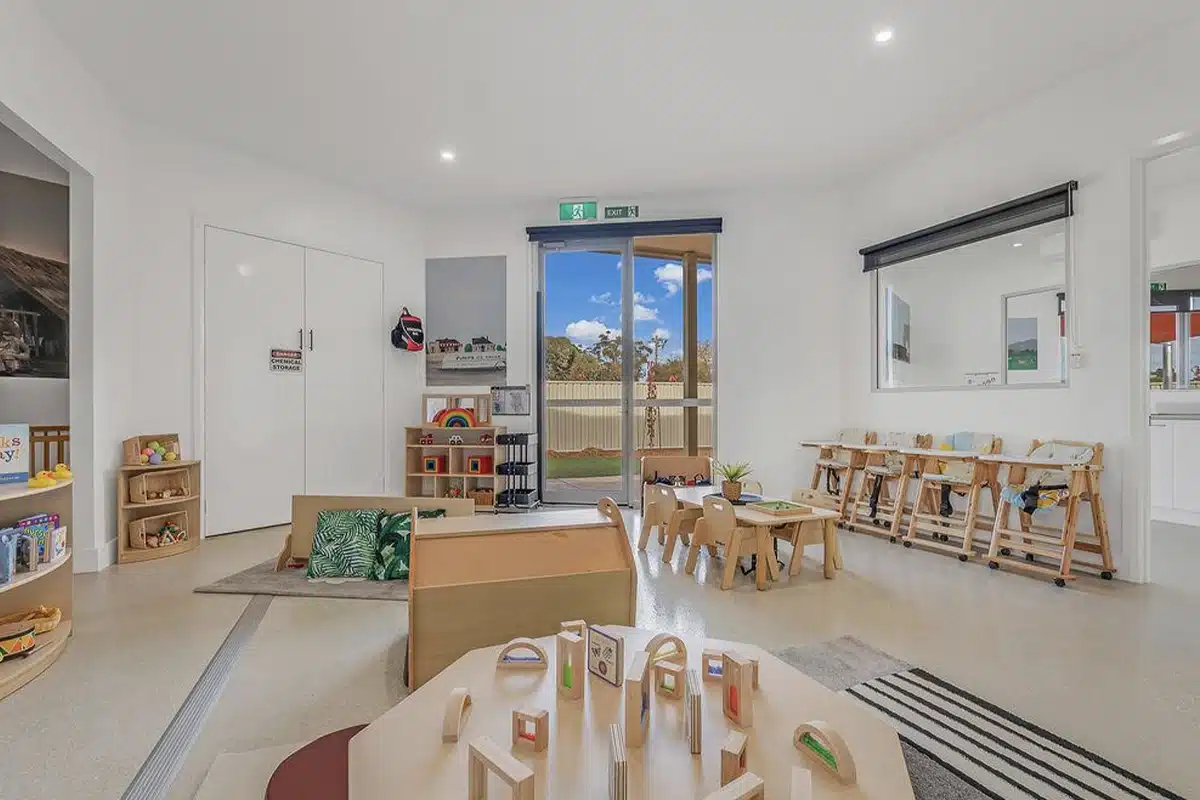
Space is not optional padding. Budget rooms around 3.25 m² unencumbered indoor and 7 m² unencumbered outdoor per child. Shelves, cots, and cubbies that eat the clear floor will fail a walk-through even if the invoice looks complete.
Wages follow the Children’s Services Award. Model payroll on licensed places, not day-one enrolment. Infant rooms need more educators per child than preschool rooms—that is why working capital sits next to fit-out in the Hub, not as an afterthought.
Have a floor plan? We will map rooms to quantities
Share ages, licensed places, and target opening date. You get a room list you can take to assessment planning—not a generic catalogue.
Get Free Daycare DesignWhat CCS Does Not Pay For
The Child Care Subsidy helps eligible families with fees at an approved service. Operators who need the CCS layer—PRODA, Family Assistance Law, 2026 hours and why subsidy does not buy rooms—should use the dedicated CCS approved childcare service Australia guide (operator CCS path). It is not a grant for your lease, kitchen, cots, or first three months of Award wages. Some states run place-creation or capital programs—treat those as optional and confirm eligibility before you shrink the cash reserve.
Use the Australia startup cost breakdown for the $300,000 AUD example table. This page only needs you to remember: approval first, then facility, then furniture, then reserve.
Furnish After the Floor Plan, Not Before the Lease
Operators who buy from a showroom before the room schedule is fixed usually reorder cubbies or cut tables to recover the 3.25 m². Sequence it like this:
- Freeze ages and licensed places per room.
- Draw furniture so walkways and sleep areas stay unencumbered.
- Price rooms in AUD with the classroom furniture cost guide.
- Tick items on the Australia furniture checklist.
- Order a factory program only if 10–14 weeks still fits the opening date.

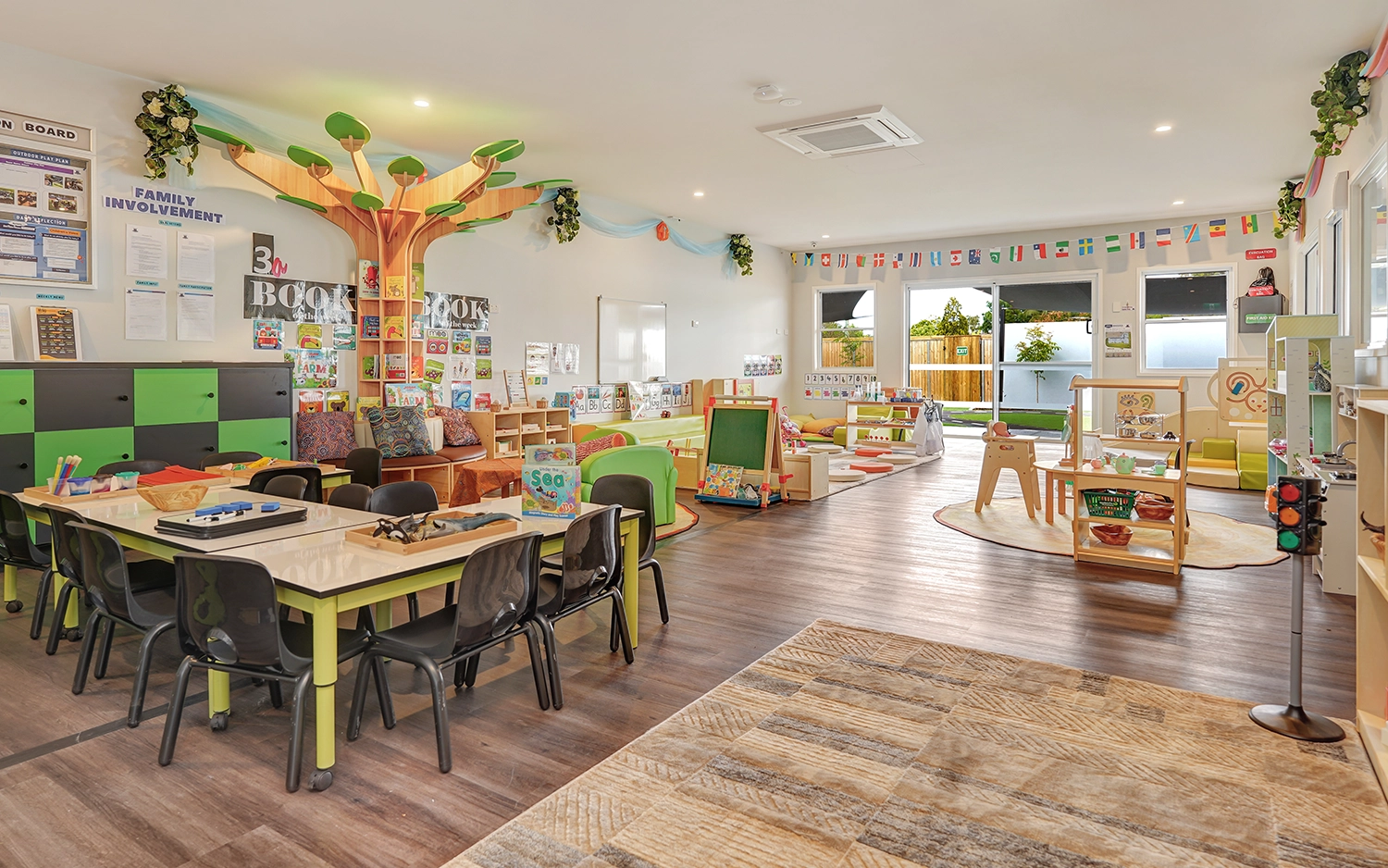
Australian projects that already show this at scale: Queensland Reggio centre (2,000 m², 150+ children), Reggio kindergarten in Sydney (900 m², 80+ children), Everwood Early Education in Forrestdale, WA (5 classrooms, 83 places), and Treehouse Childcare Adelaide.
See more Australian fit-outs on the childcare furniture Australia page.
Related Australia Guides
Related Australia guides
- Childcare startup cost Australia
- How to start a childcare centre in Australia
- Cost to furnish a childcare classroom in Australia
- Childcare furniture checklist Australia
- Childcare centre room layout Australia
- Childcare centre fit-out cost Sydney
- CCS approved childcare service Australia
- Childcare table and chair height Australia
- Childcare storage and cubby planning Australia
- NQS Quality Area 3 furniture evidence Australia
- Childcare furniture Australia
- Preschool playground costs
Send the floor plan, room ages, and opening date. West Shore maps quantities for LDC or FDC so you can compare a factory program with a local quote.
Conclusion
To start a childcare centre in Australia in 2026, treat NQF approvals as the spine: service type, provider approval, property and space, service approval, Award staffing, then furniture. CCS will not fund that sequence.
When you need numbers, open the startup cost Hub. When you need a purchase list, use the classroom cost spoke and the checklist.